
Teacher’s Guide to Microscopes

Teacher’s Guide to Microscopes Are you planning to purchase some new microscopes to replace old ones or to meet the needs of increased enrollment? If you’re a first-time buyer, the task can seem daunting. This brief guide explains the basics of microscopes and their applications, helping you choose the right models for your classroom or […]
Which Genetic Organism Is Best for Your Classroom?

Which Genetic Organism Is Best for Your Classroom? With so many genetic organisms to choose from, it can be difficult to find the organism that fits your instructional and time needs. Do you need a specimen that requires no culturing and is ready to use out of the box like genetic corn ears for mono […]
Balances Buying Guide
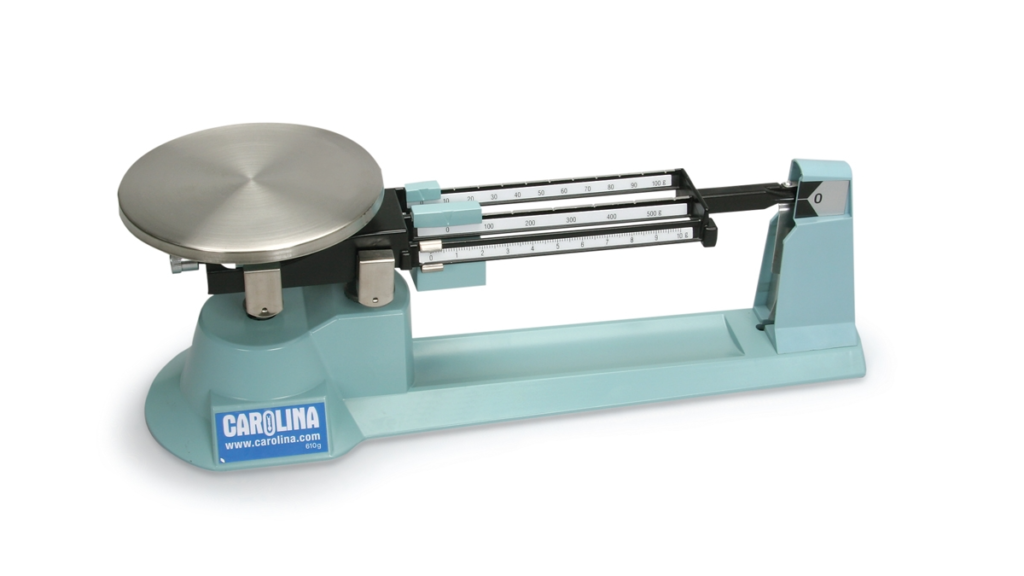
When considering which balance is best for your application, the first decision you’ll need to make is whether to choose a mechanical or electronic balance. Mechanical or electronic? When considering which balance is best for your application, the first decision you’ll need to make is whether to choose a mechanical or electronic balance. Mechanical balances […]
Packaging Options for Preserved Specimens
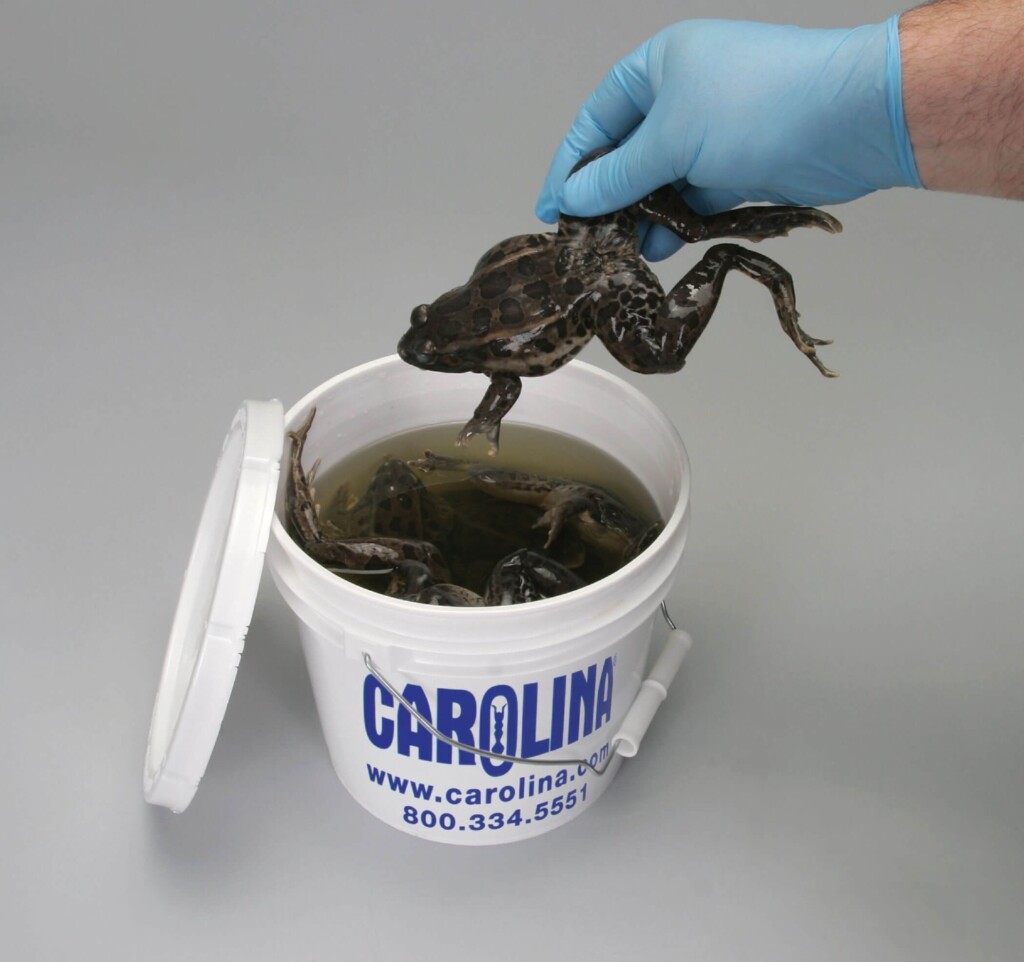
Pail-packed or vacuum-packed specimens? Compare the advantages of these package types before you decide. Pail Packed Specimens Pail-packed specimens are packaged in 1- to 5-gallon pails, fully immersed in preservation fluid and sealed with leak-proof lids. Pails are easy to store, and they keep specimens fresh for months to years. This package type is ideal […]
Which PCR Kit Is Right for You?
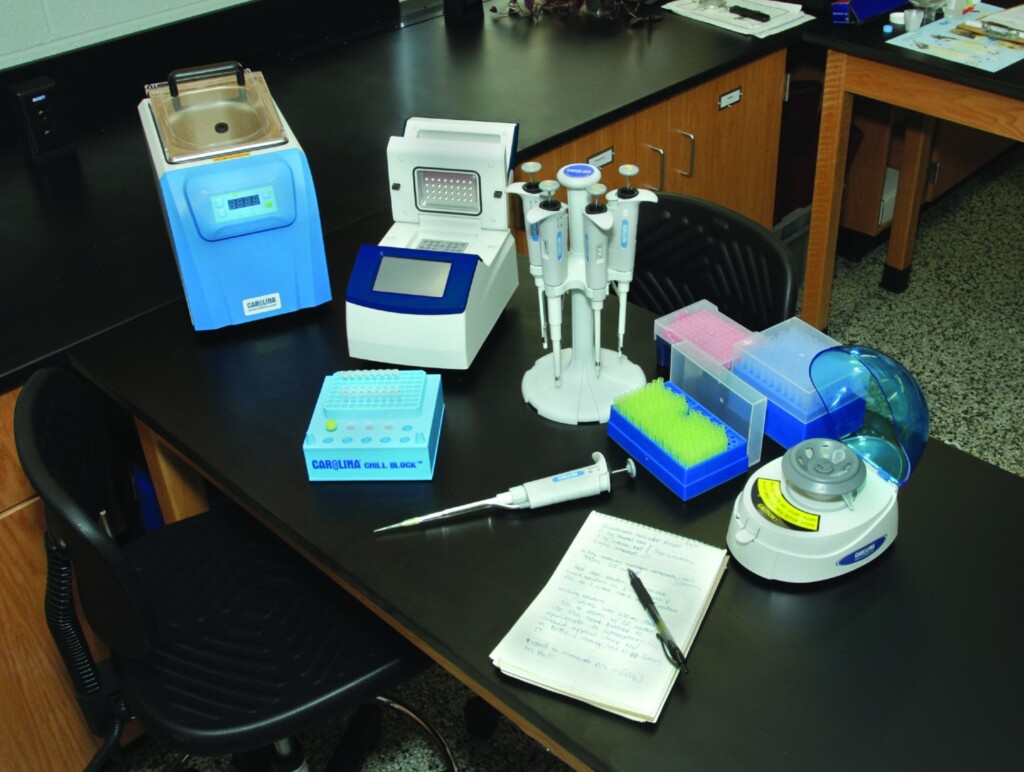
We’ve made PCR accessible to all classrooms by providing a variety of kits from which to choose.
Which Electrophoresis Kit Is Right for You?
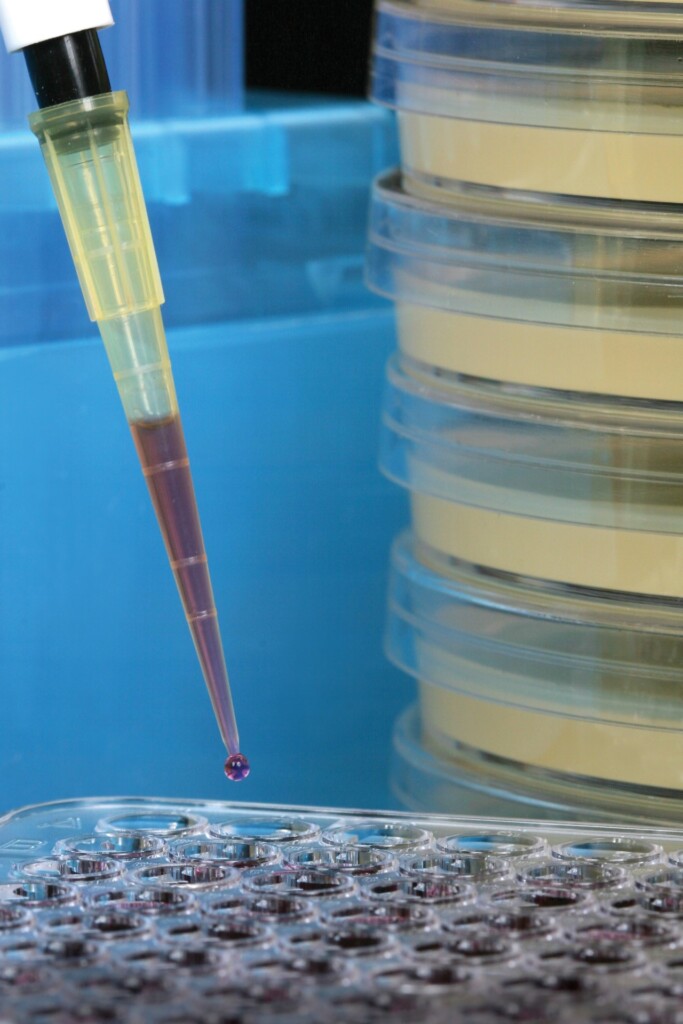
Use this companion guide to compare kit characteristics so you can prepare yourself and your lab accordingly.
Electrophoresis of DNA is a fundamental technique in biotechnology that covers a variety of subject material on the structure and function of DNA. Carolina makes the study of electrophoresis attainable for any classroom by offering a number of kits that include valuable teacher resources.
Forensics Buying Guide
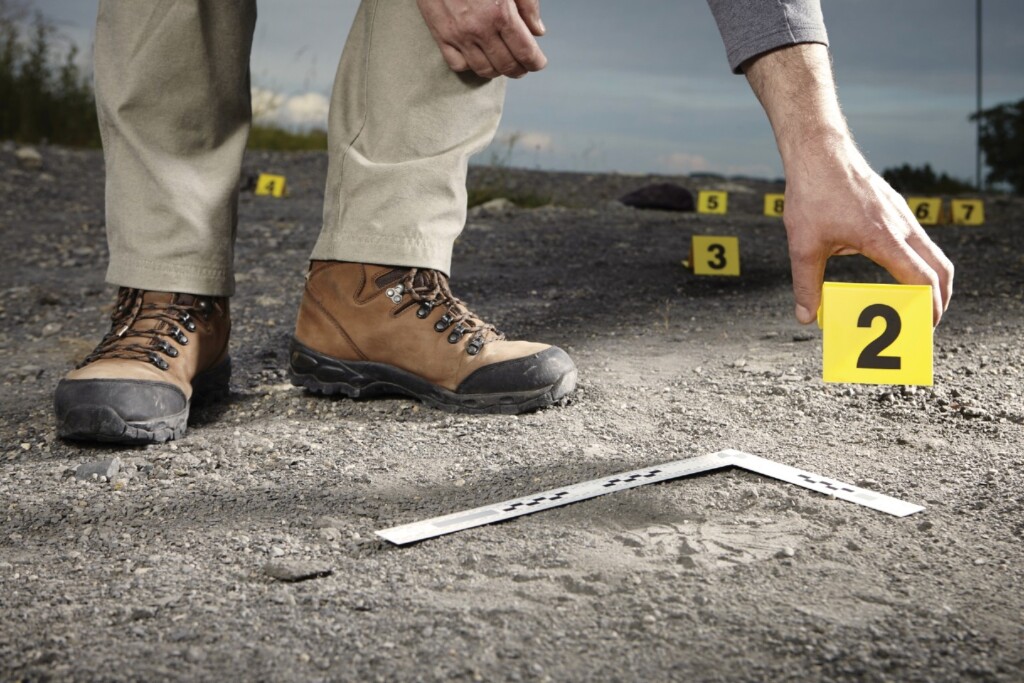
Forensics BUYING GUIDE Explore by Topic: Field Forensic Analysis Close Field Forensic Analysis Open Field Forensic Analysis Evidence Collection Latent Fingerprinting Footwear Impression Bloodstain Analysis Bullet Trajectory Investigation Laboratory Forensic Analysis Close Laboratory Forensic Analysis Open Laboratory Forensic Analysis DNA Fingerprinting Toxicology Gunshot Residue Hair Evidence Analysis Blood Typing Chemical Development of Prints Evidence Collection […]
Dissection Buying Guide

Our guide includes specimen suggestions based on grade level and specimen complexity, needed dissection and safety supplies, and options for instructional materials. Choosing Your Specimen The simple chart below will help you decide which preserved specimens would be right for your classroom. To effectively use the grid, consider the experience level of your students and […]
Microbiology Buying Guide
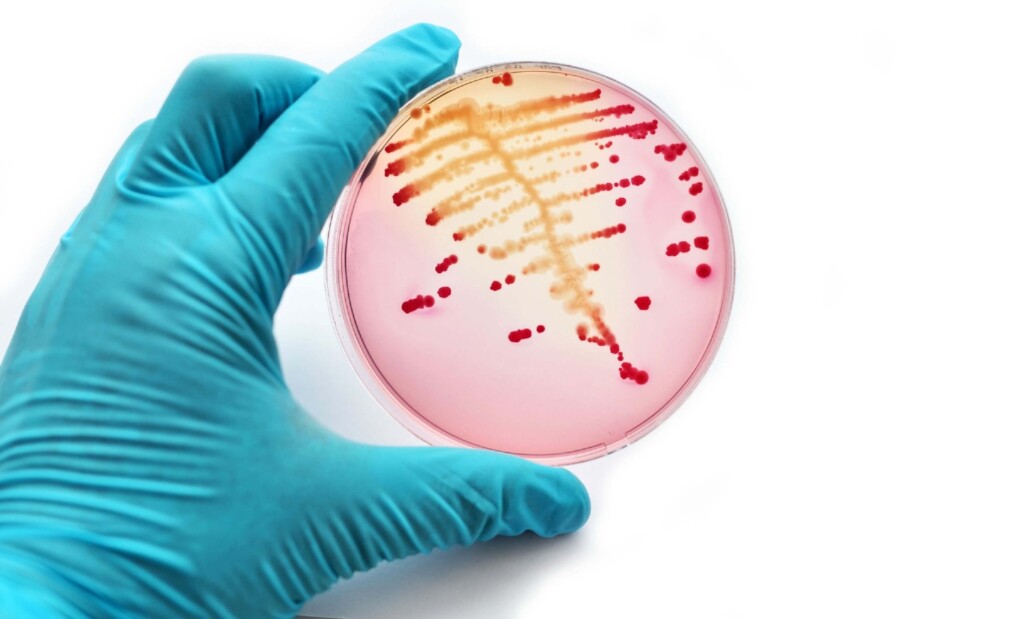
This buying guide is intended to help instructors and lab managers who are new to running a microbiology lab or program. If this is you… read on. Safety Practices What organisms will you be working with? Make sure you know the BSL number for all organisms and follow the appropriate guidelines for working with that […]
Popular Microbiology Labs

Quick Links Basic Microbiology Techniques Biochemical Test of Bacteria Medical Microbiology Food Microbiology Basic Microbiology Techniques Biochemical Test of Bacteria Medical Microbiology Food Microbiology Below is a list of popular microbiology labs and some resources that Carolina has available to help support those labs. Procedures for several of these lab activities are available in our […]