
Shark Dissection: A Jawsome Experience!
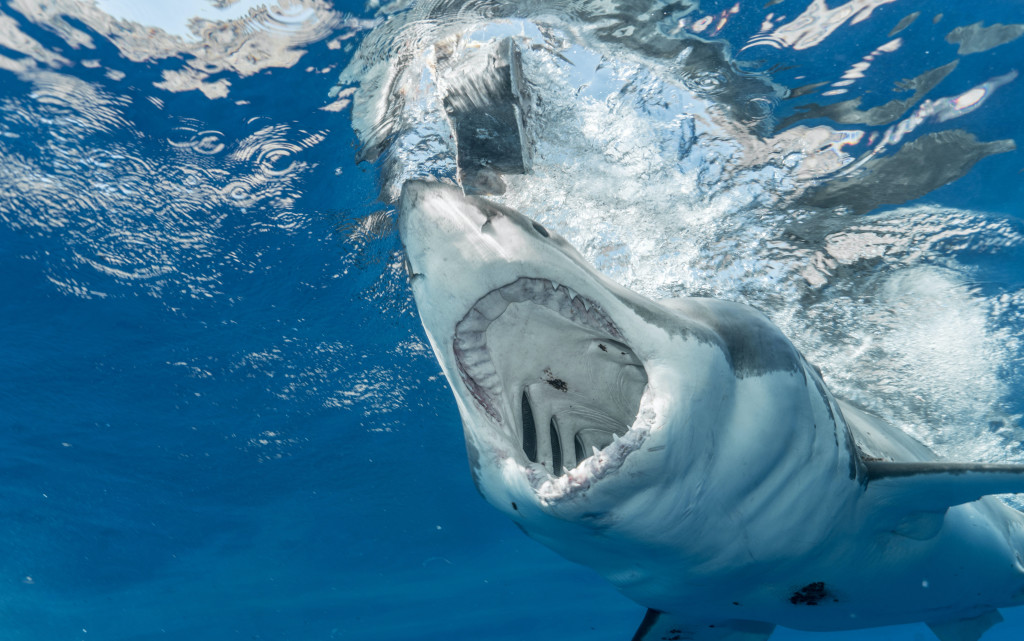
Workshop Resources Life Science 9-12 High School Dive in and learn how to create your own Shark Week! This session guides participants through a hands-on dissection of a dogfish shark. Take a bite out of Next Generation Science Standards® related to adaptations and structure and function while giving your students an experience they will never […]
Comparative Vertebrate Anatomy with Carolina’s Perfect Solution® Specimens

Workshop Resources Life Science 9-12 High School Explore animal diversity by comparing anatomical adaptations of the pig, rat, dogfish, and frog. Participants use hands-on dissection to identify characteristics of these popular vertebrates. This is an excellent comparative dissection activity featuring our very best Carolina’s Perfect Solution® specimens. NGSS Scientific and Engineering Practice: Developing and Using Models […]
AUTOPSY: Forensic Dissection Featuring Carolina’s Perfect Solution® Pigs
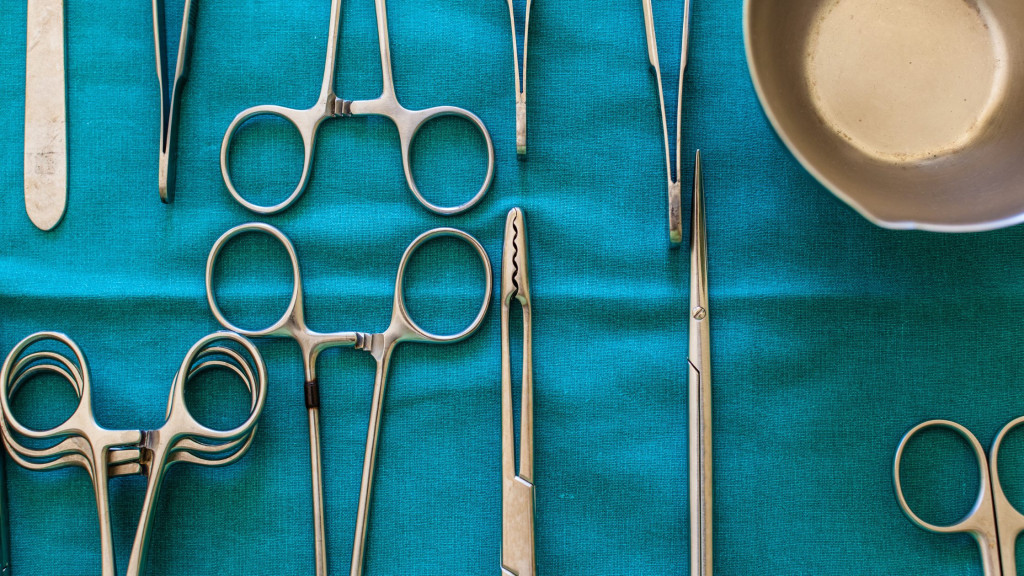
Workshop Resources Life Science 9-12 High School Are you ready for a forensic dissection activity that is on the cutting edge? Engage students and revitalize your instruction of mammalian structure and function with a “real” classroom autopsy! Participants dissect a Carolina’s Perfect Solution® pig by modeling the protocols of a forensic pathologist. NGSS Scientific […]
Carolina’s Young Scientist™ Dissections with Carolina’s Perfect Solution® Specimens

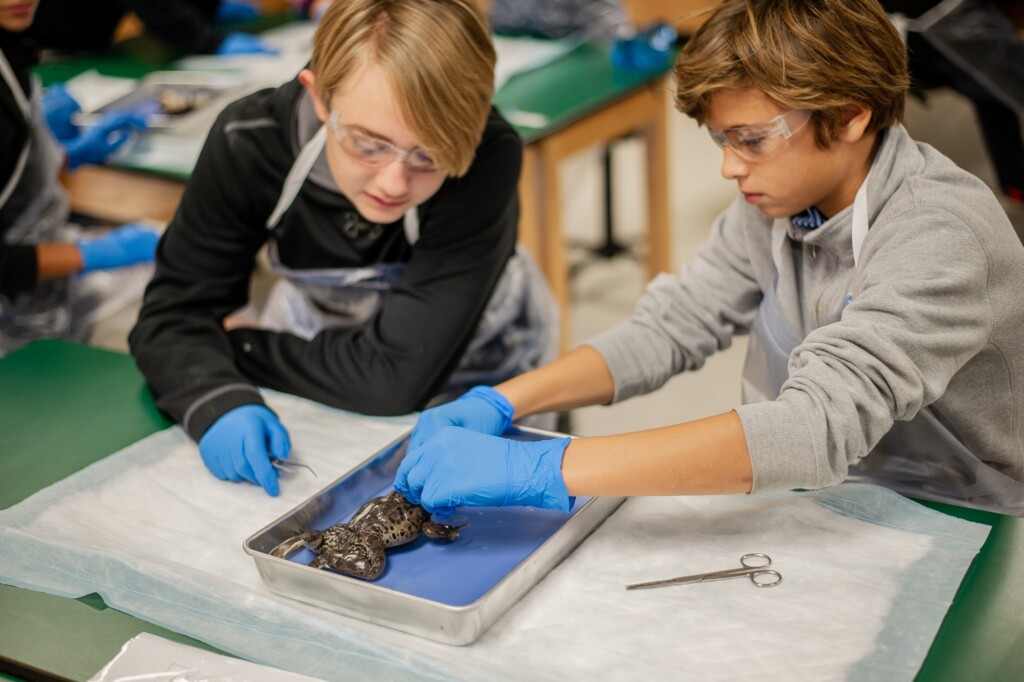
Workshop Resources Life Science K-8 Elementary / Middle School Transform your students into young scientists when you bring these simple hands-on dissections to your classroom! We will guide you through the dissections of a squid and a frog, promoting classroom discussions of easily observable adaptations and the relationship between structure and function. NGSS Scientific and […]
Top-Selling Models by Body System
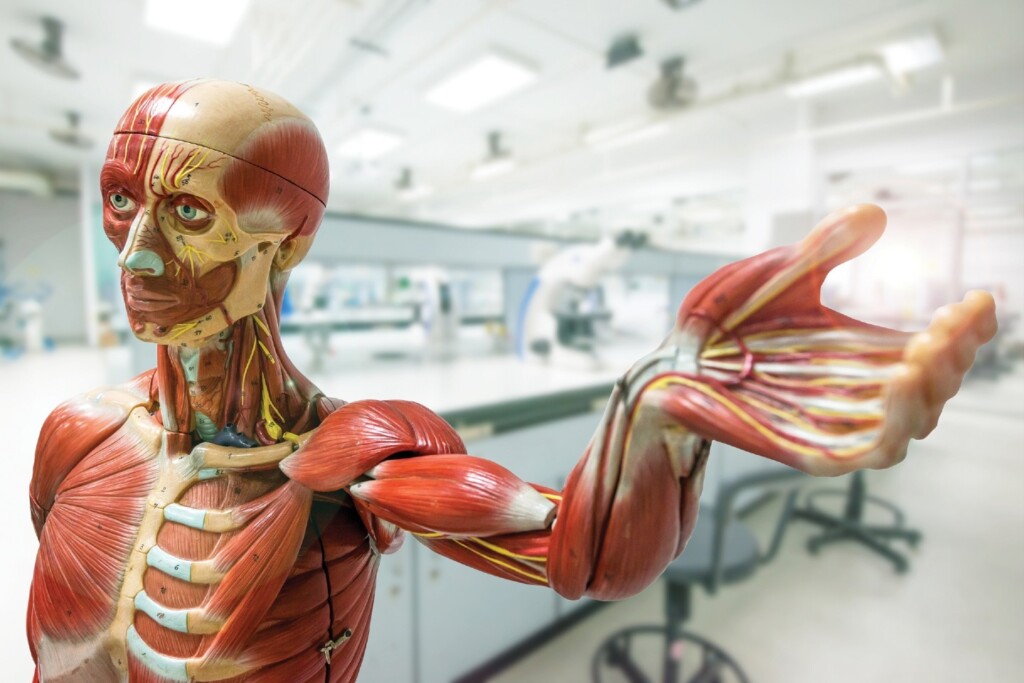
Anatomy and physiology courses benefit greatly from the use anatomical models and skeletons. Quality models show detailed morphology of organs and complete body systems. Models simplify the identification of anatomical structures, organ positioning within the body cavity, and the relationship between structure and function. Many models can be disassembled, allowing students to explore internal structures. Additionally, they are an excellent reference tool for identifying small and indistinct structures.
Body Systems

human body systems Bring science to life in your classroom with FREE, ready-to-use resources for teaching human body systems.Simply hover over the system you want to explore, and click to dive in! Each body system includes: • A visually engaging introductory infographic • A hands-on activity or informative article • A printable graphic organizer to […]
Developing and Analyzing Urine Samples as a Model of Kidney Function
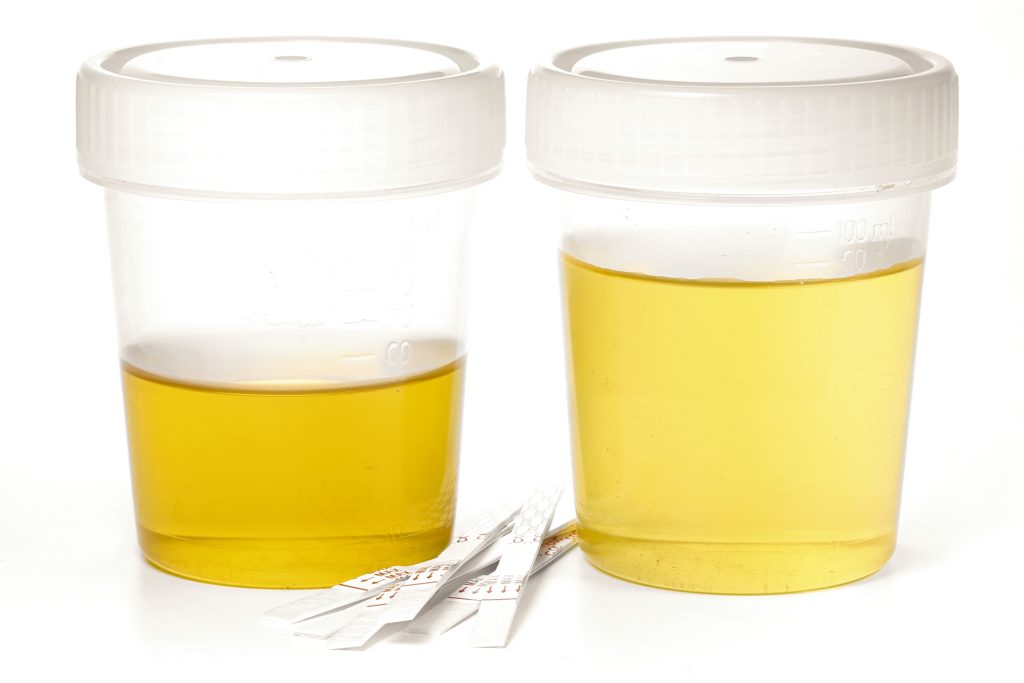
Abnormal urine composition often indicates disease or infection. Diabetes is often diagnosed after a patient has a positive test for glucose in the urine. Diabetes is the result of an inability to absorb glucose from the blood. The body compensates for these elevated blood glucose levels by filtering the glucose out through the kidneys; the excess glucose exits the body through the urine.
Carolina’s Perfect Solution® Specimen Comparison
No need to compromise What if you could provide your students with a higher quality preserved specimen and an enhanced dissection experience while at the same time improving the safety of your learning environment? Does this sound too good to be true? We have developed a preservation formula that produces superior specimens without compromising classroom […]
Using Histology Slides to Enhance Mammalian Dissection

There are 4 main types of tissue: epithelial, muscle, nervous, and connective. Each type has a particular function and can be found to some degree in most organs. In order to understand the structure and function of each type of tissue, it is important to view them microscopically. Many tissues viewed with the naked eye […]
Synthetic Blood

Carolina® Synthetic Blood has several advantages over other suppliers’ products, which usually depend on chemical reactions producing insoluble salts that precipitate from solutions. These products do not give visually realistic results. In actual blood typing, red blood cells form clumps (the agglutination reaction) that separate from the blood plasma. When mixed the appropriate synthetic antiserum, Carolina® Synthetic Blood forms clumps in the same way, for a realistic blood typing result. It’s the closest to authentic blood typing that you can get without using real blood.