Teaching Hardy Weinberg in the Classroom
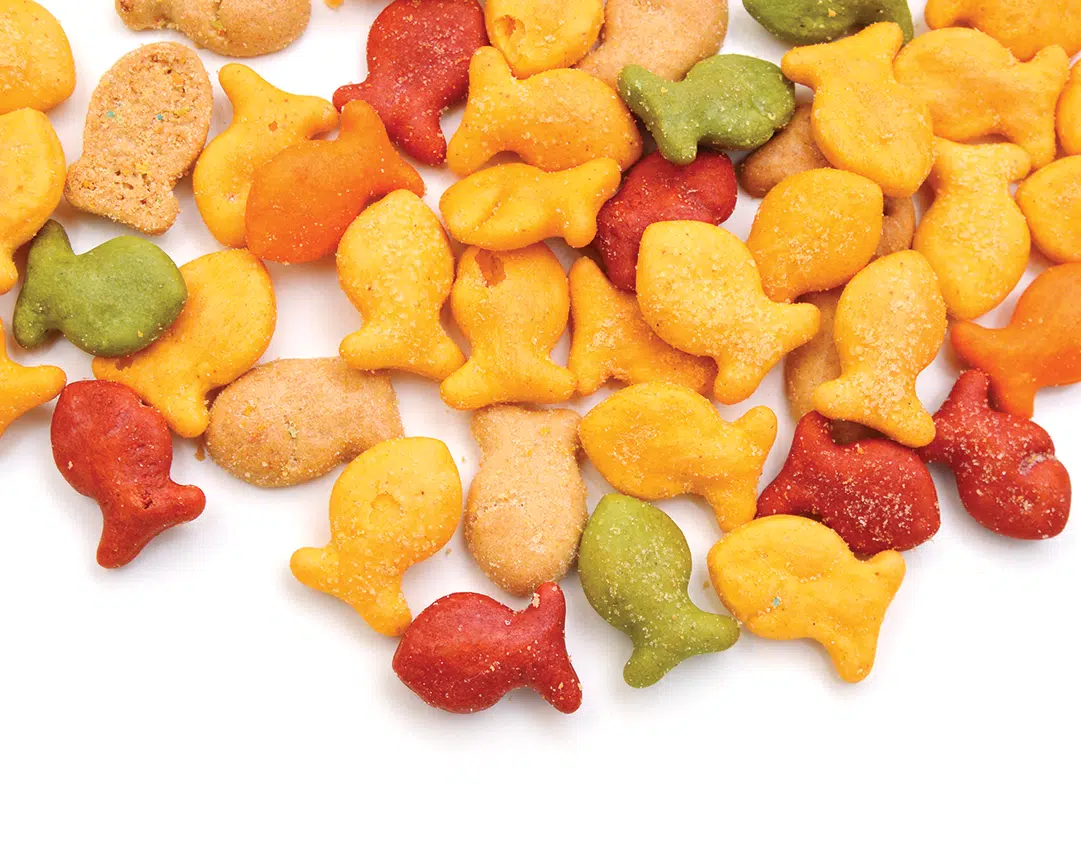
15 minutesPrep Time 45-60 minutesClass Time Materials 2 bags of cheese Goldfish® Crackers 2 bags of pretzel Goldfish® Crackers Plates

15 minutesPrep Time 45-60 minutesClass Time Materials 2 bags of cheese Goldfish® Crackers 2 bags of pretzel Goldfish® Crackers Plates

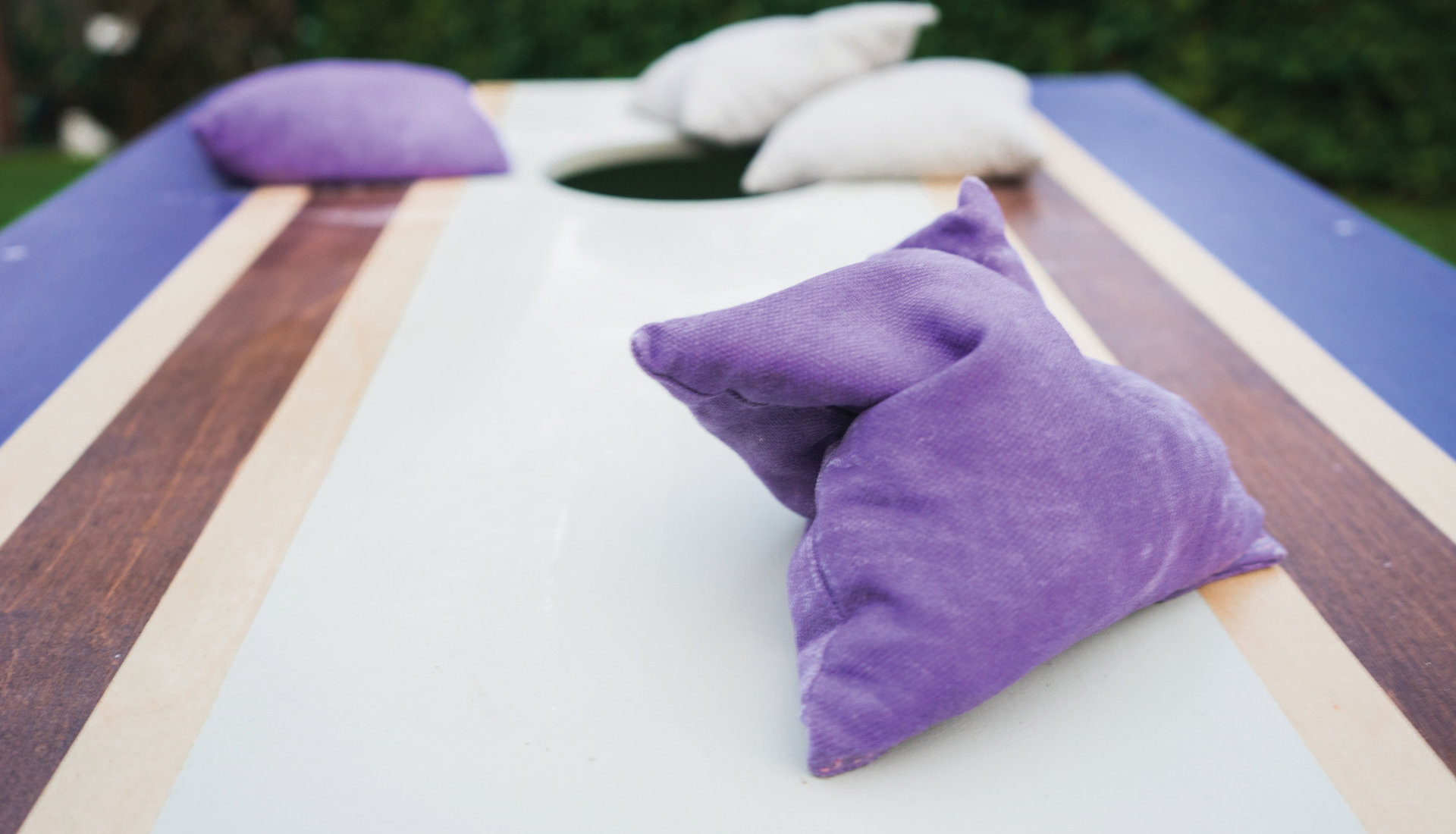
10 minutesPrep Time 30-45 minutesClass Time Materials (per group) 8 Bean Bags (4 each of 2 colors) Paper, 35 ×

10 minutesPrep Time 30 minutesClass Time Materials 1 Balloon (round) 2 Permanent Markers (different colors; visible when applied to balloons)

CAROLINA LABSHEETS Save to Library Save to Library Quick Links Close Quick Links Open Quick Links Overview Needed Materials Optional

CAROLINA LABSHEETS Save to Library Save to Library Quick Links Close Quick Links Open Quick Links Overview Needed Materials Optional

CAROLINA LABSHEETS Save to Library Save to Library Quick Links Close Quick Links Open Quick Links Overview Needed Materials Optional

CAROLINA LABSHEETS Save to Library Save to Library Quick Links Close Quick Links Open Quick Links Overview Needed Materials Optional

CAROLINA LABSHEETS Save to Library Save to Library Quick Links Close Quick Links Open Quick Links Overview Needed Materials Optional

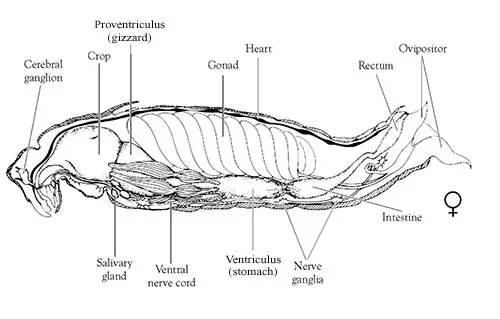
Insects are the most diverse class of animals on the planet with over 1 million named species. Scientists estimate that there are millions more species to be classified. Preserved grasshoppers, from the order Orthoptera, are excellent specimens to explore basic insect anatomy. The lubber grasshopper (Romalea) is often used because it is large and readily available. Like many grasshopper species, it is an agricultural pest.

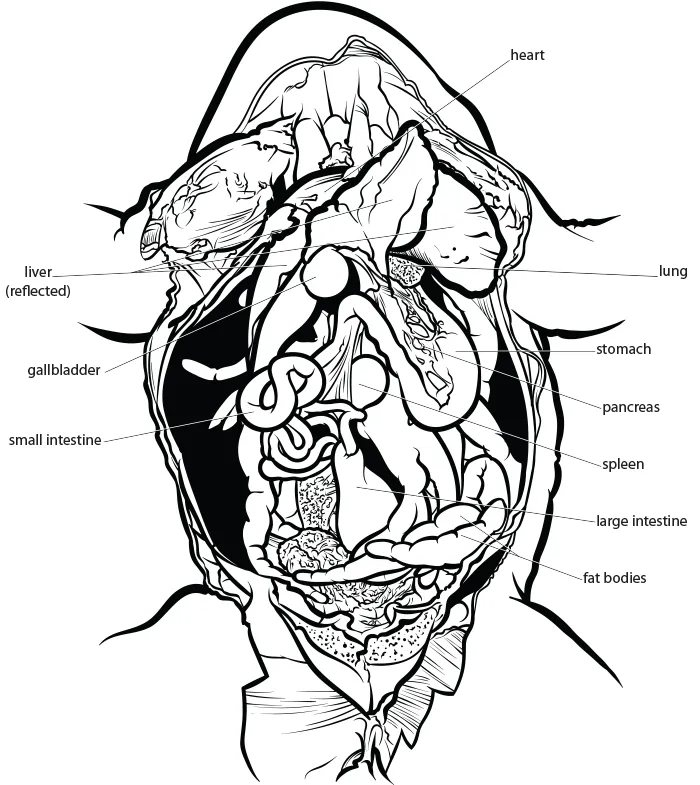
The dissection of preserved frogs is an engaging introduction to vertebrate anatomy and mature body systems. Exploring the anatomy of the frog allows discussions about adaptations and how anatomical structures are related to their functions. This activity can be performed by a range of students, from elementary school students who are just learning about body systems to college students who are studying comparative anatomy. The dissection is simple, only requiring dissecting scissors, and can be completed in 1 or 2 class periods depending on your preference.

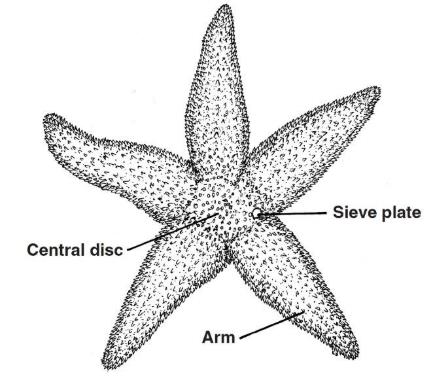
Sea stars, or starfish, are popular dissection specimens for studying the distinctive anatomy of echinoderms. Known for their radial symmetry, tube feet, and water vascular system, these marine invertebrates are an ideal way to connect structure and function in your lab!

Pigs are excellent and engaging specimens for studying mammalian anatomy. They exhibit hair, a muscular diaphragm, a 4-chambered heart, and mammary glands. Middle school students can use preserved pigs to begin their exploration of human body systems and structure and function. Advanced high school biology or anatomy and physiology students can use pig anatomy as an explanatory model for human anatomy, both internally and externally.

In Booth Demo Life Science 6-12 Middle / High School Imprint your science expertise on the topic of dactyloscopy, the

CAROLINA LABSHEETS Quick Links Close Quick Links Open Quick Links Overview Needed Materials Optional Safety Procedures FAQs Overview Needed Materials

In Booth Demo Interdisciplinary Science 6-12 Middle / High School Inspire your students’ curiosity about the world around them through

A CAROLINA ESSENTIALS INVESTIGATION Save to Library Save to Library Total Time Prep: 15 mins Activity: 5 mins Physical Science,

Think you don’t have enough time for students to observe the results of selection pressure on plant populations in

Workshop Resources Life Science 6-12 Middle / High School Dissect several mammalian organs and explore links between anatomy and physiology.
Get the latest news, free activities, teacher tips, product info, and more delivered to your inbox.