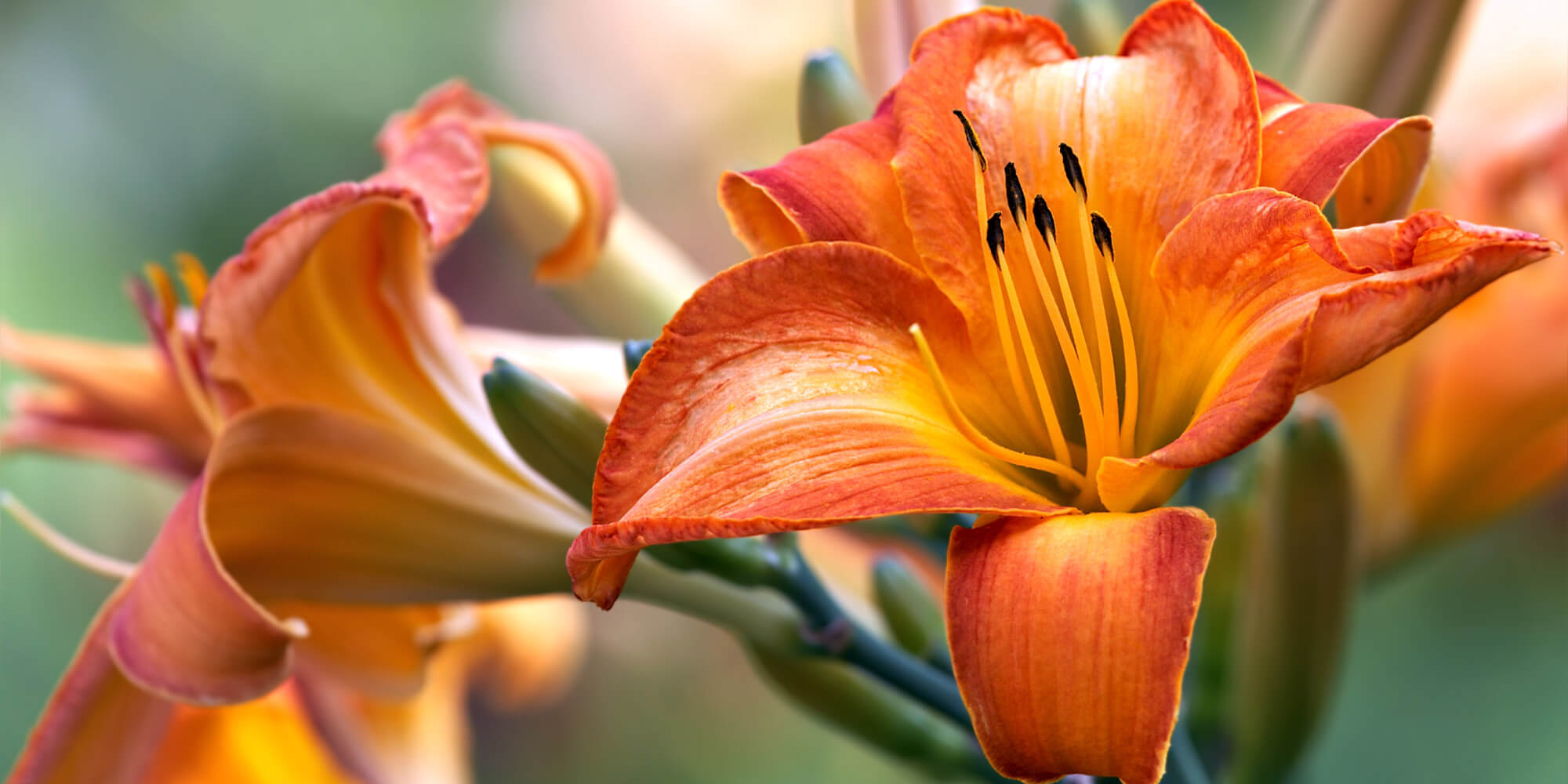
Flower Morphology Dichotomous Keys and a Crime to Solve
This Forensics for the Biology Laboratory activity, based on our popular “Flowers for Freddy” Forensics Kit, introduces students to flower morphology and gives

This Forensics for the Biology Laboratory activity, based on our popular “Flowers for Freddy” Forensics Kit, introduces students to flower morphology and gives
Home Save to Library Save to Library share 15 minutesPrep Time 45-60 minutesClass Time Materials Demo 1 Clear Plastic Bottle
Introduction Use unicellular organisms to demonstrate essential cellular processes such as molecular transport, reproduction, protein synthesis, metabolism, and cell signaling.
Introduction We innately explore, observe, question, and experiment to understand our environment. Children demonstrate this propensity at an early age
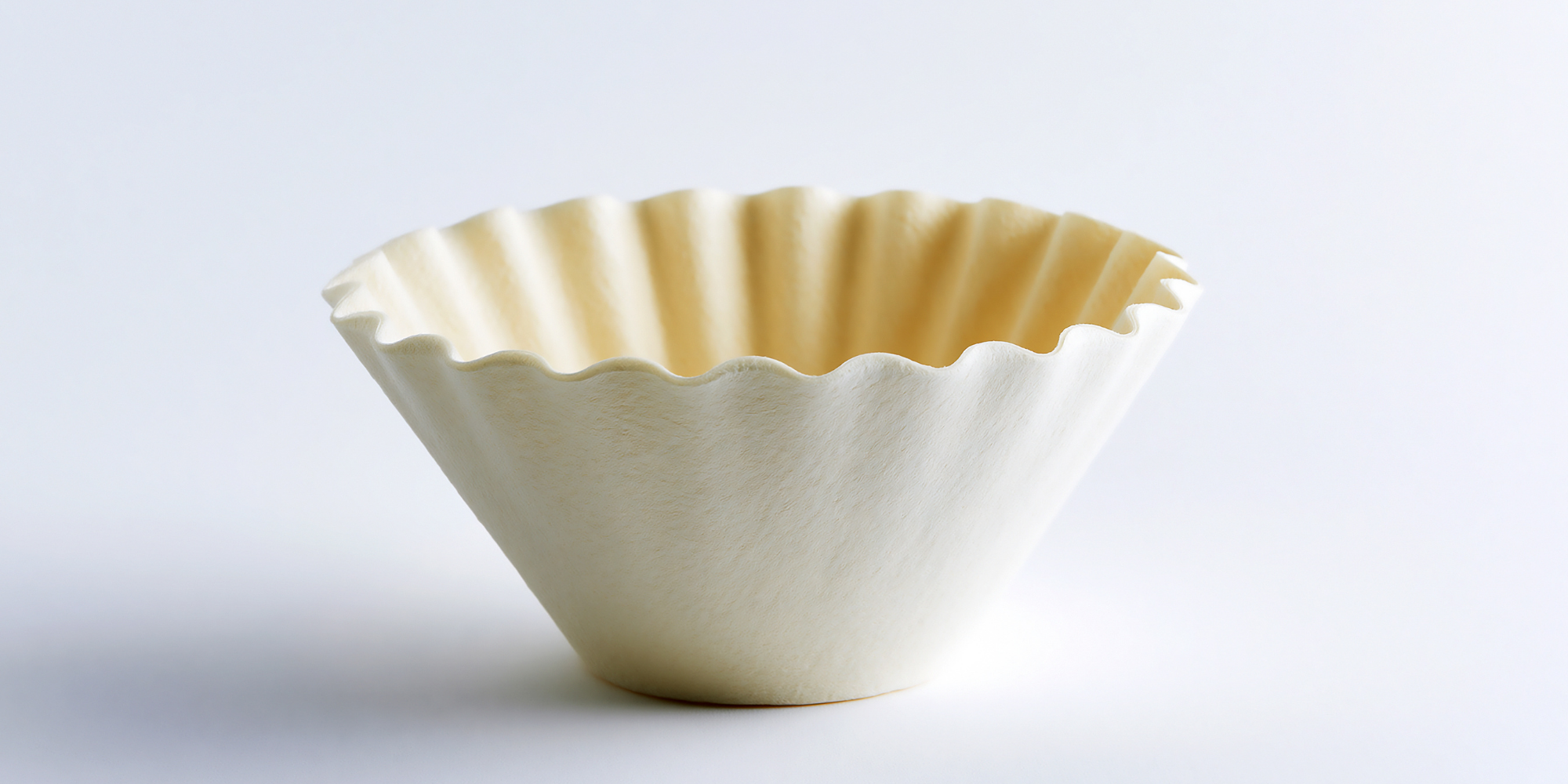
Home Save to Library Save to Library share 15 minutesPrep Time 45-60 minutesClass Time Materials 6 to 10 Coffee Filters
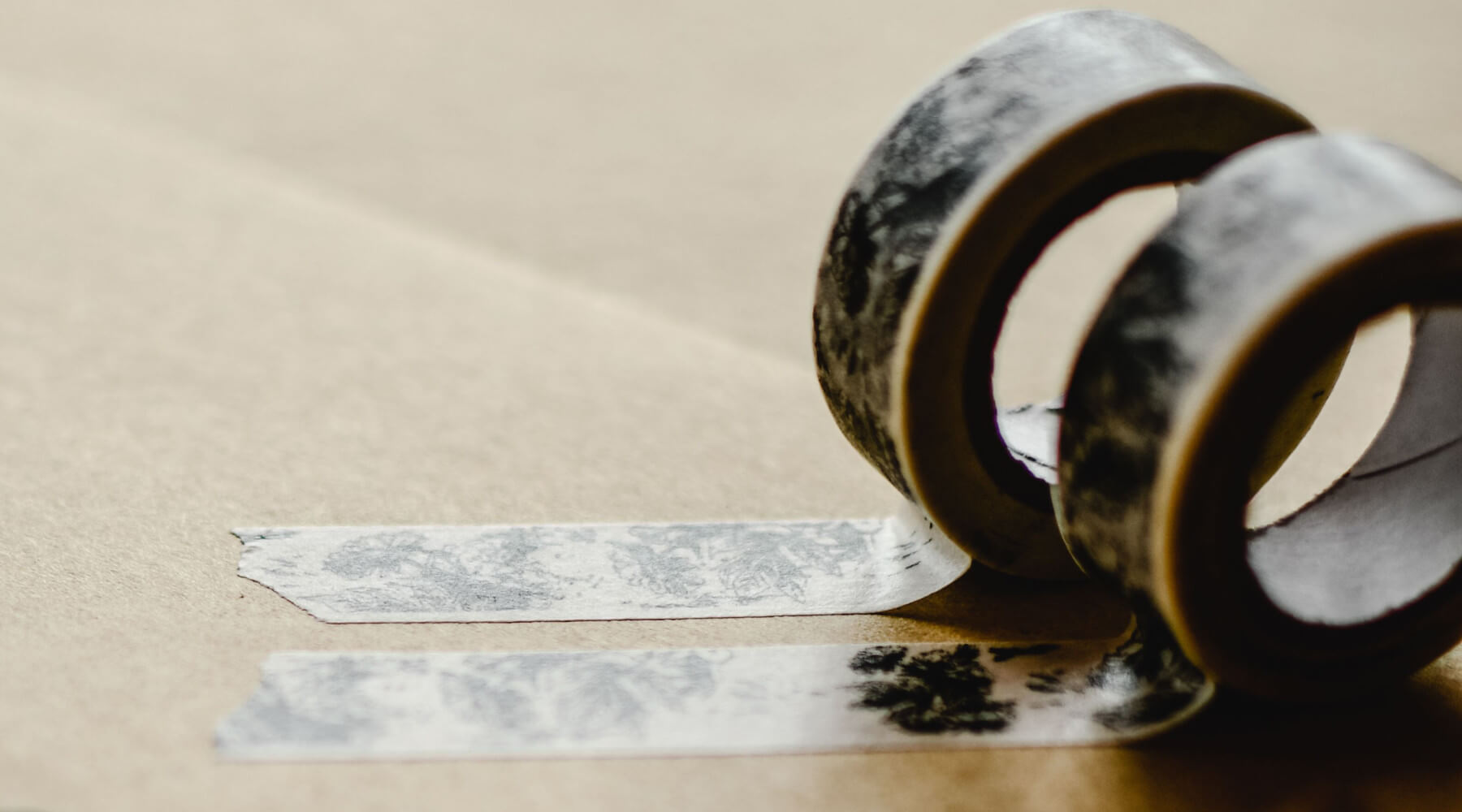
Home Save to Library Save to Library share 15 minutes Prep Time 45-60 minutes Class Time Materials Clear Adhesive Tape

15 minutesPrep Time 45-60 minutesClass Time Materials Blank Paper or Card Stock (11 for each group) Thick Marking Pen Calculators
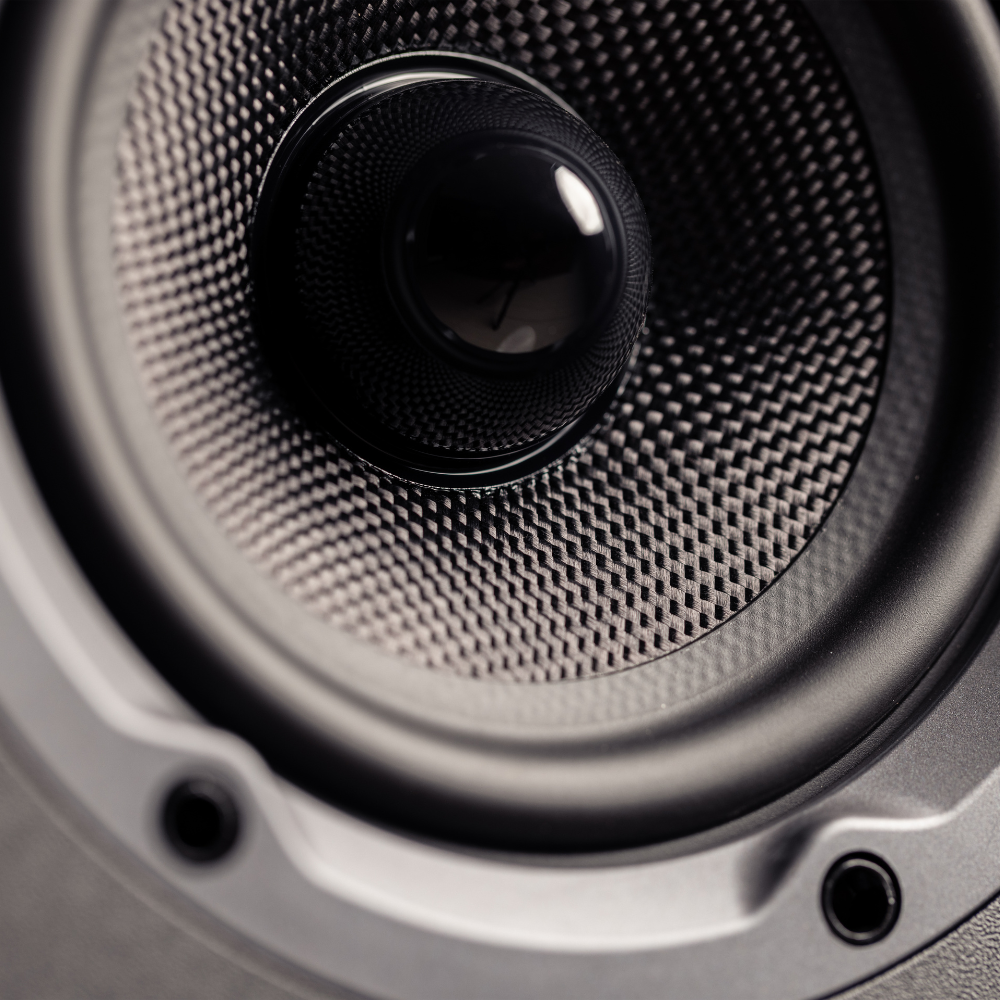
15 minutesPrep Time 45-60 minutesClass Time Materials Earphone Plug (3-1/2 mm, 1/8″) 2 Alligator Clips 2 Pieces of #22 Insulated
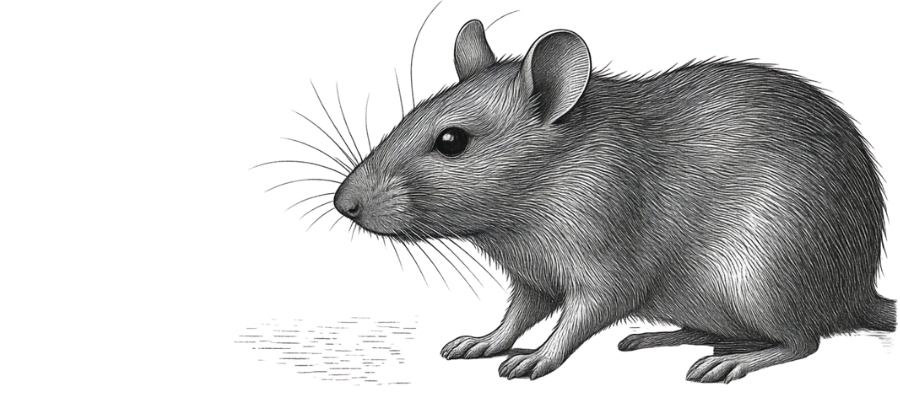
Materials Carolina Rat Dissection BioKit® Dissection Tray Pair of Disposable Gloves Safety Glasses Dissecting Instruments (Intermediate Dissecting Set 1) Introduction
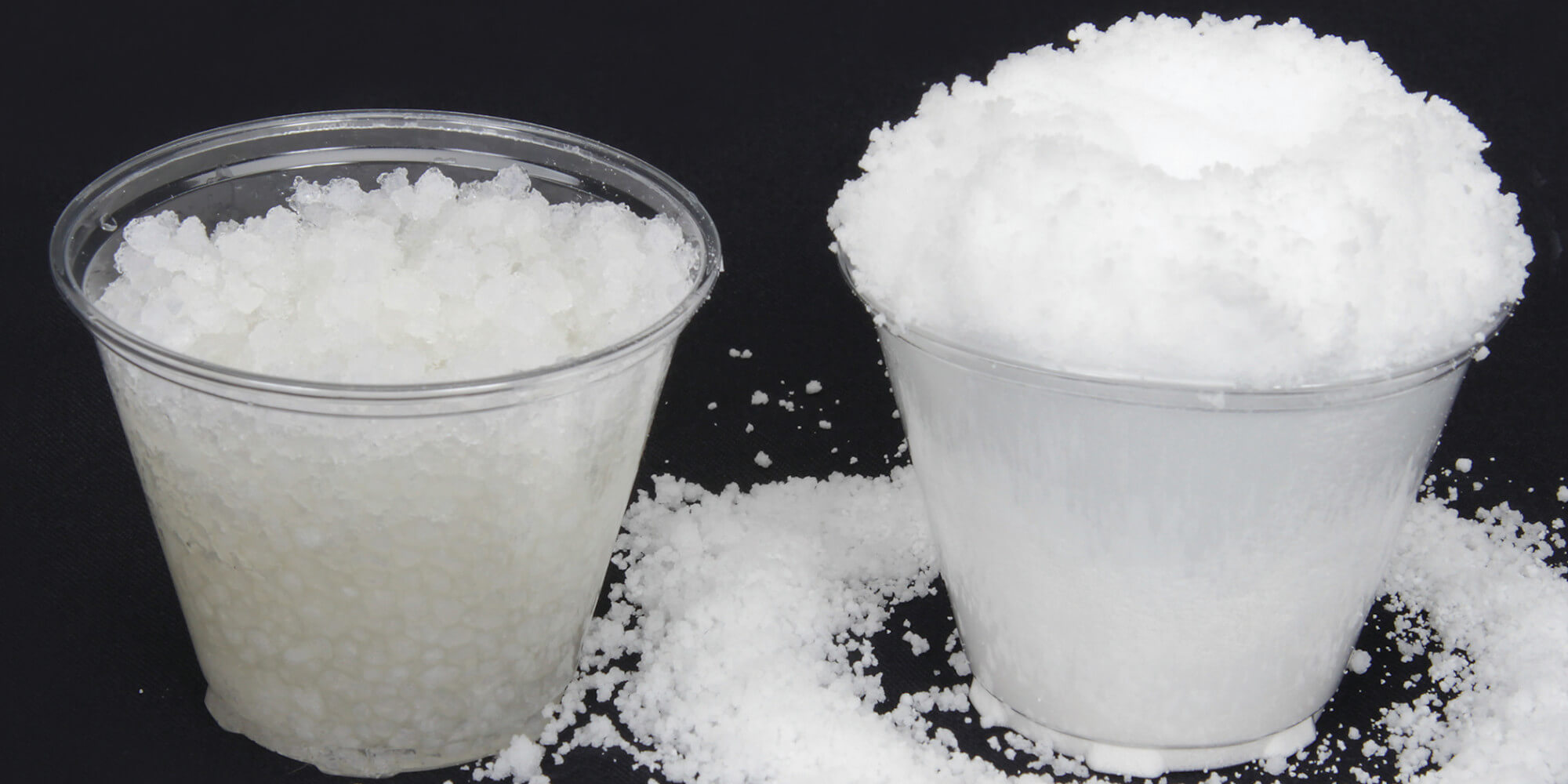
15 minutesPrep Time 45-60 minutesClass Time Materials Sodium Polyacrylate, 1 spoonful Polyacrylamide, 1 spoonful Resealable Plastic Sandwich Bags Graduated Cylinder,
Are you looking for inexpensive chemistry activities? Look no further than your office supply cabinet. Paper clips are a great
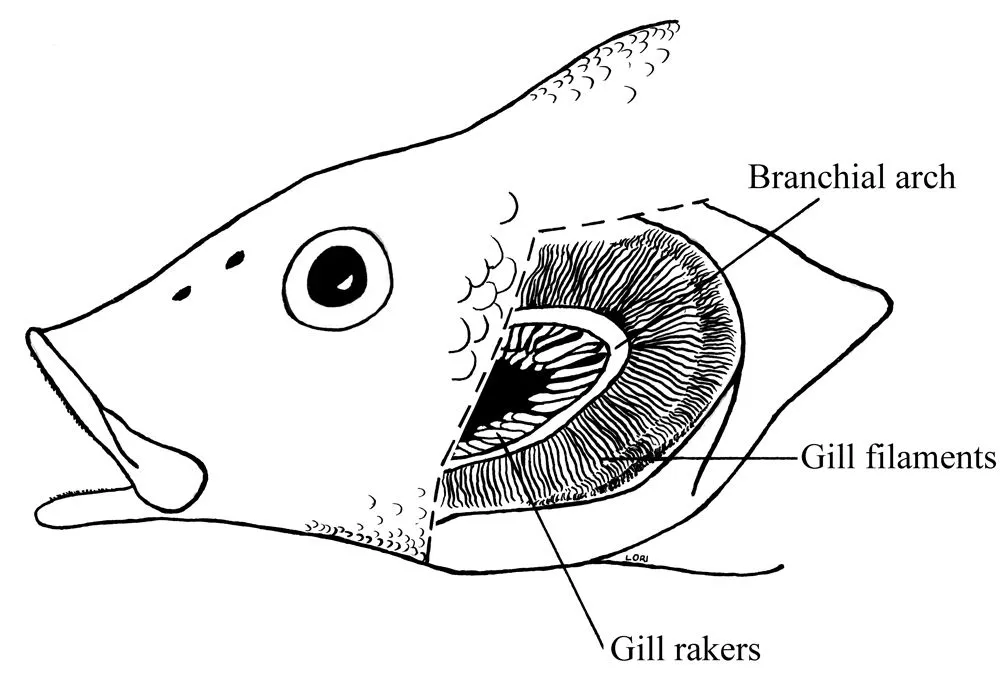
The dissection of preserved frogs is an engaging introduction to vertebrate anatomy and mature body systems. Exploring the anatomy of the frog allows discussions about adaptations and how anatomical structures are related to their functions. This activity can be performed by a range of students, from elementary school students who are just learning about body systems to college students who are studying comparative anatomy. The dissection is simple, only requiring dissecting scissors, and can be completed in 1 or 2 class periods depending on your preference.
15 minutesPrep Time 45-60 minutesClass Time Materials Plastic Tub Laboratory Thermometer, –20 to 110° C Beaker Tongs Safety Goggles 7
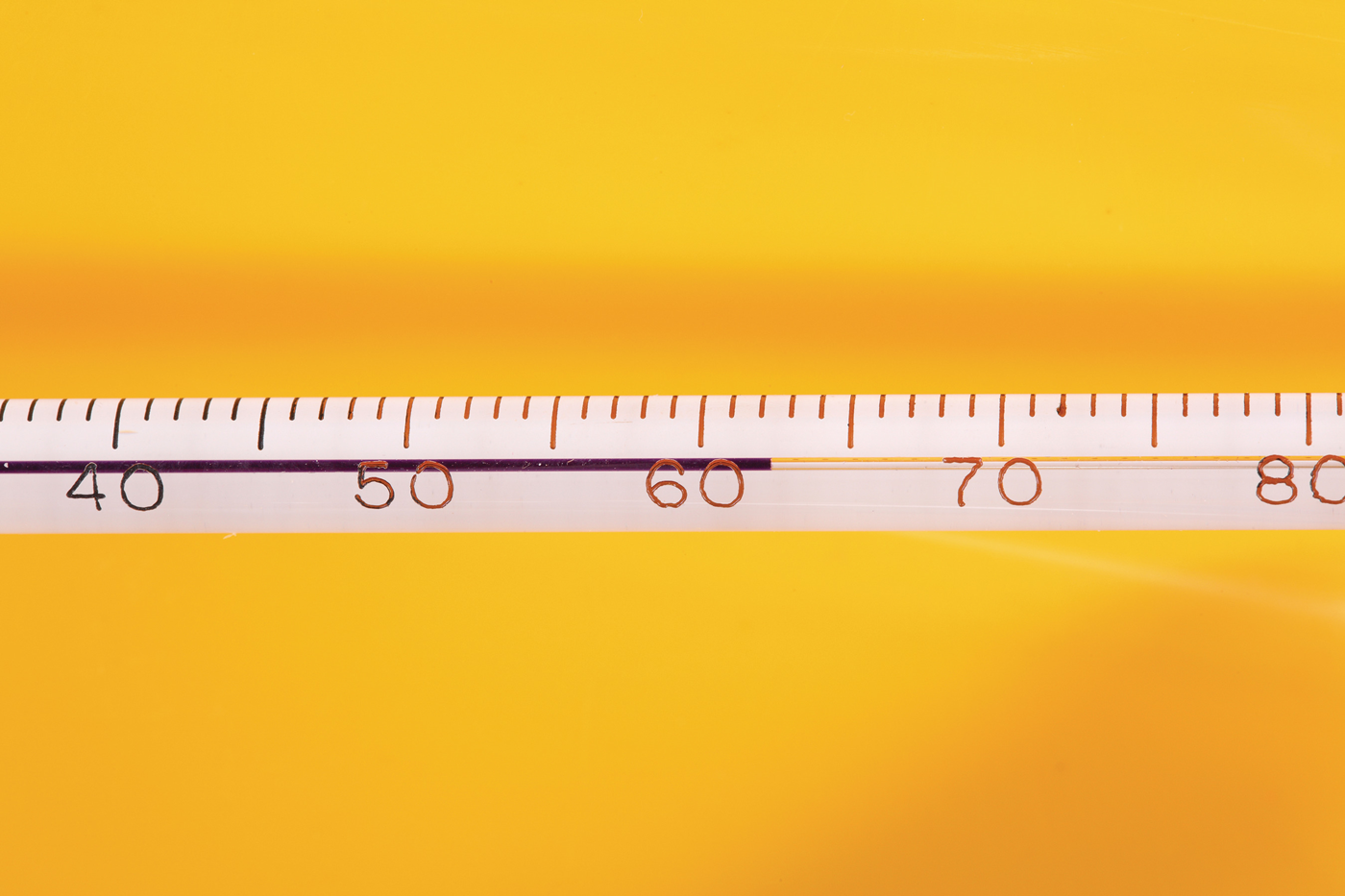
Materials Gloves Goggles Bunsen Burner (for heating method only) Test Tube Rack or Thermometer Storage Rack Dry Ice (for cooling
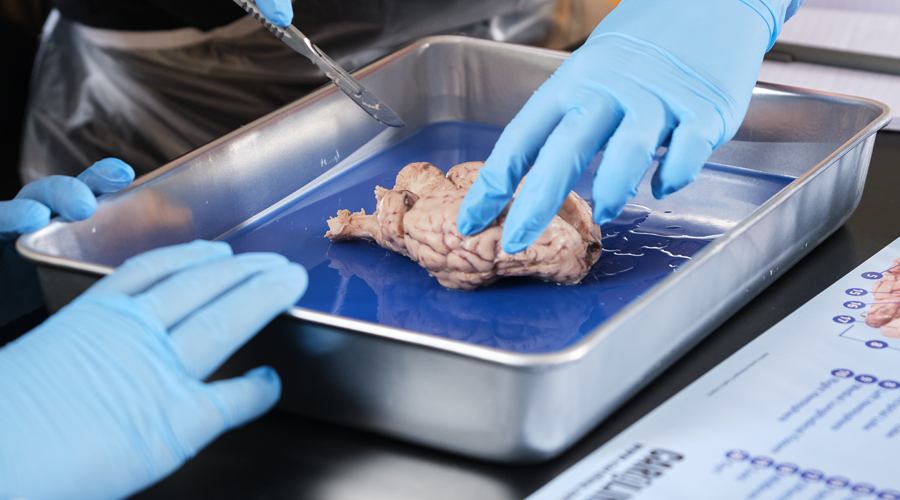
CAROLINA DISSECTION GUIDES Save to Library Save to Library Introduction The body consists of organ systems, each with specific roles
Introduction The triboelectric series will give you a starting point for finding out what combination of materials provides a good result

20-25 minutesPrep Time 35-45 minutesClass Time Materials H2 and O2 Cylinders (usually ordered annually by schools) Permanent Markers 4 Balloons
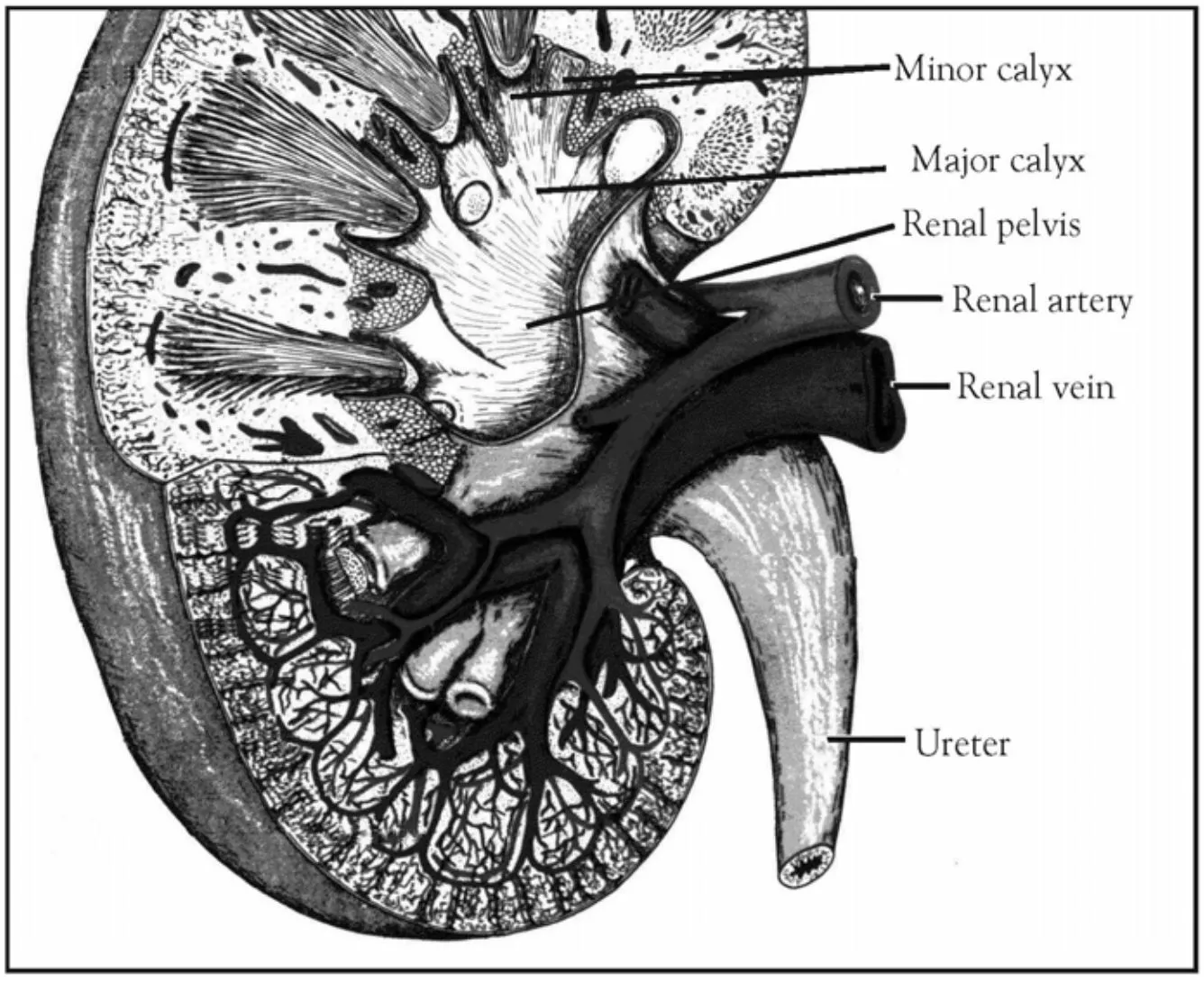
Mammalian kidneys are part of the urinary system, functioning with the ureter, urinary bladder, and tubular urethra. These organs remove unwanted cellular waste, excess salts, and toxins from the blood. The kidneys play a part in regulating water balance and pH levels in the mammalian body. They also help regulate blood pressure and red blood cell production. Dissecting a kidney allows you to trace the path of wastes and urine through the organ and better understand its function.