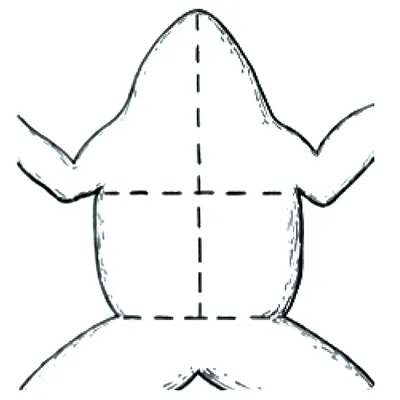
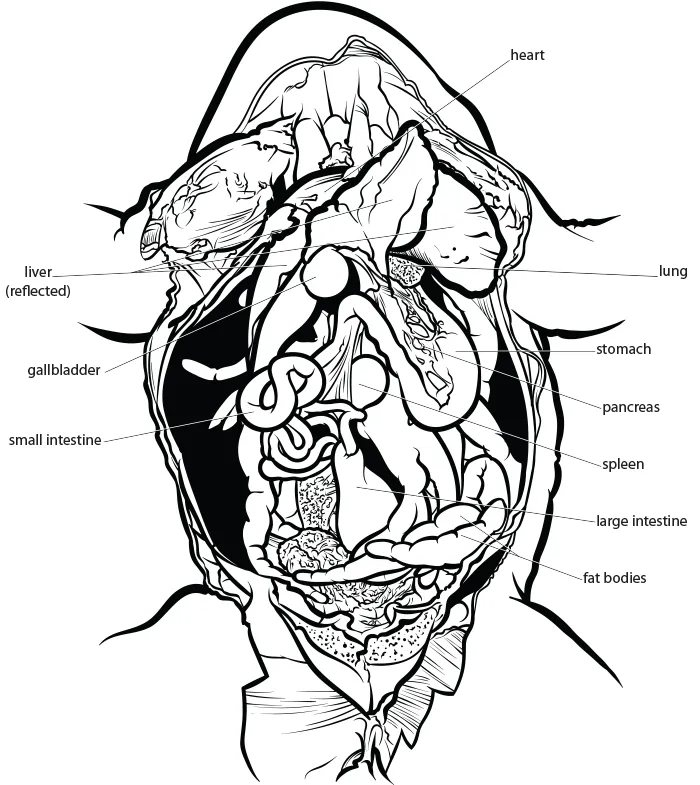
Frogs are excellent model organisms for scientific studies of development, behavior, anatomy, and physiology. They are commonly used in biology classes as representative vertebrates with specialized amphibian characteristics and behaviors.
The dissection of preserved frogs is an engaging introduction to vertebrate anatomy and mature body systems. Exploring the anatomy of the frog allows discussions about adaptations and how anatomical structures are related to their functions. This activity can be performed by a range of students, from elementary school students who are just learning about body systems to college students who are studying comparative anatomy. The dissection is simple, only requiring dissecting scissors, and can be completed in 1 or 2 class periods depending on your preference.
Below is a brief survey of the internal and external anatomy of the frog. For more detailed dissection instructions and information, check out Carolina® dissection kits.




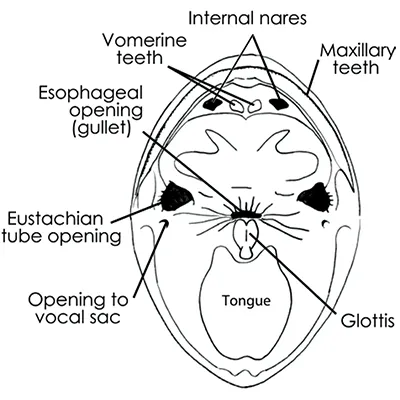 Obtain a preserved frog and place it on your dissecting tray, dorsal surface up.