Every cell controls what comes in and what goes out.
Every cell controls what comes in and what goes out.
Develop and use models to explain how selectively permeable membranes regulate the movement of water and solutes.
Determine how changing environmental conditions affect water movement and cellular homeostasis.
Predict how concentration gradients and membrane permeability affect the net movement of substances.
Use evidence to explain how membrane transport helps cells and organisms maintain stable internal conditions.
Describe membrane structure and selective permeability.
Predict molecular movement along concentration gradients.
Explain isotonic, hypotonic, and hypertonic conditions.
Collect and interpret quantitative transport data
All cells are bound by a selectively permeable membrane that governs the ions, small molecules, and large molecules that enter and leave the cell. Diffusion is the general process of movement down a gradient that results in equal concentrations of solutes within a liquid. When water moves across a selectively permeable membrane from lower solute concentration to higher solute concentration, it is called osmosis.
Understanding diffusion and osmosis is essential for topics within life science, biology, anatomy and physiology, microbiology, biochemistry, health sciences, and environmental science. Cells use these processes to maintain homeostasis, transport nutrients and waste products, respond to changing environments, and support essential functions. Through observation and hands-on investigations, students build transferable skills like measuring mass and volume, testing pH, collecting and analyzing data, and scientific communication. Students connect diffusion and osmosis to real-world applications like intravenous fluid therapy, kidney function, food preservation, agricultural science, and biotechnology, deepening their understanding of how these concepts apply in STEM and healthcare careers.
This guide breaks down important information students need to know, provides links to products and free digital resources, and includes suggestions for hands-on labs that reinforce student understanding and support learning outcomes.
We’ve gathered a variety of products and resources to better help you teach this concept. They include:
The cell membrane forms a barrier between the inside of cells and the outside environment. It regulates the passage of substances into and out of the cell based on concentration gradients. The membrane is made up of a phospholipid bilayer in which proteins are embedded. This is called the Fluid Mosaic Model of the cell membrane. The phospholipid bilayer allows small and non-polar molecules to pass through. The proteins serve various functions including cell recognition and bulk and active transport.
Diffusion is the movement of particles from an area of higher concentration to lower concentration to equalize concentration while osmosis is the movement of solvent particles across a semipermeable membrane from a dilute solution into a concentrated solution. As the solvent moves, the concentrated solution is diluted and the concentration on both sides of the membrane is equalized.
Transmembrane proteins span the entire plasma membrane and function to regulate the transport of specific molecules across the membrane, either by providing channels for molecules to move along the concentration gradient (bulk transport) or by using energy in the form of ATP to actively move molecules.
Investigating cell membranes, diffusion, and osmosis is an excellent topic for building foundational skills such as measuring mass and volume, testing pH, calibrating pH meters, and serial dilution. Our lab skills series equips your students with techniques crucial to their success with free how-to videos, infographics, and classroom posters to support all learning styles. Explore our resources below.
| TOPIC | Higher Ed | K -12 |
|---|---|---|
|
Microscopy |
|
|
|
Modeling |
|
|
|
Measuring |
|
|
|
Drawing |
|
|
|
Analyzing Data |
|
|
|
Ratios |
|
|
|
Designing Experiments |
|
|
Build deeper understanding and comprehension of cell membranes, diffusion, and osmosis with hands-on activities that place key concepts at students’ fingertips.
These activities introduce students to foundations in cell membranes, diffusion, and osmosis, building a base for future concepts.

Explore the processes of osmosis and diffusion using a semipermeable model of the cell membrane.
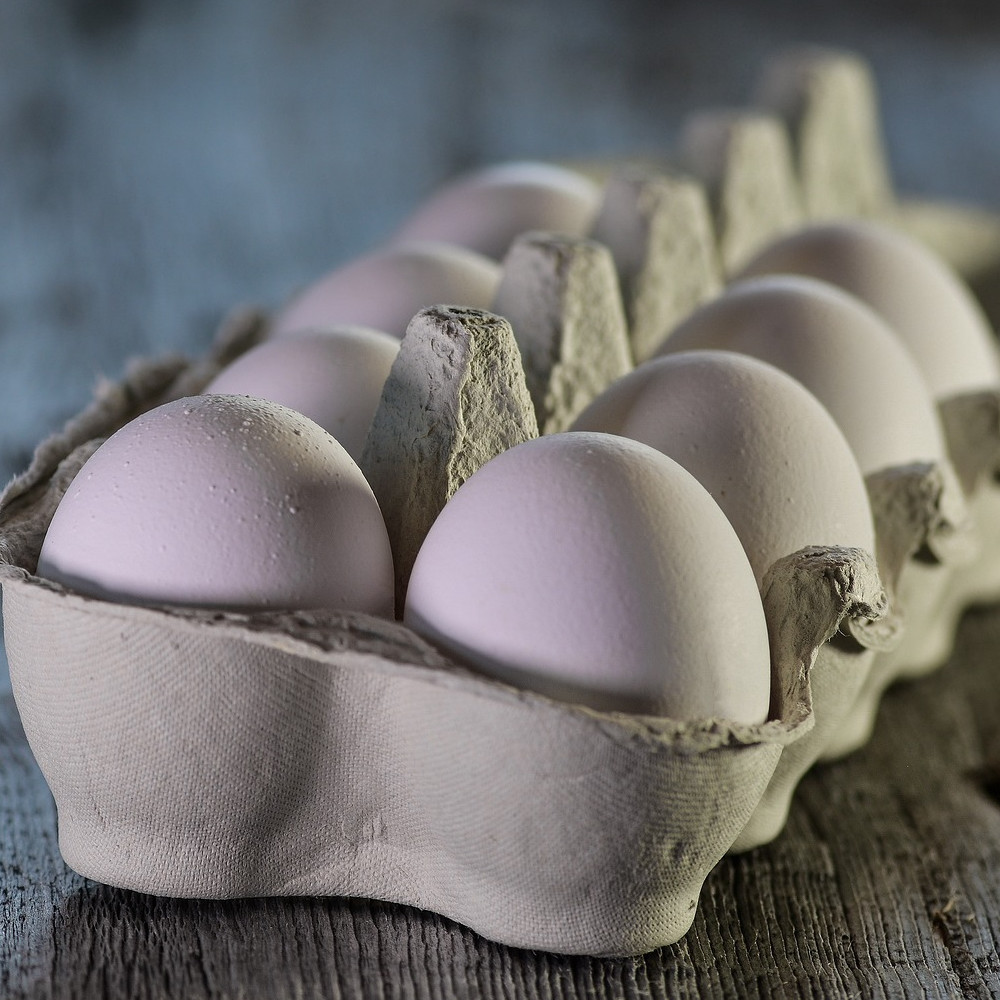
Water passes into and out of cells by a special type of diffusion called osmosis. Osmosis is the diffusion of water molecules across a selectively permeable membrane from an area of higher water concentration to an area of lower water concentration.
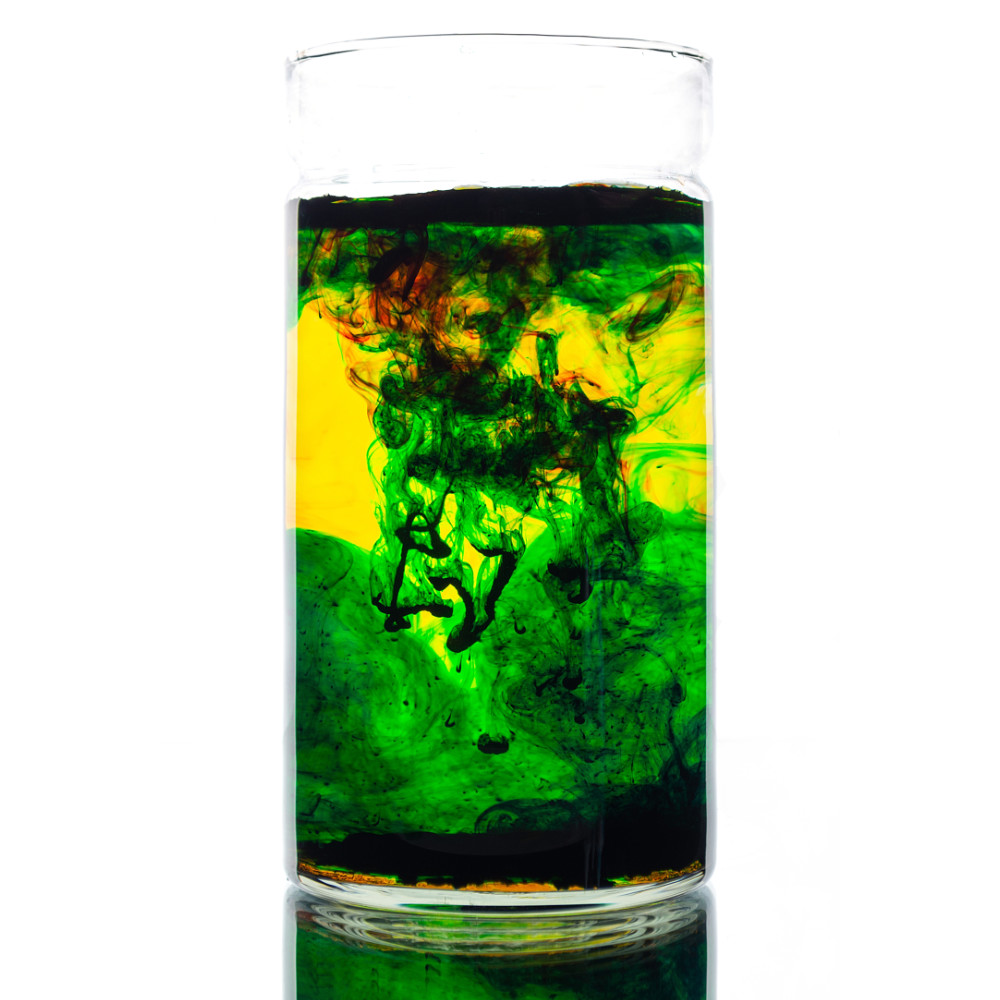
In this experiment, sealed dialysis tubing containing a test solution of albumin, glucose, sodium chloride, and starch is placed in a cup of distilled water.
These advanced activities help students build on the foundations covered in earlier lessons.

Students explore how cell volume and surface area, molecule size, and concentration affect osmosis and diffusion.
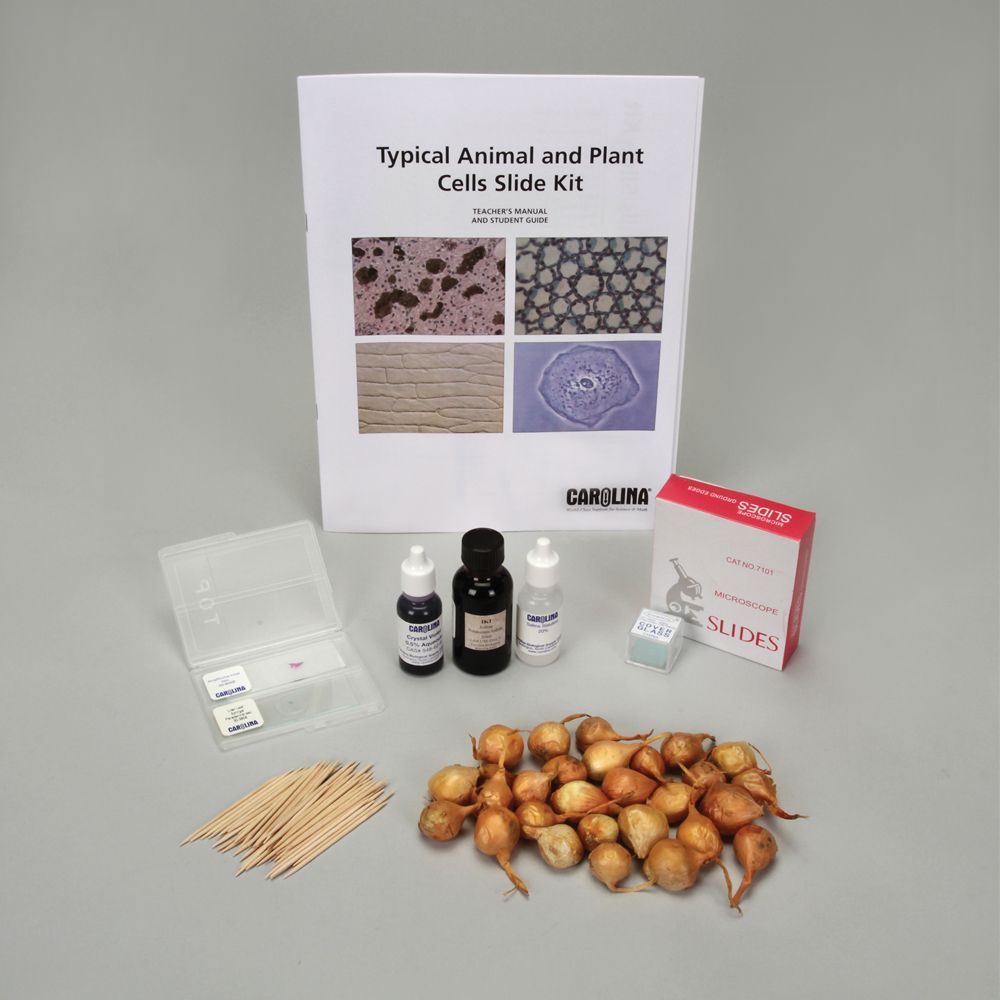
This kit demonstrates the typical similarities and differences between animal and plant cells. Students prepare slides of their own cheek cells and an onion bulb epidermis.
Through hands-on investigations, students examine how molecule size, solute concentration, and membrane permeability affect transport across membranes while also discovering how cell size and surface area-to-volume ratio influence the efficiency of diffusion. By analyzing data, constructing explanations, and applying scientific reasoning to real-world biological examples, students gain a deeper understanding of the relationship between cell structure, transport processes, and the ability of cells and organisms to maintain life-sustaining functions.

Give your students a simple way to perform osmosis and diffusion experiments with this kit. Students use Carolina® Osmosis Chambers (item #684270) and nanofiltration membranes that allow water molecules to pass through but not larger molecules, such as sugars.

In this series of investigations, students use an osmosis chamber to investigate how water moves across the cell membrane and how that movement helps cells maintain homeostasis.

Students use dialysis tubing and solutions to study the movement of materials across a semipermeable membrane by diffusion and osmosis.
High-quality, detailed models are a tactile way that students can observe and interact with cell membranes, diffusion, and osmosis. Carolina’s wide selection of models and manipulatives lets students learn through touch and close observation.

Students explore the chemical structure of a phospholipid and then construct a phospholipid monolayer, a micelle, and a bilayer, leading to an understanding of the plasma membrane structure.

Students build a simple model of the renal artery, renal vein, glomerulus, and nephron to simulate kidney filtration and learn about the process of excretion.

Using the DNA Structure 3-D Model Kit, your students make base pairs and combine them to make a model of the DNA double helix.
Engage students in hands-on labs with LabSheets, supplement your instruction with handouts and infographics, gain and share scientific insights with Timeless Tips, and streamline your preparation with shopping lists and buying guides.
Engage students in hands-on labs with LabSheets, supplement your instruction with handouts and infographics, gain and share scientific insights with Timeless Tips, and streamline your preparation with shopping lists and buying guides.
The understanding of membranes is essential to understanding the chemical and energetic processes involved in photosynthesis and respiration. Chloroplast membranes create specialized compartments that build the conditions necessary for ATP synthesis, and concepts of diffusion rates and surface-to-area volumes are pertinent in understanding why the chloroplast is structured the way it is.
Need additional guidance? Our subject matter experts and customer service team are here to help you find the right activities, kits, and resources to support your goals. Reach out to us anytime at product@carolina.com.
Get the latest news, free activities, teacher tips, product info, and more delivered to your inbox.