
Chemistry Solutions Practice Problems

Activities with UV Beads
Ultraviolet-sensitive beads change color when exposed to ultraviolet (UV) light. Students can use these beads to perform inquiry-based experiments to determine if a light source emits UV light or if different materials are able to block it. Students can also use the beads to track their sun exposure. Background UV light is a type of […]
Boats and Buoyancy
Investigate physical science and engineering concepts including buoyancy, displacement, and density. Students construct an aluminum foil boat prototype and measure how much weight their boat can carry before taking on water or sinking.
Dollar Store Single Function Signal Generator

In this activity, students use a solar-powered model, such as the dancing flowers often sold at discount variety stores. They carefully disassemble the plastic housing and attach a sensor to the capacitor, then use probe ware to graph the voltage across the capacitor.
Do-It-Yourself Snowflakes

Introduction Growing snowflakes in a bottle can be a fun demonstration to show your students, or they can grow their own snowflakes in class or at home. This is accomplished by using household materials and dry ice. Purchase dry ice from local grocery stores or companies that supply ice. Topics covered: crystallization, crystal structure Snow […]
Crystallization Investigation
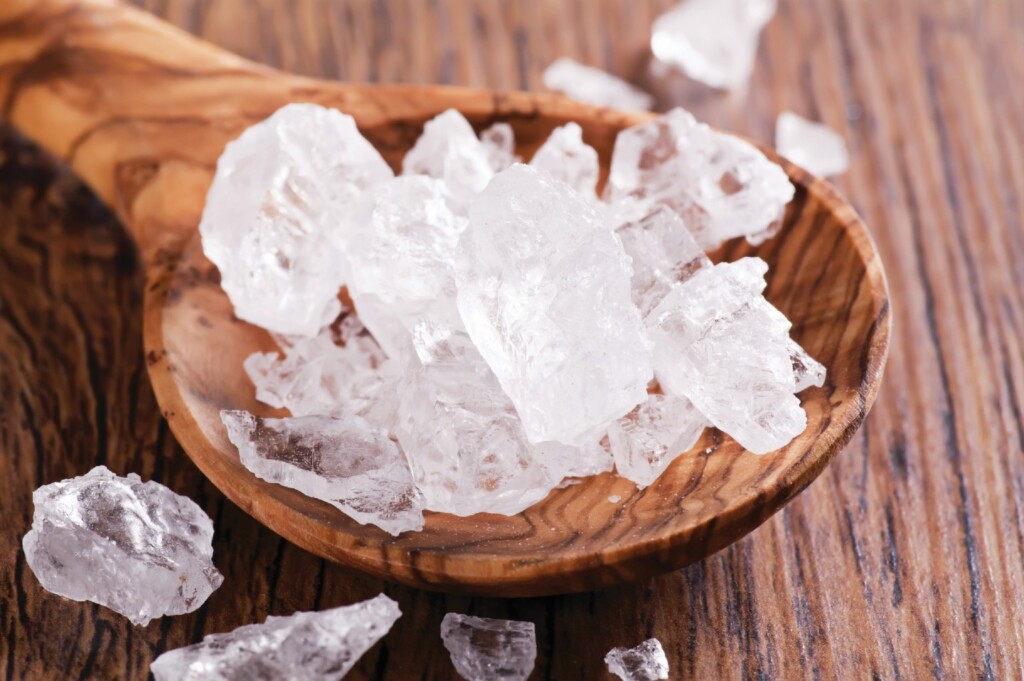
Crystallization through precipitation lab Crystals are solids that form when molecules join in a regular repeating pattern. Crystals mesmerized humans early in our history and served as currency as well as decoration. Today, the jewelry industry relies on precious and semi-precious crystals for rings, pendants, and more; the electronics industry relies on quartz crystals for […]
3-D Imaging: The Mystery Unlocked

Seeing the Solar System in a New Dimension Moviegoers are demanding more from their sensory experience, and 3-D viewing has become popular for many blockbuster movies. Unlocking the mystery of 3-D imaging not only spurs discussion about the greatest 3-D movies, but it also provides opportunity to discuss visual perception, optics, and colors with your […]
Rock Candy: An Edible Study of Crystallization

An Investigation of Supersaturated Solutions Making rock candy is a safe way to introduce students to solutions and crystal growth–and you can make it a tasty treat at the same time! This activity helps students visualize how a supersaturated solution grows the extra-large crystals of sucrose needed to make rock candy. Table sugar (sucrose) and […]