Cells are the building blocks of all organisms.
Cells are the building blocks of all organisms.
Identify organelles and describe functions.
Compare plant and animal cells.
Distinguish prokaryotic and eukaryotic cells.
Observe cells using a microscope.
Explain how cell structures support life processes.
Identify organelles and describe functions.
Compare plant and animal cells.
Distinguish prokaryotic and eukaryotic cells.
Observe cells using a microscope.
Explain how cell structures support life processes.
Predict how changes in organelle structure affect cell function.
Analyze similarities and differences among major cell types.
Relate cell organization to evolution and phylogeny.
Collect, analyze, and interpret microscopy data.
Connect organelle function to cellular pathways and homeostasis.
Predict how changes in organelle structure affect cell function.
Analyze similarities and differences among major cell types.
Relate cell organization to evolution and phylogeny.
Collect, analyze, and interpret microscopy data.
Connect organelle function to cellular pathways and homeostasis.
Cells are the building blocks of all organisms. The organelles and characteristics of a cell determine its role within the organism. Understanding the relationship between a cell’s structure and function is a foundational concept in biology, helping students connect molecular processes to the systems and organisms they study.
Understanding cell structure and function is essential for topics such as biochemistry, genetics, microbiology, anatomy and physiology, pathology, and more. As students explore cell biology through observation, investigation, and experimentation, they develop critical laboratory skills including microscopy, data collection, visual documentation, analysis, scientific communication, and problem solving. These transferable skills support success across STEM disciplines and help students make real-world connections to scientific and healthcare careers.
This guide breaks down the important information students need to know, provides links to products and free digital resources, and includes suggestions for hands-on labs that reinforce student understanding and support learning outcomes.
We’ve gathered a variety of products and resources to better help you teach this concept. They include:
Modern cell theory rests on a few core principles:
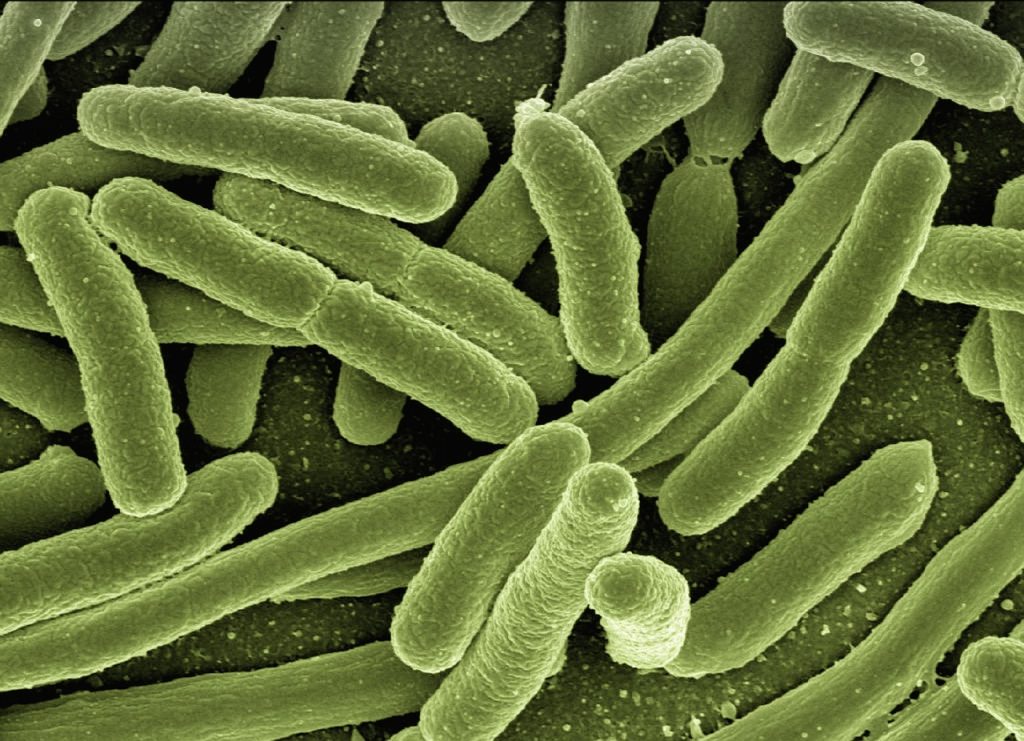
Cells fall into one of two broad categories, prokaryotic and eukaryotic. Bacteria and Archaea are classified as prokaryotic (pro- meaning before and -kary meaning nucleus, so “before nucleus”). Plants, animals, and fungi are eukaryotic (eu- meaning true, so “true nucleus”). Most prokaryotes are very small, and all lack membrane-bound organelles. They contain DNA, a cell membrane, and ribosomes. Eukaryotes have many membrane-bound organelles that serve specialized purposes.
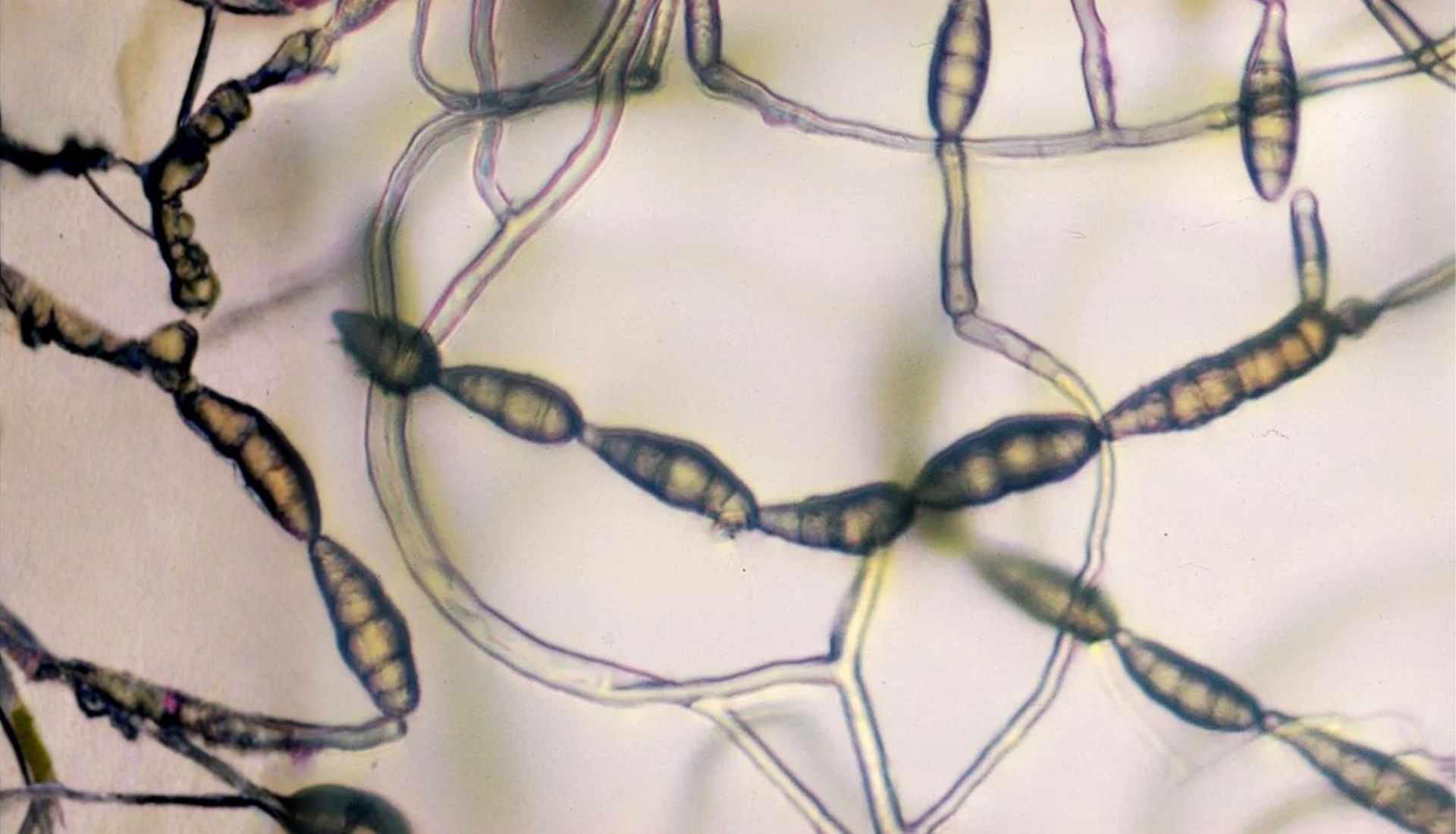
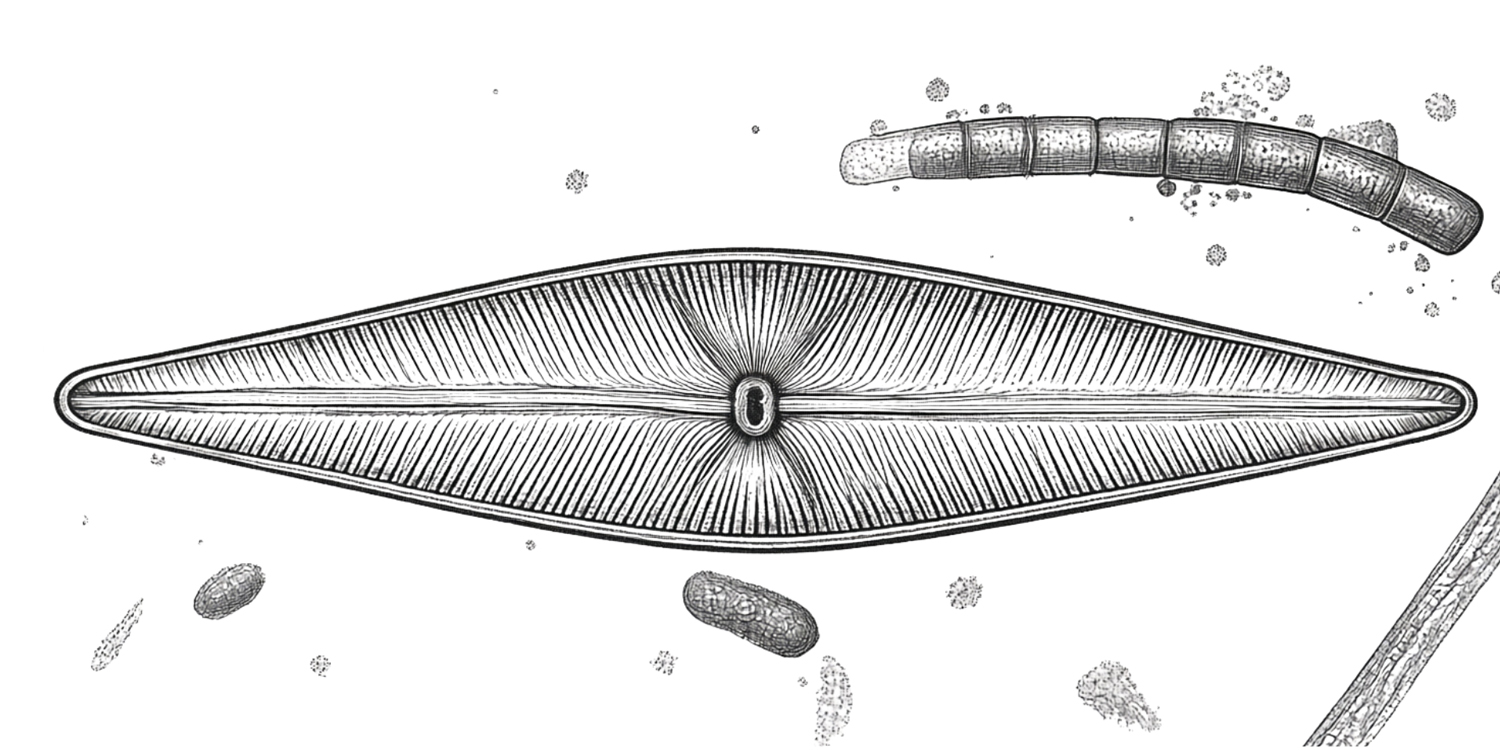
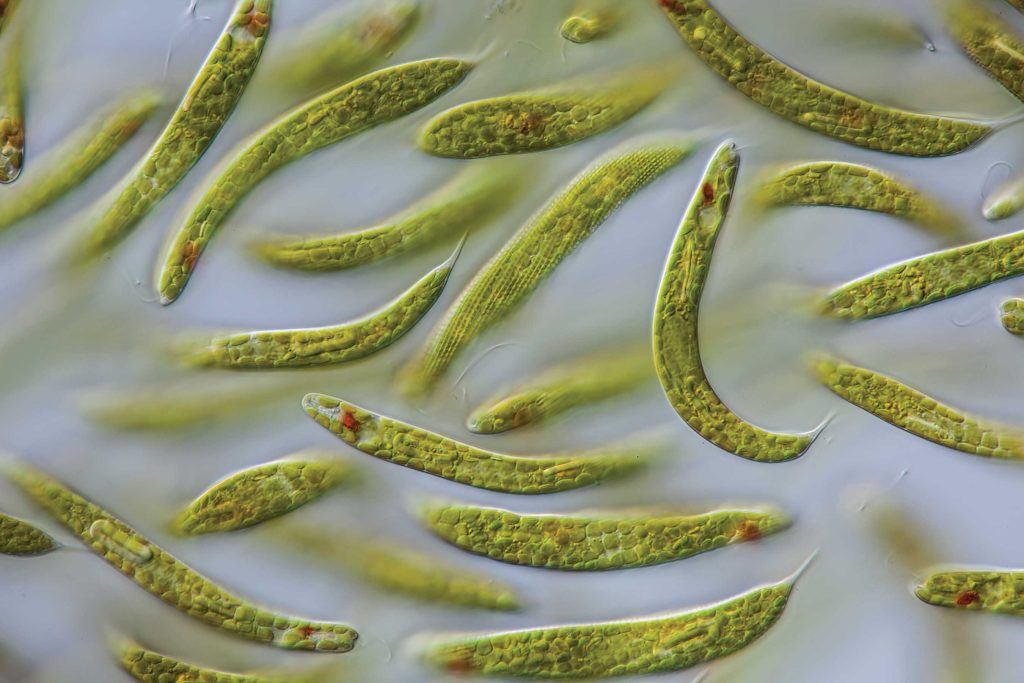
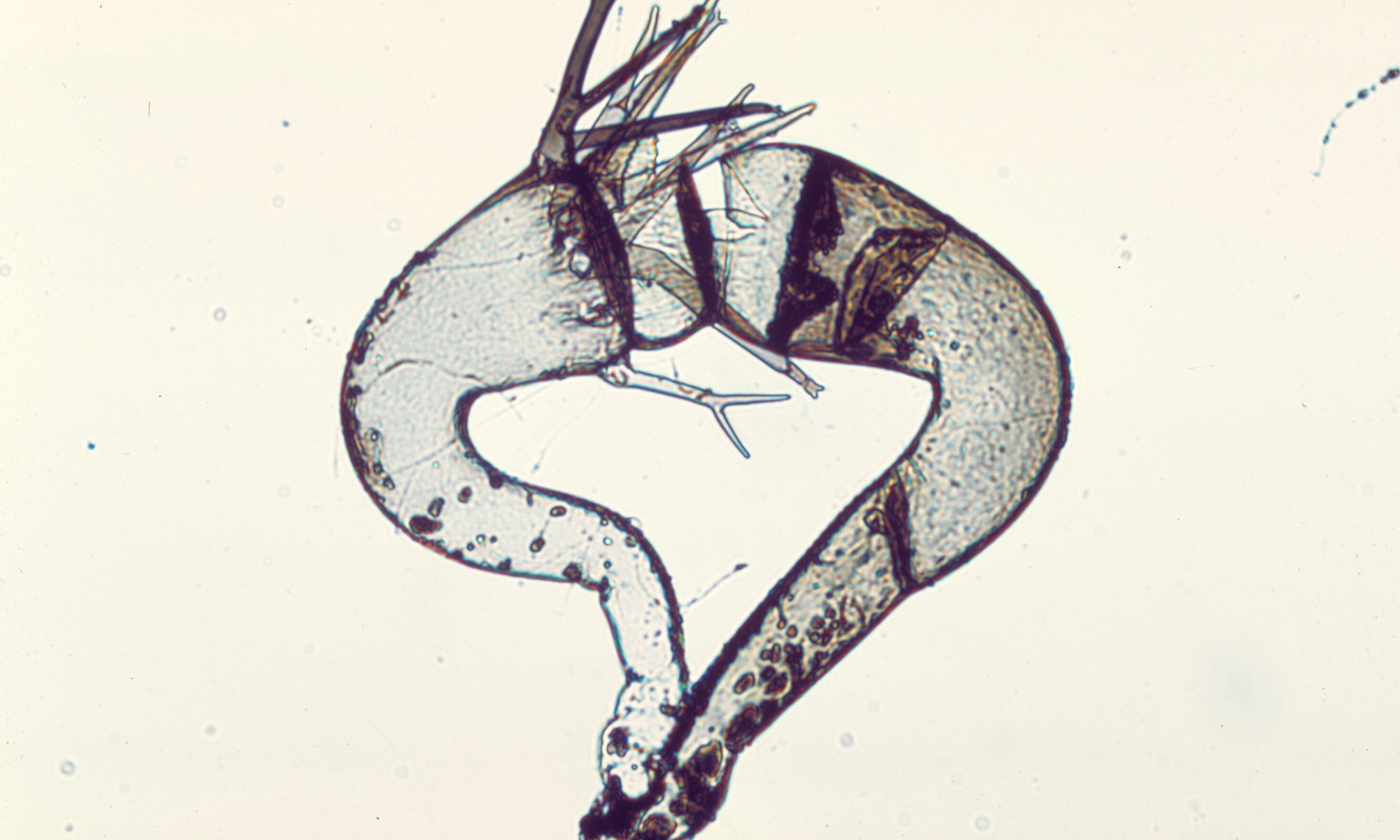
Observing single-celled organisms is a great way to introduce cells in your lab. Although prokaryotic cells lack a nucleus and membrane-bound organelles, they allow students to learn about basic cell morphology, reproduction, and evolution. Introduce eukaryotic cells to students with protists. Students can observe nuclei, organelles, and movement under the microscope!
In eukaryotic cells, there are many specialized structures called organelles that carry out specific functions like metabolism (mitochondria and chloroplasts), protein synthesis and transport (ribosomes and endoplasmic reticulum), storage and transport (vesicles and vacuoles), and waste management (peroxisomes and lysosomes).
Plants, animals, and fungi all have important structural differences that both arise from and determine their role in the environment and reflect how each organism lives, grows, and obtains energy. Plants and fungi rely on their cell walls for structural support, while animals developed specialized tissues and organs for that purpose. By exploring the similarities and differences between the cells of different organisms, students can better understand how cellular adaptations support the survival of different organisms.
Each organelle is specialized to perform specific tasks within the cell, and their structure reflects that. For example, the large membrane areas of the chloroplast and mitochondria allow for a greater number of membrane-mediated reaction sites. By examining the relationship between cellular structures and their functions, students can better understand how cells operate as integrated systems and how specialized organelles enable organisms to grow, respond to their environment, and survive.
Investigating cells is an excellent topic for building foundational biology skills such as microscopy and scientific drawing. Our lab skills series equips your students with techniques crucial to their success with free how-to videos, infographics, and classroom posters to support all learning styles. Explore our resources for mastering microscopy, oil immersion, and using laboratory drawings to enhance student learning below.
| TOPIC | Higher Ed | K -12 |
|---|---|---|
|
Microscopy |
|
|
|
Modeling |
|
|
|
Measuring |
|
|
|
Drawing |
|
|
|
Analyzing Data |
|
|
|
Ratios |
|
|
|
Designing Experiments |
|
|
Build deeper understanding and comprehension of cell structure and function with hands-on activities that place key concepts at students’ fingertips.
These activities introduce students to foundations in cell structure and function, building a base for future concepts.
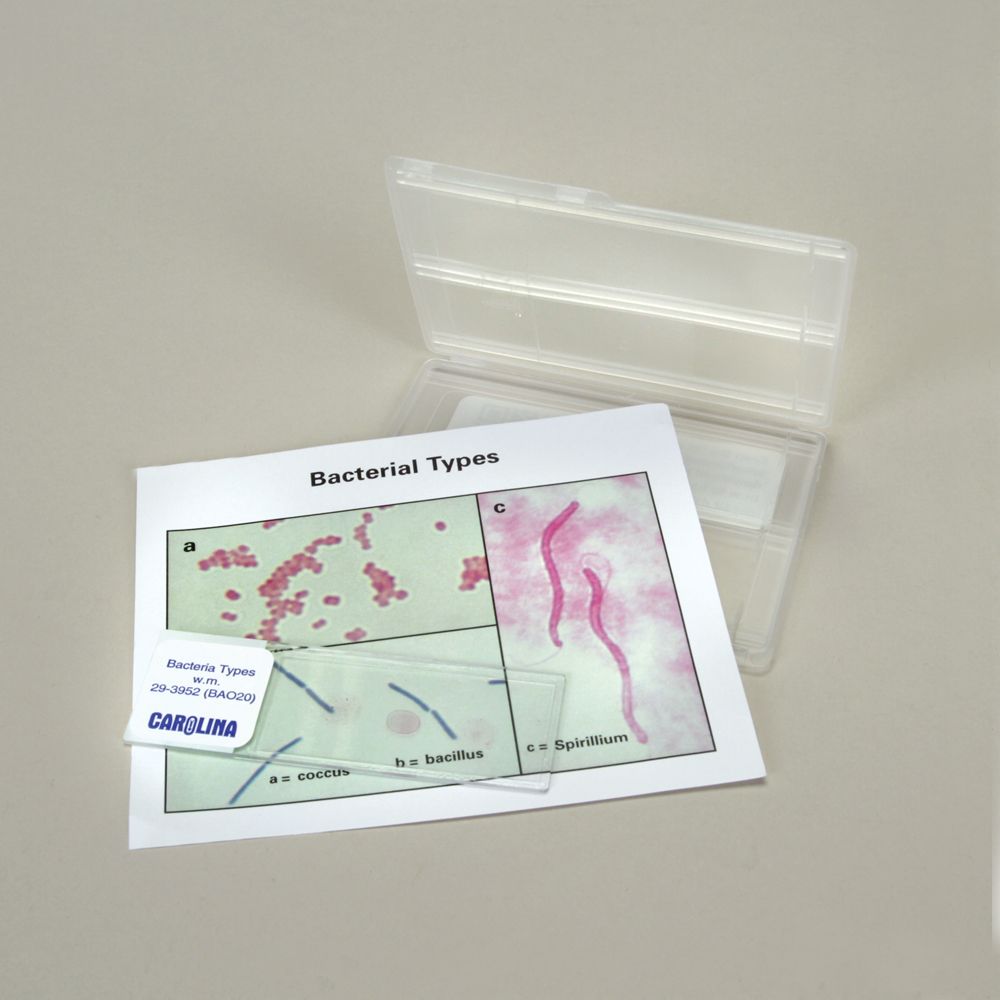
Microscope slide shows 3 typical bacterial forms in separate smears. Unit includes a self-study card and labeled photograph with descriptive text.

The Discovering Plant Cells Set includes slides of the 2 most commonly studied examples of plant cells (onion bulb epidermis and privet leaf).

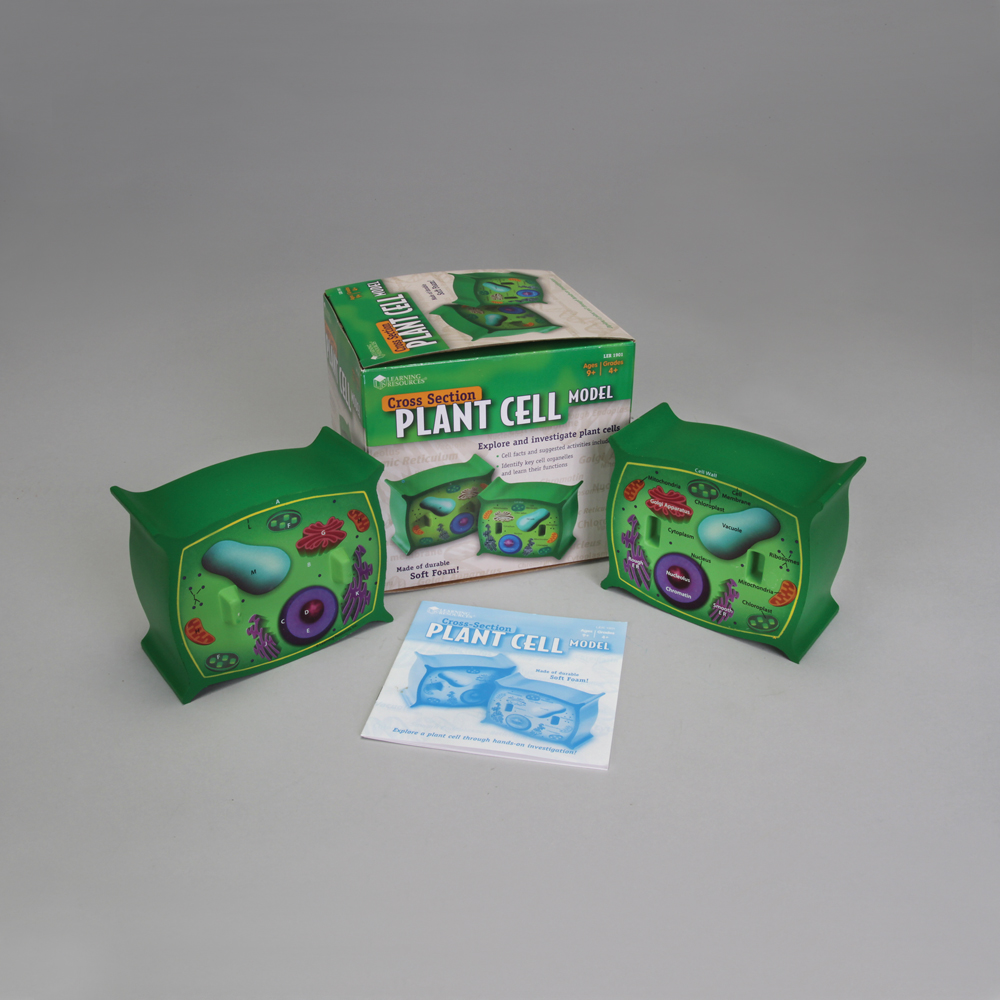
Models are powerful tools for teaching science as they provide useful simplifications of structures and processes, helping to make the unseen seen and the complex simple. Your students will enjoy learning about plant cells with this colorful model. It covers all the main parts of the plant cell, including the cell membrane, cell wall, chloroplasts, nucleus, chromosomes, and mitochondria. For more advanced learners, you can extend the model with the included optional organelles to study rough ER, smooth ER, and Golgi apparatus.
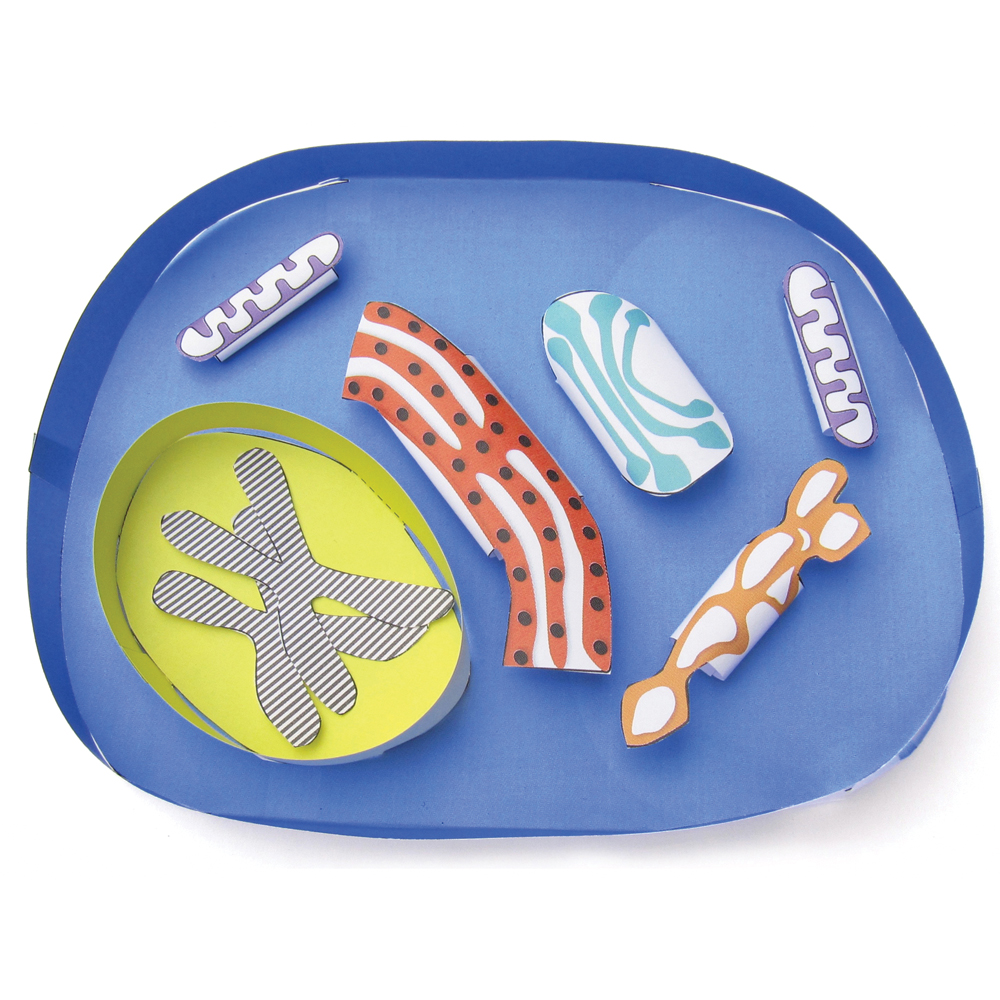
Use this easy-to-assemble model to teach students about the animal cell. This colorful model and accompanying information cover cell parts, including the cell membrane, nucleus, chromosomes, and mitochondria. For more advanced learners, optional extensions include rough endoplasmic reticulum, smooth endoplasmic reticulum, and Golgi apparatus.
These advanced activities help students build on foundations covered in earlier lessons and develop advanced microscopy skills.

Students explore the cell as the basic unit of life. Using a guided-inquiry technique, they first view cells with a microscope (not included). They then study Euglena, Paramecium, and elodea samples and observe their responses to different environmental conditions. As a final assessment, students design their own experiment to test cellular responses to environmental changes of their choice.

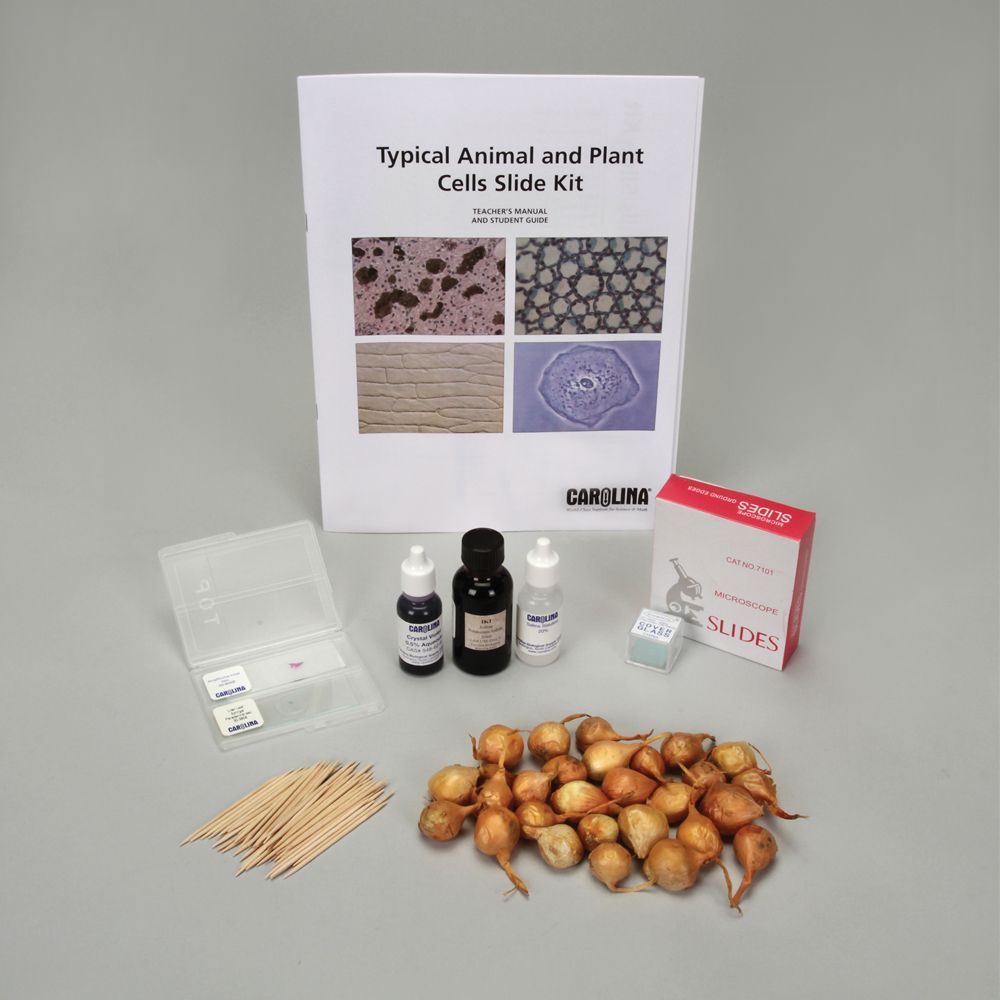
This kit demonstrates the typical similarities and differences between animal and plant cells. Students prepare slides of their own cheek cells and an onion bulb epidermis.
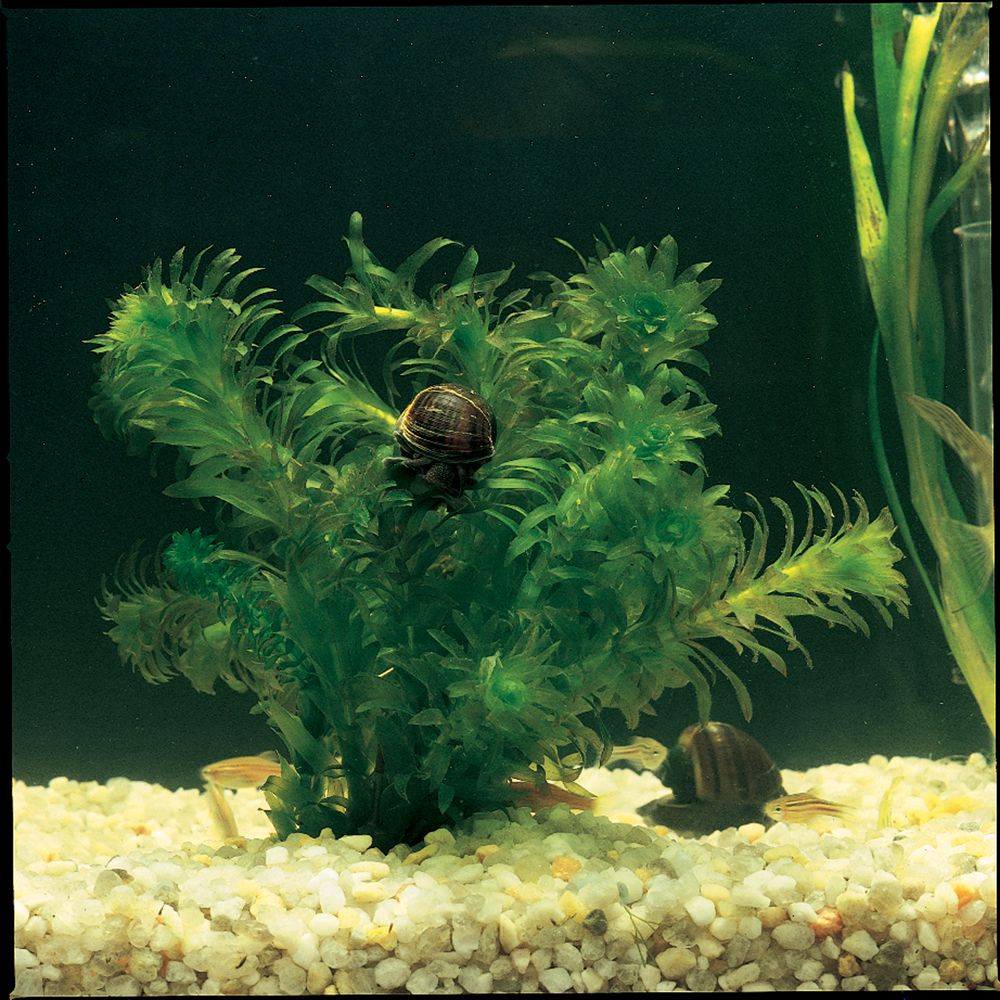
In this lab, students observe Elodea leaves under magnification. They will see cell walls and chloroplasts. From the movement of chloroplasts they will infer that cyclosis, or protoplasmic streaming, is occurring. They also will observe that most chloroplasts are pressed tightly against the cell wall and should infer from this that much of the cell is occupied by a vacuole.
Students explore topics like cell structure and function of animal cells, plant cells, and protists with these hands-on activities.

Introduce students to the concept of “form fits function” by familiarizing them with different kinds of cells, their organelles, and the specific jobs each organelle performs. Students work in pairs to build a model animal cell using common materials. Each cell component is identified to indicate which organelle it represents.

The Discovering Animal Cells Set includes slides of the 2 most commonly studied examples of animal cells (human cheek cells and Amphiuma liver).
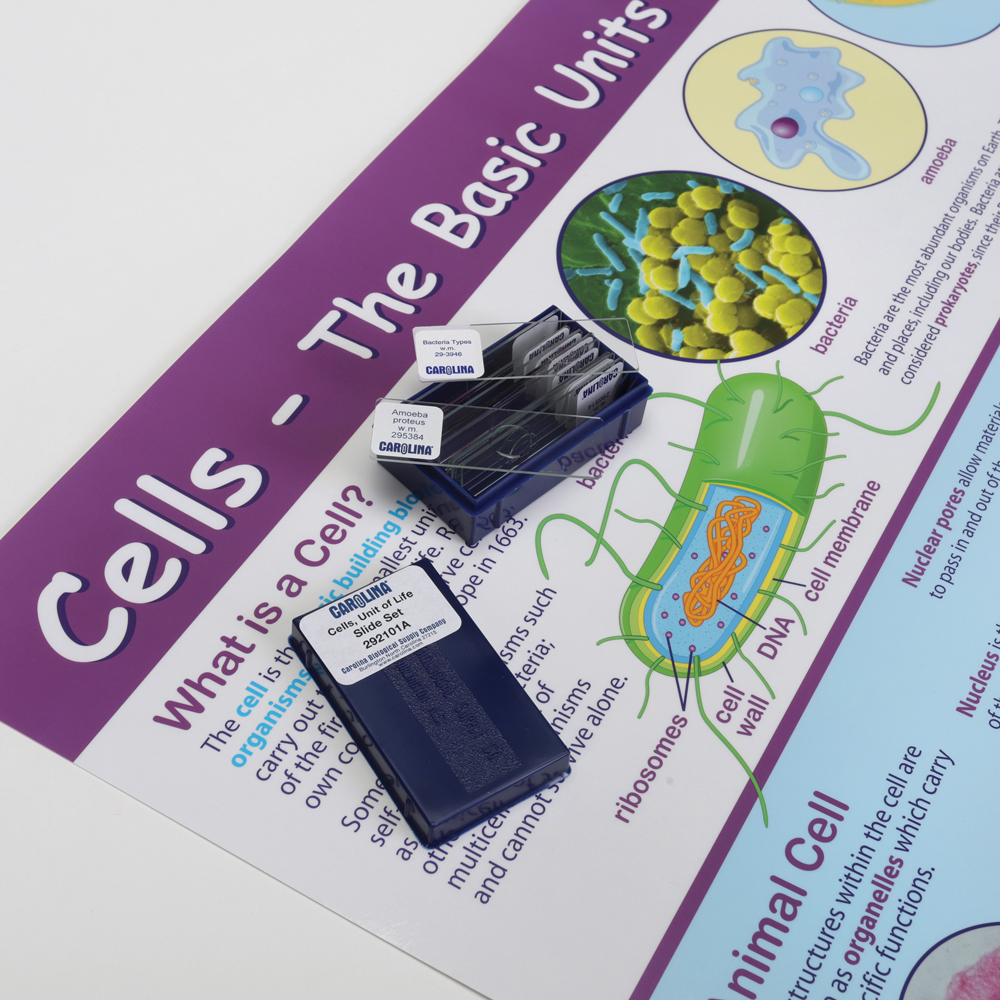
Students easily compare animal and plant cells, single-celled organisms, and specialized cells using this set of 10 slides and helpful poster. They can explore the cell membrane, cytoplasm, and nucleus within a typical animal cell and look at the structure of typical plant cells, identifying the cell wall, chloroplasts, and vacuoles. Students can also observe examples of specialized cells, including blood, skin, and nerve cells. The laminated poster provides full-color, labeled images and descriptive insight into cellular structure.

Introduces the cell, its basic structure, and general concept. Includes Amoeba, Euglena, onion, elodea tips, cork, microscope slides, coverslips, forceps, razor knives, toothpicks, pipets, Protoslo®, stain, and teacher’s manual with reproducible student guide.
High-quality, detailed models are a tactile way that students can observe and interact with cell structure. Carolina’s wide selection of prokaryotic, eukaryotic, plant, and animal models lets students learn through touch and close observation.
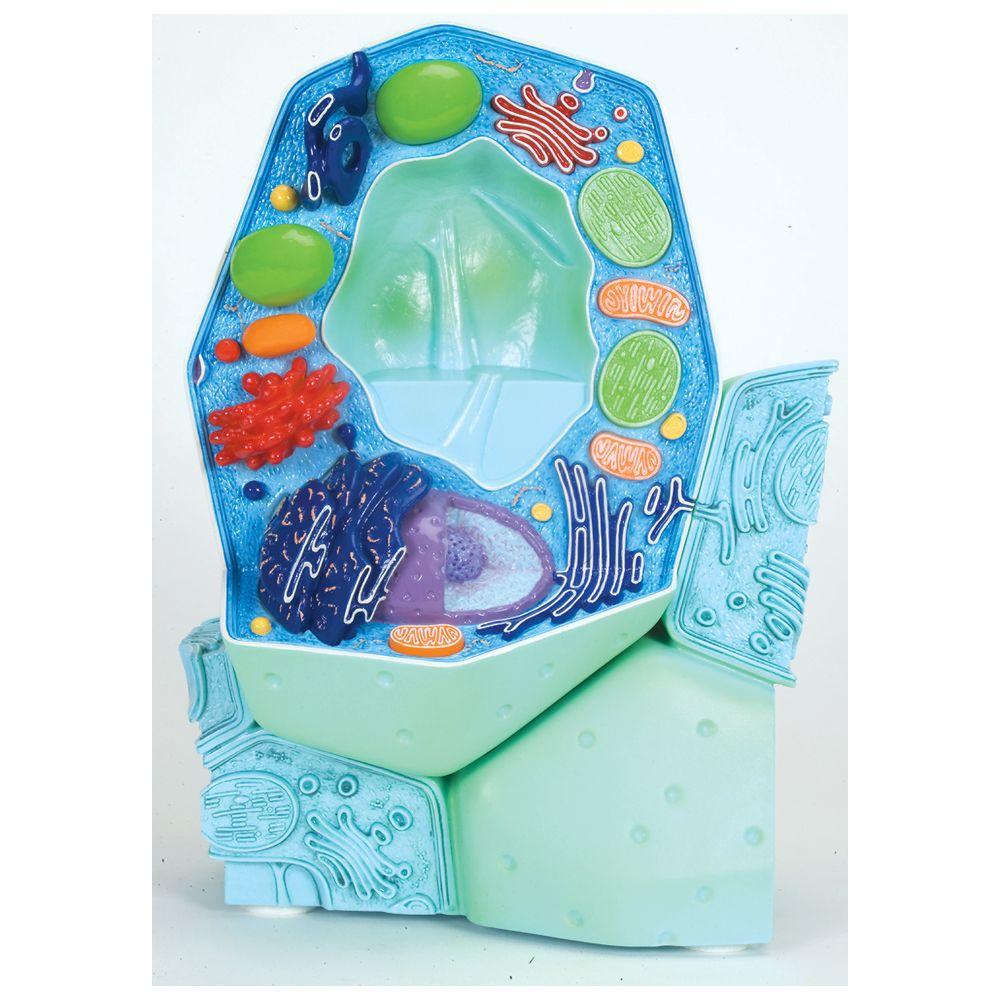
3B® Scientific. Study the structure of a typical plant cell using this greatly enlarged model (magnified 500,000 to 1,000,000x life size). Important organelles are shown in raised relief within the cytoplasm and are depicted in full form and cross section.

3B® Scientific. Use this greatly enlarged, vibrantly colored model to study the structure of a typical animal cell. Significant structures within the cell are shown in raised relief, both in full form and in cross section, but cannot be removed from the cell model.

Open section shows the inner structures of a typical chloroplast, including the outer and inner membranes, granum, stroma, starch granules, and osmophilic globule.

This model shows the basal structure, capsule, flagellum, storage granule, lipoprotein layer, cell membrane, mesosome, murein layer, pilus, polyphosphate granule, polysomes, periplasm, thylakoids, vacuole, and DNA.
Engage students in hands-on labs with LabSheets, supplement your instruction with handouts and infographics, gain and share scientific insights with Timeless Tips, and streamline your preparation with shopping lists and buying guides.
Engage students in hands-on labs with LabSheets, supplement your instruction with handouts and infographics, gain and share scientific insights with Timeless Tips, and streamline your preparation with shopping lists and buying guides.
Once students understand the structure of cells, they begin to understand the important role that cell membranes play in maintaining homeostasis. The structure of the plasma membrane controls how materials move into and out of cells, allowing cells to metabolize and maintain a stable environment. Through exploring osmosis and diffusion, students build on their knowledge of cellular structures by investigating how water, nutrients, gases, and other substances cross membranes and support essential life processes. This connection helps bridge foundational cell biology with more advanced concepts in transport, metabolism, and physiological regulation.
Need additional guidance? Our subject matter experts and customer service team are here to help you find the right activities, kits, and resources to support your goals. Reach out to us anytime at product@carolina.com.
Cells are the building blocks of all organisms. The properties, organelles, and characteristics of a cell determine its role within the organism. Understanding the relationship between the cell’s structure and its function is an important topic in any biology course.
This guide breaks down the important information students need to know, provides links to products and free digital resources, and includes suggestions for hands-on labs that reinforce student learning.
We have gathered a variety of products and resources to better help you teach this concept. They include:
The major areas covered in this topic are:
Observing single-celled organisms is a great way to introduce cells in your lab. Although prokaryotic cells lack a nucleus and membrane-bound organelles, they allow students to learn about basic cell morphology, reproduction, and evolution. Introduce eukaryotic cells to students with protists, popular microorganisms. Students can observe nuclei, organelles, and movement under the microscope!

Easy to Perform Requires little to no prior knowledge
This kit contains 3 activities that highlight the structure and function of eukaryotes, prokaryotes, and viruses.
Easy to Perform Requires little to no prior knowledge
Microscope slide shows 3 typical bacterial forms in separate smears. Unit includes a self-study card and labeled photograph with descriptive text.
Easy to Perform Requires some background knowledge
Set consists of 6 individually labeled cultures: Amoeba, Euglena, Paramecium, Stentor, Volvox, Spirostomum.
Use this Lab Sheet to guide you through the activity.
Plant cell structure and function can be explored in a variety of ways. We have live materials, models, manipulatives, and microscope slides to help. Students observe what makes plant cells unique, such as the cell wall and chloroplasts, while learning the functional importance of each.
Easy to Perform Requires little to no prior knowledge
The Discovering Plant Cells Set includes slides of the 2 most commonly studied examples of plant cells (onion bulb epidermis and privet leaf).
Easy to Perform Requires little to no prior knowledge
Models are powerful tools for teaching science as they provide useful simplifications of structures and processes, helping to make the unseen seen and the complex simple. Your students will enjoy learning about plant cells with this colorful model. It covers all the main parts of the plant cell, including the cell membrane, cell wall, chloroplasts, nucleus, chromosomes, and mitochondria. For more advanced learners, you can extend the model with the included optional organelles to study rough ER, smooth ER, and Golgi apparatus.
Easy to Perform Requires some background knowledge
In this lab, students observe Elodea leaves under magnification. They will see cell walls and chloroplasts. From the movement of chloroplasts they will infer that cyclosis, or protoplasmic streaming, is occurring. They also will observe that most chloroplasts are pressed tightly against the cell wall and should infer from this that much of the cell is occupied by a vacuole.
Observing human cheek cells and using cell models are popular ways students learn the basics of animal cell structure and function. This knowledge is the foundation of future teaching topics, including cellular differentiation, division, and osmosis.
Easy to Perform Requires little to no prior knowledge
Introduce students to the concept of “form fits function” by familiarizing them with different kinds of cells, their organelles, and the specific jobs each organelle performs. Students work in pairs to build a model animal cell using common materials. Each cell component is identified to indicate which organelle it represents.
Easy to Perform Requires little to no prior knowledge
The Discovering Animal Cells Set includes slides of the 2 most commonly studied examples of animal cells (human cheek cells and Amphiuma liver).
Easy to Perform Requires little to no prior knowledge
Use this easy-to-assemble model to teach students about the animal cell. This colorful model and accompanying information cover cell parts, including the cell membrane, nucleus, chromosomes, and mitochondria. For more advanced learners, optional extensions include rough endoplasmic reticulum, smooth endoplasmic reticulum, and Golgi apparatus.
Explore hands-on lab kits that cover cell structure and function below.
Easy to Perform Requires little to no prior knowledge
Students easily compare animal and plant cells, single-celled organisms, and specialized cells using this set of 10 slides and helpful poster. They can explore the cell membrane, cytoplasm, and nucleus within a typical animal cell and look at the structure of typical plant cells, identifying the cell wall, chloroplasts, and vacuoles. Students can also observe examples of specialized cells, including blood, skin, and nerve cells. The laminated poster provides full-color, labeled images and descriptive insight into cellular structure.
Easy to Perform Requires some background knowledge
This kit demonstrates the typical similarities and differences between animal and plant cells. Students prepare slides of their own cheek cells and an onion bulb epidermis.
Easy to Perform Requires some background knowledge
Introduces the cell, its basic structure, and general concept. Includes Amoeba, Euglena, onion, elodea tips, cork, microscope slides, coverslips, forceps, razor knives, toothpicks, pipets, Protoslo®, stain, and teacher’s manual with reproducible student guide.
Easy to Perform Requires some background knowledge
Students explore the cell as the basic unit of life. Using a guided-inquiry technique, they first view cells with a microscope (not included). They then study Euglena, Paramecium, and elodea samples and observe their responses to different environmental conditions. As a final assessment, students design their own experiment to test cellular responses to environmental changes of their choice.
Carolina has a variety of high-quality models to fit your needs. Check out our selection of prokaryotic, eukaryotic, plant, and animal models here.



We have free resources to help you teach this concept, including:
Use these free resources to supplement your instruction about cell structure and function.
Download handouts:
Do your students need to brush up on their microscopy and slide preparation skills? These videos can help.
Choosing the appropriate equipment for your labs can be a challenging task. Our buying guides are designed to make your decisions easy. Review Carolina recommended microscopes or one of these handy guides.
These are our top picks. If you don’t see what you’re looking for, we’ll be happy to help you find the right activities and kits to simplify your planning and implementation. If you have questions, please contact us at product@carolina.com.
Get the latest news, free activities, teacher tips, product info, and more delivered to your inbox.