
Smartphones in High School Science Classes

Smartphones are everywhere today, especially for teenagers, and their potential extends far beyond social media and texting. In high school science classrooms, smart- phones and related devices offer a plethora of opportunities to enhance learning, engage students, and facilitate a deeper understanding of scientific concepts across science disciplines. Here’s how and why smartphones can be […]
Simulating Macroinvertebrate Sampling for Assessing Freshwater Quality

CAROLINA LABSHEETS Overview NGSS Standards Objective Materials Teacher Preparations Quick Links Close Quick Links Open Quick Links Overview NGSS Standards Objective Materials Teacher Preparations Overview NGSS Standards Objective Materials Teacher Preparations Overview Clean, noncontaminated water is an essential natural resource for all living organisms—animals and plants. Assessing water quality provides students the opportunity to gather […]
Energize Claims and Evidence through Smithsonian Science for the Classroom

Workshop Resources Physical Science K-5 Elementary School Experience how science lessons can be structured using teacher instructional slides, where students work in groups, with specific roles, to develop claims [about how motion energy moves and changes] based on evidence observed through hands-on experiences. Download Presentation Download Handouts Shop Smithsonian for the Classroom Materials
The Fusion of Science and Language through Smithsonian Science for the Classroom

Workshop Resources Life Science K-5 Elementary School This interactive science workshop demonstrated where literacy meets exploration! Participants were immersed in a world of discovery as we blended scientific concepts with the power of language. Through engaging activities, participants learned how students would not only unravel the wonders of science but also enhance their literacy skills. […]
Unlocking Science Success: Navigating Middle School Learning Progressions
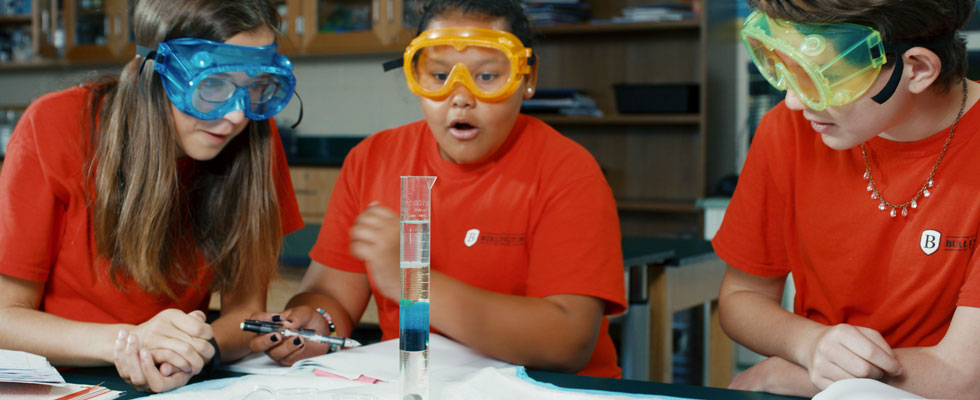
Workshop Resources Physical Science 6-8 Middle School Take a deeper dive into understanding the importance of learning progressions in 3–dimensional learning using STC Middle School. Experience the importance of a coherent storyline in student understanding. Download Presentation Download Handouts Shop Smithsonian for the Classroom Materials
Let’s Investigate Like Scientists and Engineers

Workshop Resources Physical Science K-5 Elementary School Discover new ways to help students think and work like scientists and engineers. Through a hands-on lesson, we will model instruction and resources that support 3-dimensional teaching and learning including teacher instructional slides, student friendly materials, simulations, and student investigation sheets. Download Presentation Download Handouts Shop Building Blocks […]
Webinar: Integrating Social and Emotional Learning into K-12 Science Instruction

In the science classroom, how many times have you had a student ask: “Why do I need to know this?” or “How does this apply to me?”
Webinar: Student Engagement Using Phenomena

In the science classroom, how many times have you had a student ask: “Why do I need to know this?” or “How does this apply to me?”
Exploring OpenSciEd Middle School from Carolina

Workshop Resources Physical Science 6-8 Middle School Come experience a model lesson from OpenSciEd for Middle School and see how the new Carolina Certified Edition makes these high-quality instructional materials even better! Leave with classroom resources. Download Presentation Download Handouts Download Placemats Shop OpenSciEd for Classroom Materials
Exploring OpenSciEd High School from Carolina

Workshop Resources Life Science 9-12 High School Come experience a model lesson from OpenSciEd for High School and see how the new Carolina Certified Edition makes these high-quality instructional materials even better! Leave with classroom resources. Download Presentation Shop OpenSciEd for Classroom Materials Download Handout Packet 1 Download Handout Packet 2