
Newton’s Law of Cooling

Newton’s law of cooling states that the rate at which an object cools is proportional to the difference in temperature between the object and the object’s surroundings. Simply put, a glass of hot water will cool down faster in a cold room than in a hot room. This simple principle is relatively easy to prove, and the experiment has repeatable and reproducible results.
Cellular Respiration
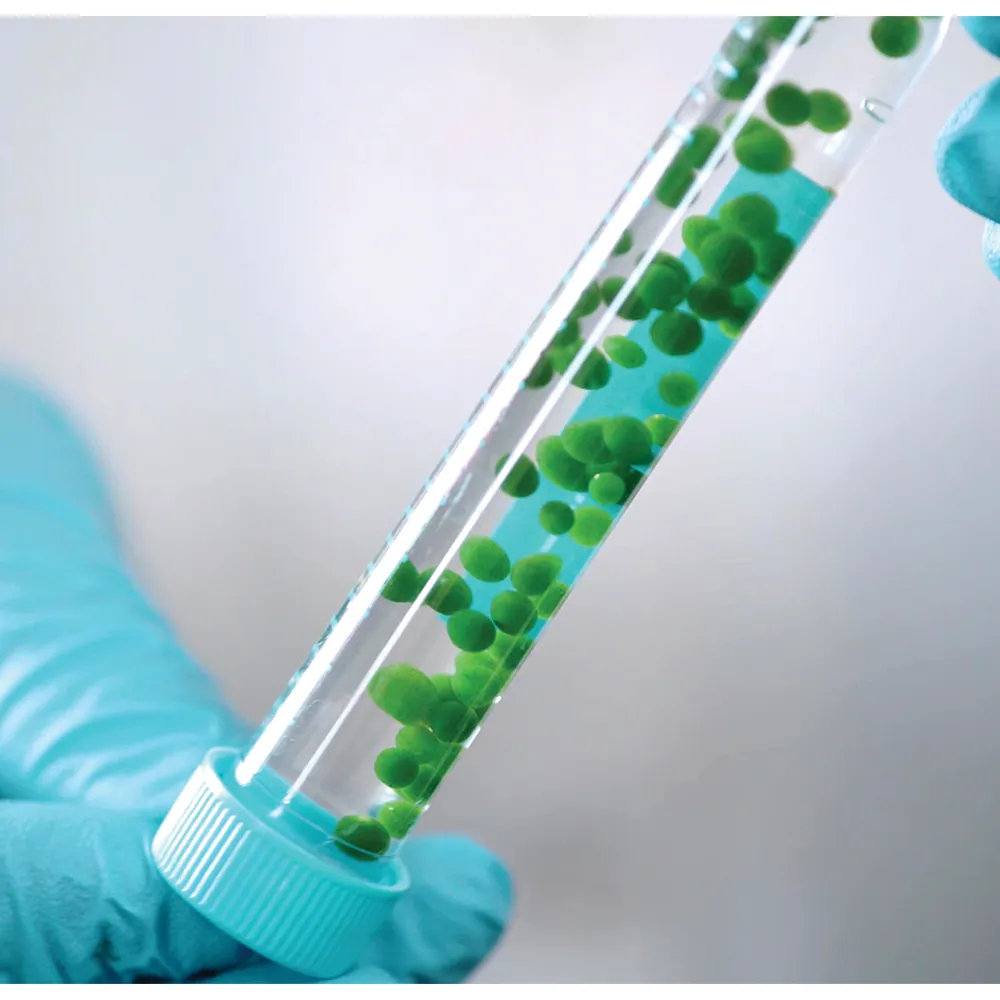
Carolina has everything you need to teach photosynthesis. Understanding this concept sets the foundation for many other biological concepts.
Carolina’s Perfect Solution® Specimen Comparison
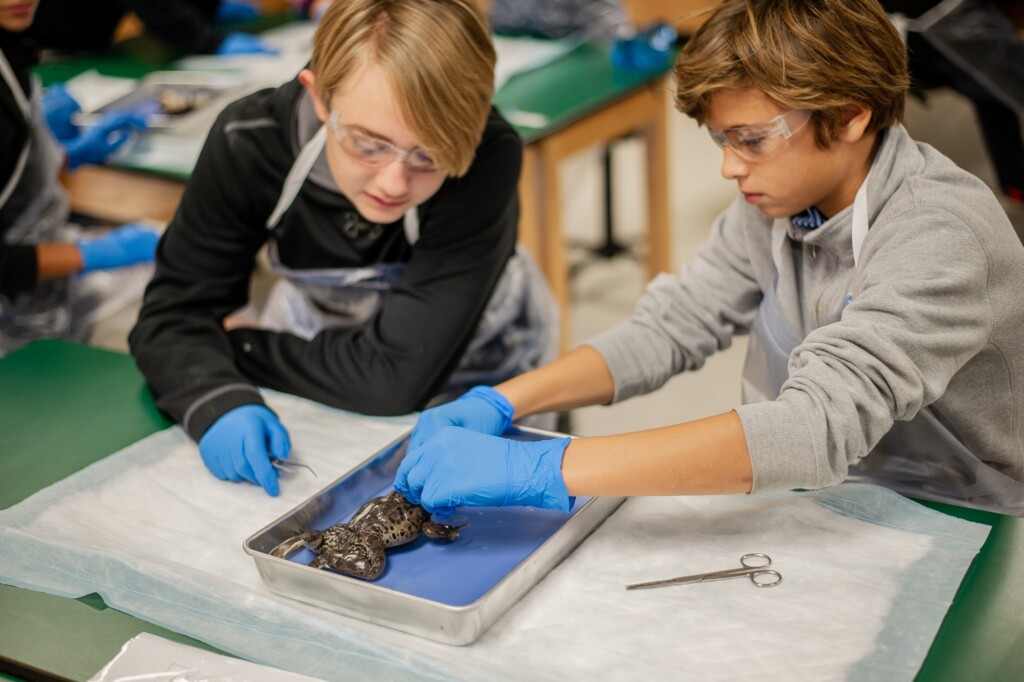
No Need to Compromise What if you could provide your students with a higher quality preserved specimen and an enhanced dissection experience while at the same time improving the safety of your learning environment? Does this sound too good to be true? We have developed a preservation formula that produces superior specimens without compromising classroom […]
Using Histology Slides to Enhance Mammalian Dissection

There are 4 main types of tissue: epithelial, muscle, nervous, and connective. Each type has a particular function and can be found to some degree in most organs. In order to understand the structure and function of each type of tissue, it is important to view them microscopically. Many tissues viewed with the naked eye […]
Demonstrating Cellular Respiration and Fermentation
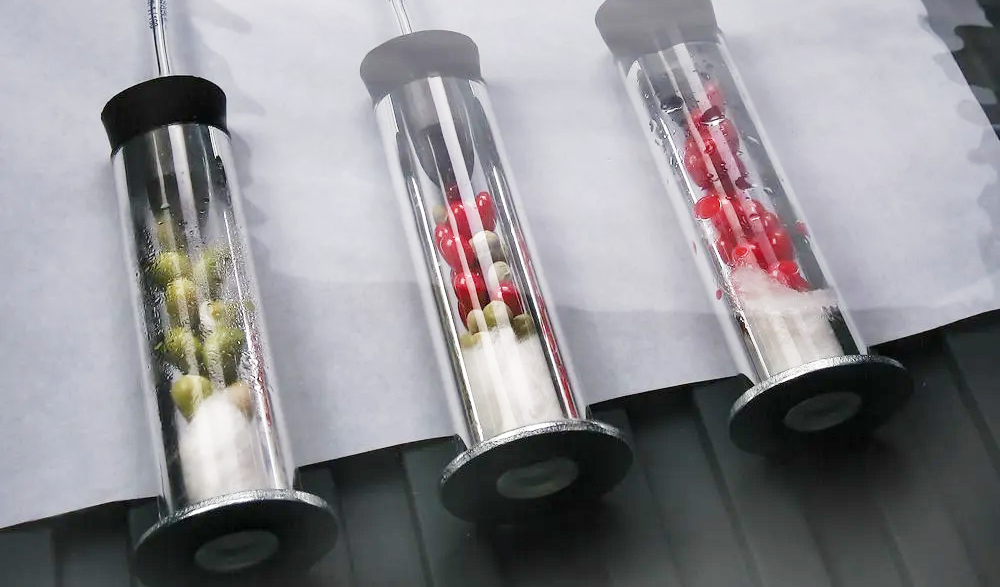
Cellular respiration and fermentation are 2 of the most challenging concepts for introductory biology students, who may become so consumed by memorizing steps of the Krebs cycle and glycolysis that they lose sight of the big picture. The following demonstrations place aerobic cell respiration and fermentation firmly in grasp. First, students observe respiration in germinating seeds by detecting the carbon dioxide produced. Next, they observe the carbon dioxide gas produced by yeast fermentation.
The Chemistry of Beer

Many science teachers take their love of chemistry and microbiology out of the classroom and move it to the garage for a home beer brewing adventure. Whether you enjoy brewing your own, or enjoying the fruits of others’ brewing efforts, the art of beer is in the science.
Diffusion and Osmosis

All cells are bound by some type of permeable or semipermeable membrane that governs the ions, small molecules, and large molecules that enter and leave the cell. Diffusion is the general process of movement down a gradient that results in equal concentrations of solutes on both sides of the membrane. When water is the molecule entering or leaving the cell the process is osmosis. This guide breaks down the important information students need to know, provides links to products and free digital resources, and includes suggestions for hands-on-labs that reinforce student learning.
Teaching the Cell Cycle and Mitosis

Mitosis is a process ubiquitous to life, and a foundational topic necessary for the understanding of advanced topics like growth and development, reproduction, and many disease processes. However, students are often completely unfamiliar with mitosis. A comprehensive lesson plan for covering the topic is critical for building a foundation for student success in your biology […]
Webinar: Three Essential Strategies for Teaching NGSS Phenomena

The goal is not to teach as many examples of phenomena as possible but to maximize learning by teaching with science phenomena. There are many teaching strategies but there are 3 at the top of that list when using examples of phenomena. Learn what these 3 essential teaching strategies are to get students to […]
Webinar: Think Like an Engineer

The science classroom is an ideal environment to nurture the curious young mind. The perfect place for students to learn how to think like scientists and engineers. If you have been teaching science to students, then more than likely you have been teaching your students how to think like a scientist, but have you been teaching […]