Photosynthesis is the process by which nonorganic energy is introduced to ecosystems by converting light energy from the sun into chemical energy that can be stored and used by organisms.
Cells are the building blocks of all organisms.
Develop and use a model to explain how light energy is transformed and stored as chemical energy during photosynthesis.
Trace the flow of matter through photosynthesis by relating carbon dioxide and water to the formation of sugars and oxygen.
Explain how the matter and energy captured through photosynthesis connect plants to food webs, atmospheric oxygen, and the movement of carbon through ecosystems.
Explain how the light-dependent reactions and the Calvin cycle capture and transform energy from the sun.
Describe how the structure of chloroplasts and photosynthetic pigments determine how they interact with different wavelengths of light.
Design and evaluate experiments to determine what factors may affect photosynthetic rate.
Describe the relationship of photosynthesis to energy within ecosystems.
Photosynthesis is the process by which plants, algae, and other photosynthetic organisms convert light energy into stored chemical energy. It provides oxygen to the atmosphere, drives the carbon cycle, and supports life on Earth through food production and energy transfer in ecosystems.
Understanding photosynthesis is essential for topics like plant biology, ecology, environmental science, agriculture, and biotechnology. Photosynthesis can be studied through traditional leaf assays, investigations with Elodea, and experiments using green algae concentrated in sodium alginate beads. Incorporating hands-on activities helps students develop skills in experimental design, data collection and analysis, and scientific communication while making real-world connections to plant science, agriculture, and environmental careers.
This guide breaks down the important information students need to know, provides links to products and free digital resources, and includes suggestions for hands-on labs that reinforce student learning and support learning outcomes.
We’ve gathered a variety of products and resources to help you teach this concept. They include:
Photosynthetic organisms use pigments, primarily chlorophyll, to absorb light energy. Accessory
pigments broaden the range of light that can be captured. This captured light energy is then
converted into stored chemical energy within chloroplasts. Students can use chromatography to
observe the range of pigments found in different types of plants.
Photosynthetic rate is influenced by factors like light intensity, light wavelength, carbon dioxide
availability, temperature, and organism health. Photosynthesis is an ideal context for teaching
variables, controls, replication, and experimental design as students collect quantitative data,
graph results, and evaluate evidence.
Photosynthesis introduces stored chemical energy into most food webs, with photosynthetic
organisms helping drive the movement of carbon through ecosystems. This process links cellular
biology to ecosystem productivity, food webs, and the carbon cycle. Understanding the process
helps students connect cellular processes to environmental and ecological systems.
| TOPIC | Higher Ed | K -12 |
|---|---|---|
|
Microscopy |
|
|
|
Modeling |
|
|
|
Measuring |
|
|
|
Drawing |
|
|
|
Analyzing Data |
|
|
|
Ratios |
|
|
|
Designing Experiments |
|
|

The simple exercises that students perform in this lab demonstrate that plants produce glucose through photosynthesis, that plants convert at least some of the glucose to starch, and that sunlight is a critical factor in photosynthesis.
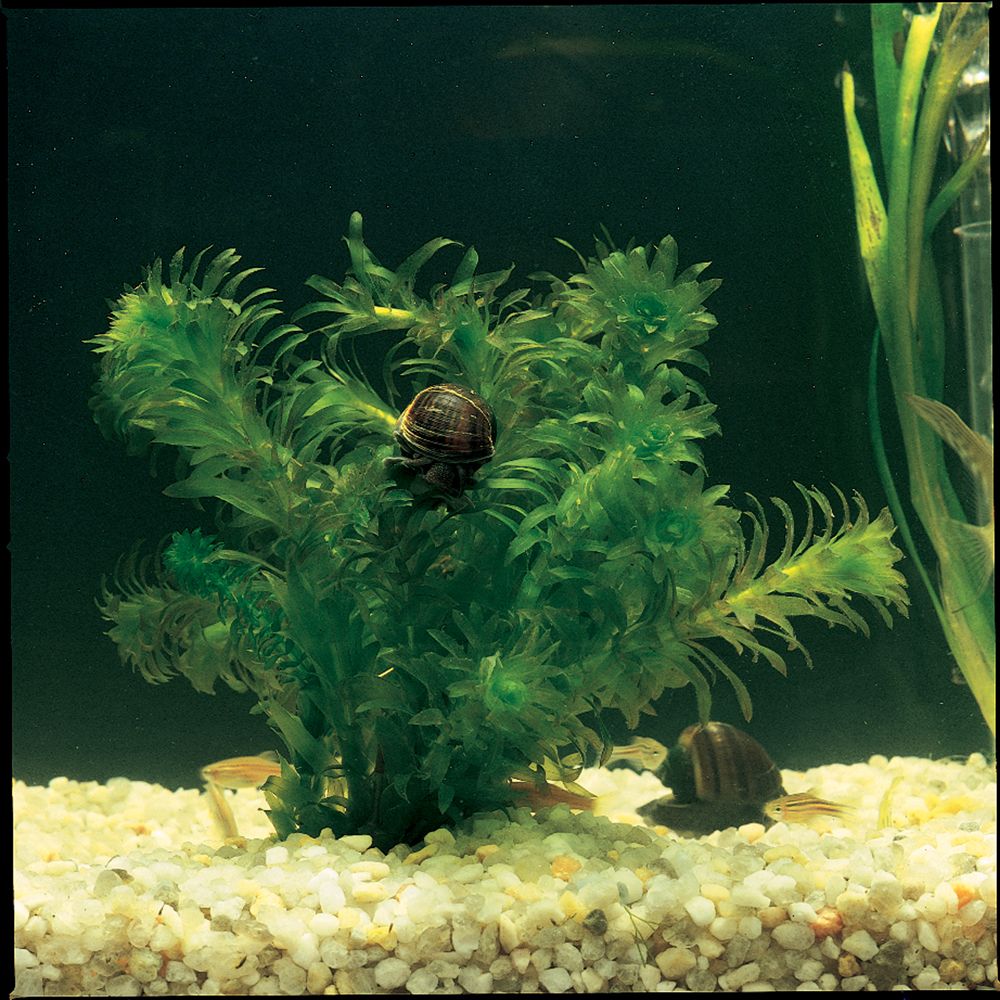
In this lab students observe Elodea leaves under magnification. They will see cell walls and chloroplasts. From the movement of chloroplasts they will infer that cyclosis, or protoplasmic streaming, is occurring. They also will observe that most chloroplasts are pressed tightly against the cell wall and should infer from this that much of the cell is occupied by a vacuole.

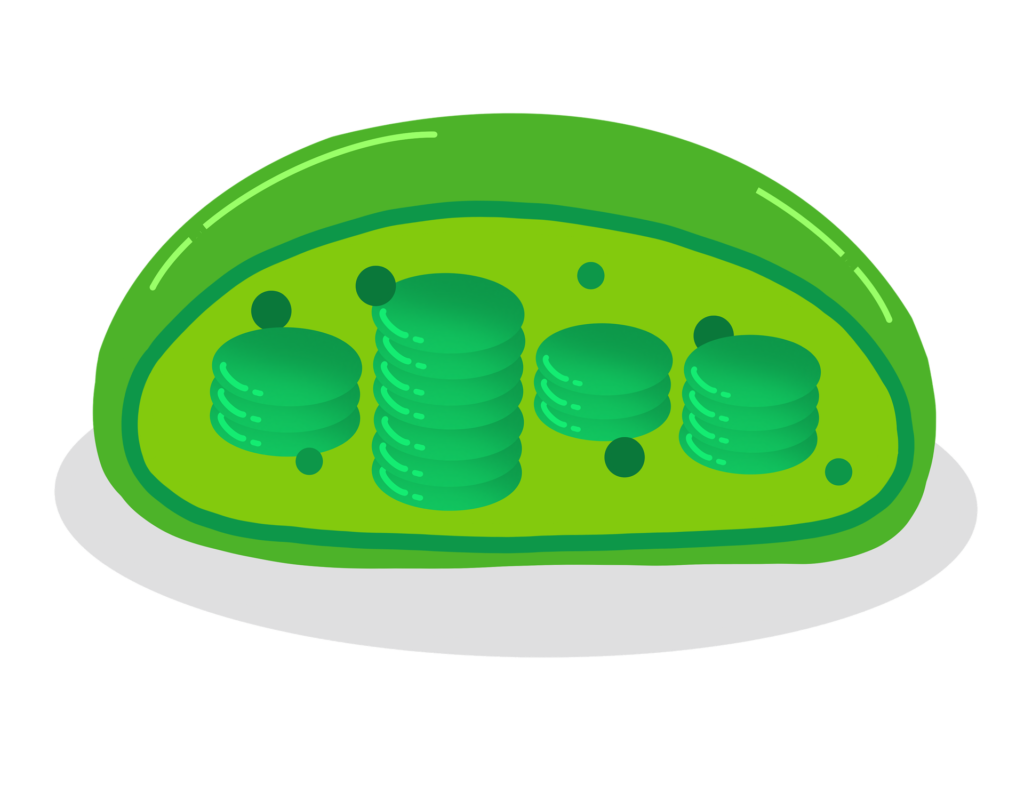
Open section shows the inner structures of a typical chloroplast, including the outer and inner membranes, granum, stroma, starch granules, and osmophilic globule.
These advanced activities help students build on foundations covered in earlier lessons and develop advanced microscopy skills.

Students investigate photosynthesis using a leaf disk assay. In the Guided Investigation, students measure the rate of photosynthesis by counting the number of leaf disks floating at each time.

Students explore the role of several variable factors in the photosynthetic process with these hands-on activities.
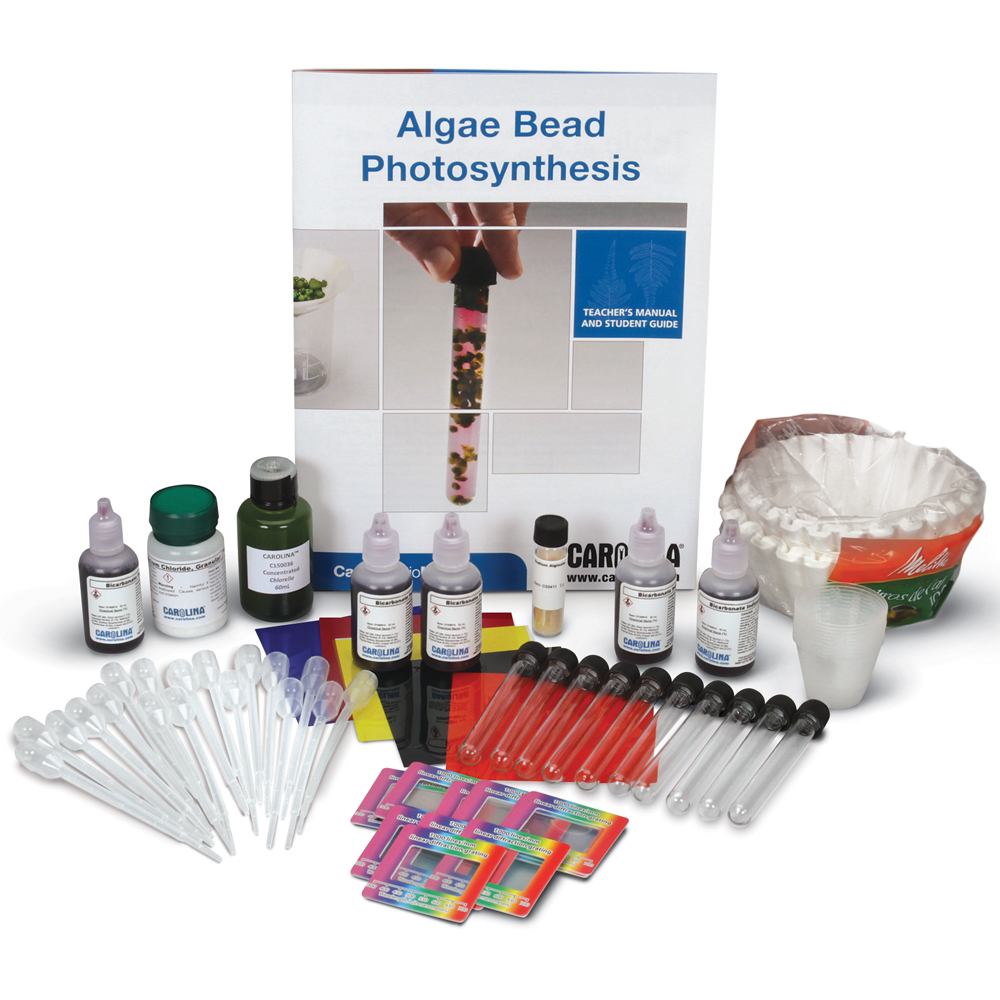
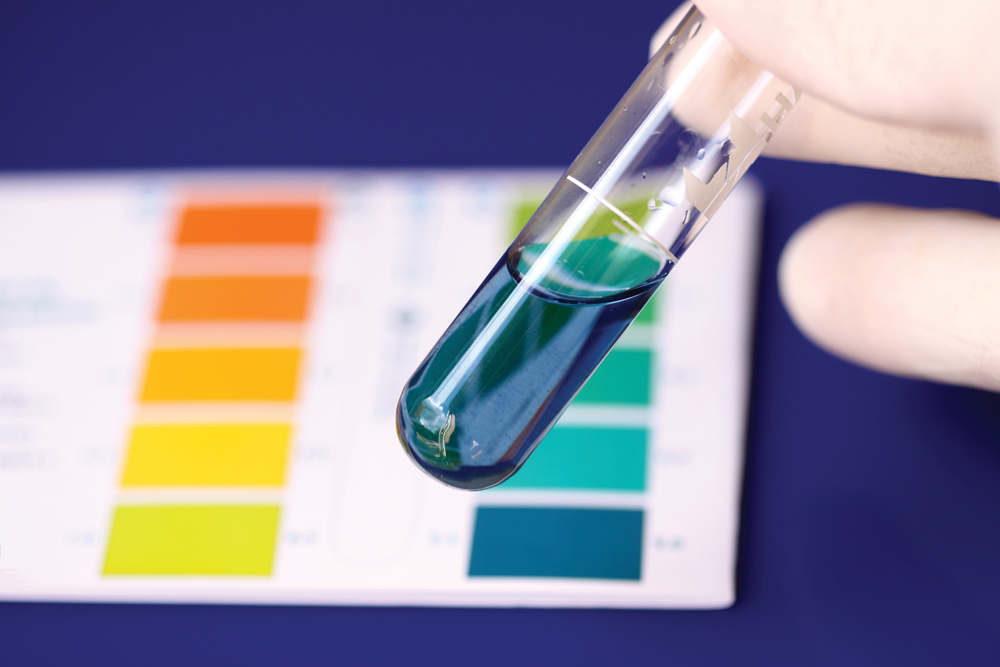
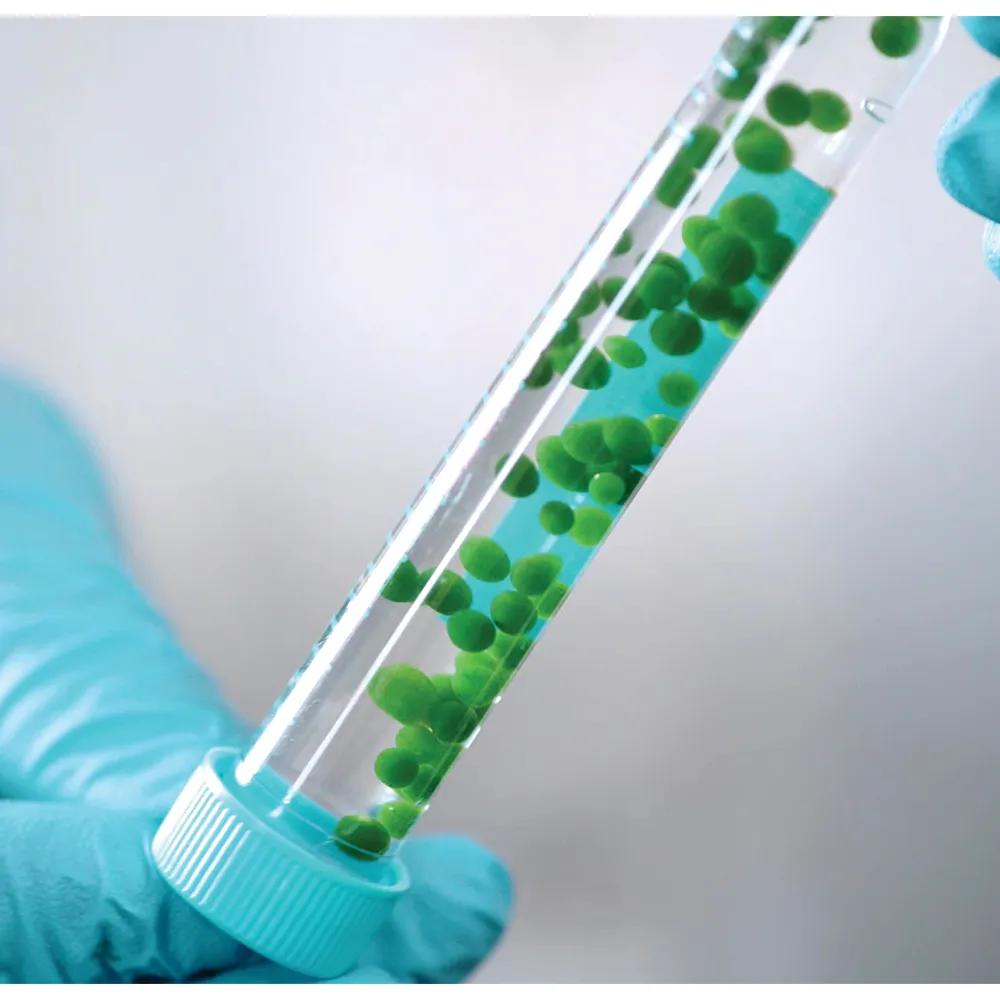
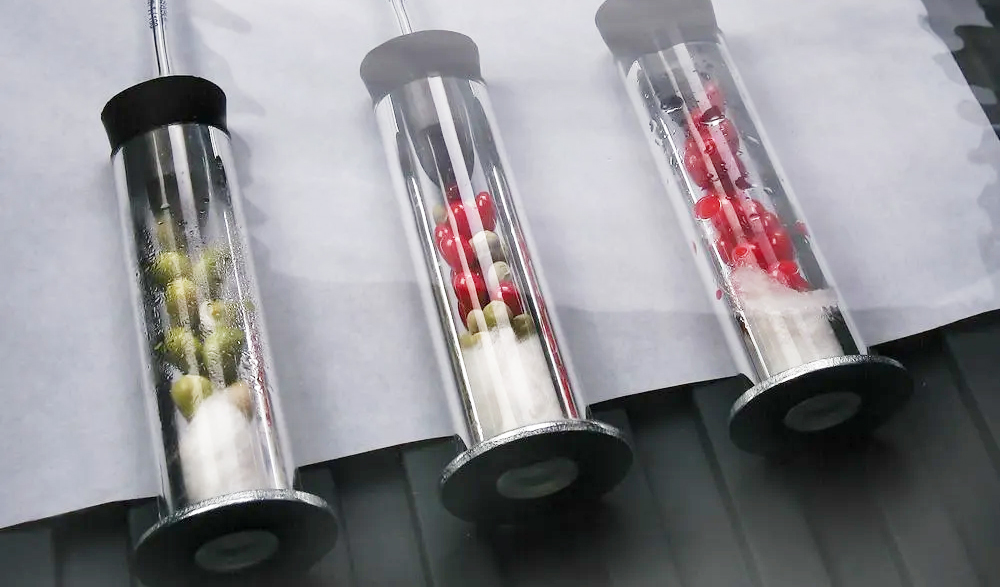
Students learn how to make their own algae beads and get hands-on experience developing a model and testing a hypothesis. They begin by learning about the relationship between wavelength of light and the rate of photosynthesis. From there, student groups form hypotheses about how different-colored light filters affect photosynthesis rate. Finally, they test their hypotheses using colored filters, their algae beads, and a bicarbonate indicator solution.

Students carry out activities demonstrating the role of light, chlorophyll, carbon dioxide, and oxygen in photosynthesis. They test elodea leaves, grown in light and in dark, for the presence of starch. They also collect oxygen produced by photosynthesis and demonstrate the depletion of carbon dioxide from water as photosynthesis occurs.

Working in groups, students use molecular models to explore the reduction of carbon dioxide to various organic molecules, which occurs during the Calvin cycle.
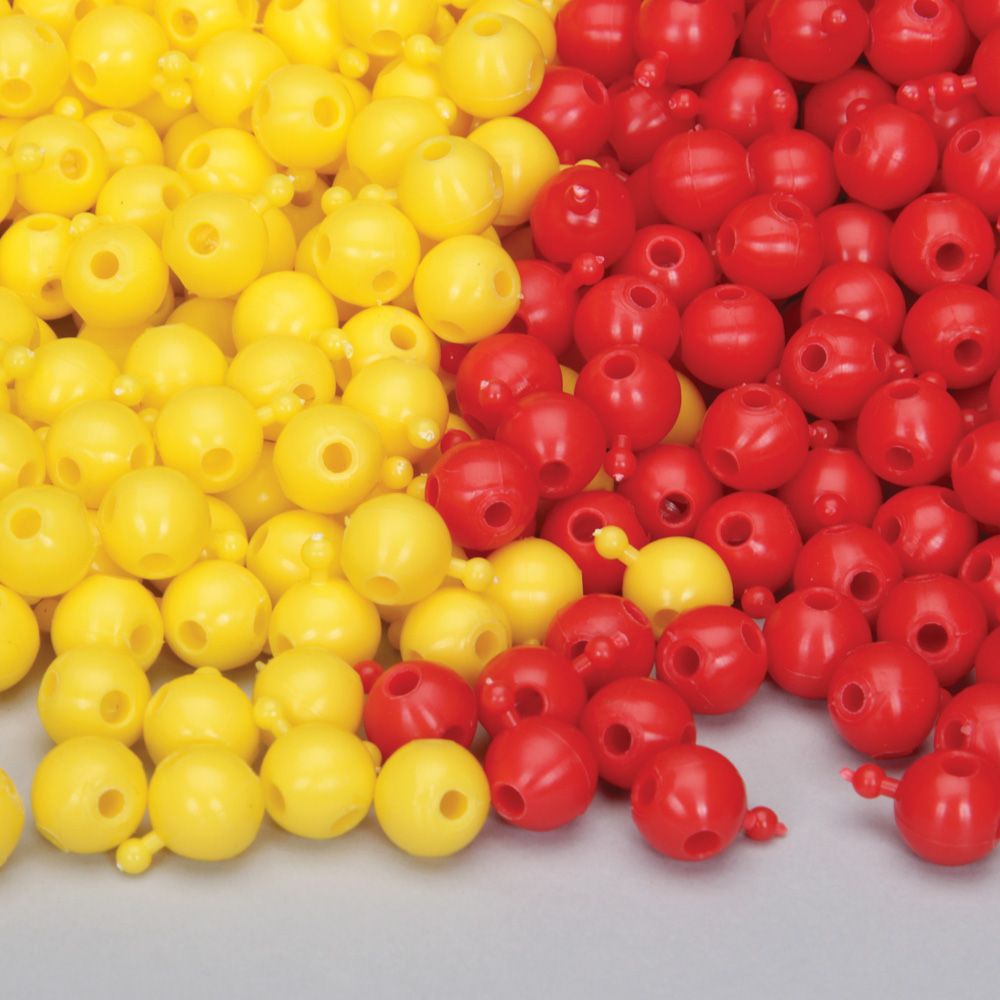
While studying photosynthesis, students can have difficulty understanding how the carbon in CO2 becomes the carbon in glucose (6H2O + 6CO2?C6H12O6 + 6O2). To clarify this concept, have your students create a basic diagram of the Calvin cycle by drawing a large circle on a piece of white drawing paper and dividing the circle into thirds. Use the labels carbon fixation, reduction, and regeneration to identify each of the cycle’s distinct steps.

Students get an up-close look at the photosynthesis process by reviewing this poster.
Engage students in hands-on labs with LabSheets, supplement your instruction with handouts and infographics, gain and share scientific insights with Timeless Tips, and streamline your preparation with shopping lists and buying guides.
Need additional guidance? Our subject matter experts and customer service team are here to help you find the right activities, kits, and resources to support your goals. Reach out to us anytime at product@carolina.com.
Get the latest news, free activities, teacher tips, product info, and more delivered to your inbox.