
Bacterial Growth on MacConkey Agar

Carolina LabSheets™ Overview In this lab studentsculture three bacteria on nutrient agar and MacConkey agar and record the results. Nutrient agar is nonselective, meaning that it supports the growth of a broad range of bacteria. MacConkey agar inhibits the growth of Gram-positive bacteria and is thus a selective medium. MacConkey agar is also a differential […]
Testing for Segregation of Alleles

Carolina LabSheets™ Overview In this lab, students test corn pollen for evidence of the segregation of alleles. The gene locus is waxy endosperm on chromosome 9. Students should be familiar with the iodine test for starch before performing this lab. Download Student Lab Sheet Needed Materials Starchy: Waxy Pollen (177010) for up to 25 students […]
Two-Point Linkage with Drosophila

Carolina LabSheets™ Overview In this lab students explore the genetic consequences of gene linkage using an F1 cross of Drosophila. 172050 Two-Point Linkage:The vial of F1 flies is from a cross between females having yellow bodies and white eyes (172290 yellow white) and wild-type males having gray bodies and red eyes (172100 wild type). Yellow […]
Vinegar Eels

Carolina LabSheets™ Overview In this lab, students observe vinegar eels. These small animals, barely visible without magnification, are found in unpasteurized cider vinegar, where they feed on the bacteria responsible for the conversion of apples to vinegar. Vinegar eels, Turbatrix aceti or Anguillula aceti (Muller, 1783), are examples of roundworms, or nematodes.. Download Student Lab […]
Investigating a Phenotype

Carolina LabSheets™ Overview A phenotype is an expressed trait. Most phenotypes studied in introductory genetics classes are visually conspicuous traits such as wing shape or eye color. In this activity, students investigate a phenotype that is not so conspicuous, and they perform a simple chemical test to reveal the underlying basis of the phenotype. Corn […]
Seed Germination

Carolina LabSheets™ Overview The story of how a seed becomes a plant is fascinating to young students. These activities will help them explore the process of germination. Students will observe the internal structure of a seed, seed germination, and early seedling growth. The activities are recommended for grades K–4 and can be done as part […]
Pill Bug Behavior
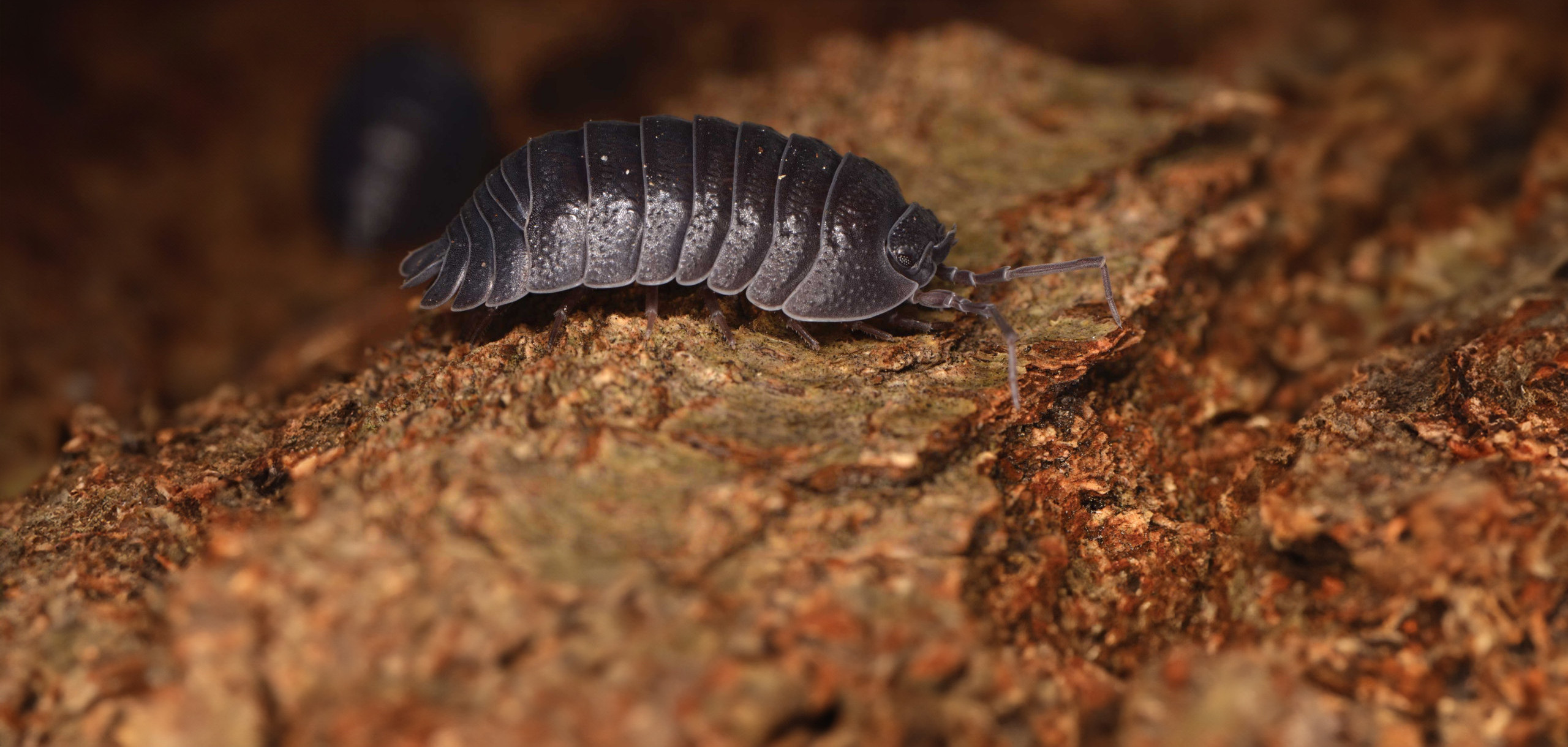
Carolina LabSheets™ Overview This activity is an introduction to animal behavior. Students conduct an experiment to test the response of pill bugs (Armadillidium vulgare) to conditions of low and high humidity. Pill bugs are crustaceans. Most crustaceans are aquatic, but pill bugs are terrestrial. Even so, they retain gills as respiratory organs, which restricts them […]
Anatomy and Physiology: Human Organs
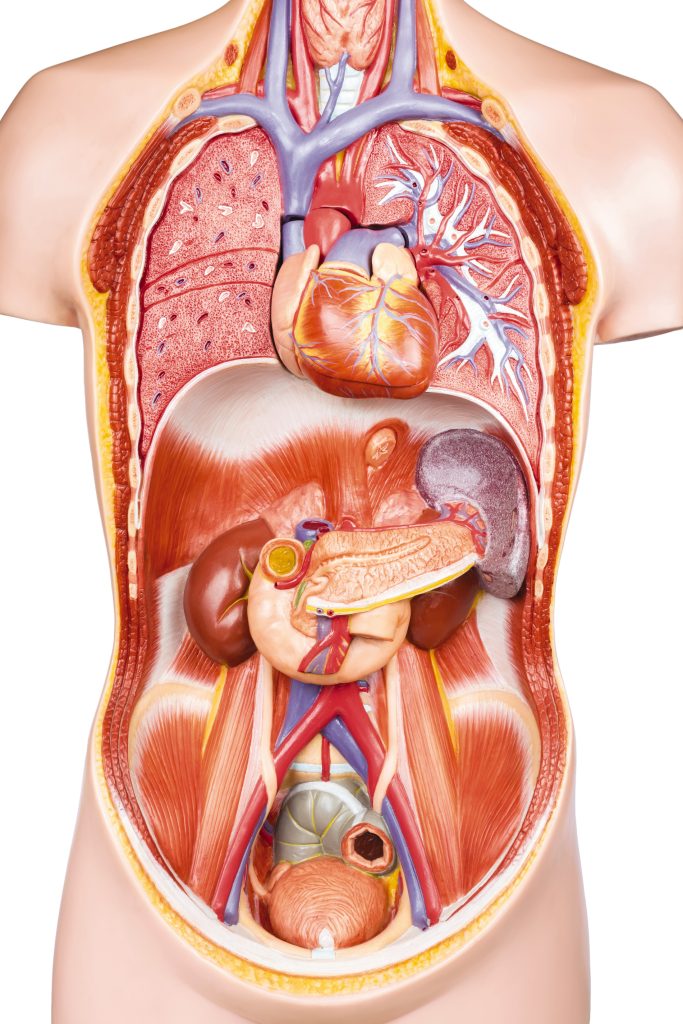
Anatomy and Physiology: Human Organs? Take a deeper dive into the anatomy and physiology of specific organs and structures within the human body. Use our student-ready infographics to introduce each key body part. Encourage students to apply their knowledge of each system by investigating health-focused case studies related to each structure. Check back periodically as […]
Introduction to Protists: Euglena
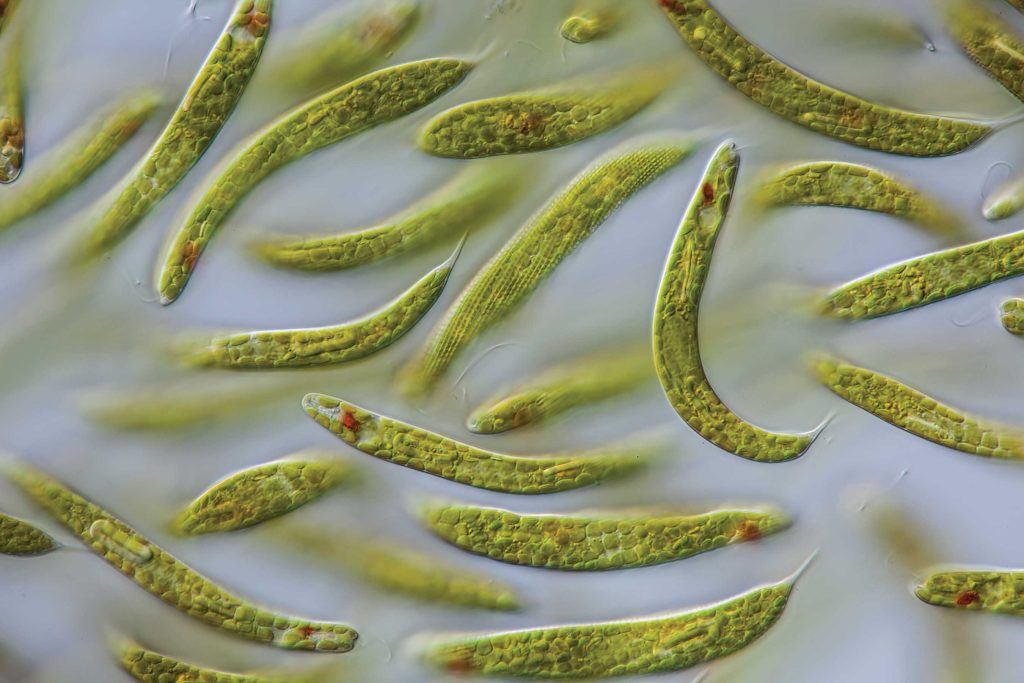
Carolina LabSheets™ Overview In this lab, students observe Euglena, a protist that combines some characteristics of animals with the plant-like ability to photosynthesize. Traditionally, Euglenas were classified under Domain Eukarya, Kingdom Protista, and Phylum Euglenozoa (sometimes Euglenophyta). However, it is widely recognized that Protista is not a natural grouping. Currently, Euglena is classified in the […]
Introduction to Prokaryotes: Cyanobacteria

CAROLINA LABSHEETS Overview Materials Procedures Quick Links Close Quick Links Open Quick Links Overview Materials Procedures Overview Materials Procedures Overview In this lab students observe two examples of cyanobacteria and make a simple comparison to a eukaryotic green alga. arrow-icon-size3 Download Activity Guide Materials Introductory Bacteria Sets arrow-icon-size3 Shop Cyanobacteria Needed Materials culture of Anabaena […]