In this lab studentsculture three bacteria on nutrient agar and MacConkey agar and record the results. Nutrient agar is nonselective, meaning that it supports the growth of a broad range of bacteria. MacConkey agar inhibits the growth of Gram-positive bacteria and is thus a selective medium. MacConkey agar is also a differential medium that distinguishes between Gram-negative bacteria that metabolize lactose and that do not.
This activity assumes that students have previously worked with bacteria and are familiar with sterile techniques and know how to streak plates.
Tube cultures (154921, 155065, and 155255) may be substituted for the plate cultures. If using tube cultures, students have to flame the mouth of the culture tube when inserting the inoculating loop and after withdrawing it and recapping the tube. Each workstation would then need a test tube rack to hold the tube culture. See our Techniques for Studying Bacteria and Fungi manual for more details on the proper handling of tube cultures.
You may substitute Prepared Media Bottles of Nutrient Agar (776360) and MacConkey Agar (776350) and pour your own plates. Each 125-mL bottle of medium will pour five plates. See our How to Melt and Pour Agar Plates video for detailed instructions. If you have an autoclave, you can work with Dehydrated Media (785300 Nutrient Agar and 784480 MacConkey Agar).
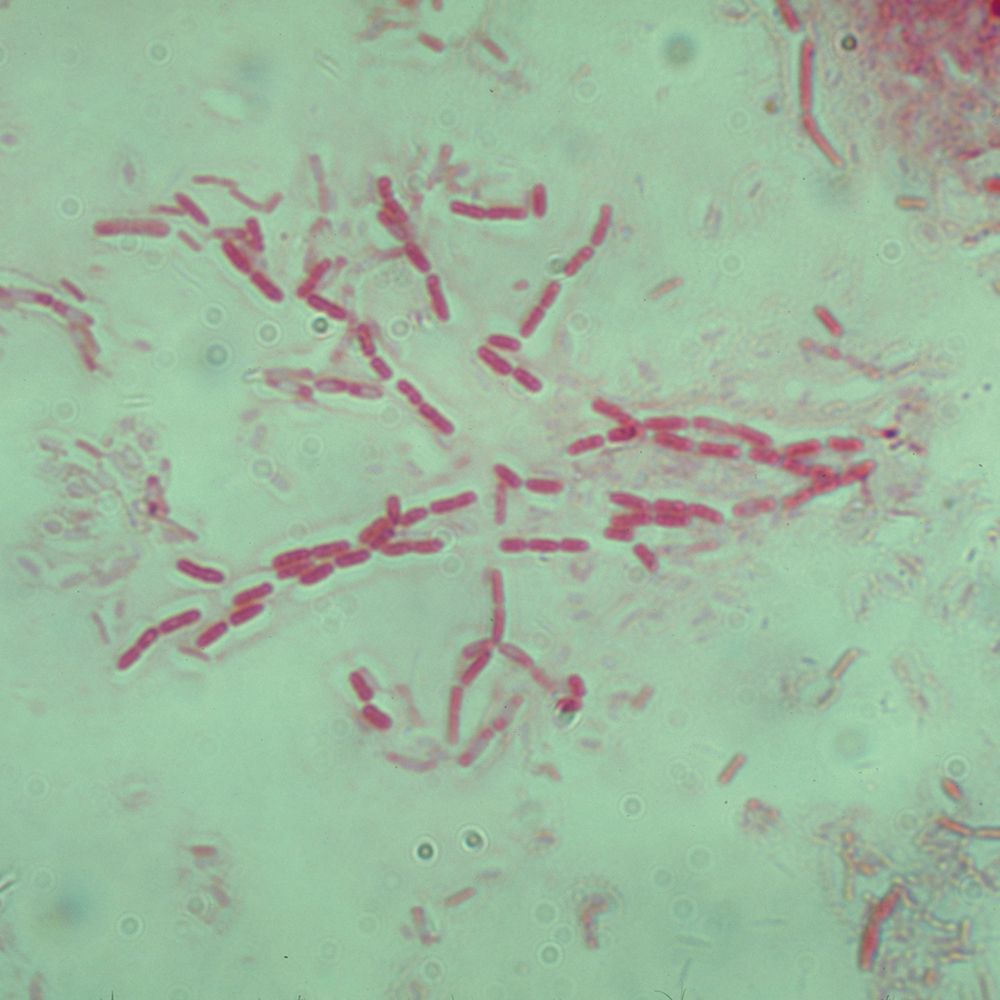
This Bacillus subtilis culture is Gram+, spore-forming, motile rods, and an antibiotic producer.
This activity requires that students work with bacterial cultures and open flames. Have students use sterile technique at all times and wear appropriate safety equipment. Ensure that all work surfaces are wiped down with disinfectant before and after the lab. Have students wash their hands before and after the lab. Destroy any cultures remaining at the end of the lab by autoclaving or by flooding with disinfectant overnight before proper disposal.
Ensure that students understand and adhere to safe laboratory practices when performing any activity in the classroom or lab. Demonstrate the protocol for correctly using the instruments and materials necessary to complete the activities, and emphasize the importance of proper usage. Use personal protective equipment such as safety glasses or goggles, gloves, and aprons when appropriate. Model proper laboratory safety practices for your students and require them to adhere to all laboratory safety rules.
Have students work either individually or in pairs (with one student responsible for streaking the nutrient agar plate and the other responsible for streaking the MacConkey agar plate).
Set up two separate stations at which students pick up nutrient agar or MacConkey agar plates. Place one or more laboratory markers at each of these stations.
Set up workstations for inoculating the plates. At each of these stations, place the bacterial cultures, a burner, and an inoculating loop.
Since the bacteria used in this activity differ widely in optimal incubation temperature (B. subtilis at 30°C, E. coli at 37°C, and P. fluorescens at 25°C), it is best to incubate the plates at room temperature and examine them for growth at 24-hour intervals. The plates should be ready for use 2 to 3 days after inoculation.
Optional:
To explore the topic of bacterial metabolism in greater depth, see the following kits: 154710 Bacterial Fermentation Kit, 154715 Bacterial Biochemical Identification Kit, and 154717 Enteric Biochemical Detective Kit.
Nutrient Agar Plate
Record observations here on the growth and appearance of the three bacteria on nutrient agar.
Bacillus subtilis Heavy growth; cream colored.
Escherichia coli Heavy growth; white, off-white, or gray.
Pseudomonas fluorescens Heavy growth may produce a greenish-gold fluorescent pigment.
MacConkey Agar Plate
Record observations here on the growth and appearance of the three bacteria on MacConkey agar.
Bacillus subtilis No or very little growth.
Escherichia coli Heavy growth; pink to red.
Pseudomonas fluorescens Heavy growth; not pink or red.
What is the purpose of the nutrient agar plate?
It shows normal growth and appearance of the bacteria when grown on agar. It serves as a control for comparison to growth on MacConkey agar.
Use your observations as recorded above to fill in the following information about these bacteria.
| Bacterium | Gram – / + | Lactose Fermentation |
|---|---|---|
|
Bacillus subtilis |
+ |
Not Determined |
|
Escherichia coli |
– |
yes |
|
Pseudomonas fluorescens |
– |
no |
You remove a culture labeled Pseudomonas fluorescens from stock and streak it onto a MacConkey agar plate. After incubation, the streak is red. What does this indicate?
That the culture tube is mislabeled or that the culture is contaminated. Less likely, is the possibility that the culture contains a strain of P. fluorescensthat can metabolize lactose.




Get the latest news, free activities, teacher tips, product info, and more delivered to your inbox.