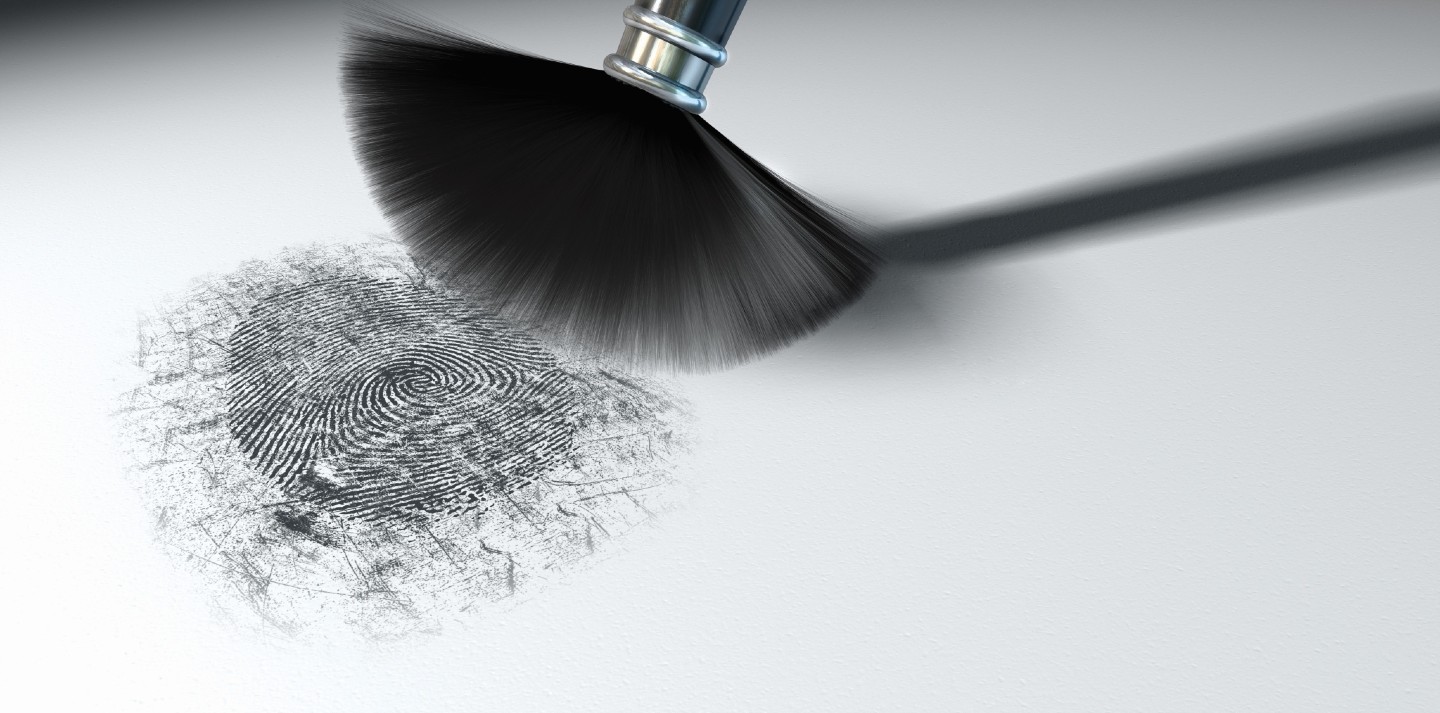
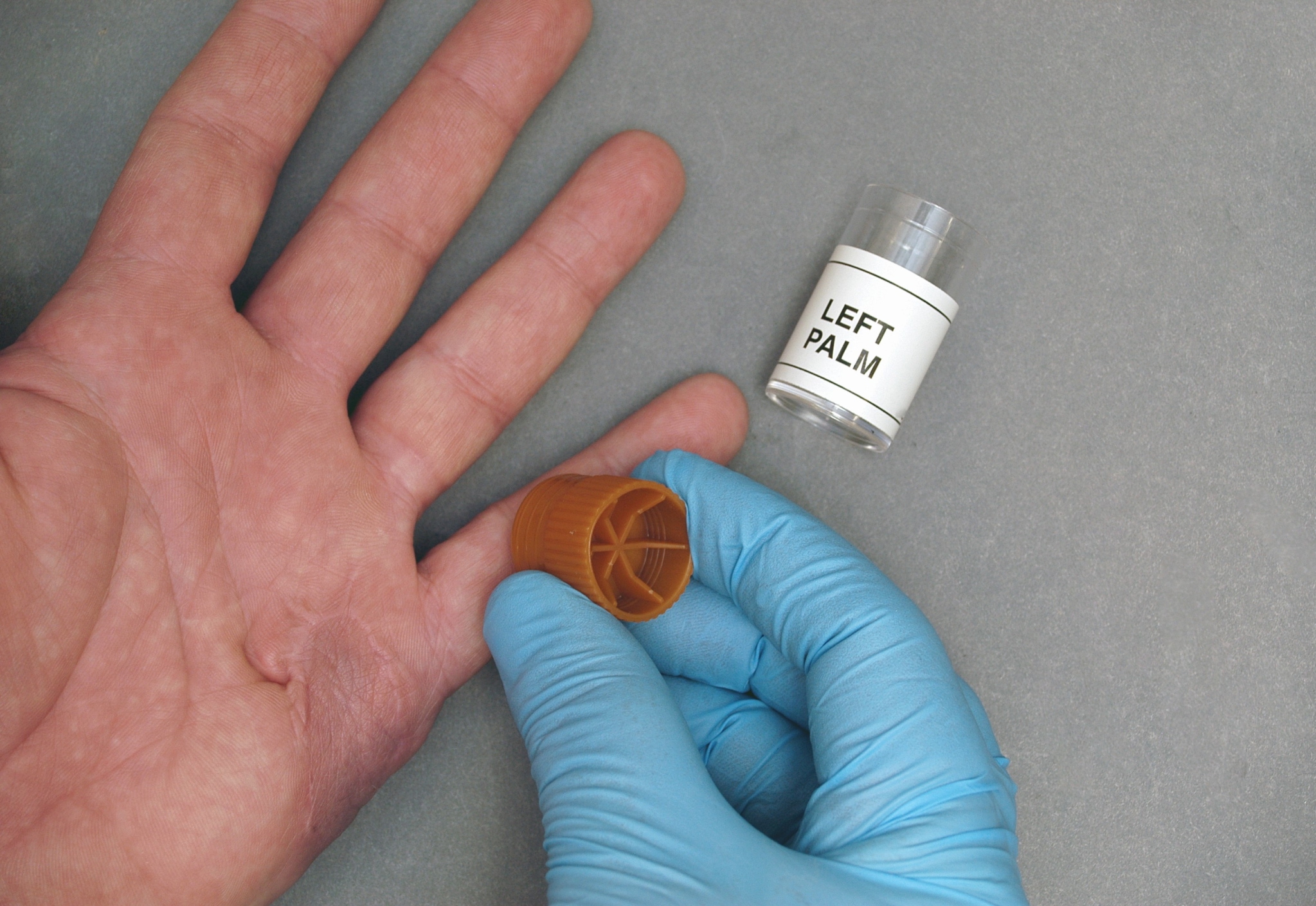
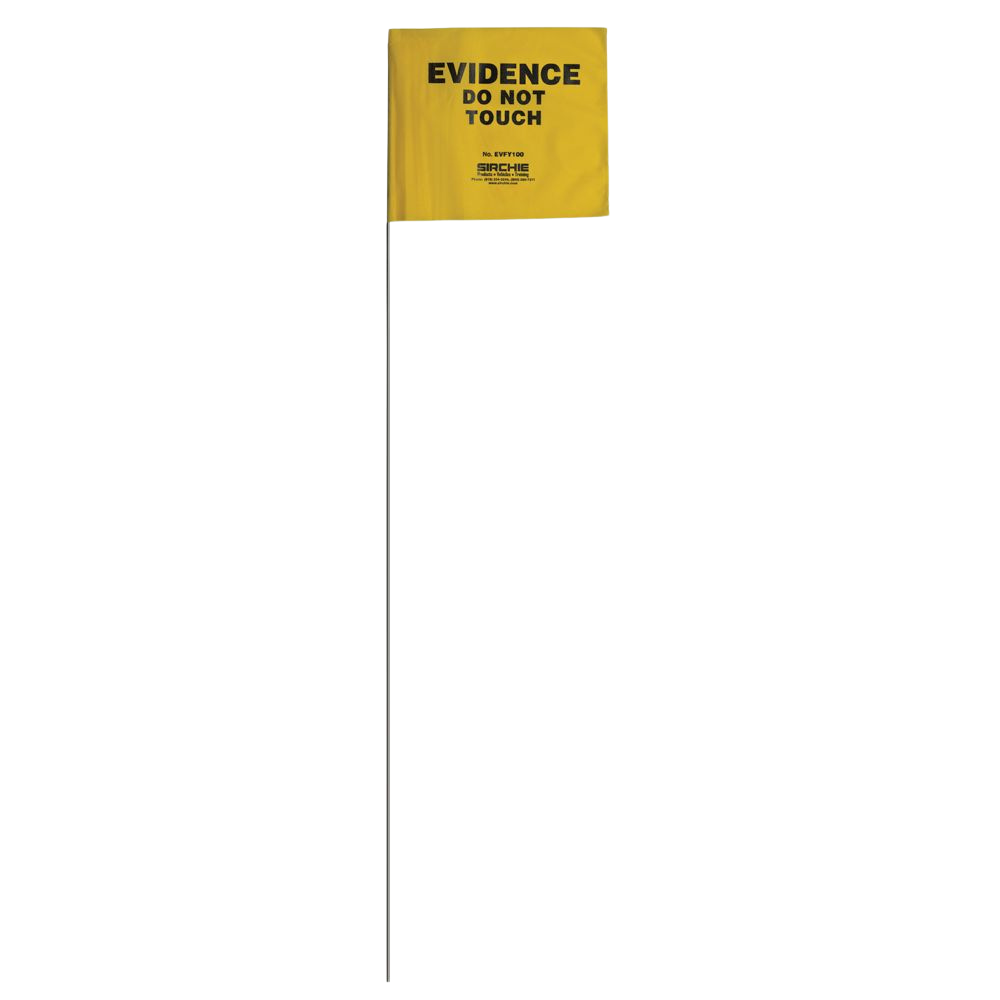
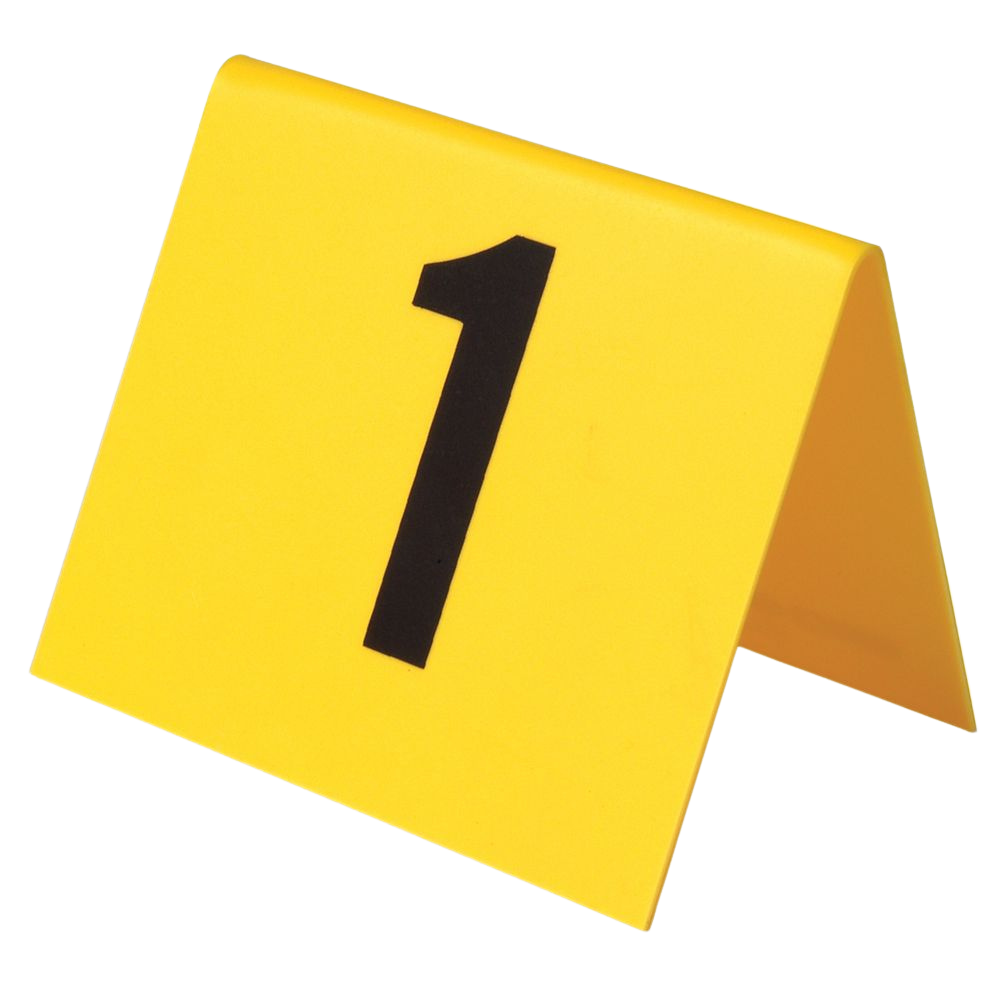
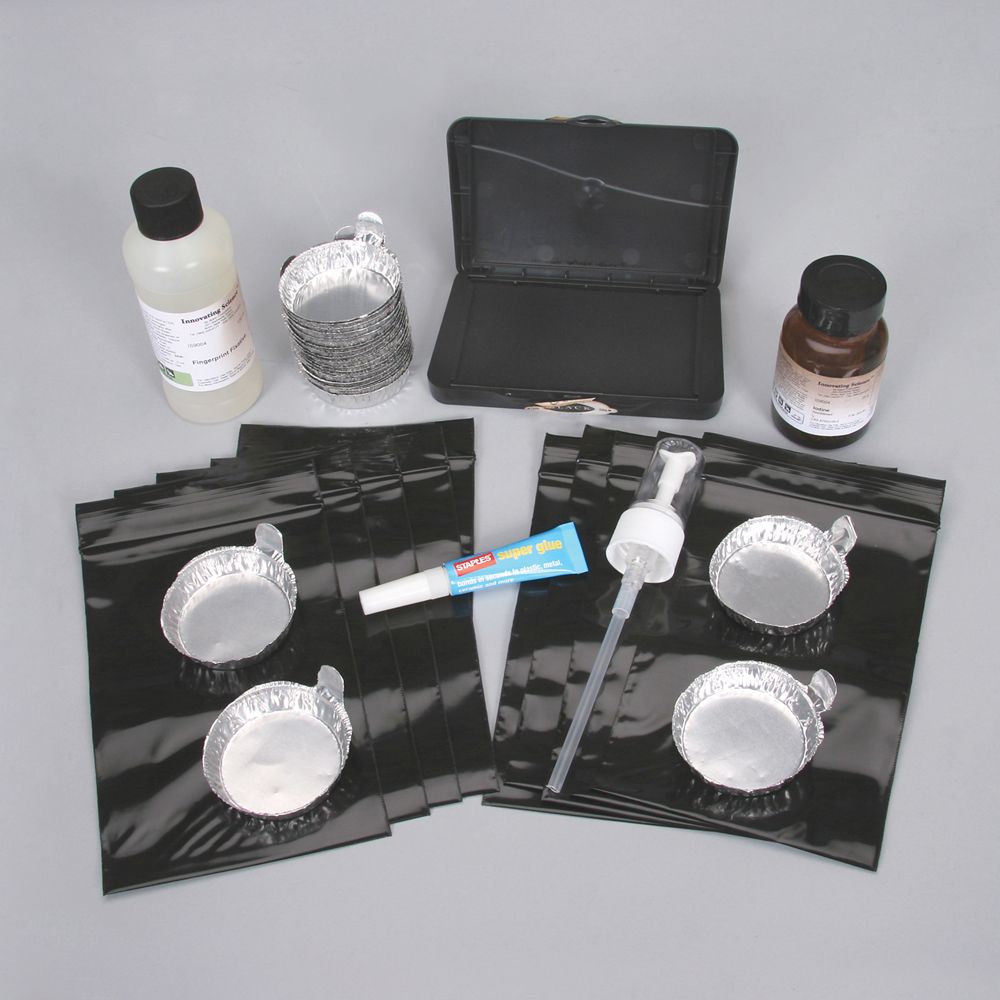
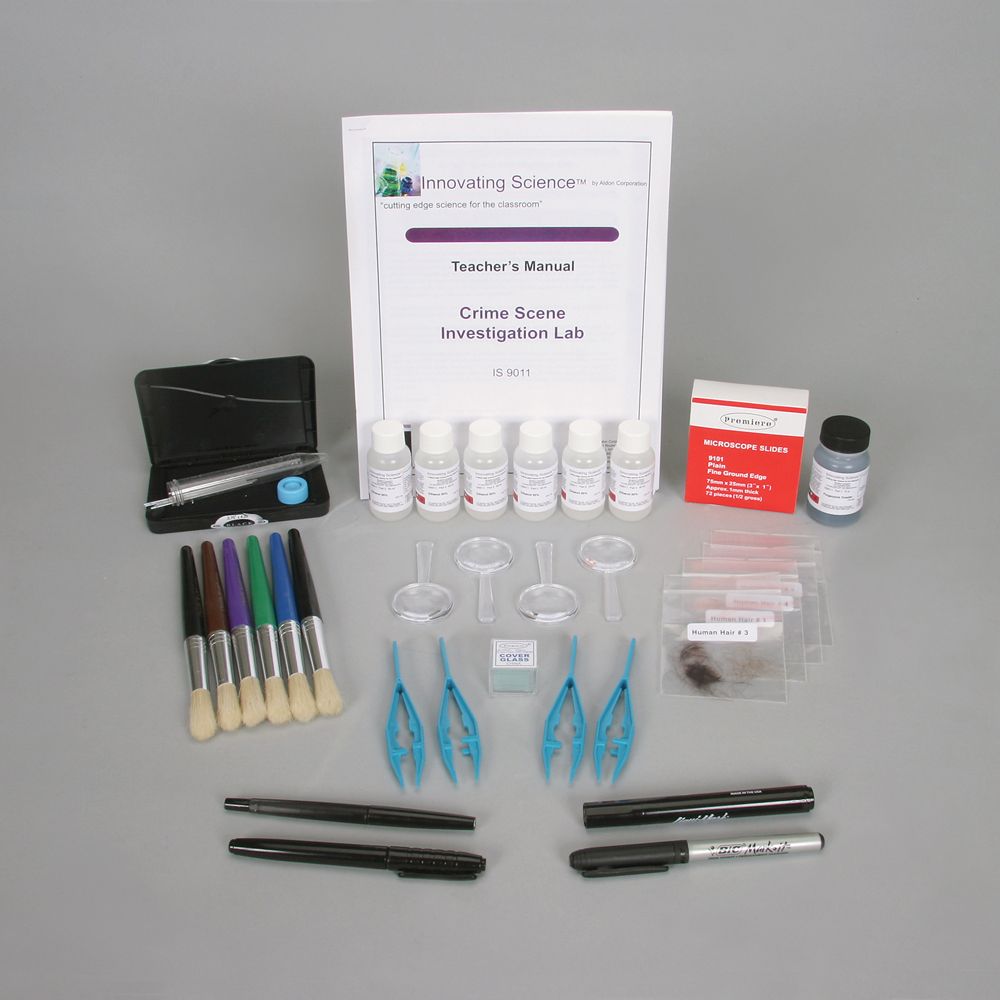
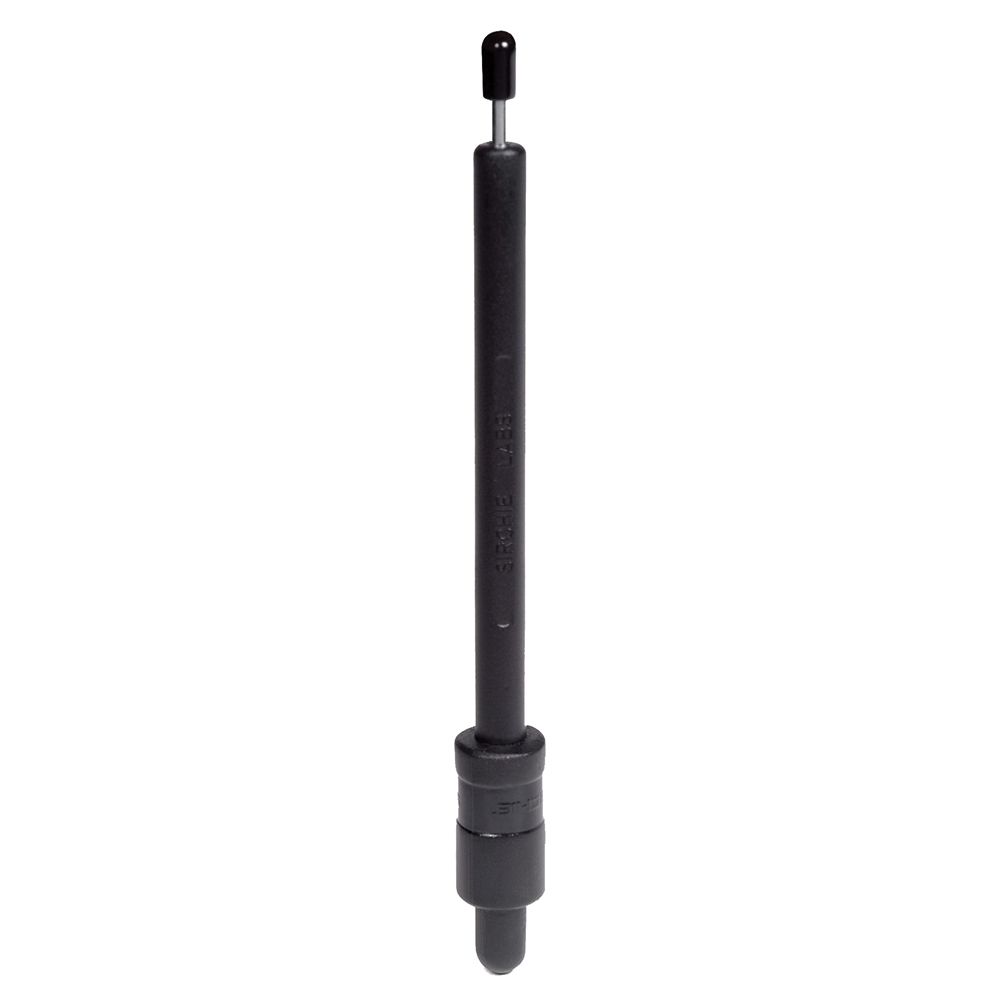
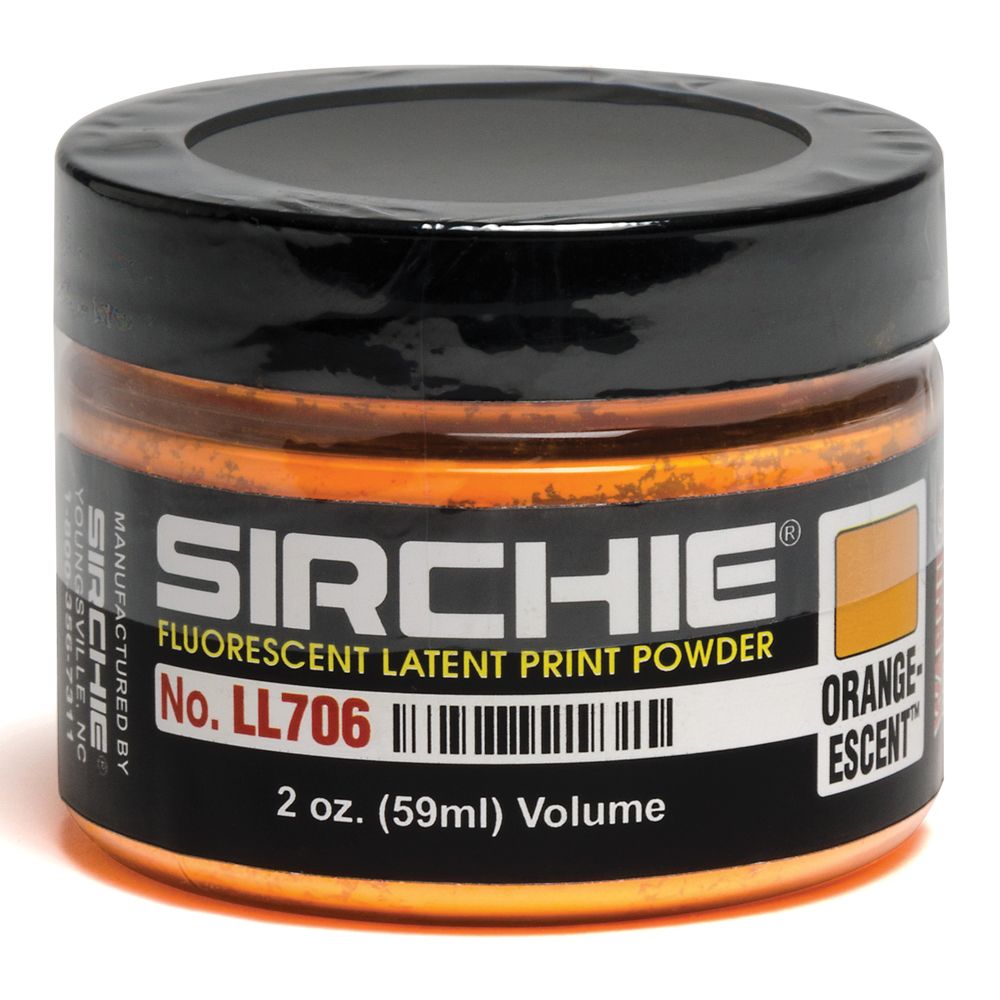
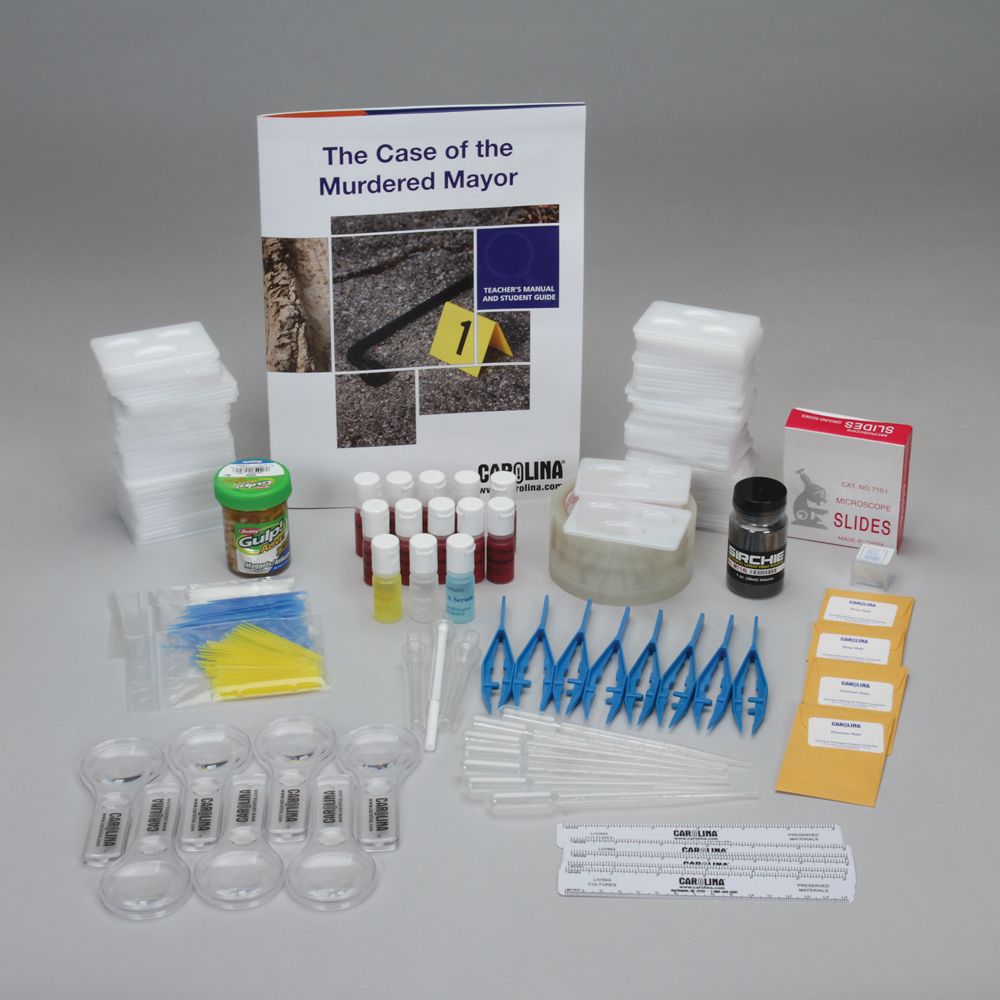
Latent fingerprints are prints caused by natural secretions of the skin, which are not visible to the naked eye. Although invisible, the prints can be developed through a physical or chemical process. Several factors must be taken into consideration when choosing the correct process by which to make these prints appear. We can help you gain an understanding of latent fingerprinting and show you a few tips and tricks to help bring out the best in your prints.
Imprint your science expertise on the topic of dactyloscopy, the study of fingerprints. Fingerprints are completely unique, with no 2 people discovered to have identical prints. Using fingerprinting supplies and materials from Carolina, you can bring this activity into your classroom and introduce forensics in an exciting way. The activity supports 3-dimensional learning and builds toward the following:
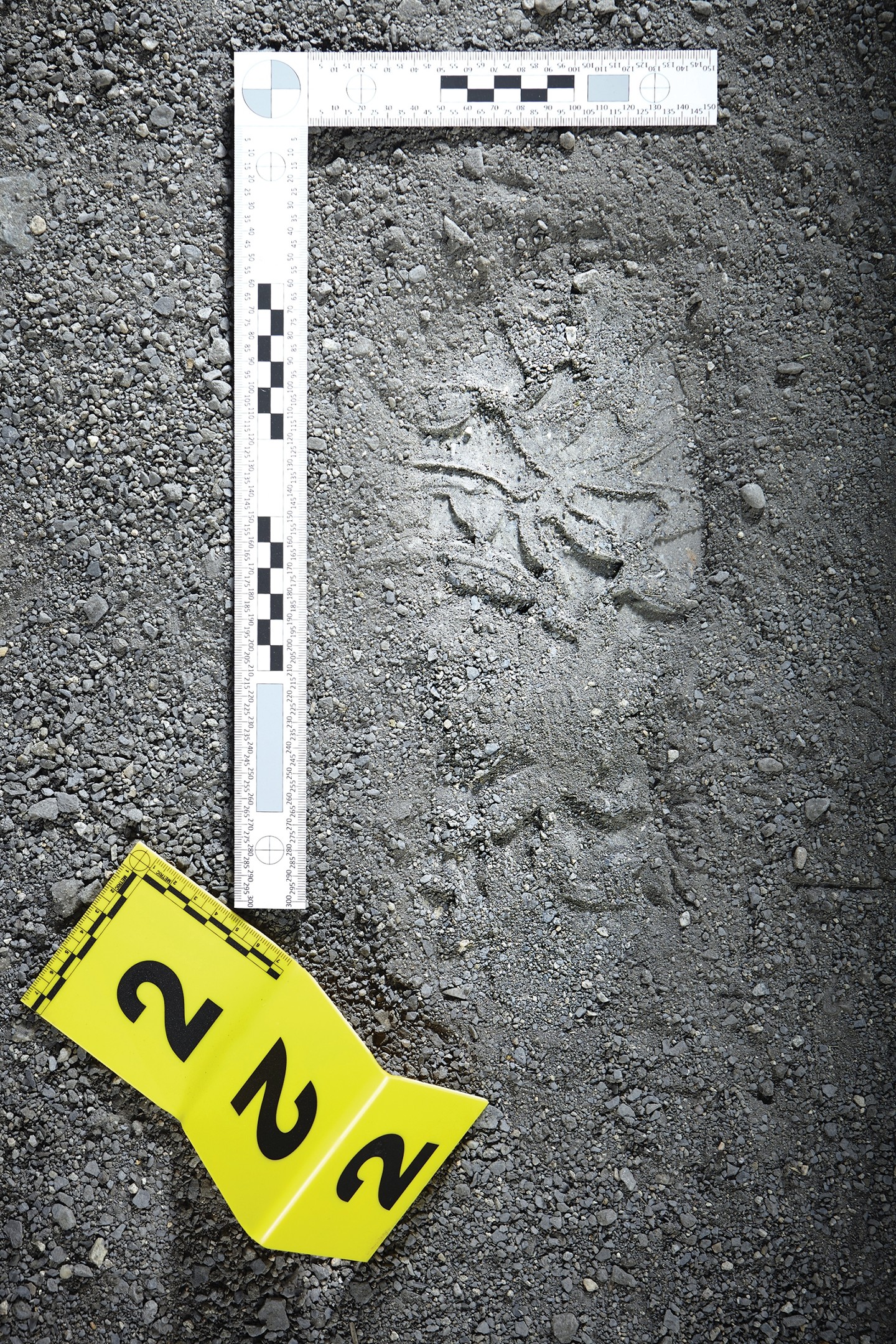
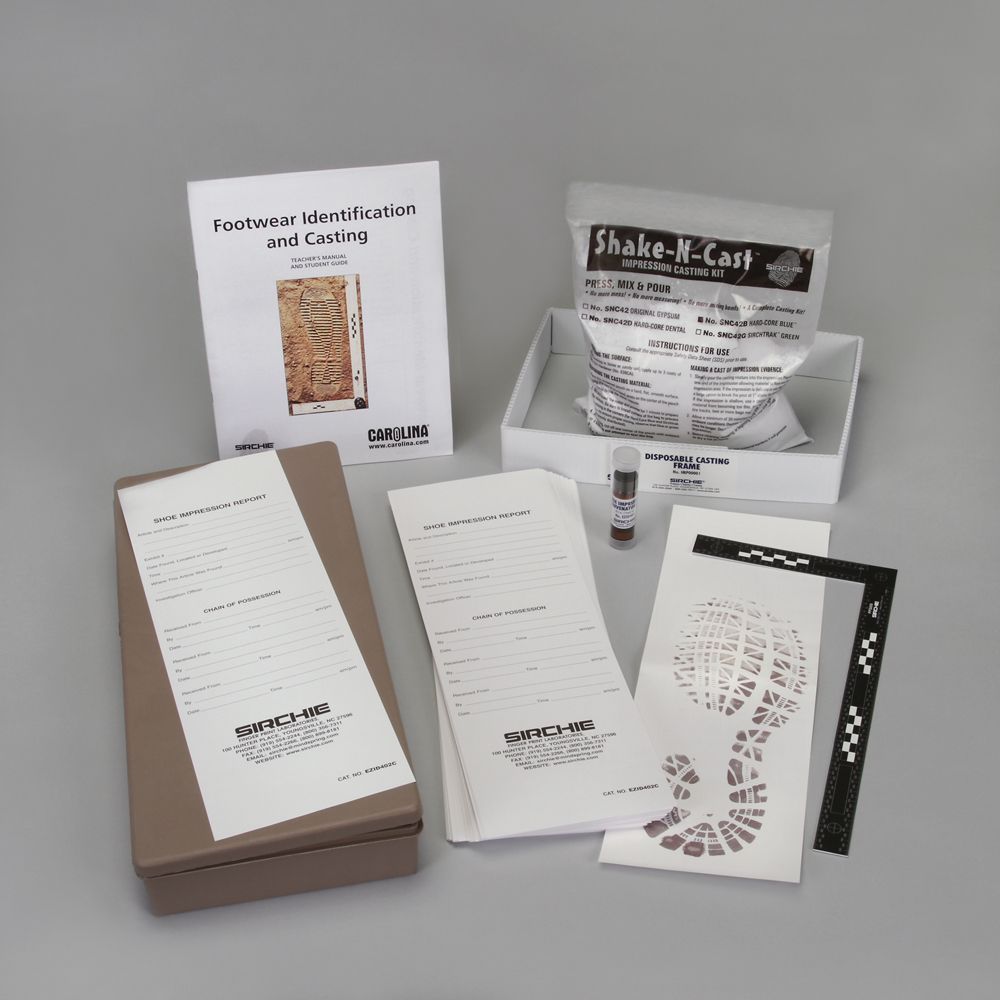
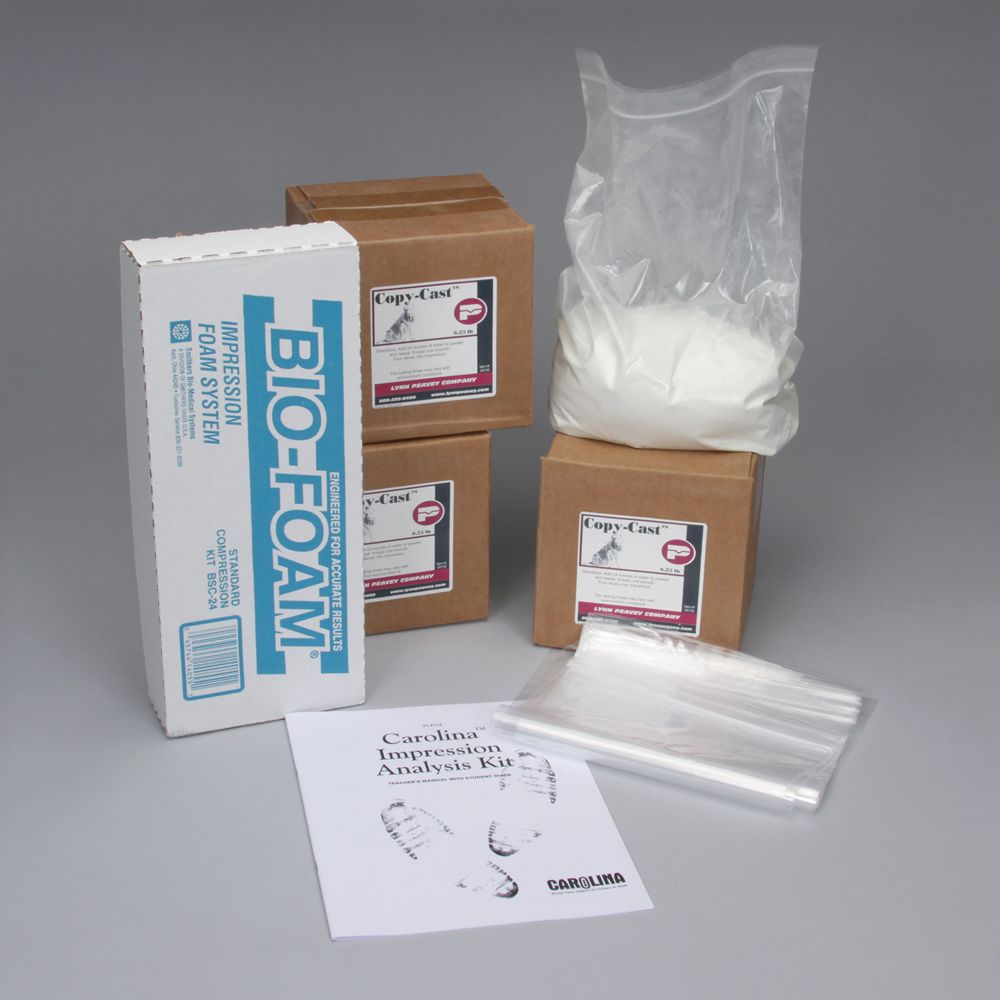
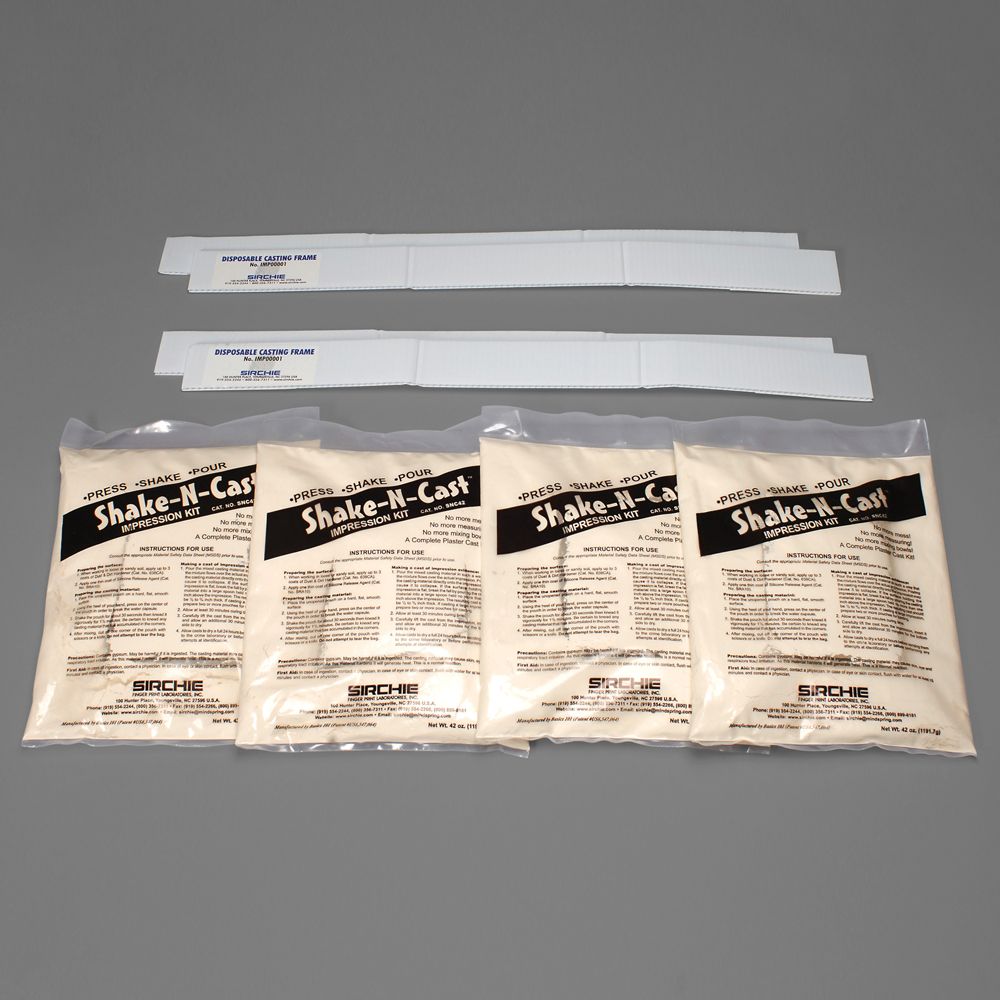
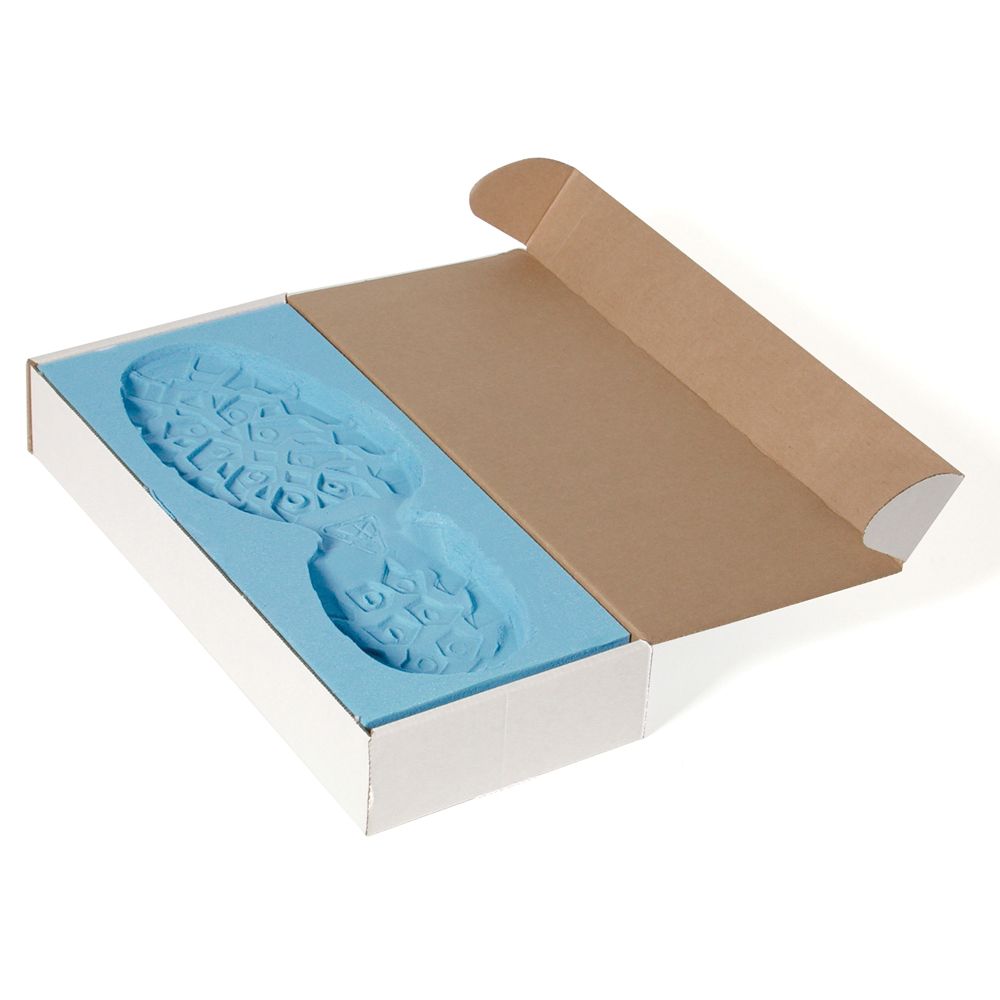
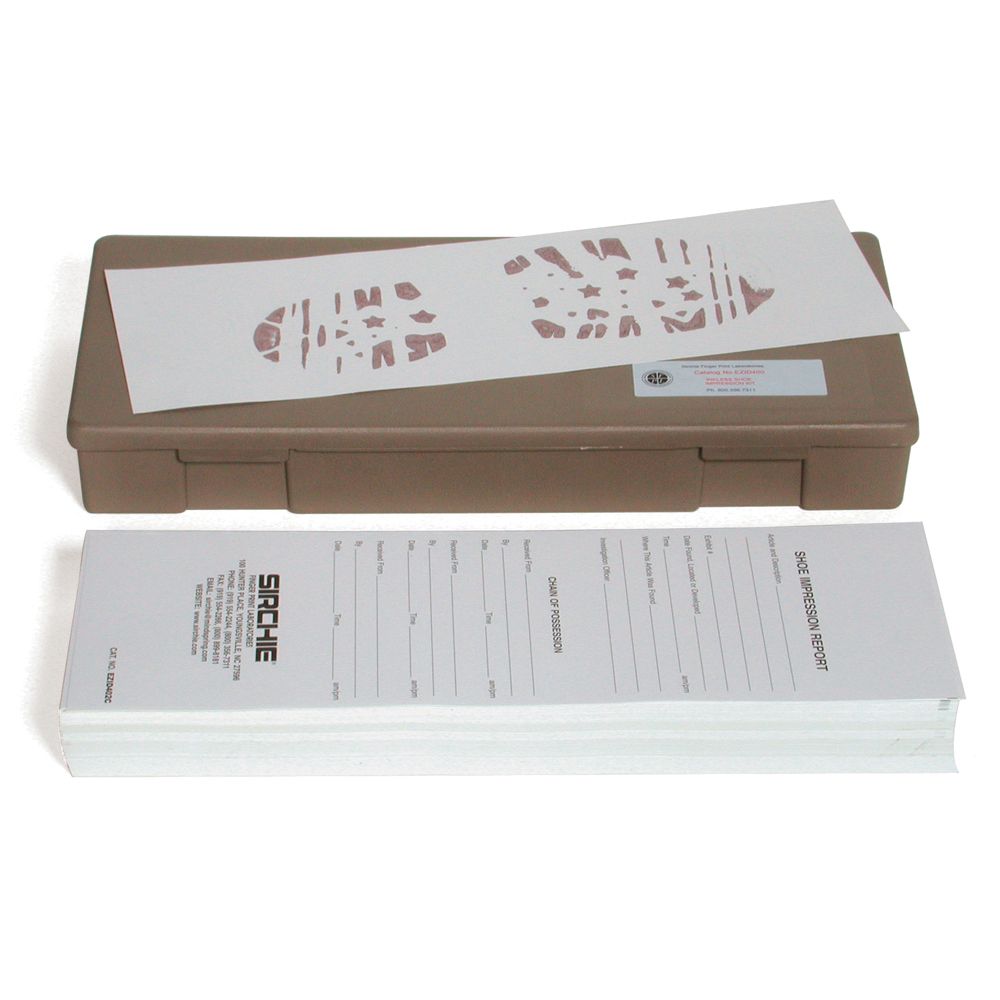
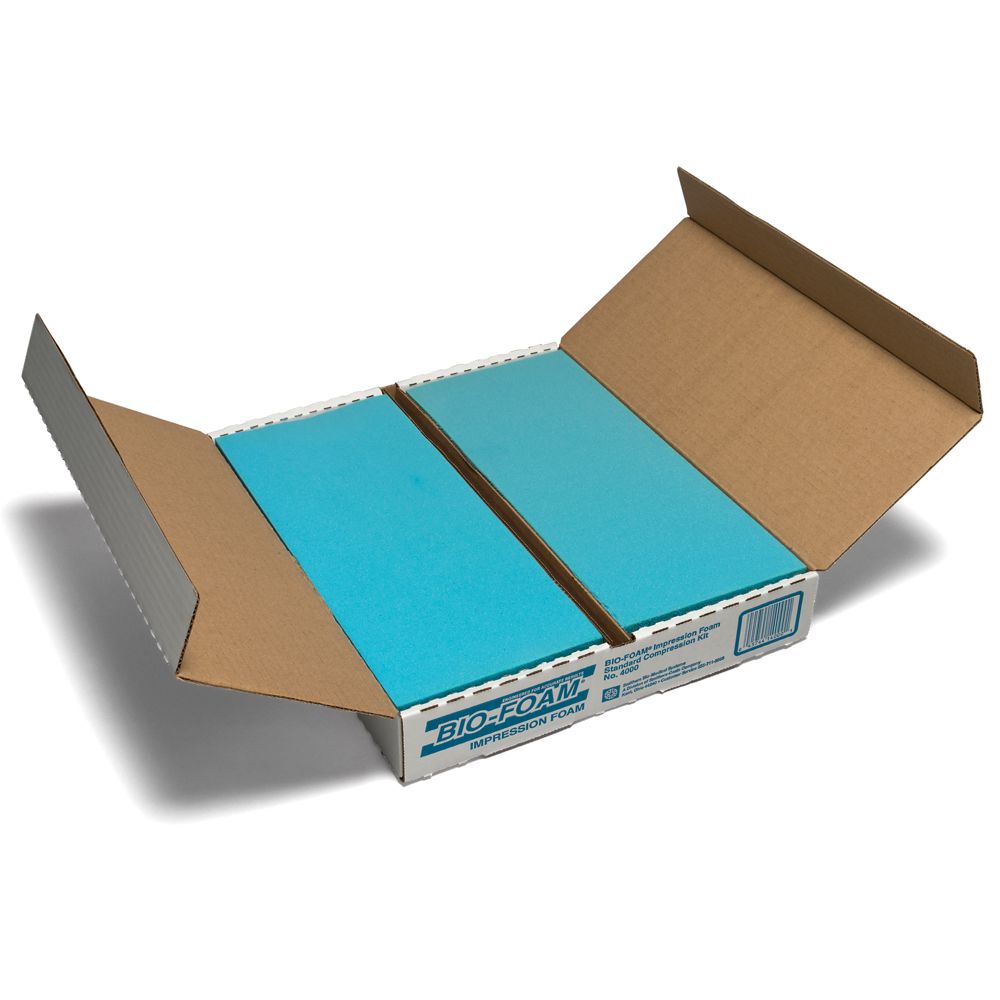
Impressions left by footwear at a crime scene can be used as evidence in an investigation. In some cases, footwear impressions can reveal substantial information. The type of shoe, the pattern of footprints left behind, and types of surfaces (mud, sand, a biological fluid) can all be important clues. Let the pros show you how to perform impression casting–just one of the techniques found in our kits.
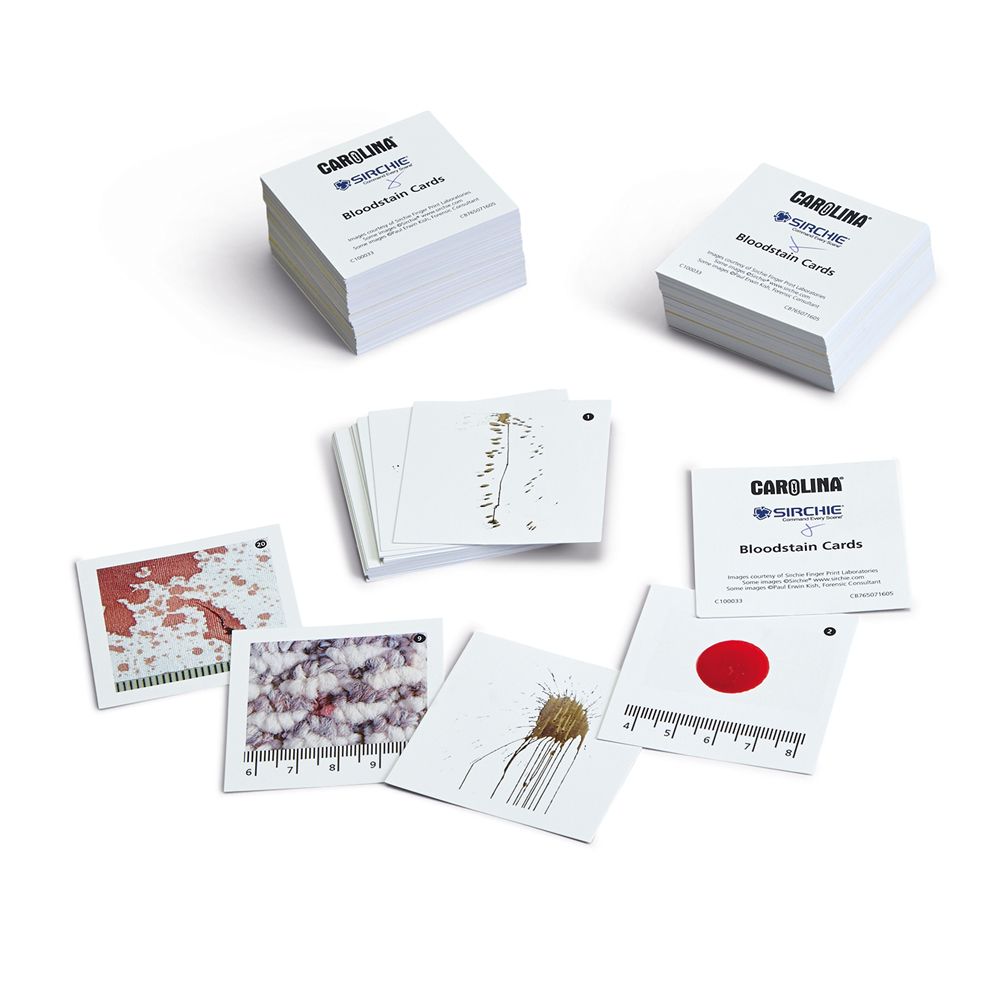
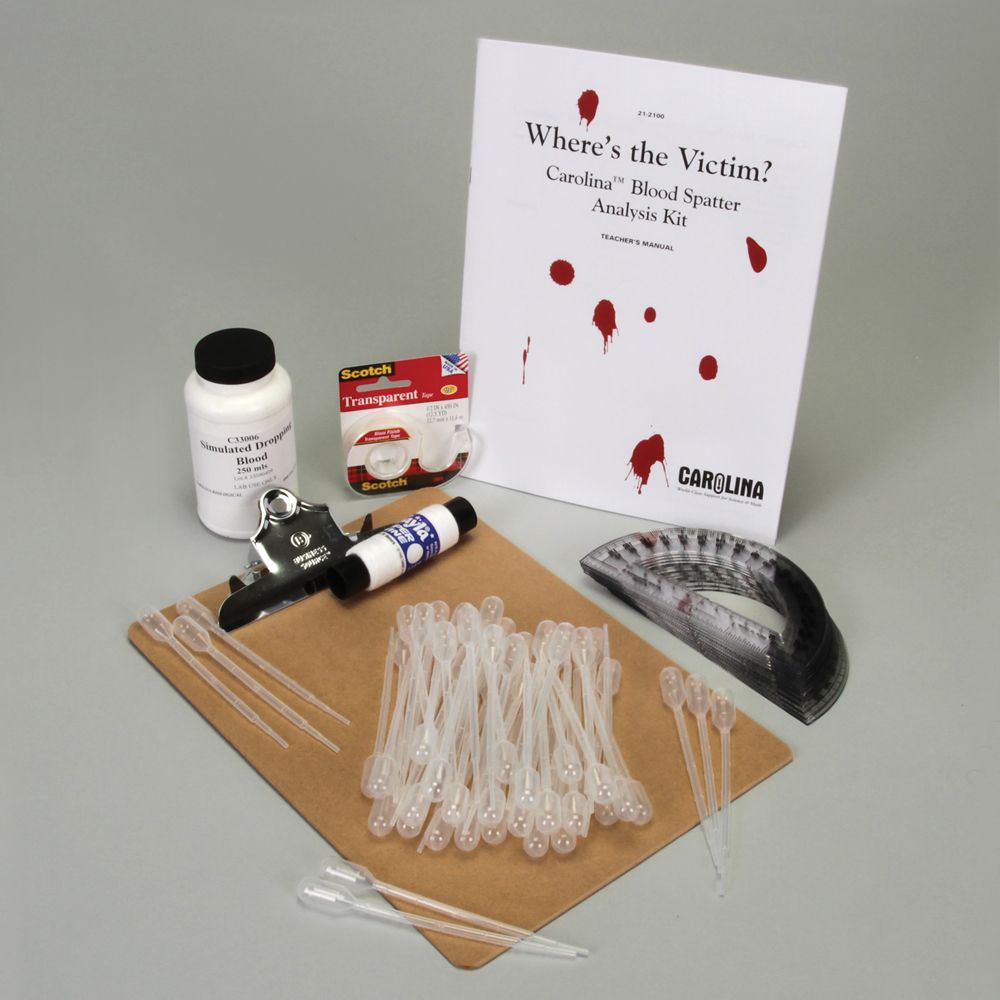
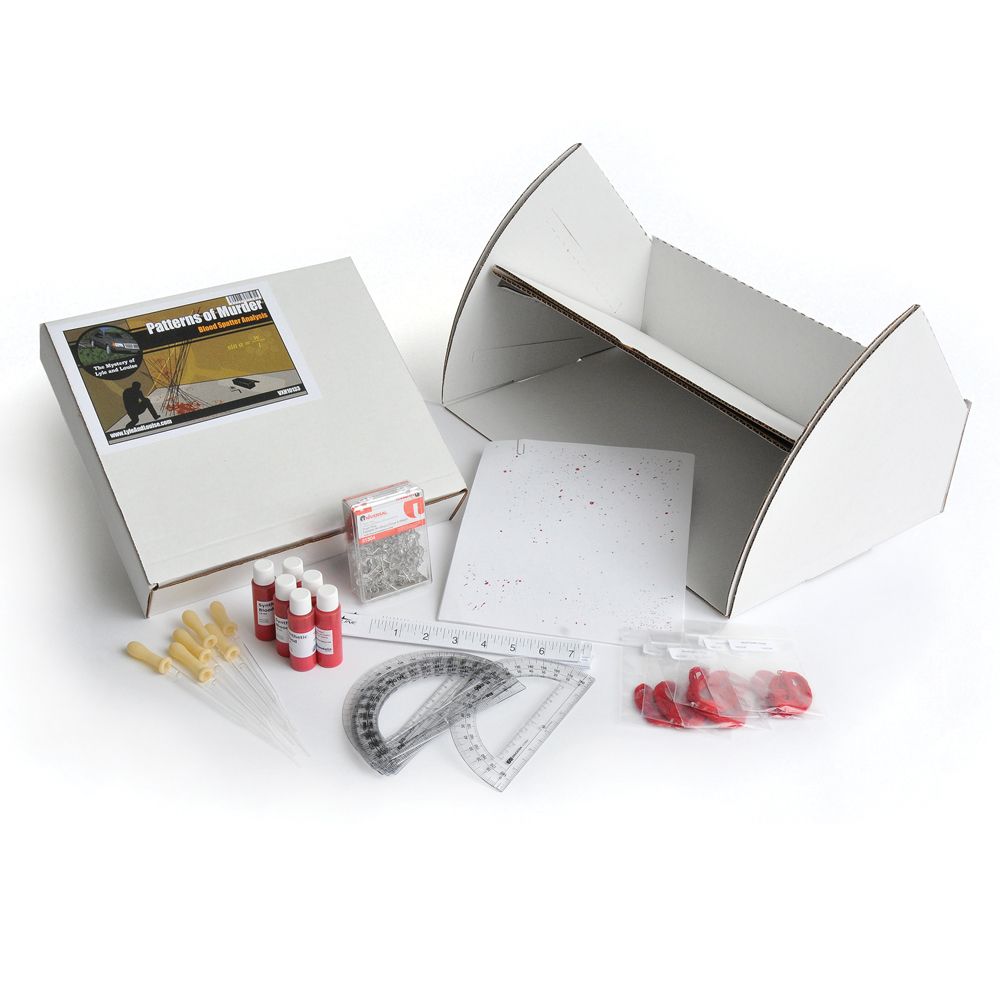
By researching and cataloging bloodstain patterns, scientists are better able to understand the actions involved in violent crimes. Scientists also use physics and math to analyze patterns so they can determine at what angle the blood hit a surface and from where it originated. Knowing this allows scientists to restage the actions of a crime. Learn more about bloodstain pattern analysis with our activity.
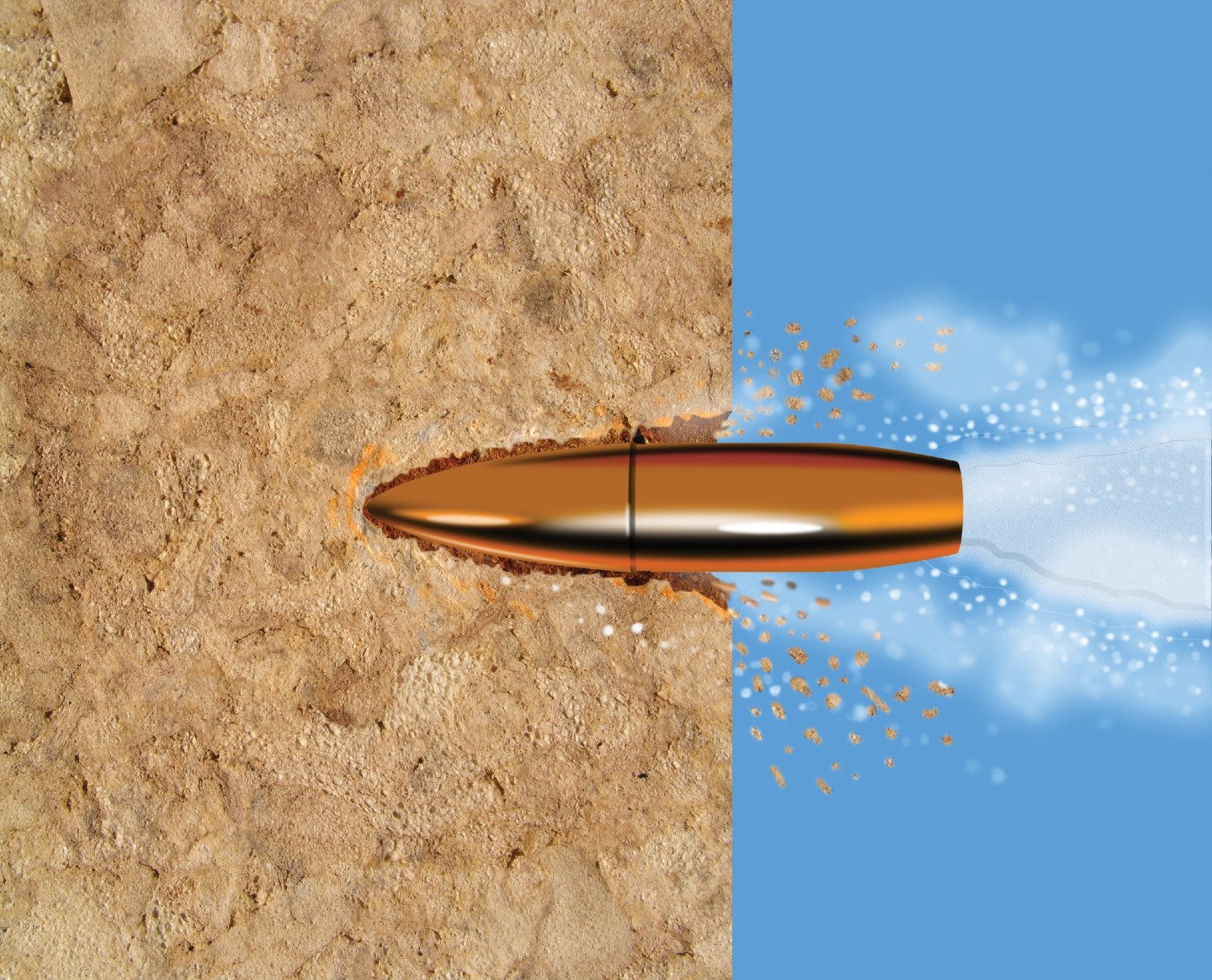
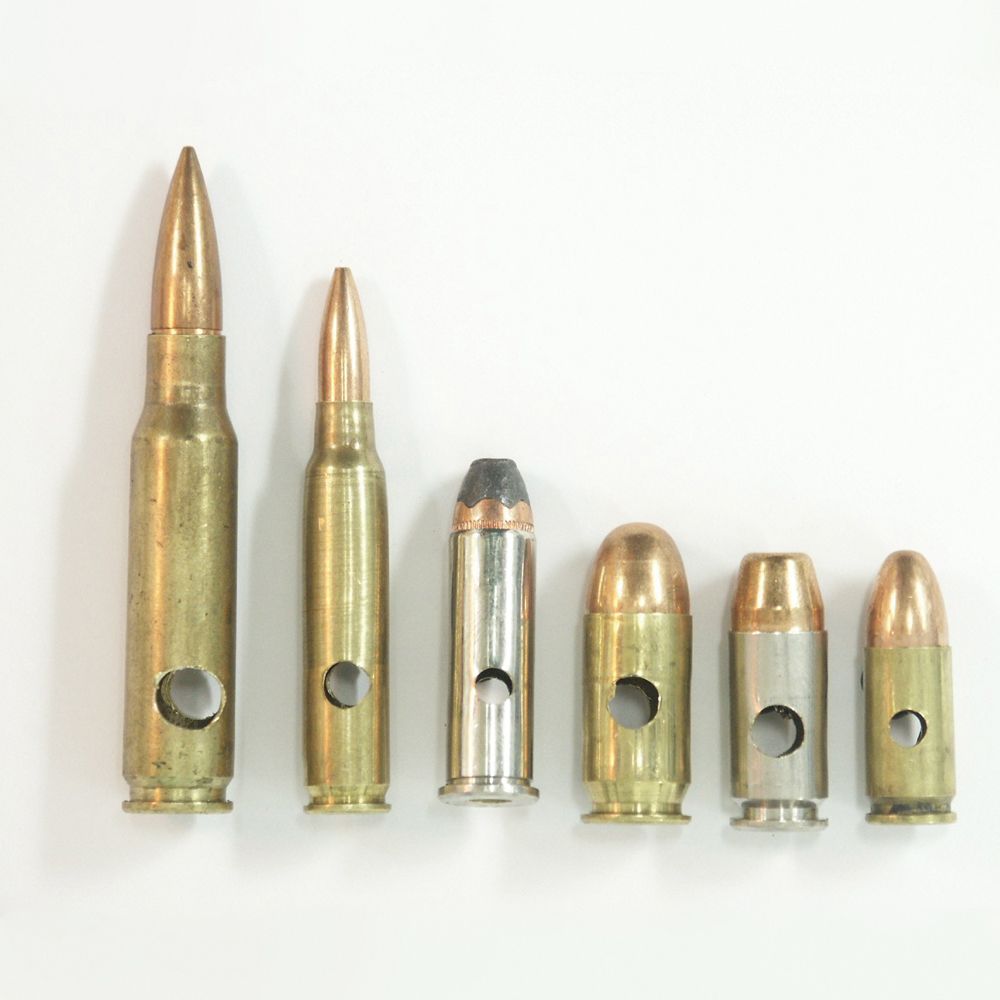
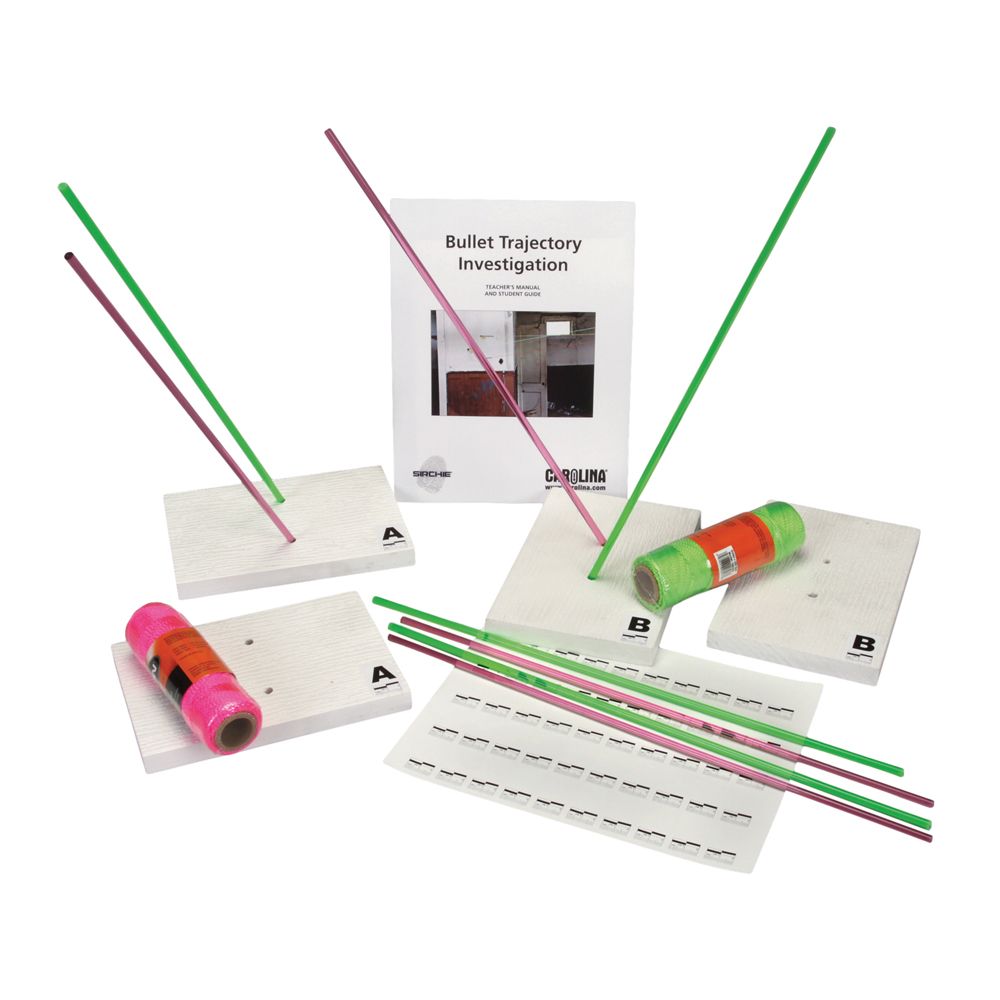
When a firearm is used in a crime, bullet trajectory and shooting reconstruction allow investigators to use trigonometry to calculate the angle of trajectory. Learn about projectile motion, bullet entry/exit patterns, and angle of incidence with mock bullet perforations in our ballistics activity.
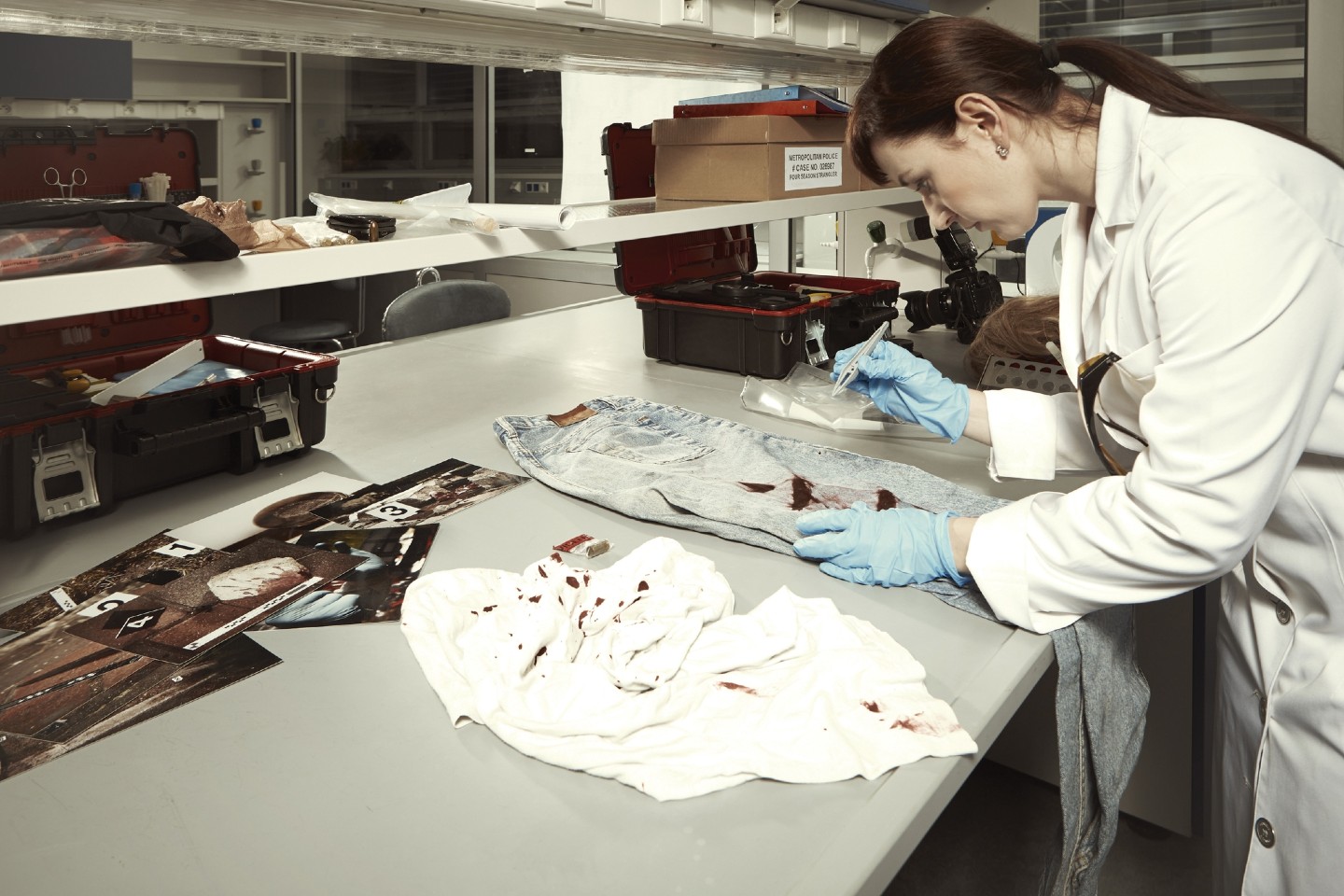
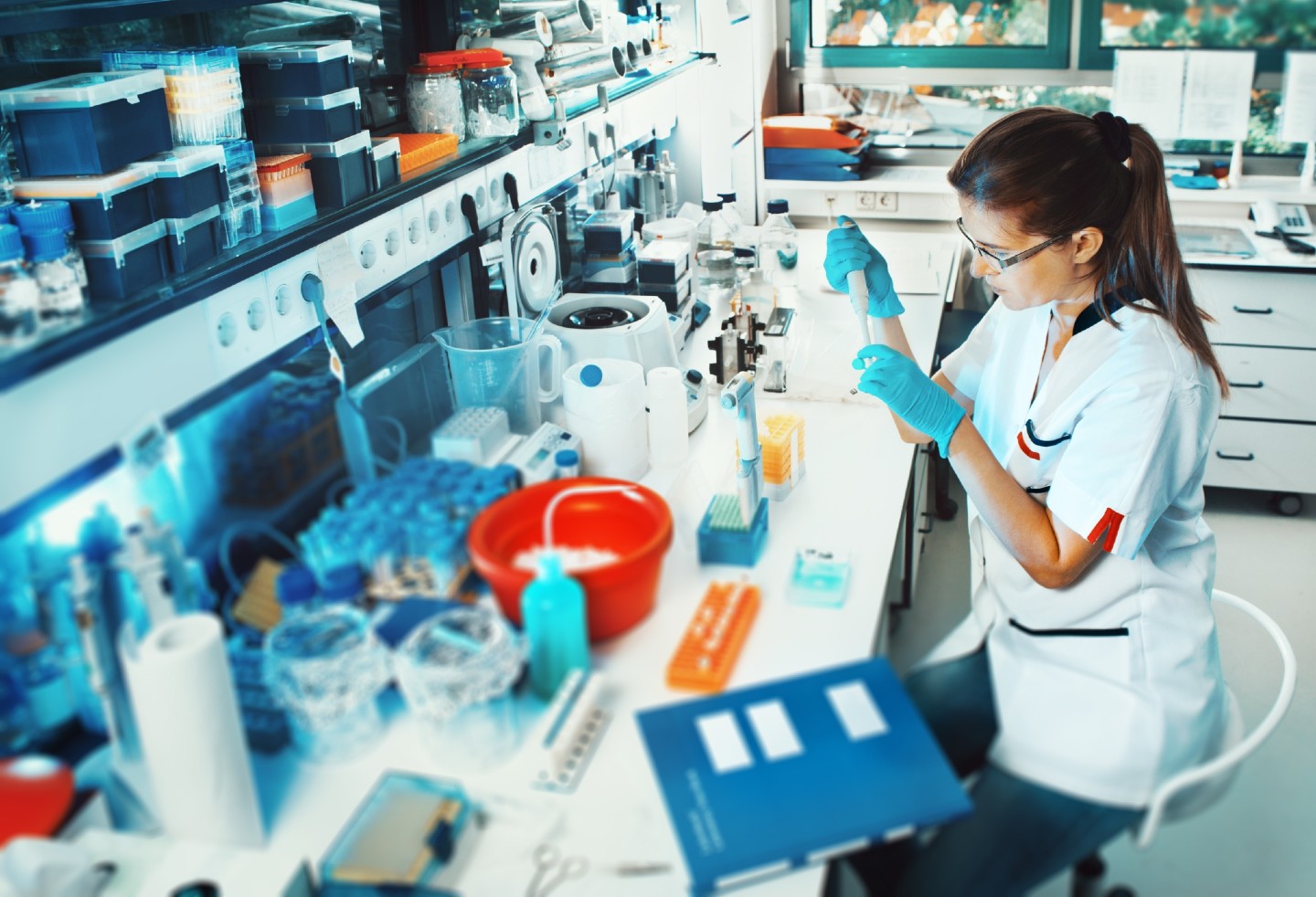
After being properly documented by crime scene investigators, evidence is transported to a forensic laboratory for testing and analysis. Scientists with a broad range of specializations–in pathology, toxicology, firearms, forensic biology, latent evidence, and trace evidence, to name a few–make up the staff in a typical forensic lab.
These staff members analyze evidence from the crime scene with sophisticated equipment, including mass spectrophotometers, DNA sequencers, scanning electron microscopes, and modern photography equipment. Next, the staff interprets evidence from chemical and physical tests to reconstruct a crime scene. The laboratory analysts prepare in-depth written reports of their findings and may also be called upon to testify in court.
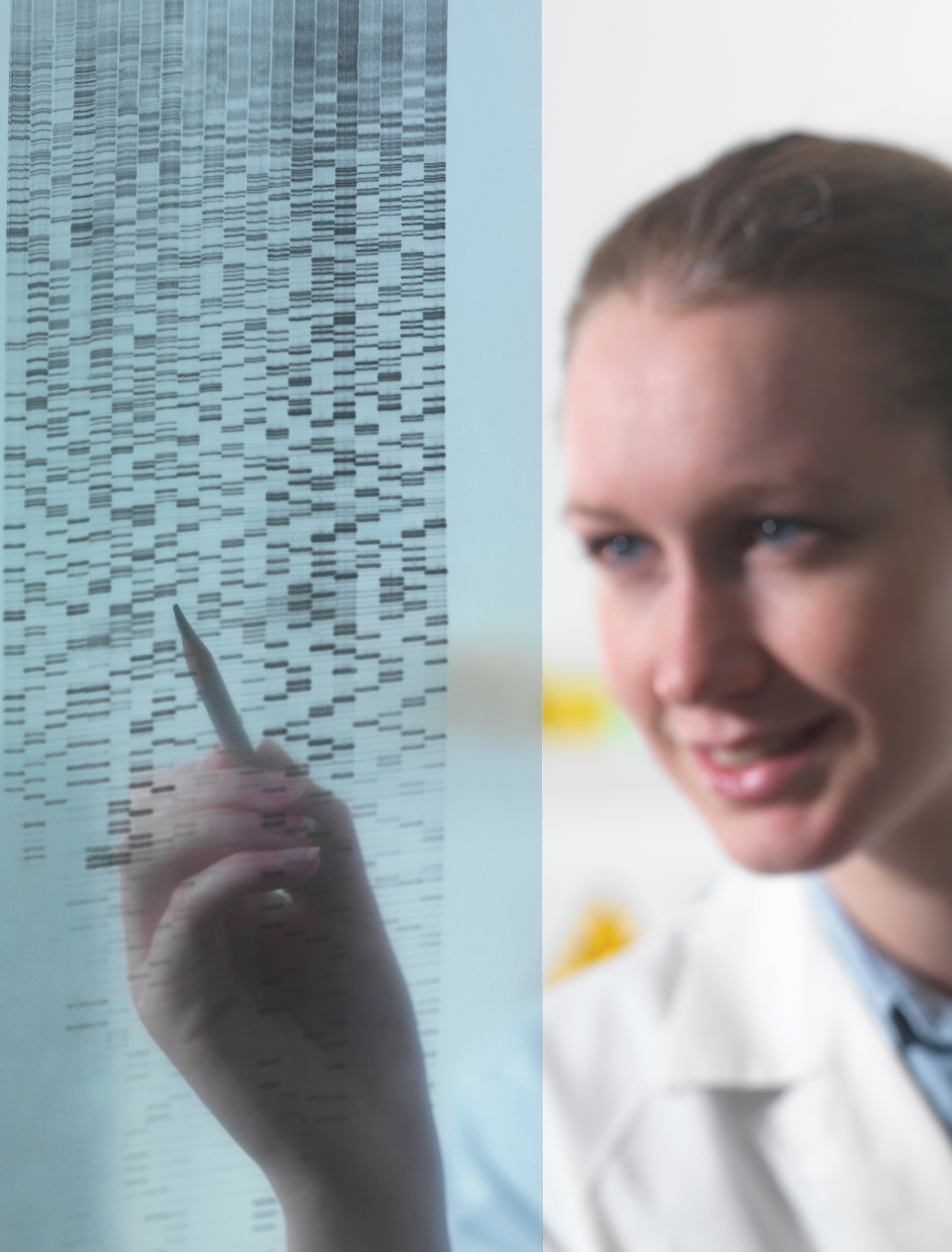
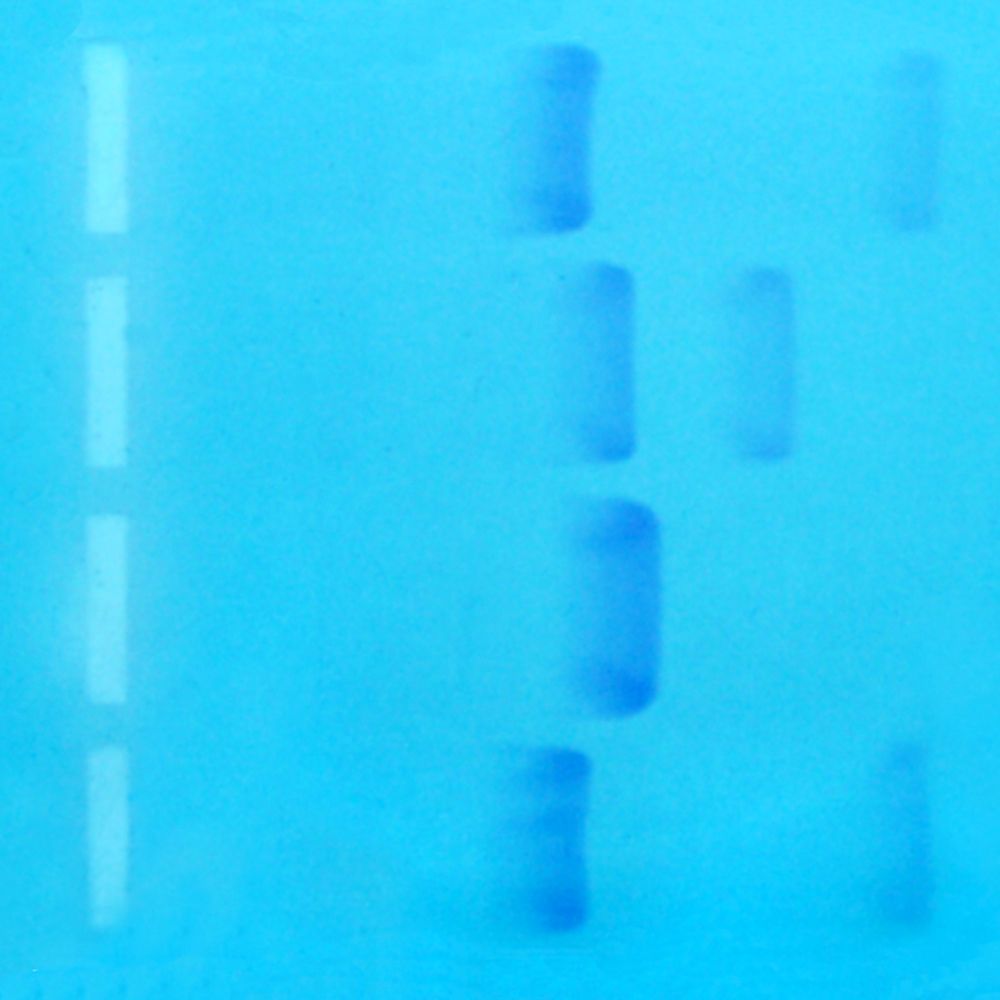
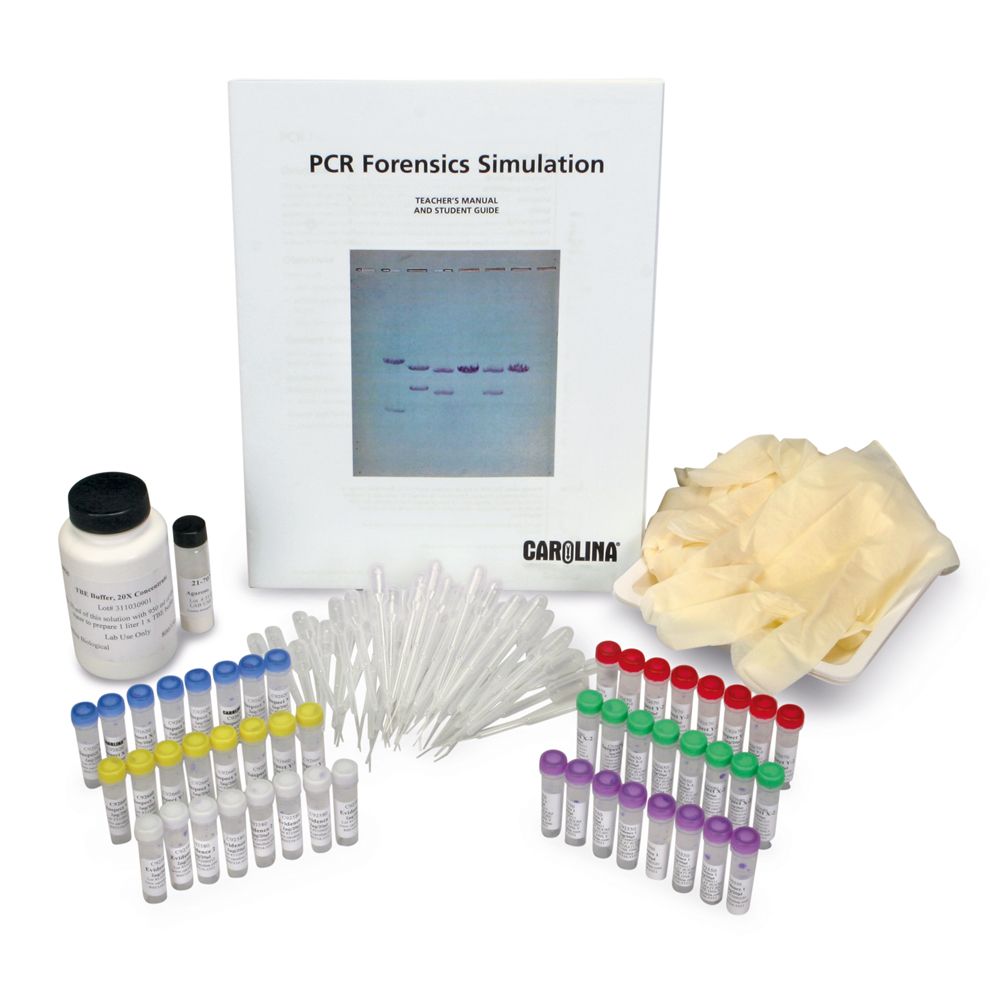
To distinguish a source of DNA from another, you can create a DNA Fingerprint profile. Small regions of repetitive DNA vary from person to person. This principle can be extended to the entire genome–no 2 profiles are alike with the exception of identical twins.
A sample of DNA can be isolated from blood, semen, saliva, or hair. The sample is then subjected to several different processes until the DNA sequence is visualized on an x-ray film by autoradiography. The banding pattern between samples can be compared for similarities to implicate or exonerate certain suspects.
Take a look at our activities and videos that discuss some of the techniques used in a DNA fingerprint profile.
Screening for controlled substances in the bodily fluids of a suspect can provide additional evidence to piece together a crime scene. One of the most common types of screens for controlled substances is a urine dipstick, which typically screens for cocaine, marijuana, opiates, amphetamines, and phencyclidine. This test is based on an immunoassay that uses antibodies to detect specific chemicals.
For instance, in the case of marijuana, the active component is tetrahydrocannabinol (THC). When an antibody binds to a specific chemical, in this case THC, it causes a color change. These tests are usually confirmed with quantitative methods such as gas chromatography/mass spectrometry (GC/MS).
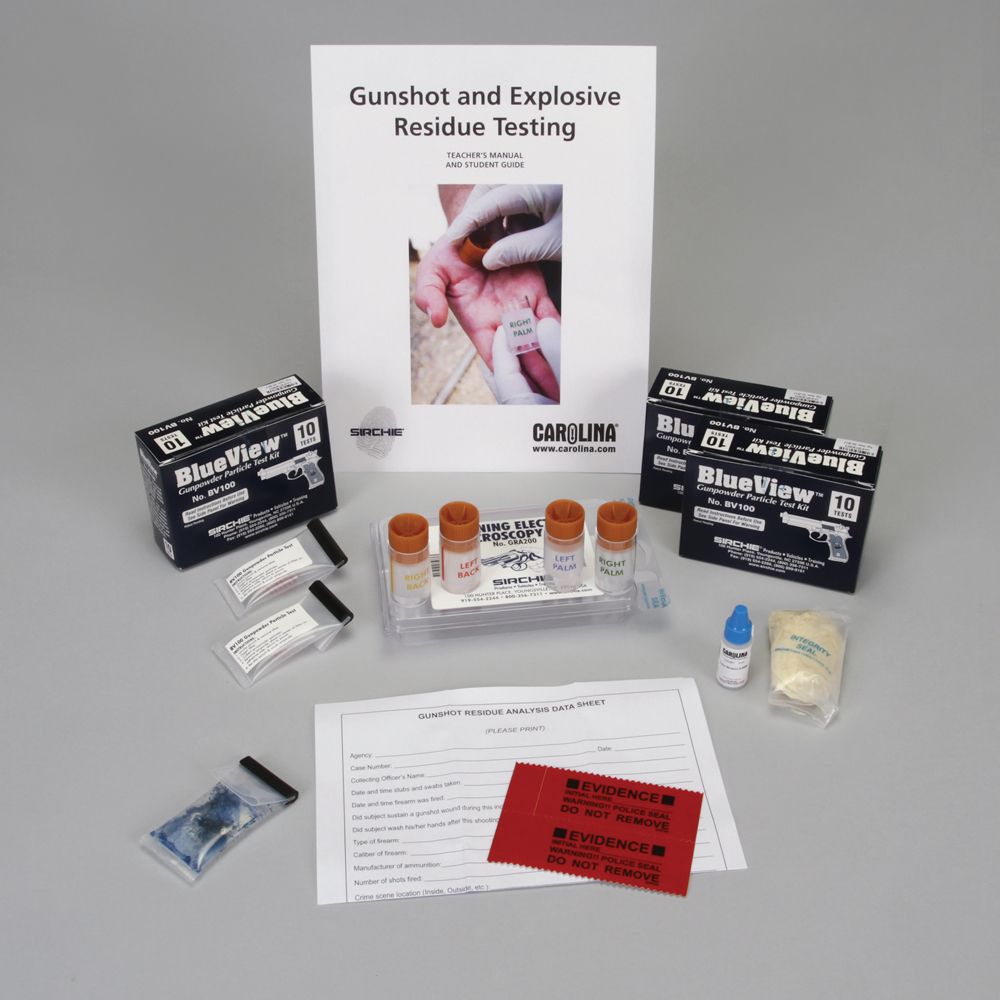
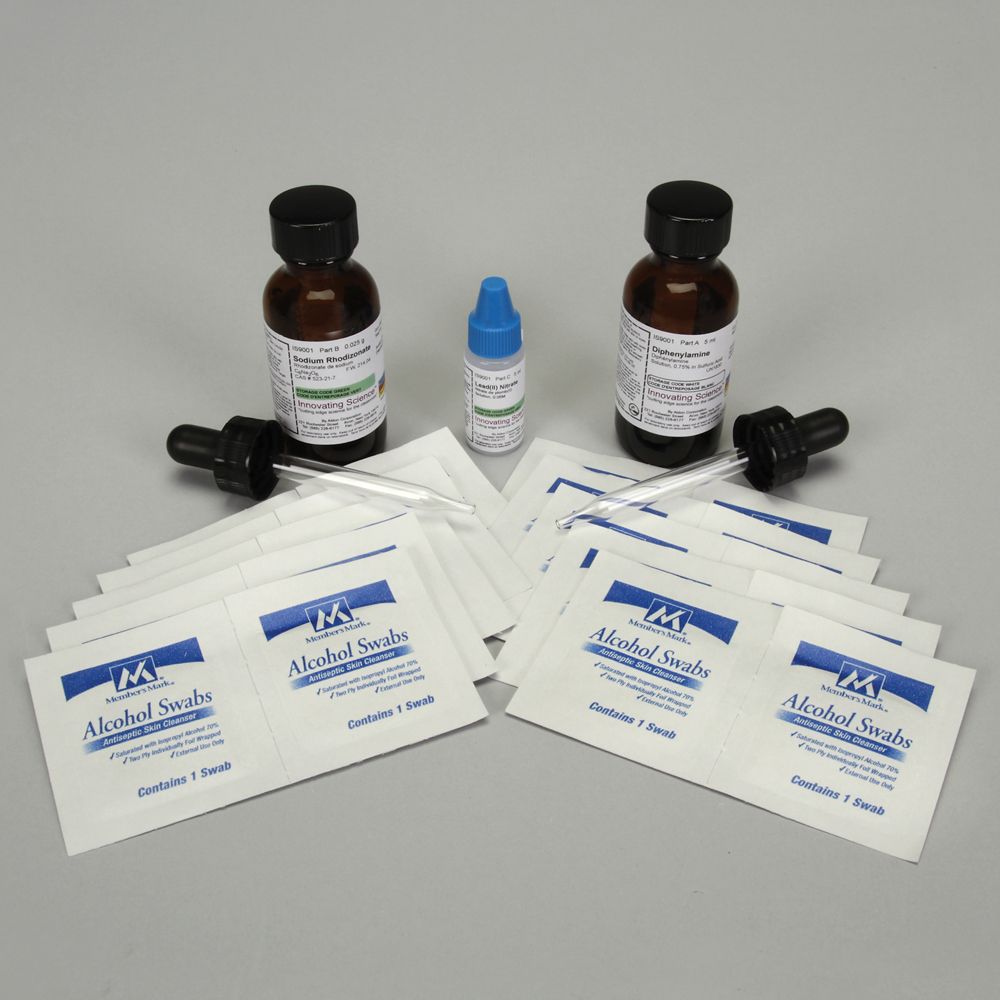
Gunshot residue (GSR) tests for trace chemical components found in gunpowder. When a firearm is discharged, it ejects dust containing these components that can remain on the hands and clothing of a person(s) within the vicinity. Nitrates, a type of trace chemical found in GSR, are commonly screened. During screening, gunshot residue pouches are used, and a chemical reaction using the organic compound diphenylamine produces a blue color in the presence of nitrates.
Further testing can be done on GSR particles collected from hands or clothing using a method called scanning electron microscopy (SEM). Through this method, trained technicians can identify particles by size, shape, and chemical make-up.
For more information on GSR, GSR forensics, and analytical techniques, view a presentation by our partner Sirchie®.
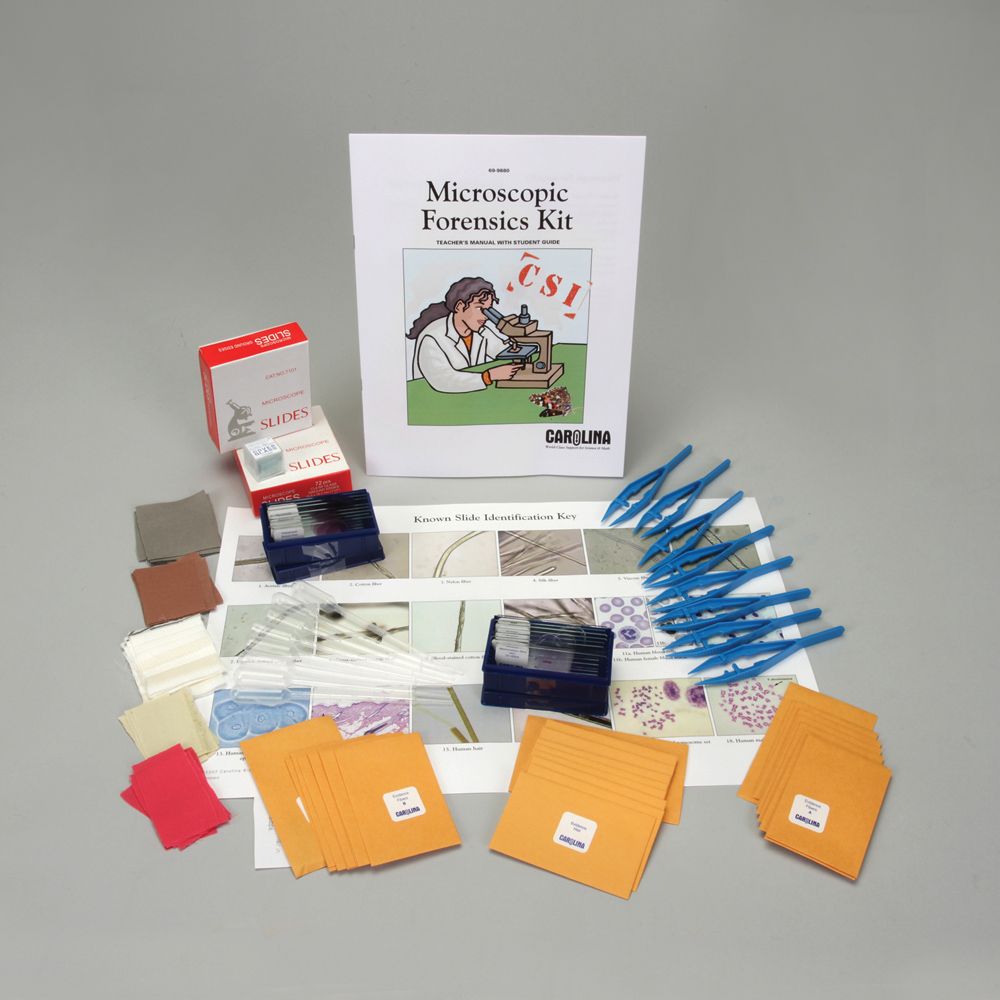
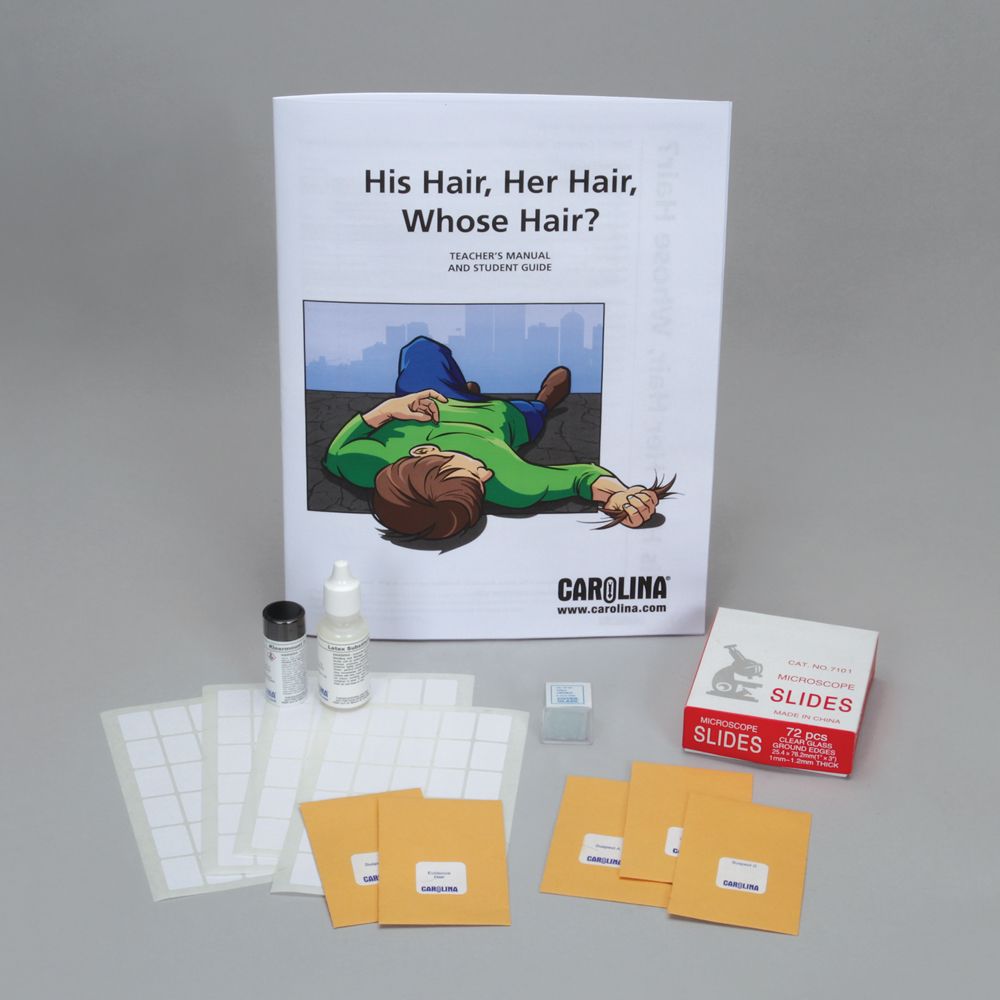
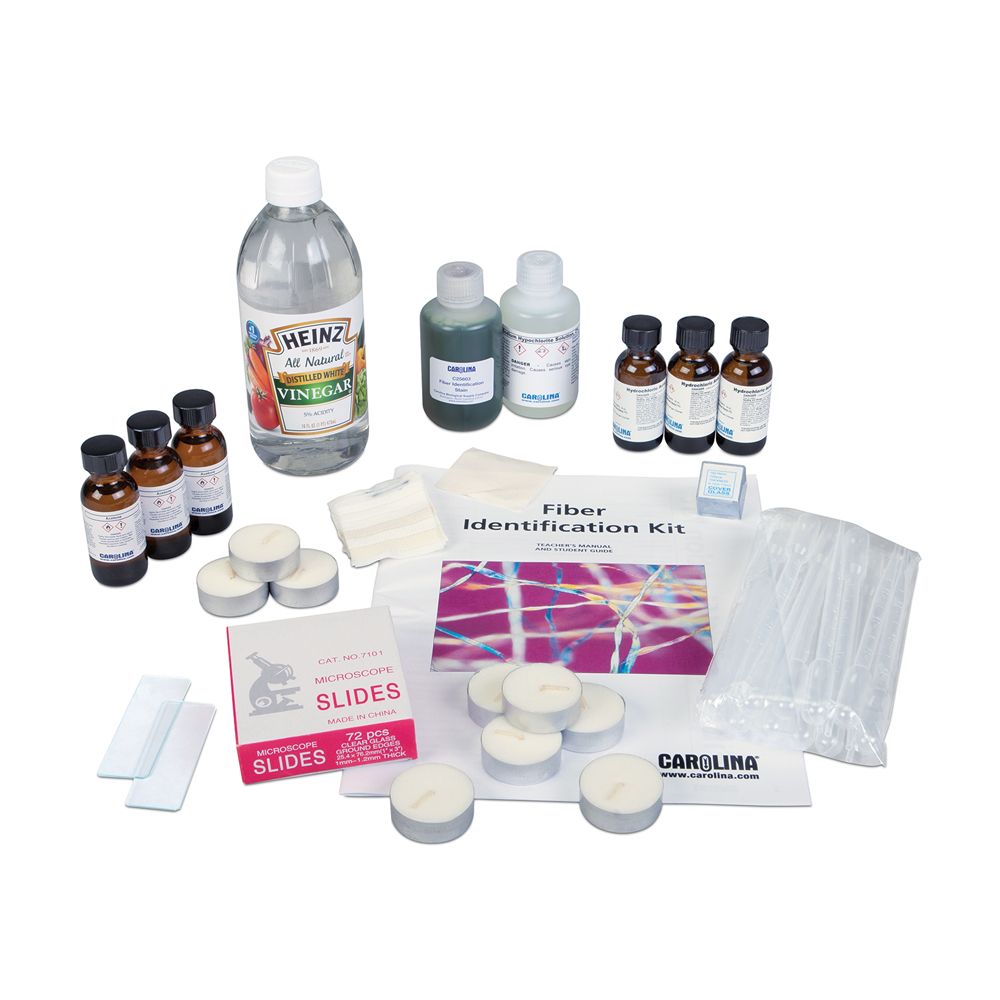
Hair evidence can provide valuable information for recreating a crime scene because hairs can be transferred from person to person. Samples can then be analyzed to determine if the they belong to the victim, suspect, or another person. Using light microscopy, a trained technician examines features of the hair sample to determine if it is human or animal, from what part of the body it originated, its growth phase, and if human, the race, gender, and age of the person it came from.
Check out our hair analysis activity for a great introduction to forensics using microscopy.
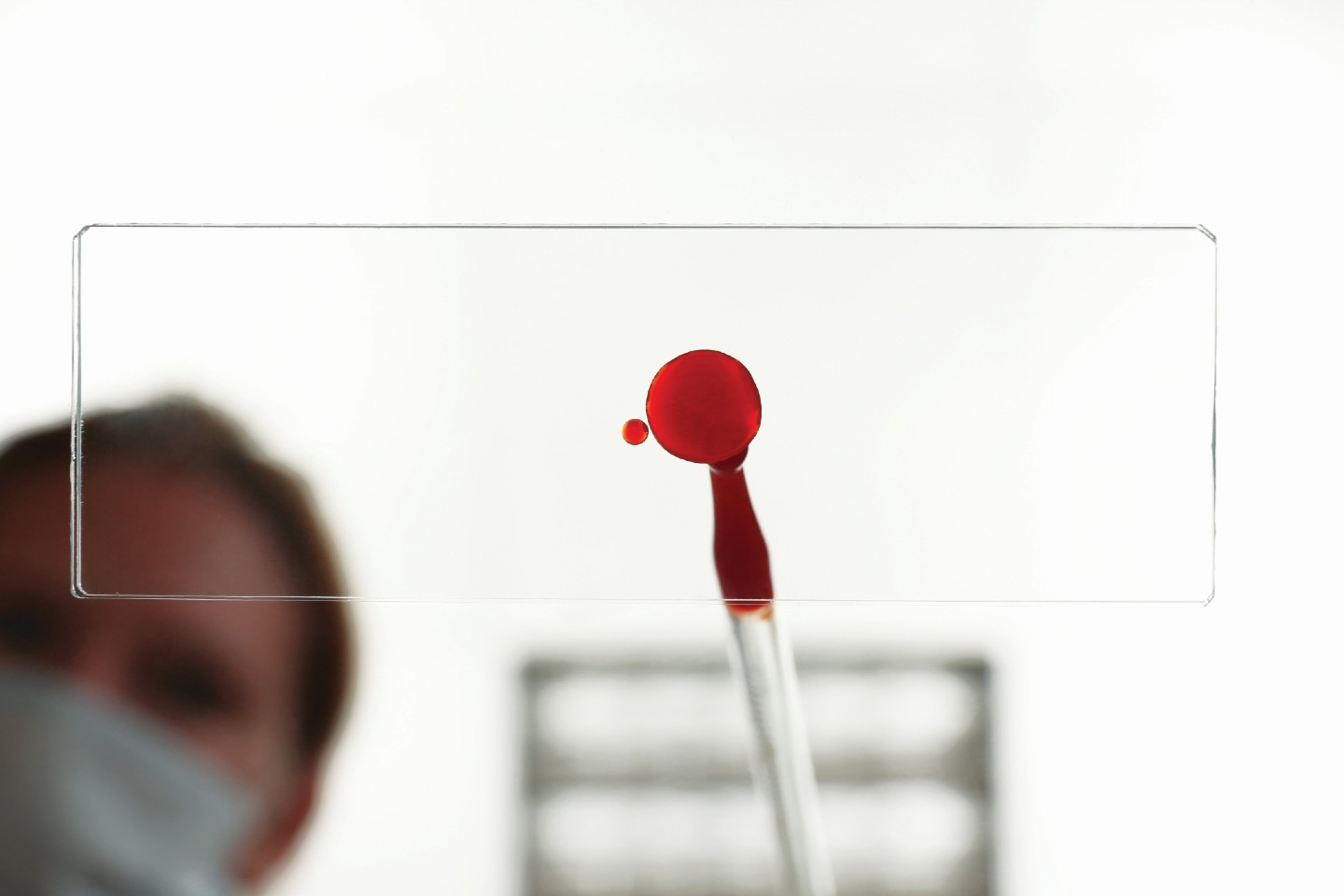
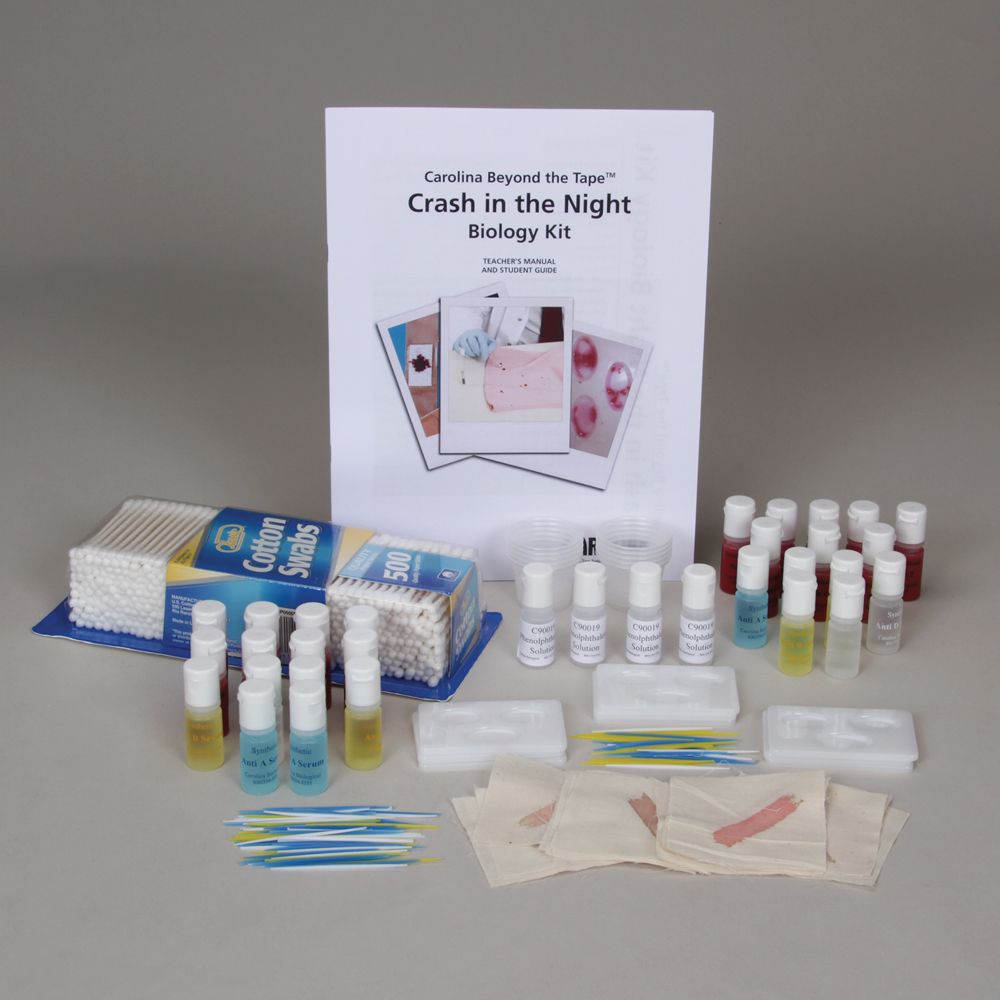
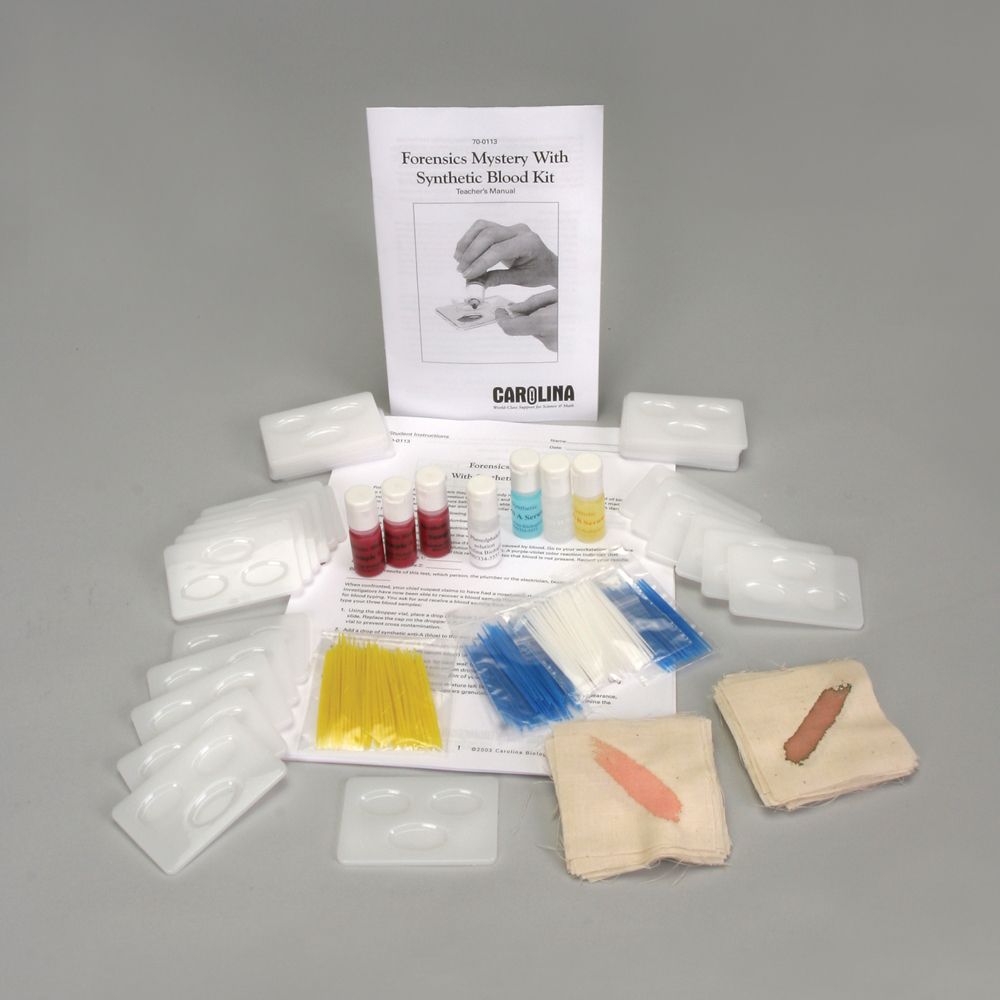
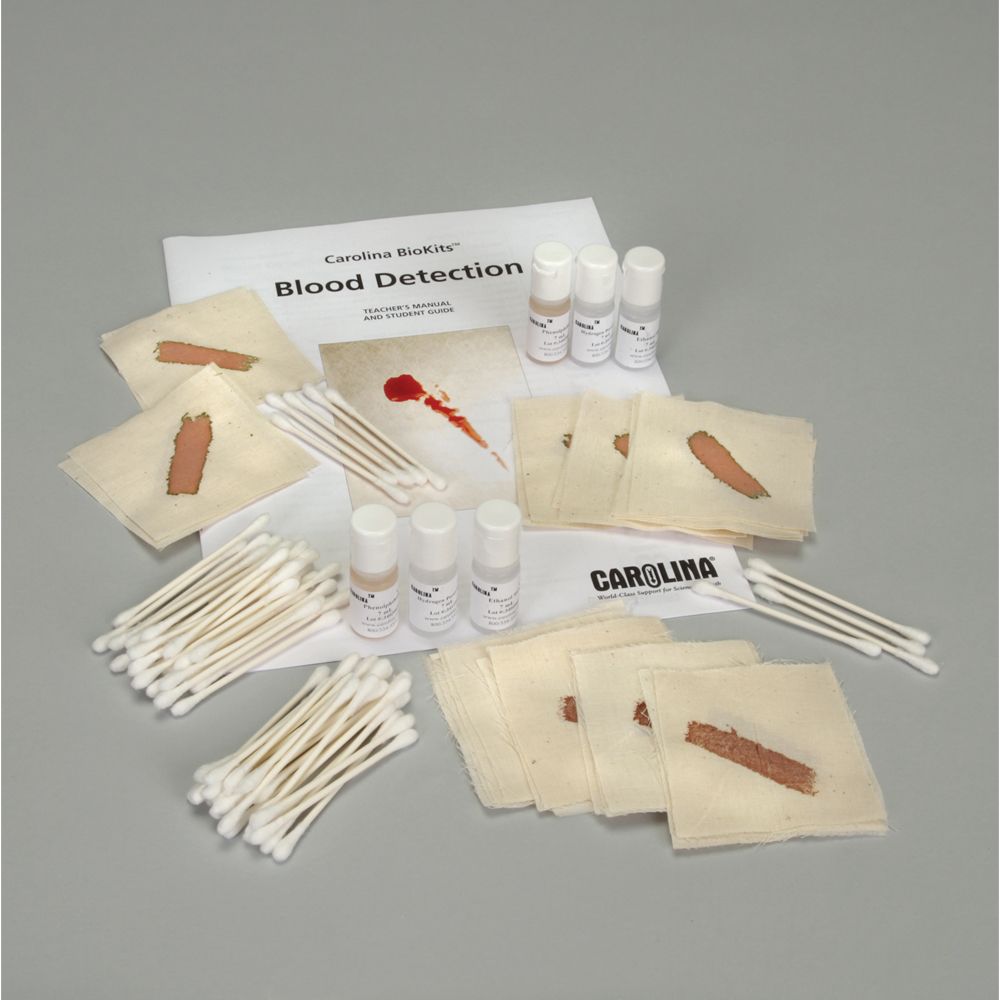
Crime scene technicians may encounter blood when documenting a crime scene or recording items as evidence. It is often necessary to distinguish whether a sample is human blood. In order to accomplish this, technicians use a chemical screen like the Kastle-Meyer test, which uses the chemical indicator phenolphthalein to produce a purple color in the presence of hemoglobin. This is called a presumptive test.
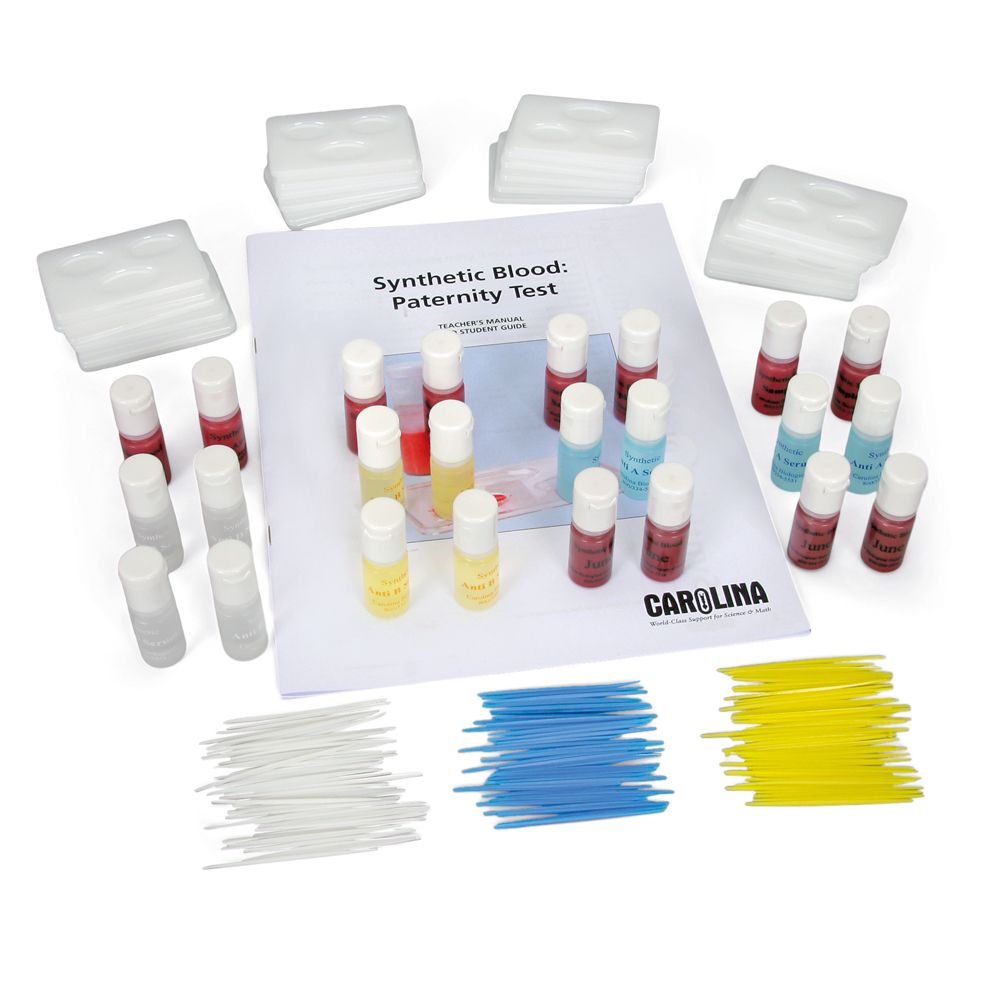
Once a technician confirms that a sample is blood, another test such as blood-typing can be performed. Blood-typing works on the principle that red blood cells have surface molecules that allow the body’s immune system to recognize foreign cells from native cells. Foreign cells have molecules known as antigens on their cell surface, to which the immune system responds by producing antibodies. The antibodies attack and destroy the antigens, which results in a “clumping” of the blood, or agglutination.
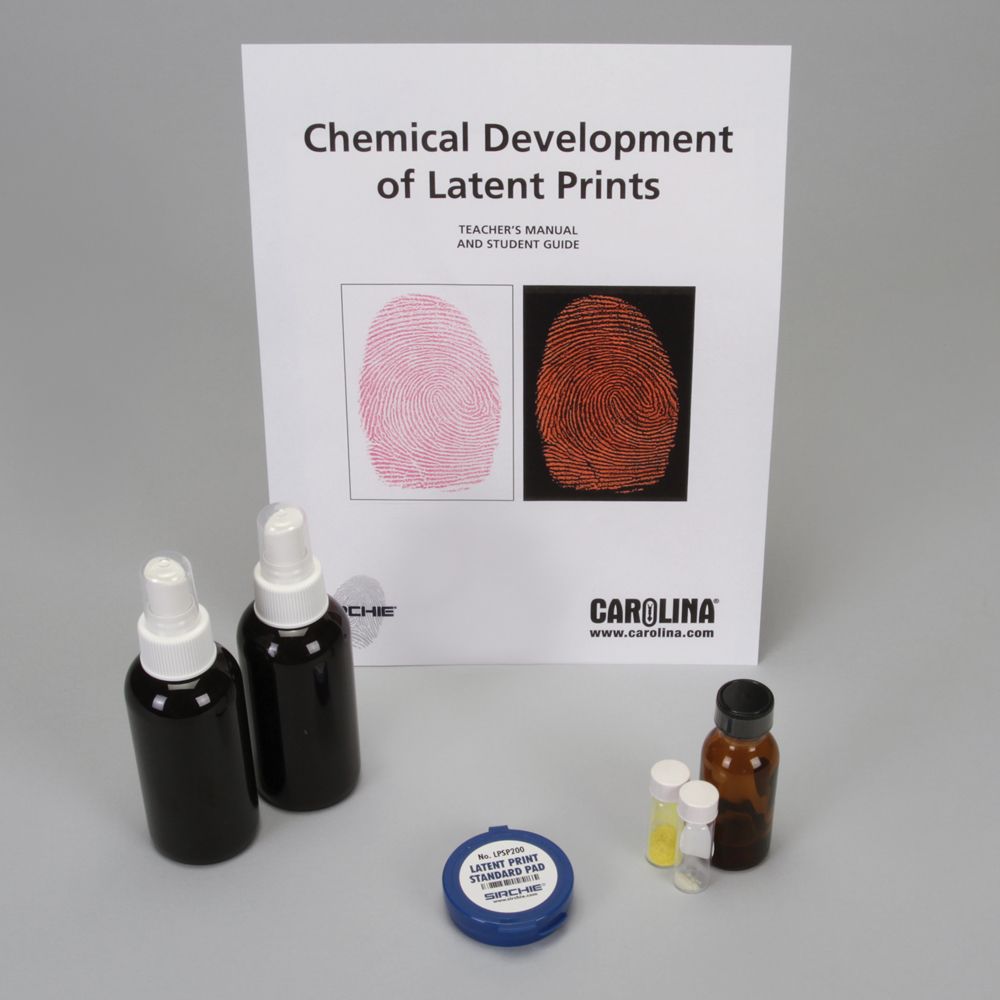
Depending on the type of secretions left behind on a print, a technician may use one or more chemical development techniques. Chemical developers such as iodine, 1,8-Diazafluoren-9-one (DFO), ninhydrin, and silver nitrate can be used to bring out the print. However, the chemical properties of these developers may alter the fingerprint–it is important to use them in a specific sequence.
Engage your students with an activity that allows them to develop their own fingerprints.
Carolina is teamed with teachers and continually provides valuable resources–articles, activities, and how-to videos–to help teachers in their classroom.
Get the latest news, free activities, teacher tips, product info, and more delivered to your inbox.