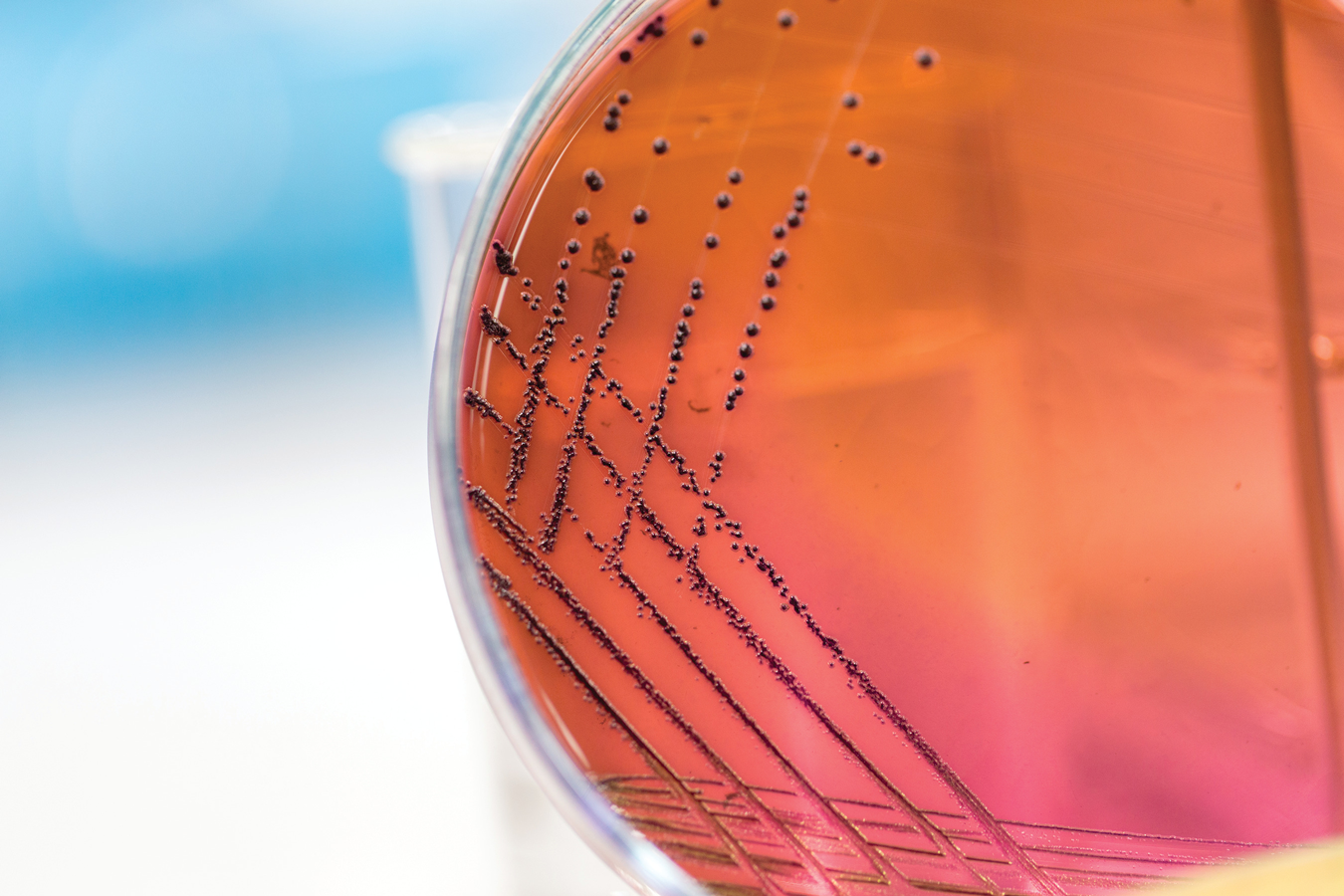

Evolution can be a difficult and abstract concept to teach. Students may have heard about antibiotics that no longer kill or inhibit the growth of certain bacteria, but they may not understand the evolutionary changes that occur within bacteria to make this possible. It is a great example of how living organisms can change and adapt over time to become resistant or immune to antibiotics.
Antibiotics are naturally occurring substances created by bacteria and many fungi. An antibiotic produced by bacteria kills other surrounding bacteria, thereby eliminating competition for food sources and other limiting factors. The antibiotics harm bacterial cell growth and processes by disrupting cell membrane development, protein synthesis, and cell reproduction. However, due to mutations in their DNA, some bacteria will not be affected by the antibiotics. As the bacteria with mutated DNA reproduce, their DNA is passed on to the next generation, resulting in an antibiotic-resistant population of bacteria. Infections caused by these bacteria are harder to treat because the drugs and chemicals that once killed the bacteria are no longer effective in preventing or curing such infections.
The use of antibiotics has changed substantially over time. Medical professionals are now more cautious and aware, first determining whether an infection is viral or bacterial before recommending a treatment for the illness. Viral infections such as colds, flu, and bronchitis are not treated with antibiotics because these conditions are not caused by bacterial infection. Furthermore, patients are more thoroughly educated. For instance, patients are instructed to take the entire dose of a prescribed antibiotic, thus decreasing the opportunity for bacteria to become resistant.
Learning about antibiotics through hands-on activities

Evolution in Real Time: Bacteria and Antibiotic Resistance Kit
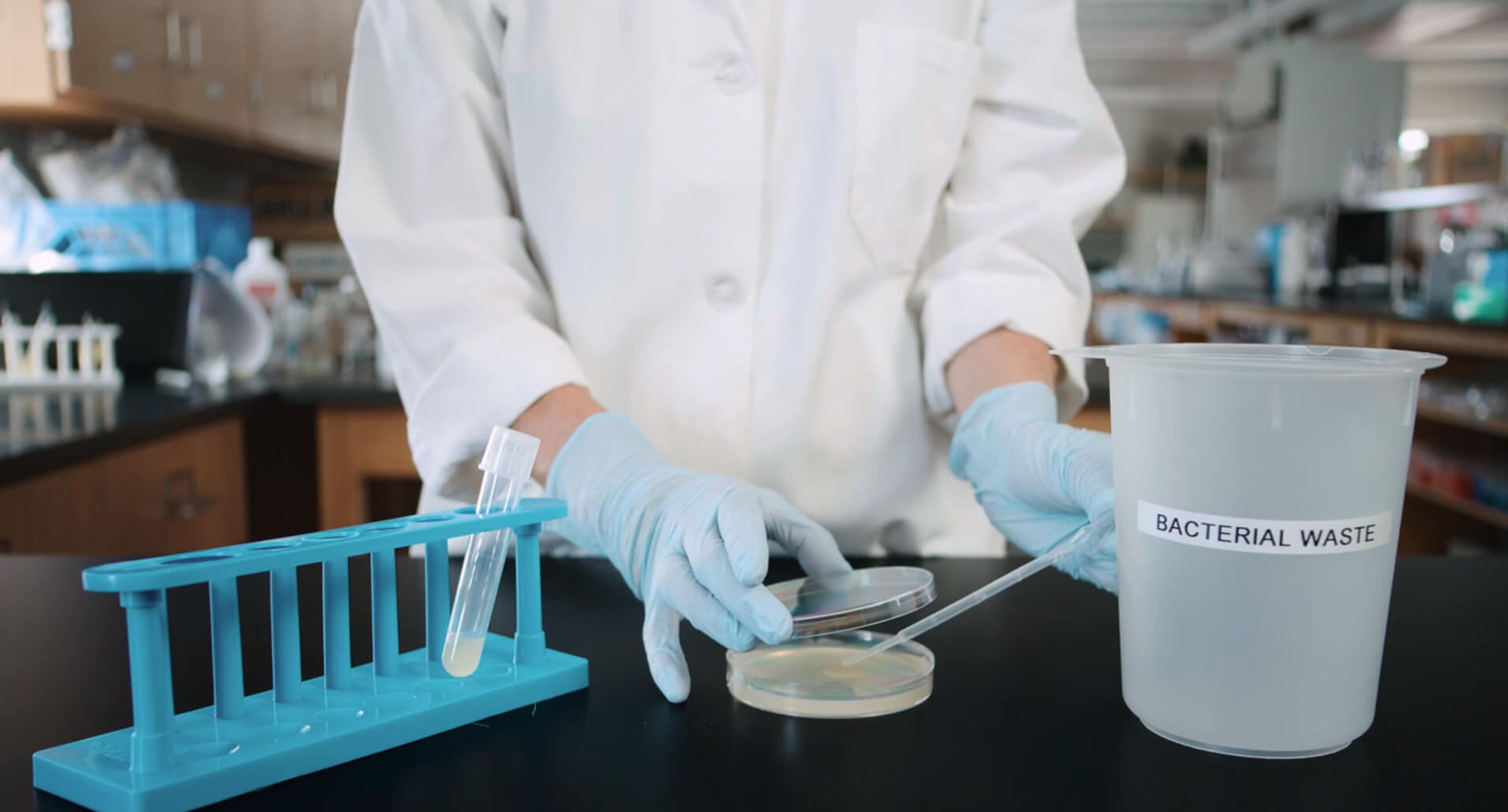
This high school lab investigation demonstrates natural selection and evolution by tracking how bacterial populations develop antibiotic resistance over multiple generations. Students learn sterile techniques, perform serial dilutions, and analyze population changes under different selective pressures.
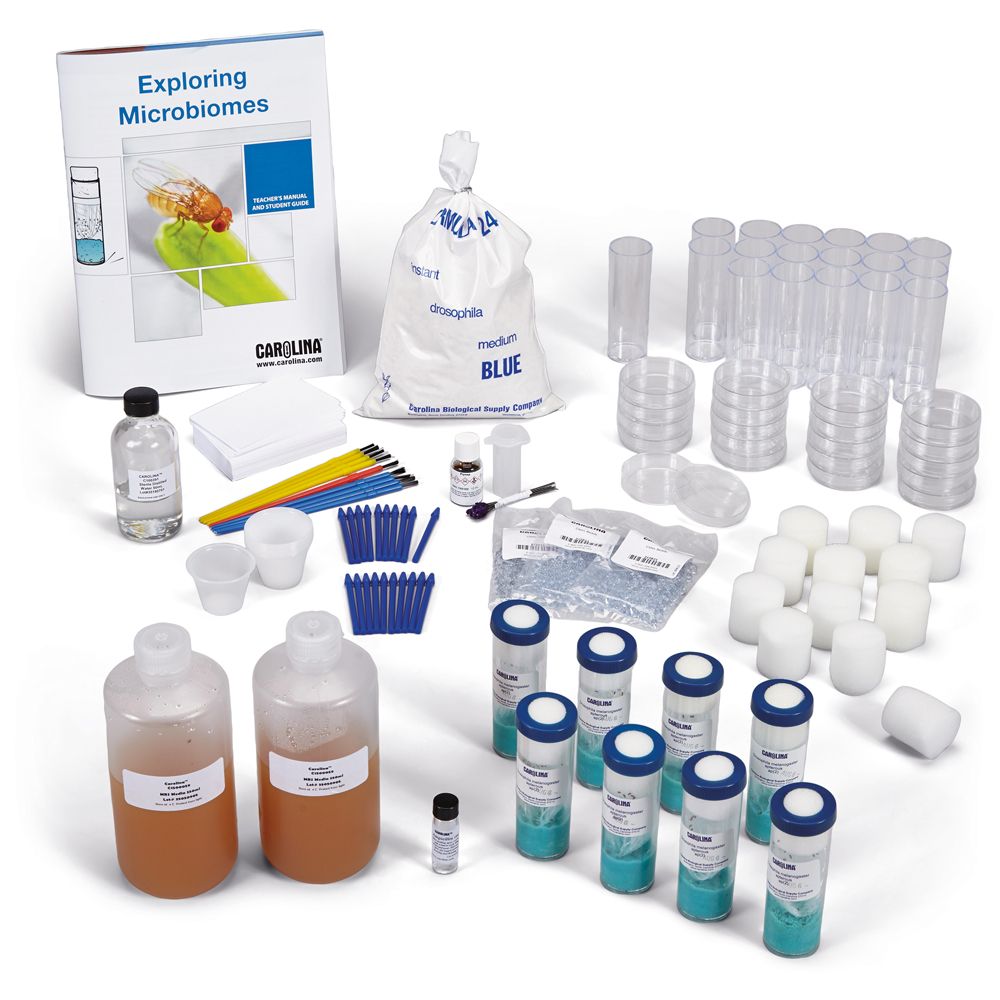
Exploring Microbiomes Kit
This kit introduces the concept of organisms as ecosystems inhabited by diverse microbial communities. Students use fruit flies as a model organism to investigate how diet and substances like antibiotics influence gut microbiomes. Students learn microbiology techniques such as serial dilution and streak plating while analyzing how disruptions in microbial balance affect ecosystem stability.
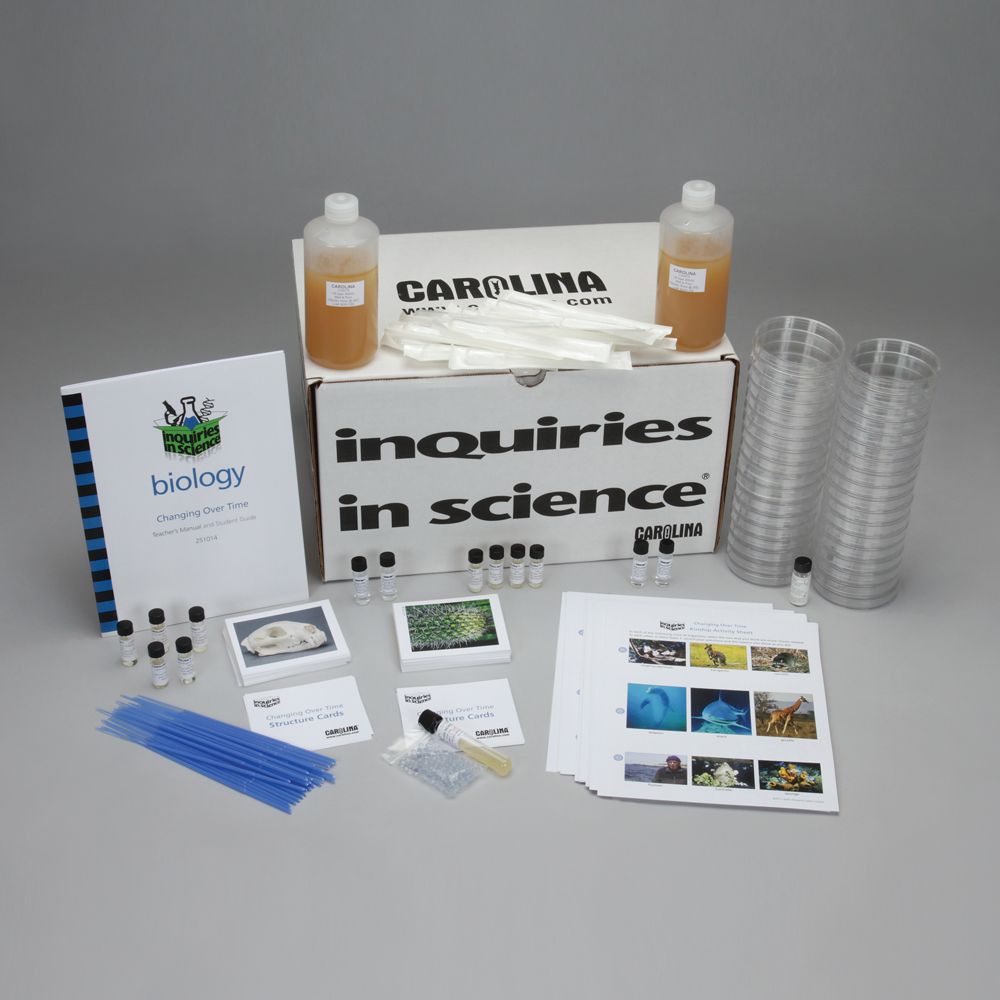
Inquiries in Science®: Changing Over Time Kit
This kit investigates the evidence of evolution through a variety of guided-inquiry activities. Students learn about phylogenetic relationships and explore anatomical similarities between evolutionarily related organisms. They also have the opportunity to design and conduct an experiment based on antibiotic resistance using safe, classroom-friendly E. coli samples and ampicillin antibiotics.
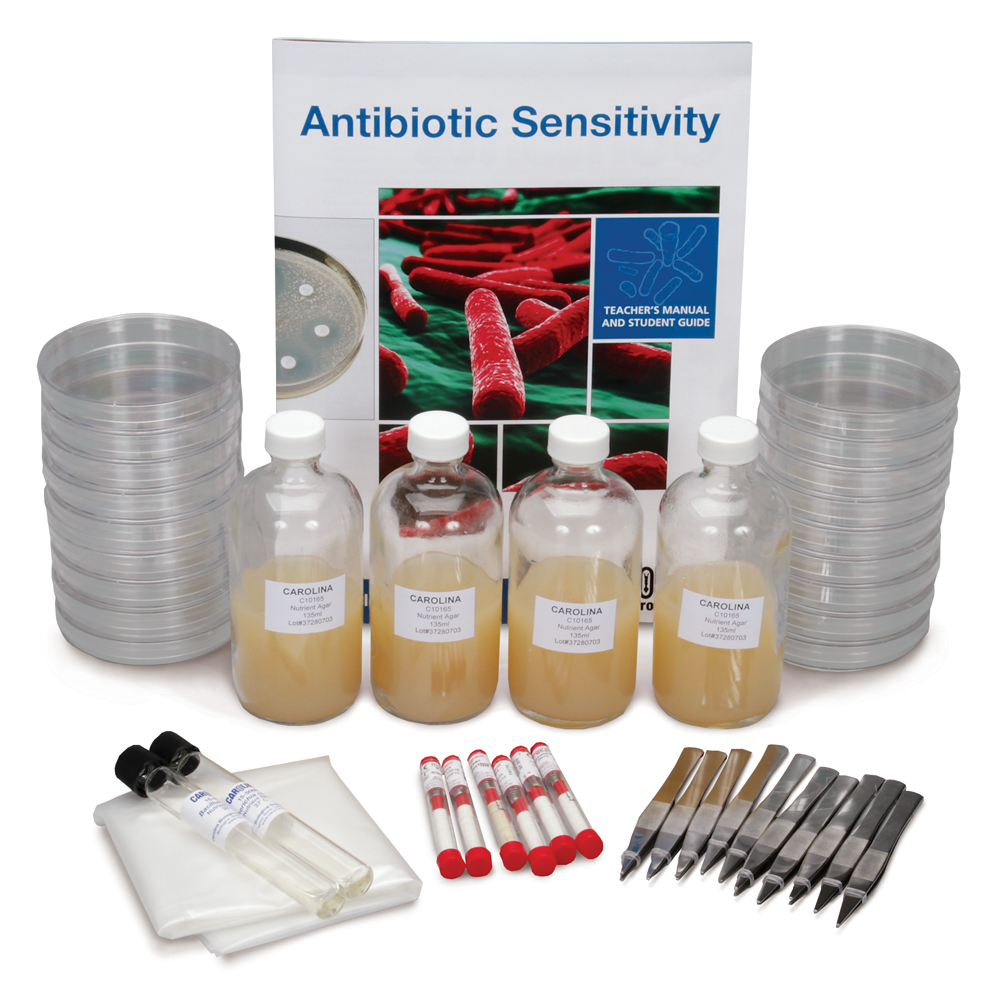
Antibiotic Sensitivity BioKit®
This easy-to-perform kit allows students to study the effect of 6 different antibiotics on a Gram-positive and a Gram-negative bacterium. Students do not need prior microbiology experience. What’s more, teachers can purchase a demonstration kit to supplement existing class material or buy the classroom kit version so students can participate in the hands-on lab experiment.
Questions for Students
Following is a set of questions that you can use to assess and improve your students’ knowledge of evolution and antibacterial resistance, and a list of activities that you can use to build upon their classroom experiences and deepen their understanding of these relevant and engaging topics.
- What is another example of competition in an environment? How do those competing organisms affect the overall community or population?
- How does natural selection play a part in the antibacterial resistance of bacteria?
- What are other examples of evolution that you are aware of?
- How does Darwin’s theory of evolution relate to classification?
- What role does mitosis play in antibacterial resistance?
Extension activities
- Have students research the differences between vaccines and antibiotics.
- Have students investigate and answer the following questions: What directions do patients receive from medical staff about taking antibiotics? Why do you think they are so strict about dosages and instructions?
- Have students identify the most commonly prescribed antibiotics, what each is used to treat, and how each antibiotic acts upon bacteria.
- Have students investigate and answer the following questions: What are “super bugs”? What is the major concern with contracting this type of bacterial infection?
- Have students investigate the development of staph infections and MRSA, their effect, and how such infections are treated.
Tammy Sadler
Anatomical Science Group
*Next Generation Science Standards® is a registered trademark of Achieve. Neither Achieve nor the lead states and partners that developed the Next Generation Science Standards were involved in the production of, and do not endorse, these products.
About The Author
Carolina Staff
Carolina is teamed with teachers and continually provides valuable resources–articles, activities, and how-to videos–to help teachers in their classroom.