
Our Most Popular Life Science Kits Help Students Thrive
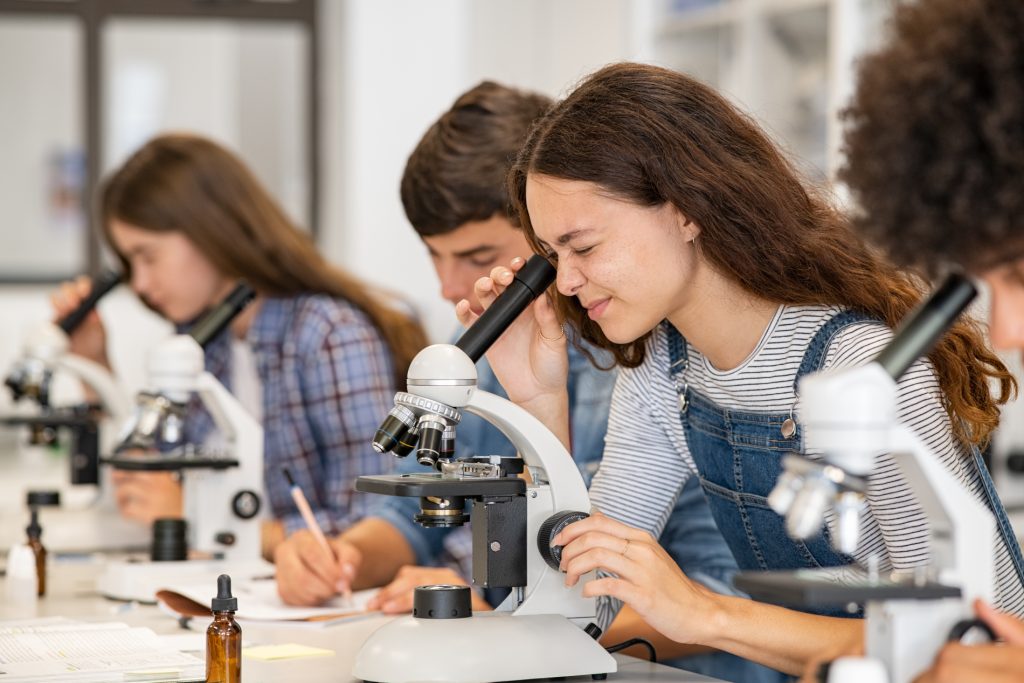
Did you know that you can cover your biology course, start to finish, with Carolina’s top-selling kits? These 10 kits will get your students hands-on experiments, model generation, and data analysis, while meeting your course standards. Repeatedly chosen by thousands of teachers, these kits can help your students thrive, too.
Our Most Popular Chemistry Kits That Get a Reaction from Students
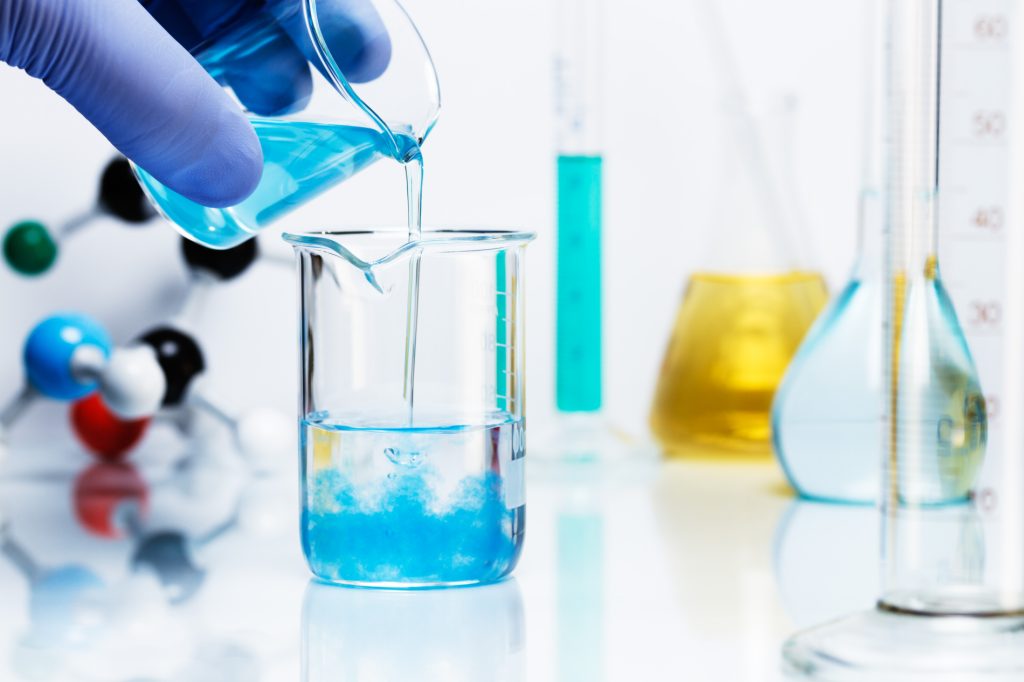
Bet you didn’t know that you can cover your chemistry course, start to finish, with Carolina’s popular kits. They provide students with hands-on experiments, model generation, and data analysis, while meeting chemistry course standards. Repeatedly chosen by thousands of teachers, these top sellers get a great reaction from students.
Ballistics Investigation Activity
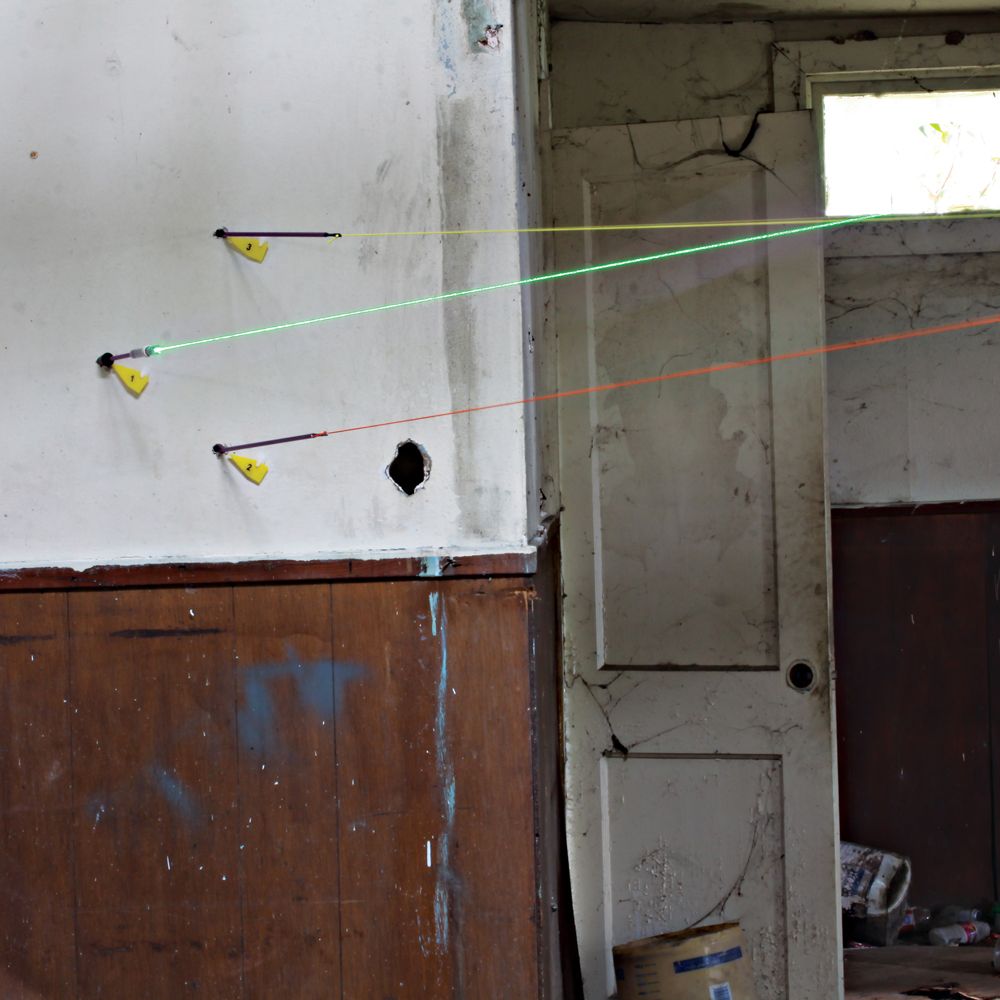
Ballistics is the study of projectile motion and a critical area of investigation in forensic study. When a projectile is fired from a rifle or handgun, it travels at a specific velocity. A projectile in motion can be described by both horizontal and vertical motions. The motion in two directions is represented mathematically as a […]
Forensic Toxicology: The Dose Makes the Poison

Forensic toxicology is the analysis of biological samples for the presence of drugs, chemicals, or other toxins. Forensic toxicologists look specifically at substances that may cause death, impairment of human performance, or enhancement of human performance. They also look at how the presence of certain substances can affect compliance with workplace policies or federal and […]
Forensic Hair Analysis Activity
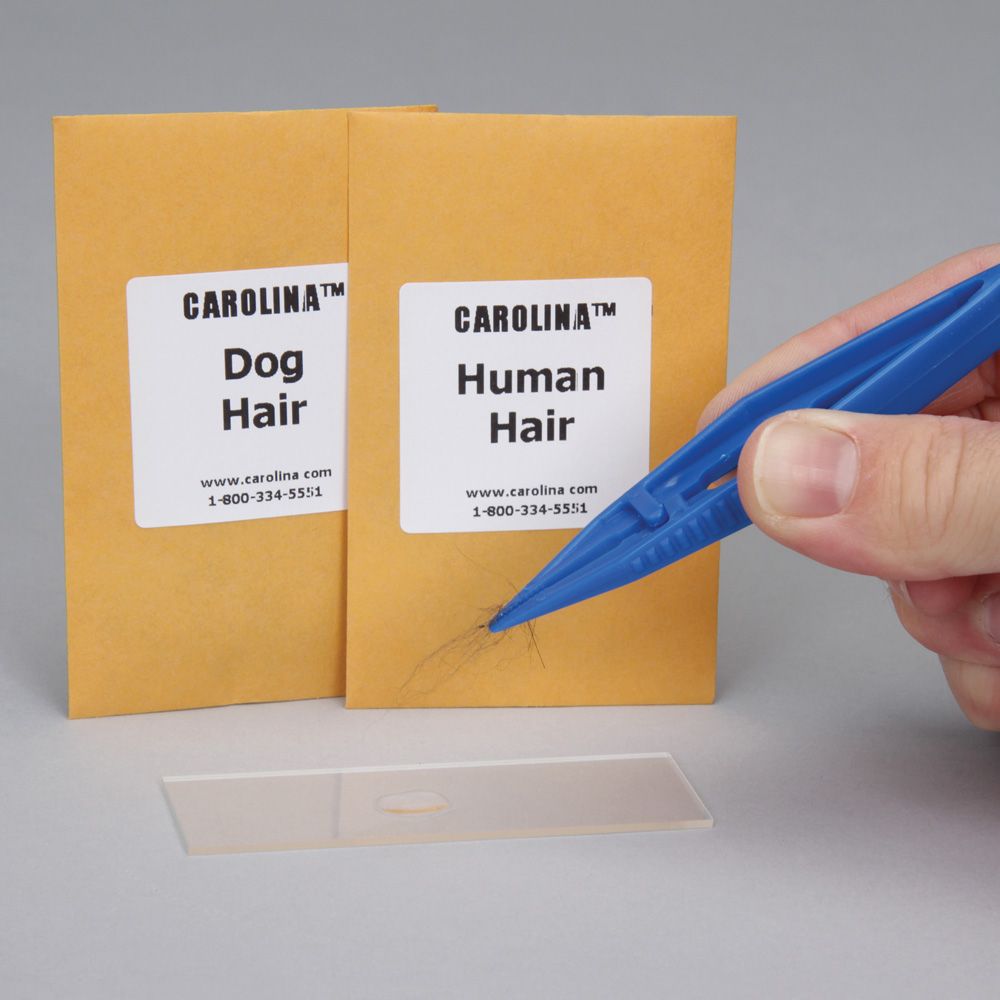
Students perform forensic hair analysis to learn how hair structure aids crime investigations. They compare samples under a microscope, identify features like medulla and cuticle, and explore the limits of hair evidence without DNA.
Collect and Analyze Evidence Like the Pros
Abstract Thinking about incorporating forensic science into your classroom? Expose your students to the fascinating world of forensics by using real-world techniques practiced by law enforcement agencies. Keep your students captivated by analyzing and documenting evidence to recreate a crime scene. Download Presentation Download the Handouts Shop Forensics
Blood Evidence Activities
Blood evidence can be analyzed as either biological or physical evidence, making it a powerful specimen for teaching forensics across multiple disciplines. Using biology concepts, investigators can use blood to identify individuals by blood type and DNA. When a suspected sample of blood is discovered at a crime scene, real world applications of chemistry such […]
Development of Latent Fingerprints with Silver Nitrate
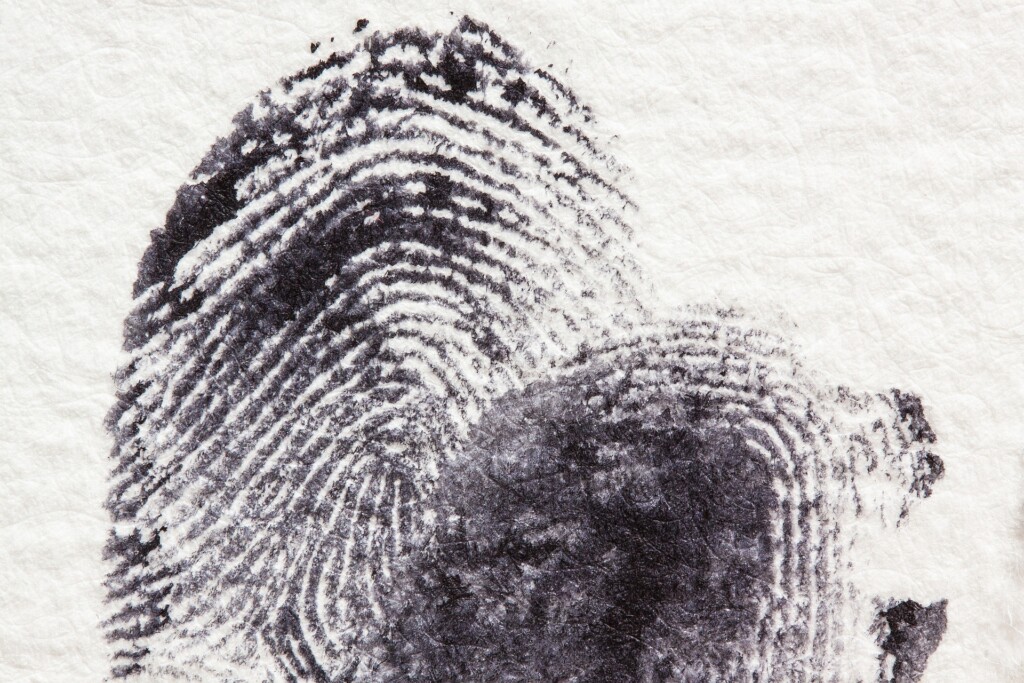
Students use silver nitrate to develop latent fingerprints, learning the chemistry behind the reaction with chloride ions in sweat. This hands-on forensic activity demonstrates how prints become visible and explores real-world crime scene applications.
Explore Carolina Digital Kits

Carolina kits have gone digital! When you purchase a kit, you will receive access to valuable digital resources on Carolina Science Online. Just create or sign in to your teacher account and redeem the access code sent via email. Most of our kits now come with a digital version of the Teacher’s Manual, which includes these […]
Activities with UV Beads
Ultraviolet-sensitive beads change color when exposed to ultraviolet (UV) light. Students can use these beads to perform inquiry-based experiments to determine if a light source emits UV light or if different materials are able to block it. Students can also use the beads to track their sun exposure. Background UV light is a type of […]