
Water Quality Awareness

A CAROLINA ESSENTIALS ACTIVITY What is the current state of the global water supply? Total Time Prep: 15 mins Activity: 15 mins Life Science, Environmental Science Grade Level 6-12 Middle | High School Quick Links Close Quick Links Open Quick Links Introduction Essential Question NGSS Materials Procedures Analysis Kit Resources Introduction Essential Question NGSS Materials […]
Carolina Biological Supply Company Partners with Association for Science Teacher Education to Help Science Teachers

Carolina announces partnership and plan with ASTE to support the high number of K-12 science teachers facing challenges and science standards post COVID-19 ASTE President Andrea Borowczak, Ed. D., Professor and Director of the School of Teacher Education, University of Central Florida BURLINGTON, NC, April 4, 2023 – Leading school science supplier Carolina Biological tackles science teacher retention […]
Succession on Mount St. Helens

A Carolina EssentialsTM Activity Total Time: 45-60 minutes Prep: 15 mins | Activity: 45-60 mins Life Science | Earth and Space Science 9-12 High School Overview This data analysis and data visualization exercise uses a small portion of data generated by the biologist Roger del Moral from the University of Washington, Seattle. Students analyze the eruption and […]
Which Leaf Shape Can Hold the Most Butterfly Eggs?
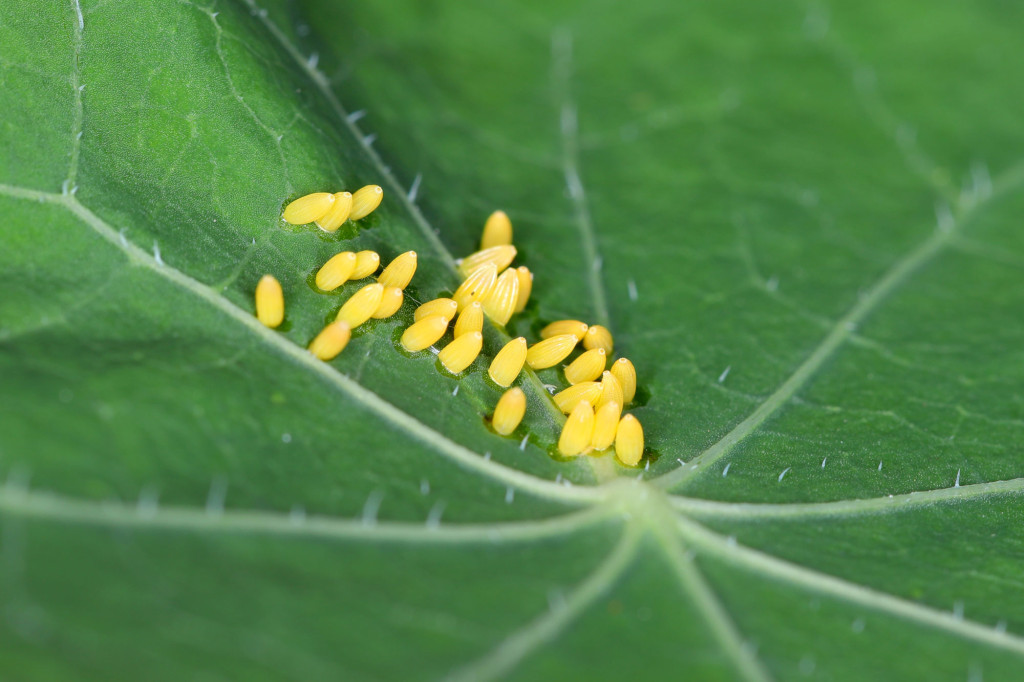
A Carolina EssentialsTM Activity Total Time: 30 minutes Prep: 30 mins | Activity: 30 mins Life Science K-5 Elementary School Overview This is an elementary-level inquiry activity for students to investigate the relationship between leaf shape and the number of butterfly eggs that can be laid on a leaf. Students will build on their knowledge […]
Survival: Sow Bug Behavior
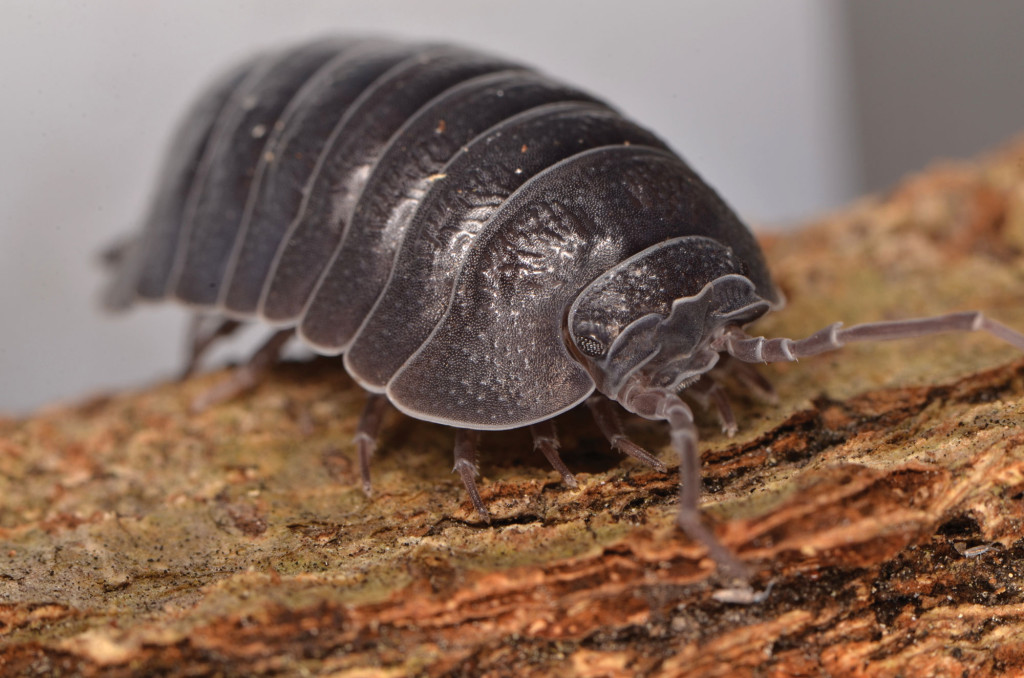
A Carolina EssentialsTM Investigation Total Time: 30 minutes Prep: 15 mins | Activity: 30 mins Life Science 3 Grade 3 Overview Students will perform a simple experiment on Sow bugs to determine if Sow bugs change their behavior when environmental conditions change. Since Sow bugs are crustaceans with gills, they need a damp environment of […]
Schoolyard Field Study
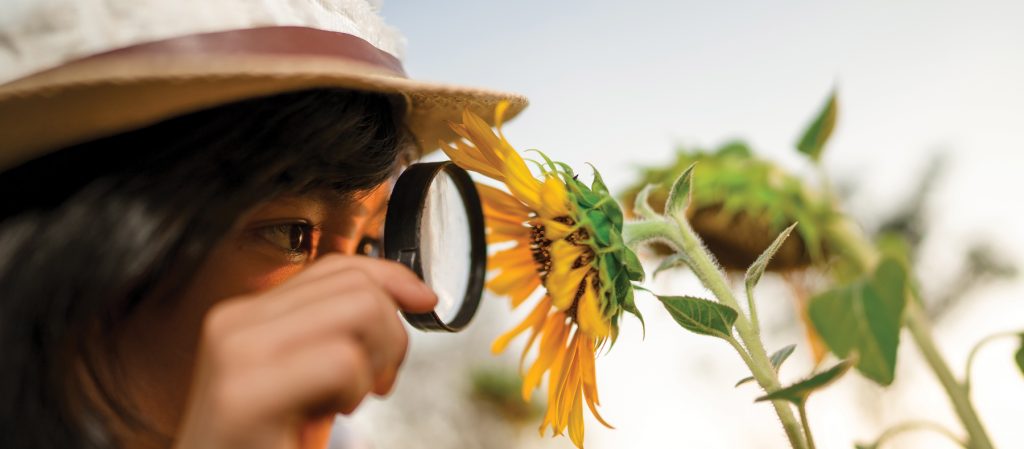
Introduction It’s the end of the school year. The weather is nice and your students are cranky. Some of the standardized tests are behind you, but you still have a week or so of school left. How can you make the most of this time while allowing your students to enjoy the outdoors? This activity […]
The Great American Eclipse of 2023-2024

Newton’s law of cooling states that the rate at which an object cools is proportional to the difference in temperature between the object and the object’s surroundings. Simply put, a glass of hot water will cool down faster in a cold room than in a hot room. This simple principle is relatively easy to prove, and the experiment has repeatable and reproducible results.
Carolina Biological Supply Company Partners with National Science Teaching Association Supporting K-12 Science Standards

Carolina exclusively sponsors NSTA’s online NGSS Resources section that provides science educator members with information, resources and inspiration to help implement the latest science standards BURLINGTON, NC, March 27, 2023 – After the NSTA national conference last week, leading school science supplier Carolina Biological announced expanding their partnership with the National Science Teaching Association (NSTA) with an exclusive sponsorship of […]
The Pressure’s On: Creating and Using Models of Body Systems

Workshop Resources Life Science 6-12 Middle / High School Learn exciting and engaging ways to teach structure and function within body systems. Use hands-on labs to help students understand kidney function and interactions between the excretory system and cardiovascular system. Set up experiments, collect data, analyze results, and create models to build toward understanding the […]
Just Passing Through

In-Booth Demonstration Life Science 9-12 High School / College Cell membranes are semipermeable, meaning that only certain substances, based on the molecule’s size and electric charge, can pass through. Molecules passively move from areas of high concentration to areas of low concentration. Starch, which is a large molecule that cannot pass through most membranes, can […]