
Carolina Biological Supply Company and the Association for Science Teacher Education

Partners in supporting K–12 science teachers Carolina has partnered with the ASTE to support K–12 science teachers. Both organizations share a common goal of improving the state of science education in the United States. Carolina’s aim is to provide new teachers with the resources they need to overcome the challenges they face in teaching science, […]
7 Ways Carolina Can Support Your NGSS Implementation
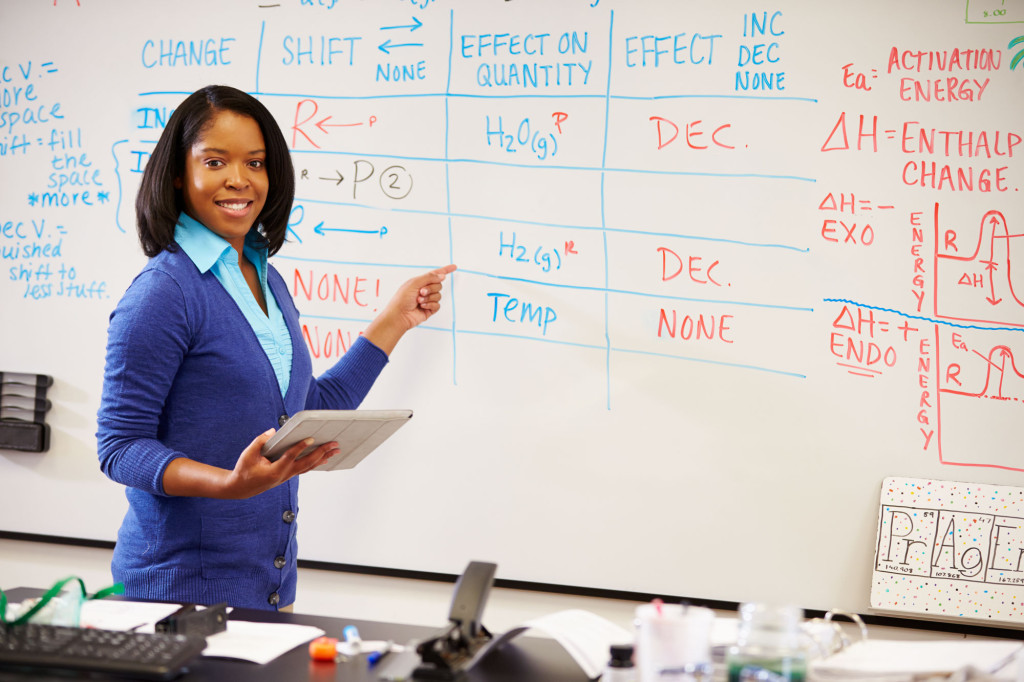
The Next Generation Science Standards* (NGSS) call for students to engage in science and engineering practices while applying core ideas and cross-cutting concepts. Carolina has many solutions to help you implement these rigorous standards in your classroom. This article describes 7 reasons Carolina is your “go to” source for materials that support NGSS implementation. 1. […]
Integrating Engineering into the Science Classroom with Carolina STEM Challenge® Kits
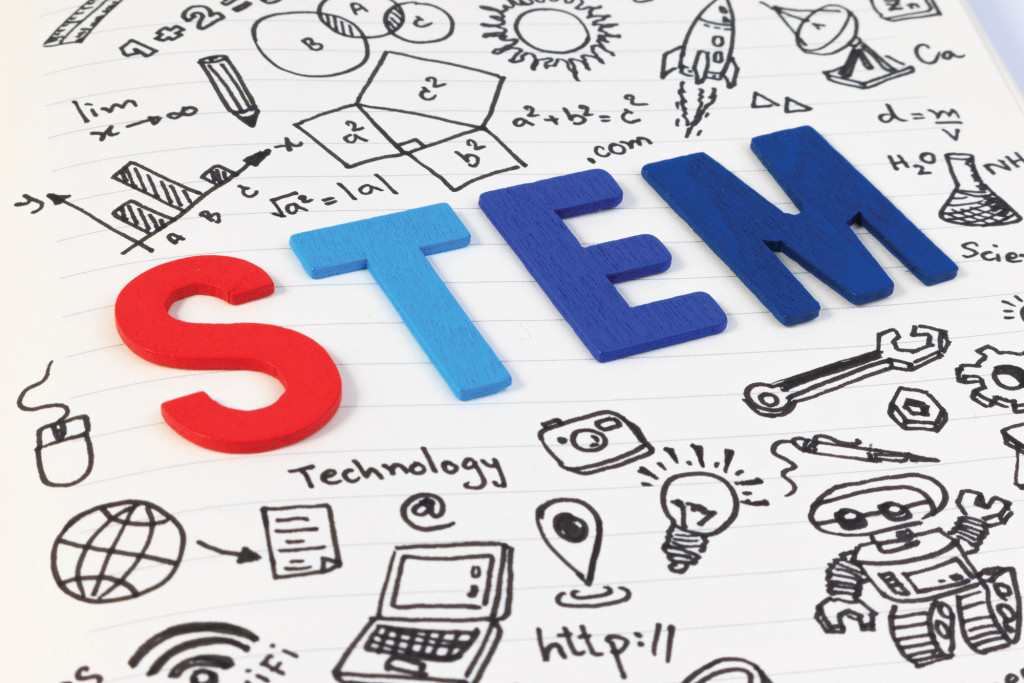
Schools, science specialists, and teachers are all involved in ensuring that their curricula meet national or state standards for Science, Technology, Engineering, and Math (STEM). Most school systems are successfully incorporating the S, T, and M components into their classrooms, but many find the E practices to be particularly daunting. Carolina STEM Challenge® kits are […]
Scientific and Engineering Practices and Crosscutting Concepts

What do all sciences have in common? All sciences have a set of practices and conceptual processes in common. How many science classes begin by teaching the scientific method? Our common practices and conceptual processes define our discipline. In the 3-dimensional instructional model, the practices that are part of every scientist’s lessons are listed in dimension […]
Dihybrid Inheritance Patterns with Wisconsin Fast Plants: 3-D Genetics Teaching Actively Engages Learners in Making Sense

Dihybrid genetics versus Monohybrid Inheritance Patterns: Which to choose? Wisconsin Fast Plants seed lines offer both mono- and dihybrid inheritance options for teaching genetics. So, when might you choose the dihybrid model? Answering that question is discussed in this article in the context of planning for how we facilitate genetics investigations with Fast Plants. In […]
Health Science II Education Buying Guide
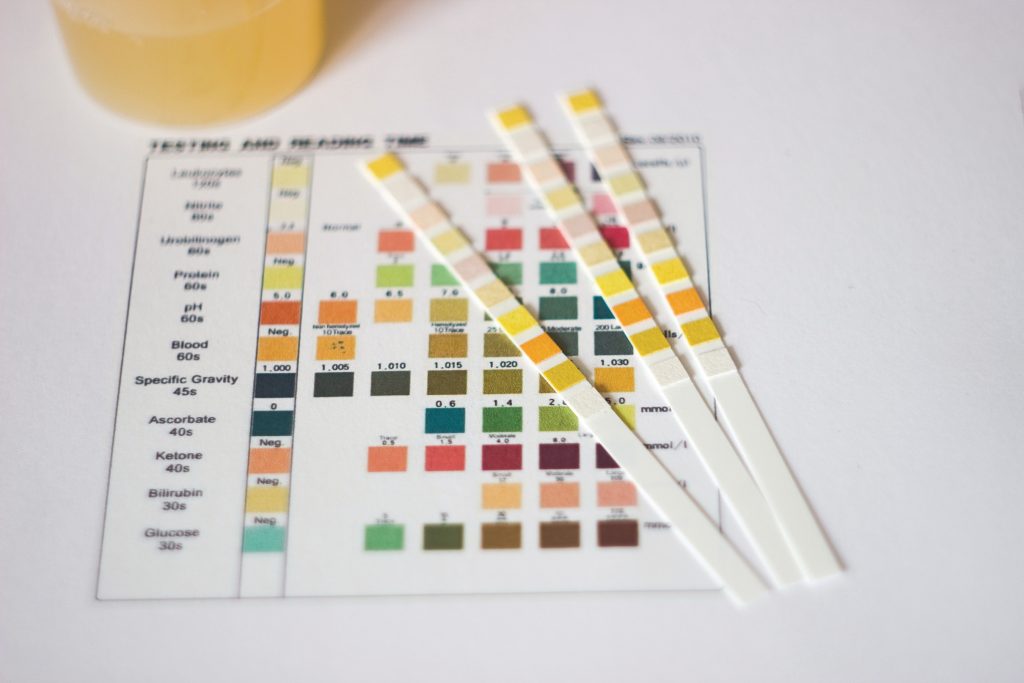
CTE Health Science II Education Buying Guide As a continuation of the CTE Health Science pathway, Health Science II helps students expand their understanding of the health care industry. This includes employability skills, safety and infection control procedures, and clinical skills used by allied health professionals. Students will demonstrate their understanding of cardiovascular and respiratory […]
Survival: Swim to the Light
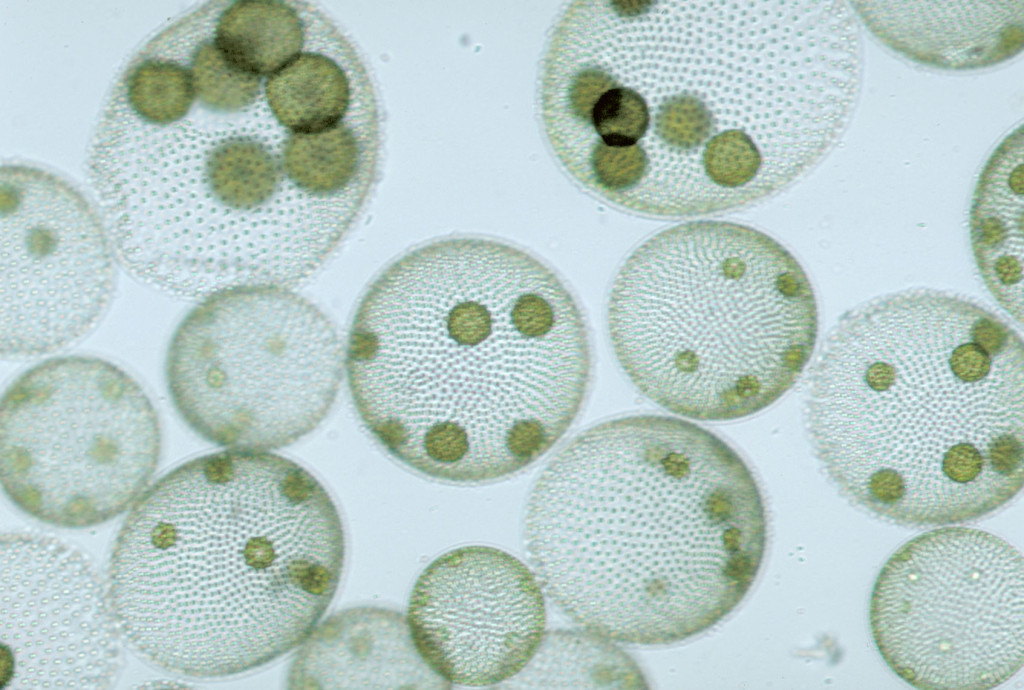
A CAROLINA ESSENTIALS INVESTIGATION Total Time Prep: 15 mins Activity: 30-45 mins Life Science Grade Level 3 Elementary School Quick Links Close Quick Links Open Quick Links Overview Essential Question NGSS Materials Procedures Analysis Kit Overview Essential Question NGSS Materials Procedures Analysis Kit Overview This investigation examines the phenomenon of phototaxis, movement away from or toward […]
Don’t Quote Me on That: Math Attitude Card Sort

A CAROLINA ESSENTIALS ACTIVITY Total Time Prep: 10-15 mins Activity: 15-30 mins Life Science Grade Level 9-12 High School Quick Links Close Quick Links Open Quick Links Introduction Essential Question NGSS Materials Procedures Analysis Kit Resources Introduction Essential Question NGSS Materials Procedures Analysis Kit Resources Introduction It has often been said that mathematics is the […]
Science and Engineering Practices
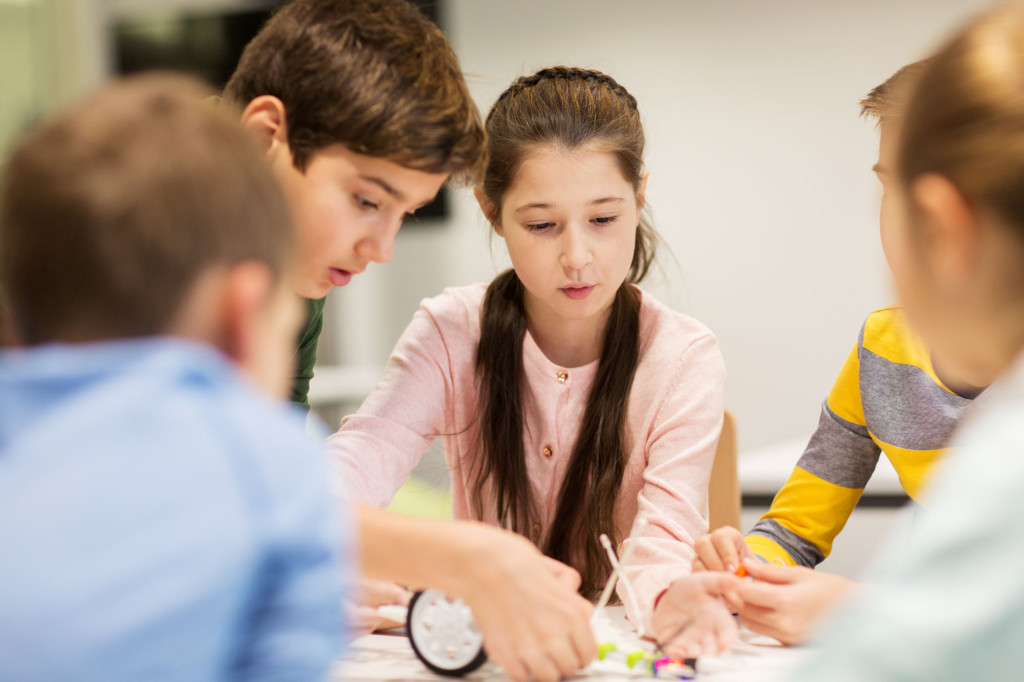
In the three-dimensional learning model, dimension 1 is science and engineering practices. The National Research Council (NRC) states that “…students cannot fully understand scientific and engineering ideas without engaging in the practices of inquiry and the discourses by which such ideas are developed and refined.” (NRC 2012) Scientific and engineering practices are identified by the NRC […]
Newton’s Laws, Friction, and Hovercraft

Students build a simple CD-and-balloon hovercraft to explore Newton’s laws of motion and friction. They observe how a cushion of air reduces friction, test movement on various surfaces, record data, sketch free?body diagrams, and analyze forces.