While algae represent a large portion of the plant family, little work has been done on the relationship of algae to humans and their health, including its potential side effects or effects on blood pressure.
In recent years, attention has turned to algae because of their effect on water quality. This increased interest, led by Schwimmer and Schwimmer (1955, 1964, 1968), has resulted in the investigation of the medical aspects of algae. Here we’ll give a brief summary and systematic review of some of the research in this field, including potential anti-cancer properties, often cited in federal medical databases.
Although airborne algae (diatoms) had been reported in 1844 by Ehrenberg in Germany, the first suggestion that airborne algae might cause disease was made by Salisbury, an Ohio physician, in 1866. He used glass plates and a wind funnel to trap “disease-producing algoid” organisms, which he called “palmellae.” More recently, long-term studies of airborne algae have been conducted in Holland by van Overeem and in the United States by Schlichting and Brown.
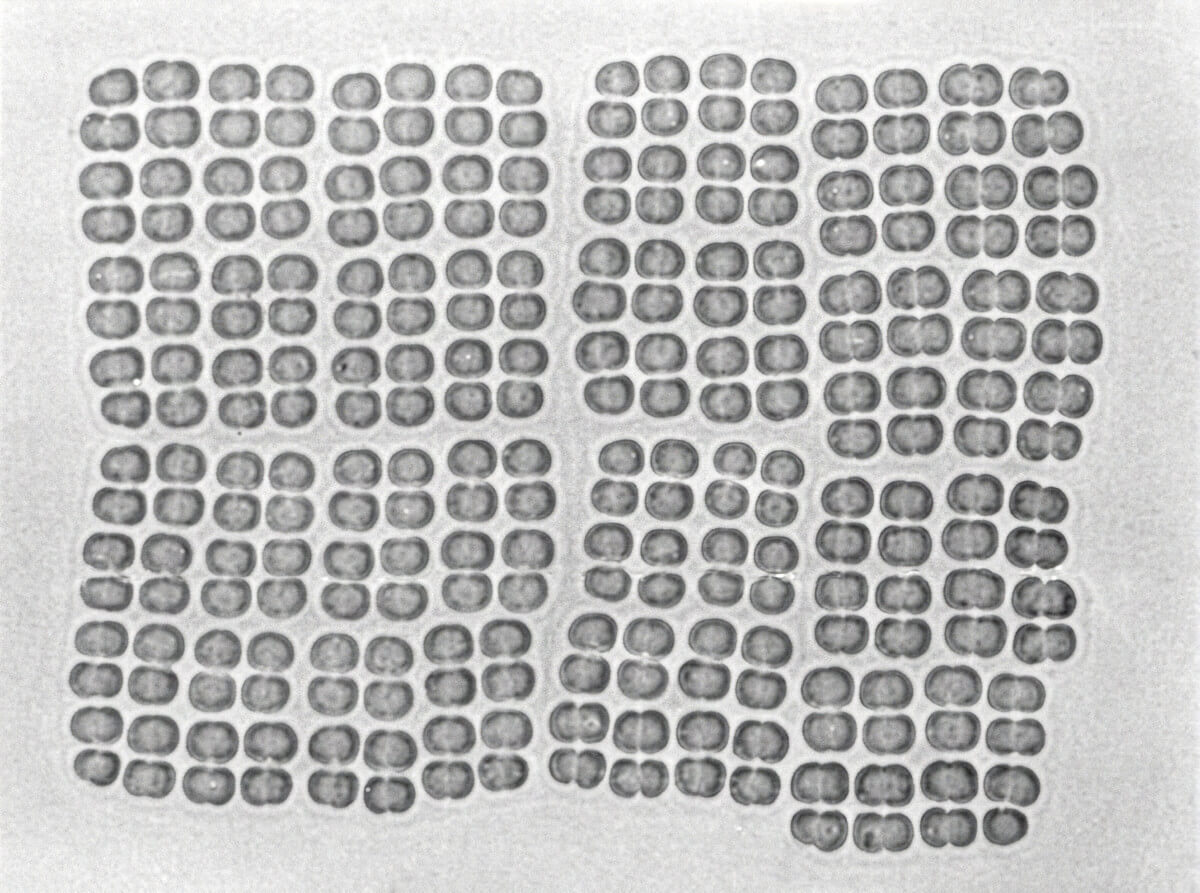
The first study of inhalant allergy caused by airborne algae was conducted in Texas by McElhenny et al. (1962). Extracts from axenic cultures of the algae Neochloris sp., Chlorosarcinopsis sp., Bracteacoccus sp., and Hormidium sp. were used to test 140 children. Forty-two children were not allergic to the intracutaneous injections; 89 showed positive reactions. McGovern et al. (1966) continued the Texas studies.
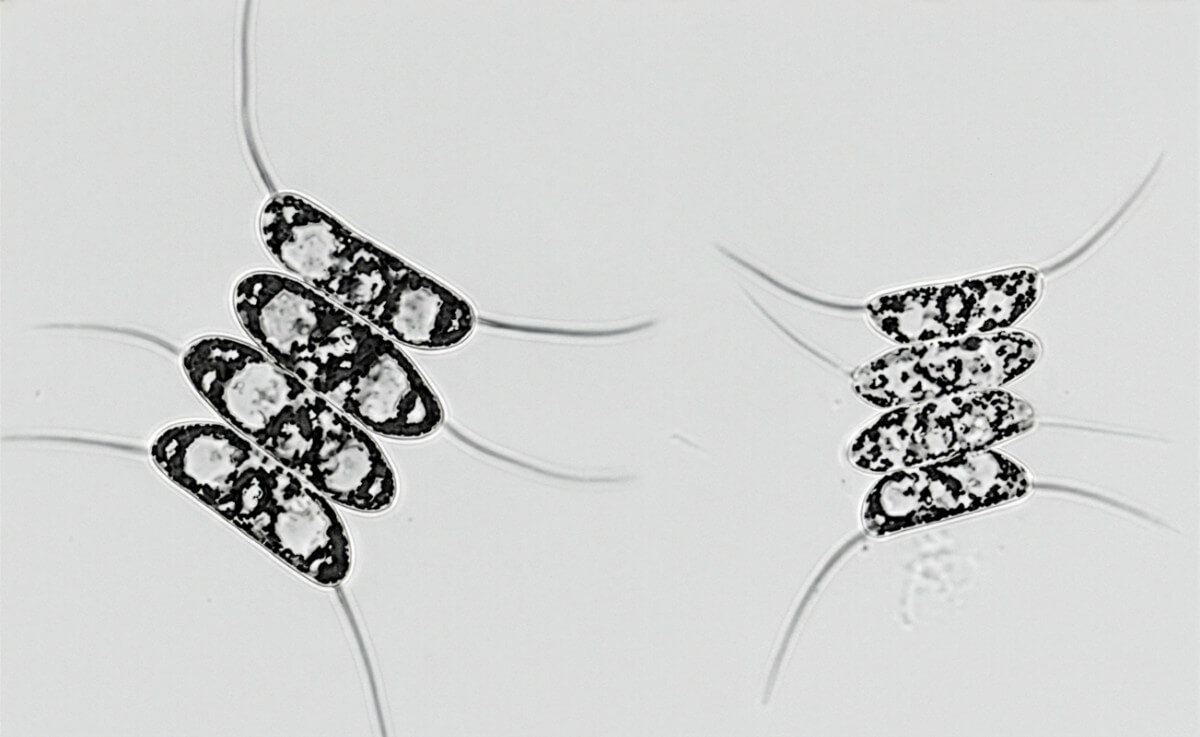
The prevalence of algae in house dust seems to be a worldwide phenomenon. Bernstein and Safferman reported on the sensitivity of skin and bronchial mucosa to green algae isolated from house dust. Axenic cultures of Ankistrodesmus, Chlorella, Chlorococcum, and Scenedesmus were used. Forty-seven of the 79 atopic (hypersensitive) patients tested had positive skin reactions to one or more of the six species. Positive responses were observed in five of the eight asthmatic patients in bronchial mucosal testing.
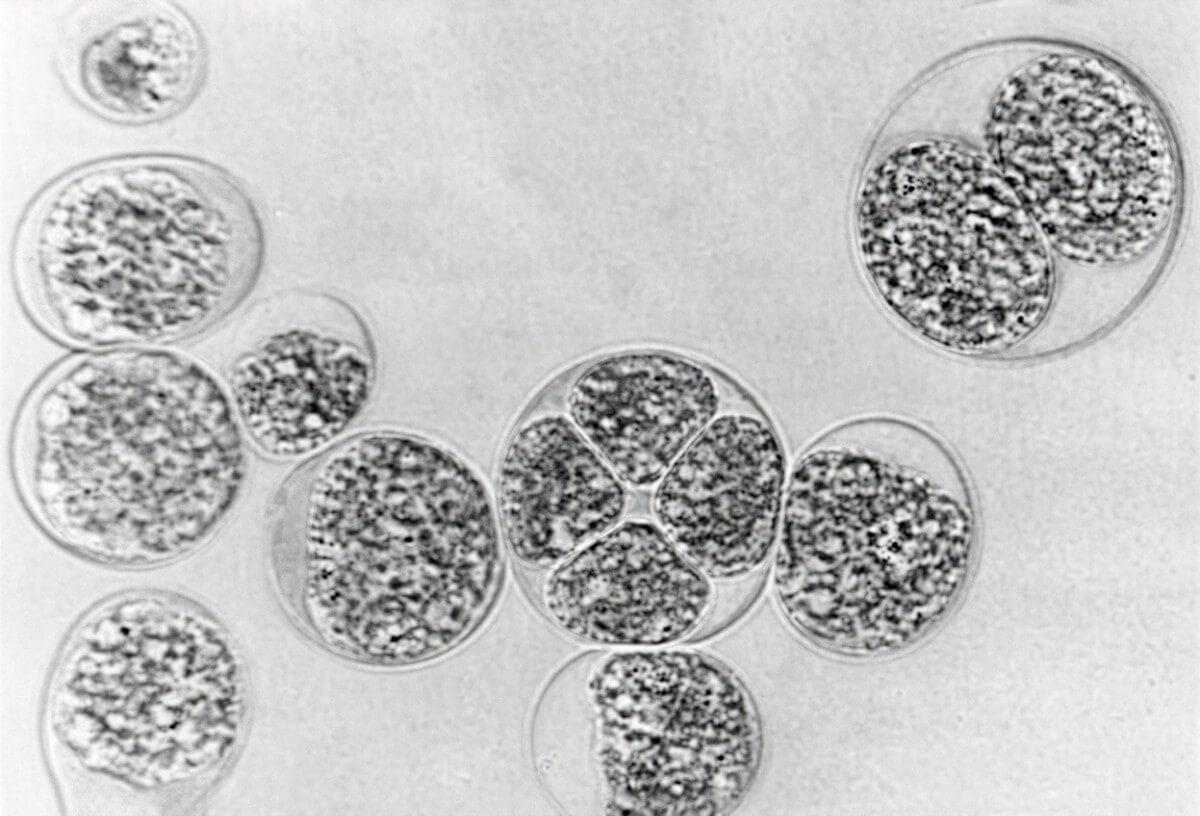
Woodcock noted the presence of “sea water nuclei” from 0.3 to 30µ (µm) in radius in oceanic air. He suggested that these aerosols were formed by bursting bubbles from breaking waves. Maynard stressed the importance of foams as ideal habitats for microorganisms, and Schlichting (1971) demonstrated the large variety and numbers of algae in seafoam. Schwimmer and Schwimmer, commenting on the respiratory exposure to “red tide” organisms (dinoflagellates), stated that the symptoms of sneezing and choking resulted from acute bronchitis and acute pulmonary edema. Dead algae seemed as noxious as living algae, particularly when encountered in high doses. It’s possible that human responses to algae can be enhanced by other irritants such as dust, heavy metals, sulfur dioxide, nitrogen oxides, bacteria, viruses, and fungi, which may increase oxidative stress. Investigations have shown that airborne algae and bacteria have originated from trickling filters and sewage aeration tanks in Texas and Michigan. It’s been suggested that a relationship may exist between certain bacterial and viral diseases and airborne algae sampled in the vicinity of sewage treatment plants.
It’s not surprising that algae can cause respiratory difficulties. These microalgae are a dense source of protein, carbohydrates, lipid content, amino acids, and antioxidants, and are small enough to be inhaled and retained in the lungs. At rest, a human respires about 7.43 liters of air per minute.
Ingestion of algae with food and drink occurs and is believed to cause gastrointestinal disorders, though some species may impact cholesterol, triglyceride levels, or blood sugar. The blue-green algae or cyanobacteria Anabaena, Aphanizomenon, and Microcystis—often containing pigments like phycocyanin—have been found to cause headache, nausea, diarrhea, and muscular pains. It is also suggested that polio outbreaks associated with water-drinking and swimming coincided with the greatest growth and toxicity of algae, such as AFA which can produce microcystins, during the summer months. Human poisoning can occur when toxic algae are ingested directly and when certain fish or shellfish ingest these algae and then are eaten by humans, a concern often monitored by the Food and Drug Administration. Deaths occur each year because people have eaten shellfish that have fed on “red tide” dinoflagellates.
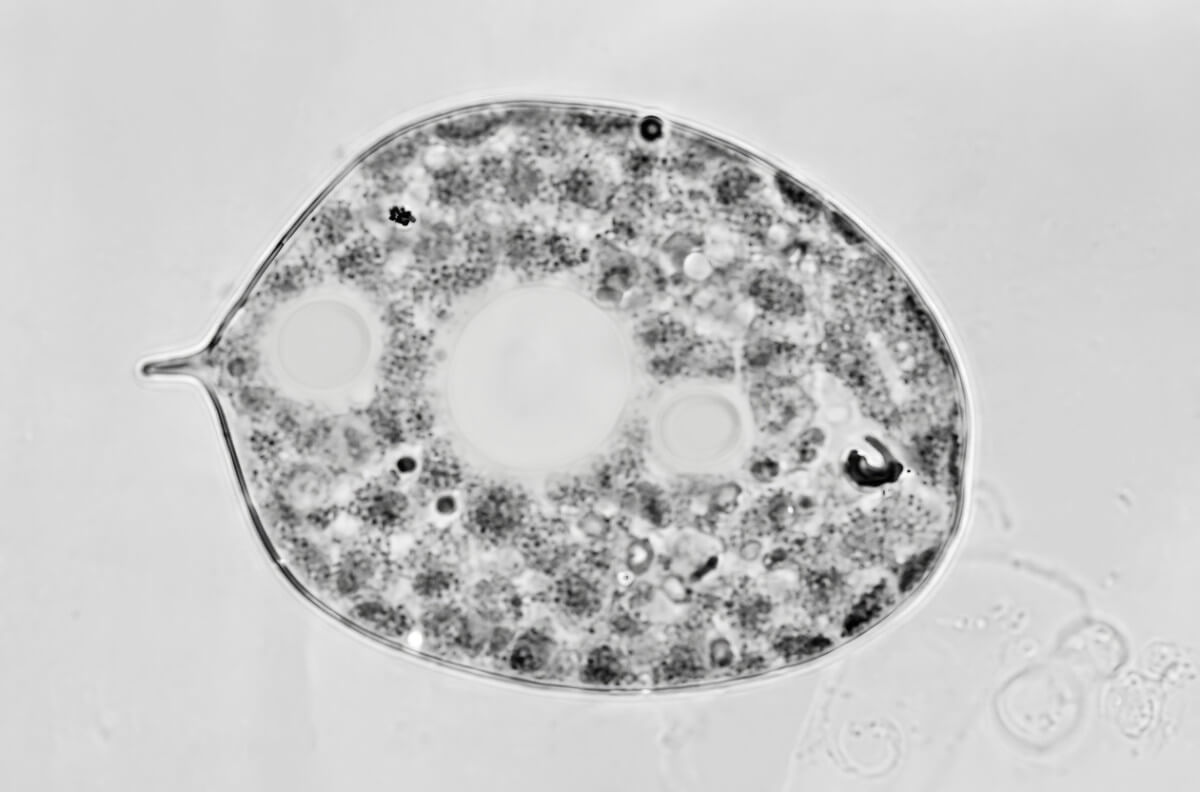
Dermatitis caused by the Lyngbya majuscula type of algae has been reported by Banner. The green alga Prototheca can grow parasitically in human epidermis. A colorless form, Prototheca wickerhamii,, was observed in a lesion on the head of a man from Johannesburg, South Africa, and its growth was resistant to medical treatments.
A positive diatom test (finding diatoms in the lungs) is accepted in Great Britain as a valid indication of death by drowning. Diatoms have also been found in other organs of the body, such as the liver, kidney, heart, and brain, following drowning. However, it should be noted that diatoms naturally occur in the air and have even been found in the marrow of the long bones.
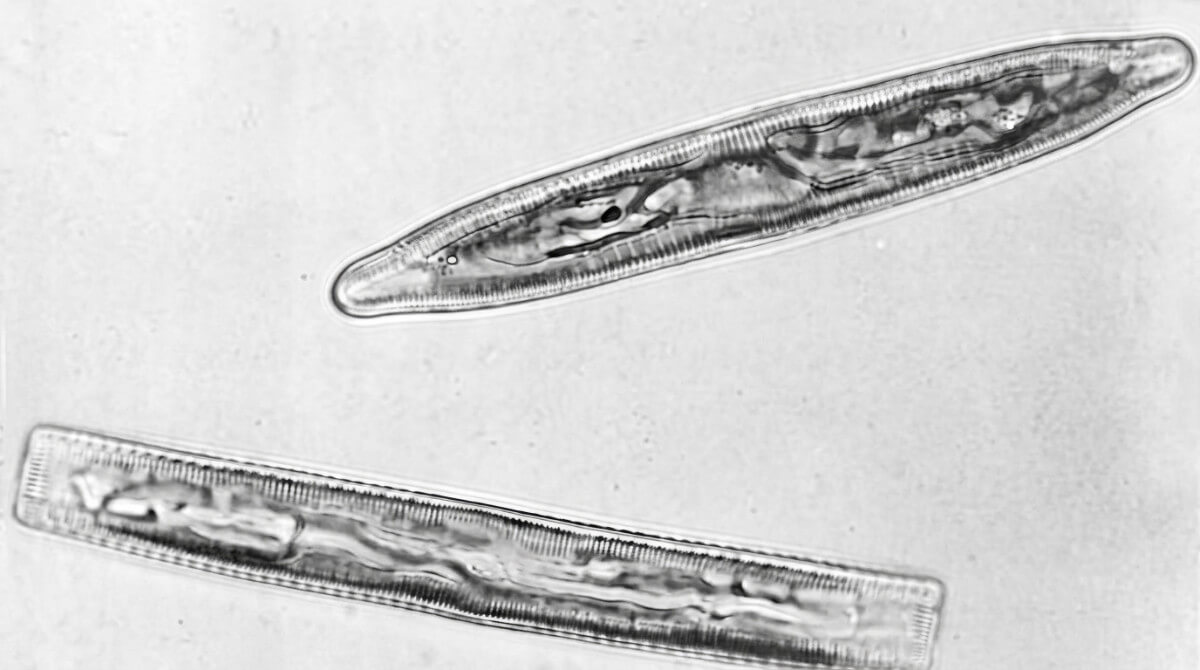
Not all algae are harmful, and some, such as Spirulina platensis, have been eaten by humans for centuries, including by the Aztecs. The health benefits of certain algae and positive effect of spirulina are now used in modern dietary supplements for weight loss and nutritional supplements, though these are not always evaluated by the FDA. Several seaweeds produce economically important compounds with anti-inflammatory properties, such as fatty acids, magnesium, calcium, agar, algin, and carrageenan, which are used primarily by the food, pharmaceutical, and supplements industries to create various algae products. Some seaweeds, Alsidium, Hypnea, and Rhodymenia, as well as the freshwater alga Rhizoclonium vovulare have been useful in deworming humans.
Feller found that healing infected wounds and the formation of scar tissue were helped by treatment with algal cultures. He thought the improvement was due to antibiotics but noted that the algal substances also stimulated bacterial growth rather than inhibiting it. Lefevre has conducted tests on patients with wounds which have not responded to classical treatments, and complete healing has occurred with algal culture treatment.
These few studies, including those on Aphanizomenon flos-aquae, demonstrate the need for additional work and double-blind, placebo-controlled clinical trials to help a health care provider offer sound medical advice—notwithstanding any legal disclaimer—and illuminate the possible importance of algae to the immune system and our health.
There have been exciting innovations for algae use in medicine and the health care industry since the original publication of this article. Here are some of the most widely used new applications. Algae are no longer viewed only as pond organisms or seaweed on the shore. Today, both microalgae and seaweeds are important raw materials for medicine, nutrition, and the broader health industry. Their value comes from natural compounds such as polysaccharides, pigments, proteins, omega-3 fatty acids, vitamins, and antioxidants. Because many algae-derived materials are biocompatible, biodegradable, and renewable, researchers and manufacturers are using them in products that support wound care, drug delivery, functional foods, supplements, and regenerative medicine.
One of the most established medical uses of algae is in wound dressings. Alginate, a gel-forming material extracted mainly from brown algae, is widely used because it can absorb wound fluid, help maintain a moist healing environment, and form soft gels that are gentle on damaged tissue. Modern alginate dressings may appear as fibers, foams, films, hydrogels, or sponges. Researchers are also combining alginate with antimicrobial agents, nanoparticles, or other polymers to create advanced dressings for burns, chronic wounds, and surgical injuries.
Algae-based compounds are also being explored as drug delivery materials. Alginate, carrageenan, fucoidan, and ulvan can be shaped into capsules, beads, hydrogels, and microscopic carriers that release medicines gradually or protect sensitive ingredients until they reach the right part of the body. These materials are attractive because their texture, charge, and gel strength can be adjusted for different medical needs. Some sulfated polysaccharides from seaweed are being studied for targeted delivery, especially in systems designed to interact with immune cells.
In the health industry, algae are perhaps most visible in supplements and functional foods. Spirulina and Chlorella are sold as nutrient-dense powders, tablets, and ingredients in beverages or snack products. Microalgae can provide protein, carotenoids, phenolics, essential vitamins, and polyunsaturated fatty acids. Some species are used to produce omega-3 ingredients, offering an alternative to fish-derived oils. Other algae pigments, such as astaxanthin from Haematococcus, are marketed for their antioxidant properties.
Algae are also contributing to tissue engineering and regenerative medicine. Scientists use alginate and other marine polysaccharides to build scaffolds that can support cells as they grow into new tissue. These scaffolds may be useful for skin, cartilage, bone, and other repair applications. Fucoidan, a compound from brown algae, is being investigated for roles in bone regeneration and other biomedical uses.
Although algae-based health products are promising, they still require careful quality control. The safety and effectiveness of an algae product depend on the species used, growing conditions, processing method, purity, and dose. Even so, algae’s combination of sustainability and biological usefulness makes it one of the most promising natural resources for the future of medicine and health care.
This article was originally published in Carolina Tips®, Vol. 35, No. 8 (August 1972); it was revised June 2026.
McElhenney, T. R., Hold, H. C., Brown, R. M., Jr., & McGovern, J. P. (1962). Algae: A cause of inhalant allergy in children. Annals of Allergy, 20, 739-743.
McGovern, J. P., Haywood, T. S., & McElhenney, T. R. (1966). Airborne algae and their allergenicity: II. Clinical and laboratory multiple correlation studies with four genera. Annals of Allergy, 24, 145-149.
Schlichting, H. E., Jr. (1969). The importance of airborne algae and protozoa. Journal of the Air Pollution Control Association, 19, 946-951.
Schlichting, H. E., Jr. (1971). A preliminary study of the algae and protozoa in seafoam. Botanica Marina, 14, 24-28.
Schwimmer, D., & Schwimmer, M. (1955). The role of algae and plankton in medicine. Grune & Stratton.
Schwimmer, D., & Schwimmer, M. (1964). Algae and medicine. In D. F. Jackson (Ed.), Algae and man. Plenum Press.
Schwimmer, D., & Schwimmer, M. (1968). Medical aspects of phycology. In D. F. Jackson (Ed.), Algae, man and the environment. Syracuse University Press.
Kuznetsova, T. A., Andryukov, B. G., Besednova, N. N., Zaporozhets, T. S., & Kalinin, A. V. (2020). Marine algae polysaccharides as basis for wound dressings, drug delivery, and tissue engineering: A review. Journal of Marine Science and Engineering, 8(7), Article 481. https://doi.org/10.3390/jmse8070481 [mdpi.com]
Zhang, H., Cheng, J., & Ao, Q. (2021). Preparation of alginate-based biomaterials and their applications in biomedicine. Marine Drugs, 19(5), Article 264. https://doi.org/10.3390/md19050264 [mdpi.com]
Cunha, L., & Grenha, A. (2016). Sulfated seaweed polysaccharides as multifunctional materials in drug delivery applications. Marine Drugs, 14(3), Article 42. https://doi.org/10.3390/md14030042 [mdpi.com]
Guil-Guerrero, J. L., & Prates, J. A. M. (2025). Microalgae bioactives for functional food innovation and health promotion. Foods, 14(12), Article 2122. https://doi.org/10.3390/foods14122122 [pmc.ncbi.nlm.nih.gov]
Nicoletti, M. (2016). Microalgae nutraceuticals. Foods, 5(3), Article 54. https://doi.org/10.3390/foods5030054
Harold E. Schlichting, Jr., Ph.D., and Daniel E. James
From the University of Oklahoma Biological Station,
Willis, Oklahoma 73462; and the Algae Department,
Carolina Biological Supply Company, Burlington, North Carolina 27215
Get the latest news, free activities, teacher tips, product info, and more delivered to your inbox.