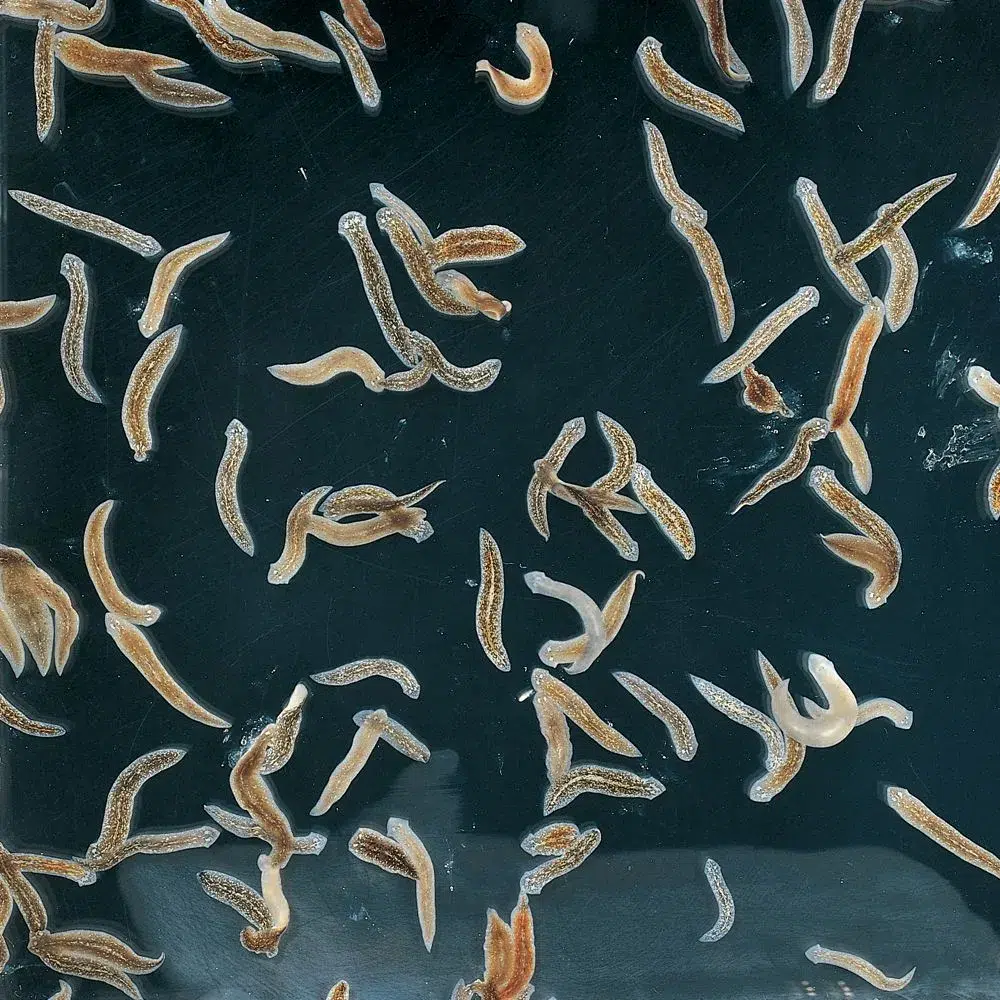
Protoslo® (885141) will help slow the movement of Paramecium and vinegar eels to simplify observations. Microscope slide No. 306052 Hydra l.s., shows the two tissue layers of Hydra, and slide No. 306100 shows Hydra cnidocytes and nematocysts. Slide No. 306318 shows the gastrovascular cavity and the pharynx of a planarian.
General Invertebrate Set, Living
Buy the Kit
In this lab, students study representatives of several invertebrate groups.
Ensure that students understand and adhere to safe laboratory practices when performing any activity in the classroom or lab. Demonstrate the protocol for correctly using the instruments and materials necessary to complete the activities, and emphasize the importance of proper usage. Use personal protective equipment such as safety glasses or goggles, gloves, and aprons when appropriate. Model proper laboratory safety practices for your students and require them to adhere to all laboratory safety rules. None of the organisms included in the General Invertebrates Set are parasitic or pathogenic. Even so, know and follow your district’s guidelines so that you are prepared if a student should ingest a culture. Cultures remaining after the completion of the activities can be maintained in the classroom or flushed down a sink with tap water. The chlorine and chloramine in most tap water will kill the organisms. If your tap water is not chlorinated, pipet 1 mL of household bleach (sodium hypochlorite solution) or isopropanol (rubbing alcohol) into the culture and wait 15 minutes before flushing down the sink.
Procedures
Students may work individually or in pairs.
Set up workstations for each of the cultures included in the General Invertebrates Set. At each station, include a culture, dropping pipet, and either slides and coverslips or deep-well slides. To avoid contaminating the cultures, ensure that students not switch pipets among the cultures. This is especially important for the pipet used for vinegar eels because the vinegar will kill the other organisms.
Although “invertebrates” typically refers now to animals without vertebrae, in our set of invertebrates, we continue to include examples of protozoa, for comparison with the animal specimens. (Protozoa were once considered simple animals.)
Optional: See the following LabSheets for additional activities: Amoeba, Paramecium, Hydra, Planaria, and Vinegar Eel.
Answer Key to Questions Asked on the Student LabSheet