When did you last knowingly eat some algae or algal by-products? If you said “Never!” then you are not reading the ingredient labels on cartons of ice cream, chocolate milk, and many other dairy products. Unique cell-wall components extracted from red and brown seaweeds are used extensively as additives in these foods and other products in Western cultures.
Algal vegetables are still considered unappetizing to most people in Western societies because they are not accustomed to eating seaweeds. In the Far East, however, whole seaweeds are sold as vegetables along with water chestnuts and bamboo shoots. Coastal societies of the Far East have consistently included seaweeds in their diets since well before 900 B.C. In eastern Asia and the Pacific Islands, seaweeds are consumed as a regular part of the daily human diet. Many of the edible seaweeds include considerable amounts of minerals, proteins, and vitamins necessary for human nutrition. Worldwide, about 160 algal species of seaweeds are eaten by humans. These include 25 species of green algae, 54 species of brown algae, and 81 species of red algae, representing the major groups of edible seaweeds.
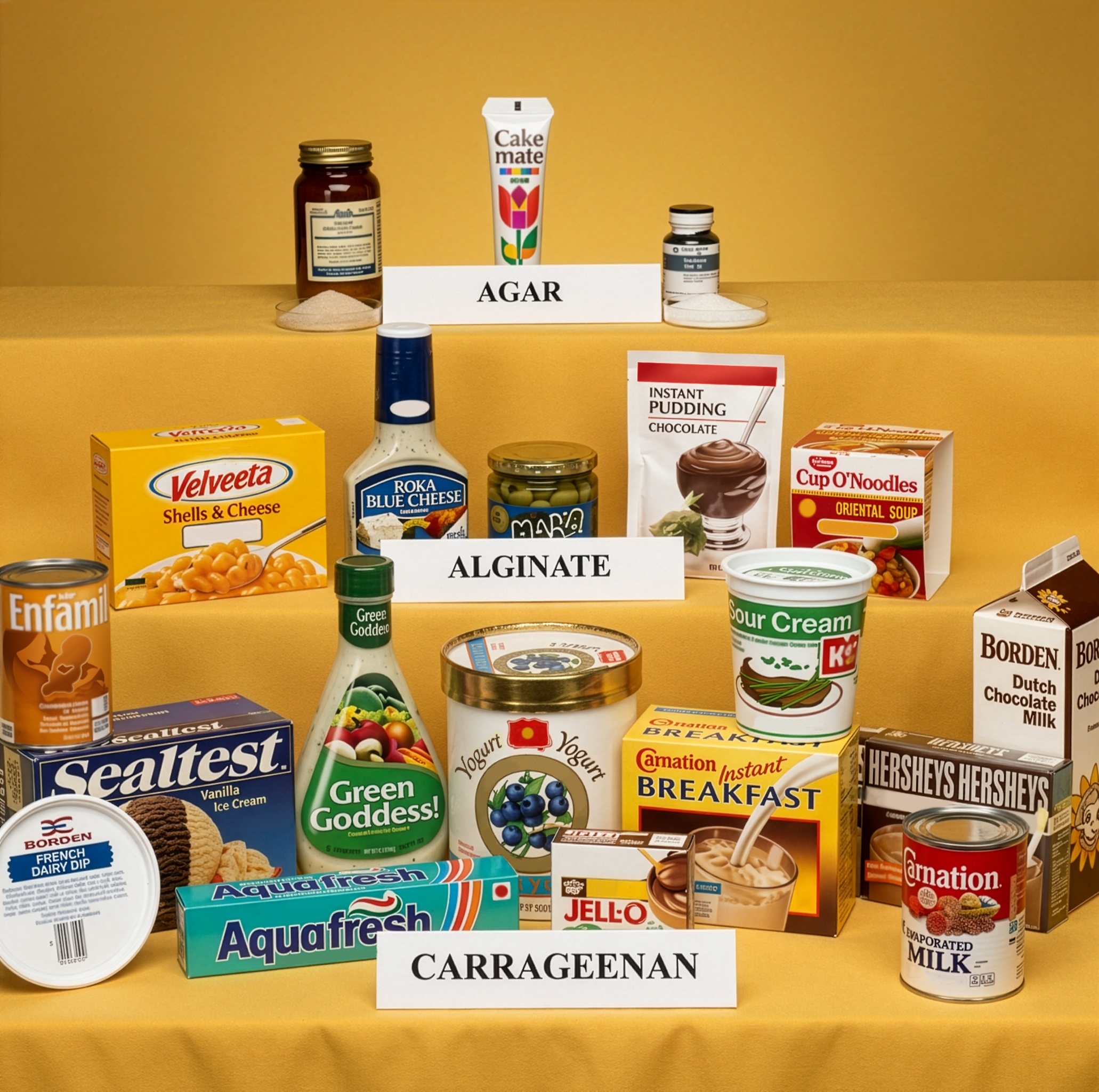
Unfortunately, most Western societies do not use seaweeds for nutritional supplements, but only as a source of extractable polysaccharides used to gel, thicken, and emulsify the food we eat. These added polysaccharides remain undigestible in humans; for example, the particles of chocolate in milk are kept evenly suspended by a small quantity of a red algal cell-wall extract (carrageenan), and the smooth consistency of puddings and salad dressings are controlled by a brown algal cell-wall component (algin). These two natural products are used extensively in the dairy, pharmaceutical, cosmetic, paint, and printing industries. Let’s explore the many ways algae and their by-products contribute to our daily lives.
Members of the cosmopolitan genus Ulva are gathered from the shallow intertidal zones in China, Chile, Germany, Iceland, and Scotland. This worldwide favorite vegetable is appropriately known as sea lettuce because of the leaflike blades that are rich in chlorophyll, appearing bright yellowish-green and up to 8 inches tall. Although the texture of fresh Ulva is like waxed paper, it is usually finely chopped and consumed in soup, salad, and relish. In addition to being a good source of protein, Ulva is high in vitamin C, iodine, EPA, and iron. In general, most edible macroalgae exhibit protein contents of 20-25% dry weight and are a consistently rich source of vitamins A, B, B₁₂, C, D, E, folic acid, niacin, pantothenic acid, and riboflavin. In addition, seaweeds contain all the trace elements, such as phosphorus, required for human nutrition.
Singled-celled and filamentous green algae, diatoms, or microalgae, often existing as single cells, represent different forms of algae that continue to be considered a potential human food source. In culture, the nonmotile unicell Chlorella (Fig. I) may produce up to 50% protein and all the essential human amino acids (Spencer 1988). Under controlled cultivation, Chlorella net production exceeds that of most terrestrial crops and land plants (12.3 g organic matter/m²/day). Research on Chlorella and Scenedesmus as a human food shows them to have an unpleasant flavor, color, and texture; without purification they can cause physiological problems. For that reason, the Japanese process Chlorella into a white, tasteless powder and add it to wheat flour as a food supplement. For more than 15 years, the Taiwanese have grown and harvested about 1,500 tons of Chlorella per year. The powder is sold primarily to the health food market.
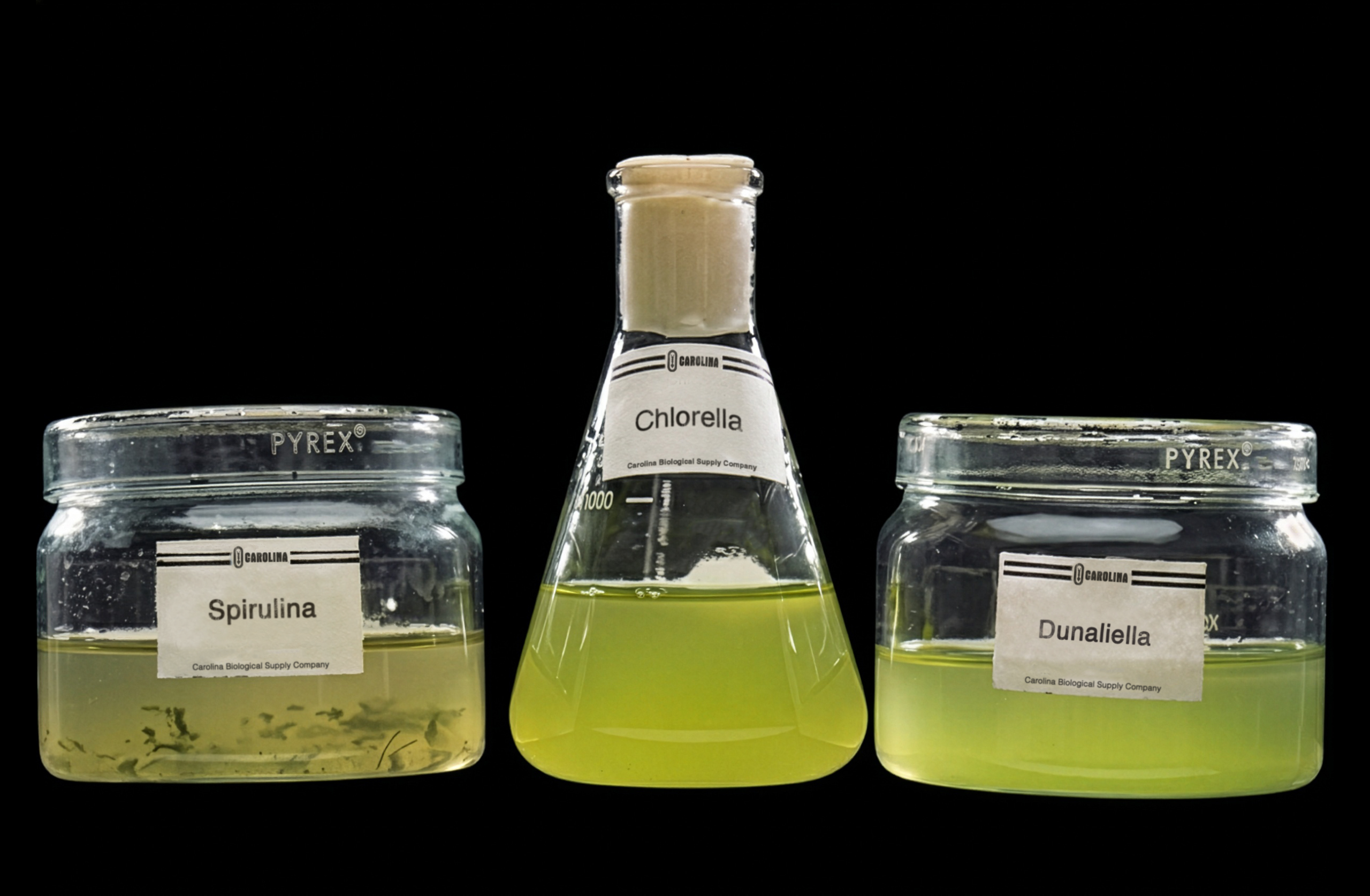
Chlorella is being studied as a possible part of life-support systems for long space missions. It could help clean the air, produce food, process waste, and recycle water for astronauts. On Earth, Chlorella and a similar alga called Scenedesmus are important organisms in oxidation ponds, where they help treat sewage. However, not all related organisms are beneficial. Prototheca, a colorless organism related to Chlorella, can cause a skin disease called protothecosis in humans and mastitis in dogs and cattle. It is commonly found in soil and is sometimes associated with lichens.
A green algal by-product for which demand continues to increase is β-carotene, a precursor of vitamin A essential for many aquatic organisms. This vitamin is necessary for all organisms that have image- generating eyes. Although β-carotene is found in fruits and vegetables, a motile, green unicell known as Dunaliella (Fig. 1) produces nearly 14% of its dry mass as β-carotene (Spencer 1988). Certain species of Dunaliella grow in highly saline ponds, lakes, or other bodies of water, and β-carotene is commercially extracted and sold for about $300 per kg.
In nature, these microalgal pigments (carotenes and xanthophylls) are used by herbivorous fish and crustaceans within the food chain and give to them their characteristic orange, red, and blue hues. In commercial aquaculture systems, the addition of pigments is necessary because a reddish color in fish and other seafood is expected by consumers.
Inhabitants of cool-temperate coastal regions of the world continue to be served well by multicellular brown seaweeds and their surrounding marine ecosystems, even as these habitats face pressures from climate change. Their importance today (as with red seaweeds) is as edible human food, animal fodder, plant fertilizer, and as a source of unique cell-wall slimes used in the dairy, medical, and pharmaceutical industries.
The majority of the important brown species are members of the algal order Laminariales, commonly called kelps. Originally, the term kelp was applied to the burned ash of seaweeds. The ash was used by potters as a source for sodium carbonate to make glazes and by glassmakers in Europe during the seventeenth century.
In China, the kelp plants called hai dai (Laminaria) have served as a food source for over 1,000 years. In Japan, Laminaria and Udaria are eaten in soups, with fish and meat, or as pickled condiments. Today in medicine, extracts from certain kelps are being used to reduce blood pressure, treat arteriosclerosis, and serve as an anticoagulant. Dried pieces of Laminaria are used as a natural means of dilating the cervix during diagnostic and therapeutic procedures. China and Japan produce about 275,000 tons of Laminaria a year at a value of about $300 million.
In the world of agriculture, seaweed meal, ground mostly from kelp and added to conventional feed, has benefited for cattle, sheep, swine, and poultry. These meals contain ample concentrations of trace elements, vitamins, carotenoids, and xanthophylls. Plants have benefitted from the addition of fresh seaweed manures for years. Today, processed seaweed products are applied directly to greenhouse crops and soils to improve growth, while liquid extracts and concentrates are used as root dips to prevent fungal attacks and as foliar sprays to increase yields in some crops. The improved plant growth effects are thought to be due to a diverse assemblage of plant growth regulators that include auxins, cytokinins, and gibberillins. However, the mainstay of the kelp market today resides in the unique polysaccarides called phycocolloids, which are a part of the brown algal cell wall.
Algin is the phycocolloid extracted from brown seaweeds. The principal genera harvested include Laminaria, Macrocystis, and Ascophyllum. In the United States, Macrocystis, or giant bladder kelp, forms extensive submarine forests off the California coast, where it is mechanically mowed seasonally by harvesting ships.
Algin is a cell-wall copolymer of mannuronic and guluronic acids that, in part, gives these marine plants their rubberlike elastic characteristics when they are placed under stress by pounding waves and strong currents. Purified algin and extracted salts (alginates) are used in small concentrations (0.5–2.0% of extract by weight) to thicken, gel, emulsify, and stabilize food and industrial products (Table 1; Fig. 2). For example, smoothness and coatings on paper stock are controlled by alginates. In textiles, alginates are used to thicken fiber-reactive dye pastes, which facilitates sharpness in printed lines and conserves dyes. Dentists use alginates to make dental impressions of our teeth because of its quick setting times at mouth temperatures and its dimensional reproducibility. Chalky pills pass more easily from mouth to stomach when coated with alginates.
The red seaweeds dominate the benthic flora, including those found in coral reefs, with their diversity and number of species. Some eighty genera of red algae are of economic value, but only five of these genera are cultivated.
Porphyra is the most widely recognized and utilized for food. Known as zicai in China, amanori or nori in Japan, and layer in the Western world, Porphyra has been eaten for thousands of years in Japan and has been in commercial cultivation there for well over 300 years. Porphyra is a valued food source since the total protein content ranges from 30–50% of the dry weight (more than in the garden pea, for example), and it is rich in the usual vitamins and minor elements.
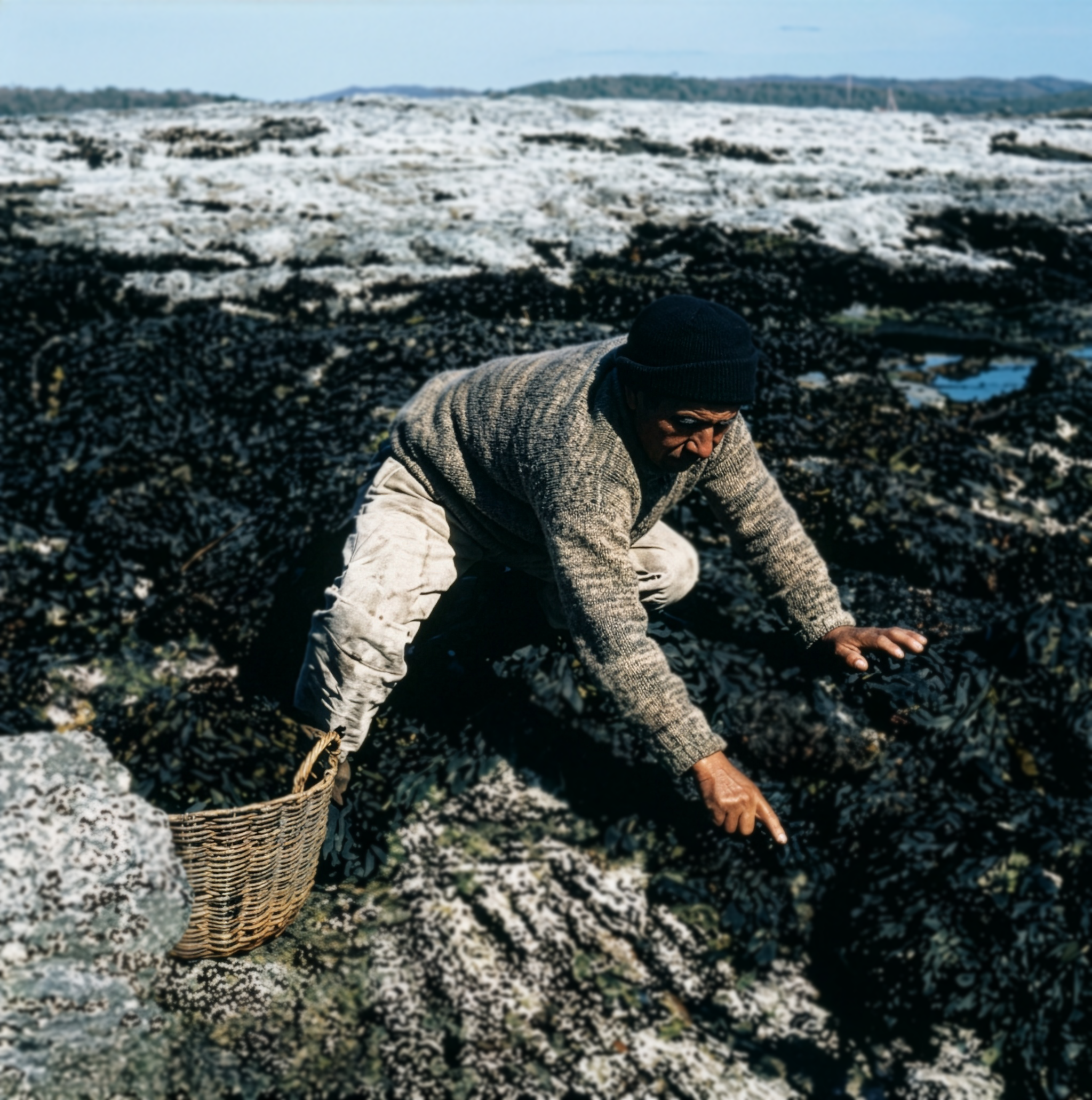
In 1986 Japan produced a Porphyra crop estimated to have a retail value of $1 billion. On a yearly basis, Japan produces 60% of the world’s total production. Although Japan and other Asian countries have mechanized the mariculture of Porphyra, natural stands are still harvested by hand in other regions of the world (Fig. 3).
Like brown algae, in Western cultures the presence of phycocolloids in the red algae overshadows their food value. These water-extractable cell-wall compounds, carrageenan and agar, function in the plants and as additives to products as does algal in the brown algae (Table 1; Fig. 2). Carrageenan is part of a complex sulfated galactan polymer whose name may have been derived from the Irish word carraigeen, which means “rock moss.”
For example, in North America and Europe, Chondrus crispus (Irish moss) and Gigartina stellata have been collected for centuries and used for making custards (blancmange) and jellies; however, today they are the major source of carrageenans. Even in the Far East the genus Eucheuma is now primarily farmed for its carrageenans and only secondarily for food.
Agar has chemical properties similar to those of carrageenan (Table 1), but agar is composed of complexes of agarose and agaropectin. Agar is extracted primarily from natural harvests of Gelidium and Gracilaria, as well as several other species, and is best noted for its unique ability to form thermally reversible gels at low temperatures. A 1–2% solution of agar by weight gels at 35–37° C and melts at 85–90° C. This gel provides a perfect and stable platform on which to culture microorganisms. With the proper amount of water and nutrients added, the agar medium is routinely used by colleges, hospitals, public health clinics, and research institutions to culture bacteria and fungi. Highly purified agarose gels are widely used in molecular biology for chromatographic, electrophoretic, and immunologic studies.
The demand for phycocolloids continues to grow, but the unpredictability of wild harvests of both brown and red seaweeds has forced production companies to look for alternative sources. Efficient seaweed aquaculture of a few species has provided some relief, but other colloid sources have replaced our dependence on algin and carrageenan. For example, the cell-wall slimes produced by commercially cultured bacteria are substituted for phycocolloids in many food products. For obvious reasons, this bacterial product is listed as xanthan gum on the ingredient label and not as “bacterial slime.”
The antibiotic properties of some red seaweed extracts have been tested and found to be highly toxic to many microorganisms. These natural chemical agents are halogenated lipids that also have detrimental effects on certain nematodes, aphids, and spider mites and are biodegradable, unlike some of our current insecticides. Other chemicals isolated from seaweeds exhibit antiviral activity against the herpes viruses. Chemical surveys for unusual and biologically active compounds from all seaweeds continues in pharmacological, medical, and biochemical research institutions around the world.
| Uses | Ag | Ca | Al |
|---|---|---|---|
| Food (Nondairy) | |||
| Frozen foods | X | X | X |
| Pastry fillings | X | X | |
| Syrups | X | X | |
| Bakery icings | X | X | X |
| Relishes | X | X | |
| Cooked/instant puddings | X | X | X |
| Meringues | X | X | |
| Chiffons | X | X | |
| Dessert gels | X | X | X |
| Candies | X | X | |
| Fruit juices | X | X | X |
| Jams and jellies | X | X | |
| Sauces and gravies | X | X | |
| Pimiento strips | X | X | |
| Salad dressings | X | X | |
| Food (Dairy) | |||
| Whipped toppings | X | X | |
| Milk shakes | X | X | |
| Skim milk | X | ||
| Evaporated milk | X | ||
| Chocolate milk | X | ||
| Cheeses | X | X | X |
| Cottage cheese | X | ||
| Infant formulations | X | ||
| Flans and custards | X | X | |
| Yogurt | X | X | |
| Instant breakfasts | X | X | |
| Ice cream | X | X | |
| Industrial | |||
| Paper sizings/coatings | X | X | |
| Adhesives | X | X | |
| Textile printing/dyeing | X | X | |
| Air freshener gels | X | X | |
| Explosives | X | ||
| Boiler compounds | X | ||
| Polishes | X | ||
| Tertiary oil treatment | X | X | |
| Antifoams | X | ||
| Ceramics | X | ||
| Welding rods | X | ||
| Cleaners | X | X | |
| Castings and impressions | X | X | |
| Enzyme immobilization | X | X | |
| Microtomy media | X | X | |
| Electrophoretic media | X | X | X |
| Chromatographic media | X | X | |
| Conductivity bridges | X | ||
| Medical and Pharmaceutical | |||
| Laxatives | X | X | |
| Bulking agents | X | X | X |
| Radiology suspending agents | X | ||
| Capsules and tablets | X | X | X |
| Suppositories | X | ||
| Anticoagulants | X | ||
| Lotions and creams | X | X | |
| Shampoos | X | ||
| Ulcer products | X | X | |
| Toothpastes | X | ||
The genus Spirulina became a household word in the early 1980s as a dieting aid. Spirulina is the “Porphyra” of the inland algal world. At Lake Texcoco in Mexico, Incas gathered Spirulina and prepared cakes to dry and store for food. Blue-green algae continue to be used as food in Africa, China, Mexico, and South America. Unlike the eukaryotic seaweeds mentioned earlier, these prokaryotic vegetables include Nostoc and Spirulina, among others.
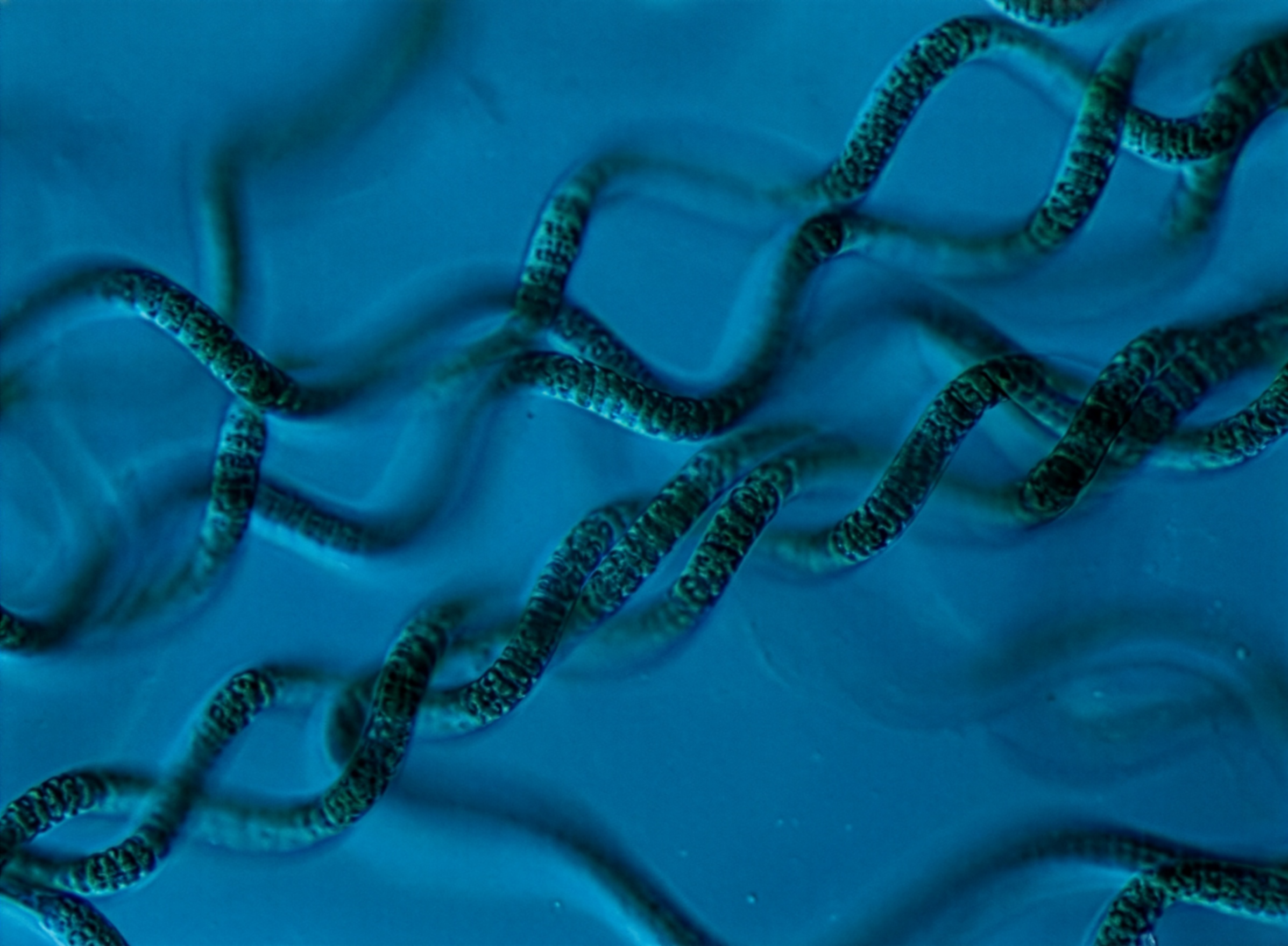
Spirulina (Fig. 1) is the only blue-green freshwater algae commercially grown for food in freshwater farm ponds in Israel, Japan, Taiwan, Thailand, Mexico, and the United States. It contains about 65% protein, 15% carbohydrate, and 10% fat and is, of course, rich in vitamins and minerals (Jassby 1988). Raw, powdered Spirulina has a potent odor and taste that is hardly palatable even when mixed with other foods or drink. Chocolate and tomato flavors seem to best mask its strong characteristics. Demand for food-grade Spirulina comes primarily from the health food and fish food markets. About 775 tons of dried Spirulina are produced worldwide each year. Many studies indicate that Spirulina can have important therapeutic applications, often due to high levels of nutrients, such as lowering of serum cholesterol, controlling weight, and treating certain cancers.
In one of the native environments of Spirulina, the alkaline lakes in the Rift Valley of Africa, local residents who supplement their diets with this alga share this wild crop with large flamingo populations. The highly modified beaks of these birds strain the coiled filaments of Spirulina from the water (Fig. 4). The carotenoids from the alga are metabolized by the birds and cause the characteristic red tinting of their feathers. Zoo flamingos are kept pink by the addition of carotenoids to their diets.
Current medical research with blue- greens has shown that extracts from species of Lyngbya and Phormidium protect isolated human T-cells from HIV, the AIDS virus. Other genera of blue-greens are major sources for neurotoxins that are used to study the development and functioning of the nervous system.
A natural algae bloom of blue-green species has been implicated in the illness and death of birds and other animals, and harmful algal blooms of dinoflagellates or the marine Trichodesmium are toxic to fish and invertebrates. Similar blue-green blooms in domestic water supplies can produce objectionable tastes and odors in drinking water and clog water filtration units. Anabaena, Aphanizomenon, Microcystis, Oscillatoria, and Coelosphaerium are on every water superintendent’s hit list. However, rice farmers encourage the bloom of blue-green algae because of their unique abilities to fix atmospheric nitrogen. Rice yields can be increased by 20% in the presence of Tolypothrix.
Algae may not get much attention, but they are some of the hardest-working organisms on the planet. These tiny aquatic powerhouses help remove carbon dioxide from the atmosphere through photosynthesis, produce a large portion of the oxygen we breathe, and even contribute to many products we use every day. The next time you enjoy instant breakfast, eat pudding, or brush your teeth, remember that algae may have helped make it possible.
This article was originally published in Carolina Tips®, Vol. 53, No. 9 (September 1990); it was revised June 2026.
Jassby, A. 1988. Spirulina: A model for microalgae as human food. In Algae and Human Affairs (C.A. Lembi and J.R. Waaland, eds.). Cambridge University Press, Cambridge.
Lewis, J.G., N.F. Stanley, and G.G. Guist. 1988. Commercial production and application of algal hydrocolloids. In Algae and Human Affairs (C.A. Lembi and J.R. Waaland, eds.). Cambridge University Press, Cambridge.
Spencer, K.G. 1988. Lipids and polyols from microalgae. In Algae and Human Affairs (C.A. Lembi and JR. Waaland, eds.). Cambridge University Press, Cambridge.
Geoffrey L. Leister, Ph.D., and Jackie Morris
From the Algae Department,
Carolina Biological Supply Company, Burlington, North Carolina 27215
Get the latest news, free activities, teacher tips, product info, and more delivered to your inbox.