
Temperature Sensation Activity
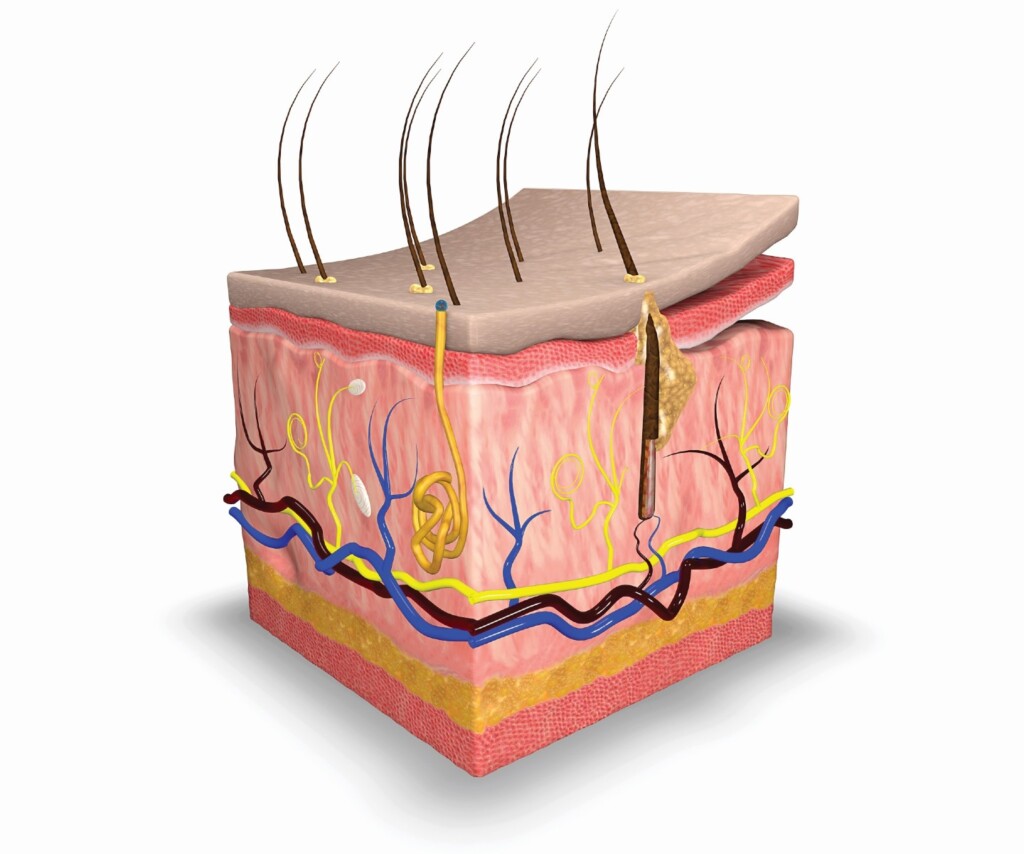
How do the density and arrangement of cutaneous receptors vary on the human arm? The skin is the largest organ in the human body. Various receptors in the skin detect different stimuli. Mechanoreceptors respond to skin stretch, cold, changes in texture, and deep pressure. Thermoreceptors sense changes in temperature, and highly specialized nociceptors respond to […]
Balancing Chemical Equations
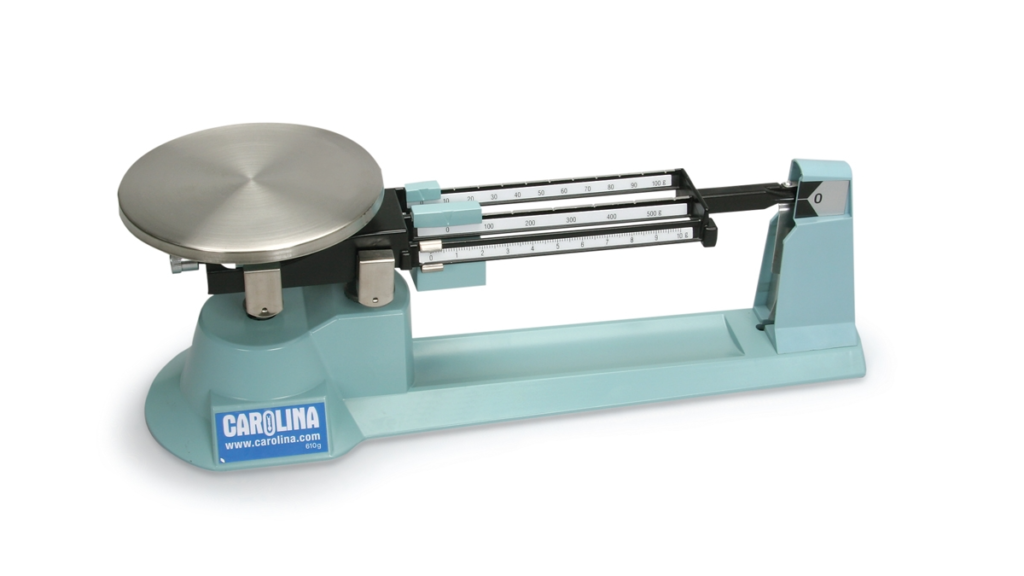
Using Models to Simplify Balancing Equation To balance chemical equations, students must know how to count atoms, understand the difference between coefficients and subscripts, and identify reactants and products. Balancing equations reinforces understanding of the law of conservation of mass as students keep in mind that the same number and types of atoms must be […]
Maggot Michelangelos
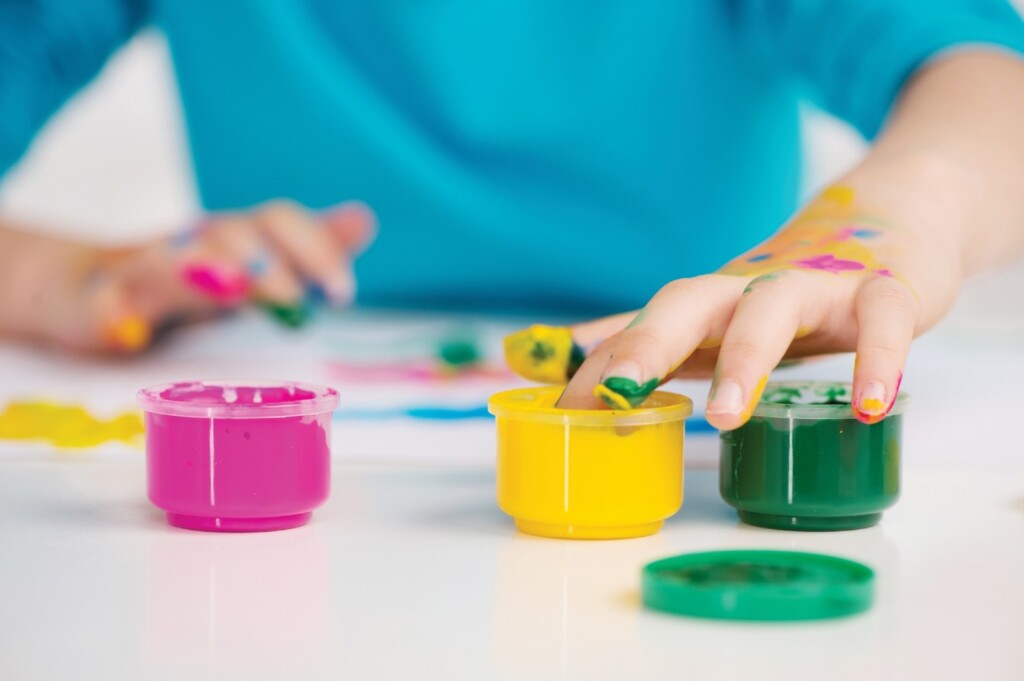
Using Artwork to Gain Behavioral Insight Overview During this activity, students will use housefly larvae (i.e., maggots) to answer morphological and behavioral questions, all while creating unique artwork! Students will create and test hypotheses as well as learn about the complete metamorphosis life cycle. This hands-on learning activity shows students how fun scientific inquiry can […]
Mole Day (October 23) Celebration
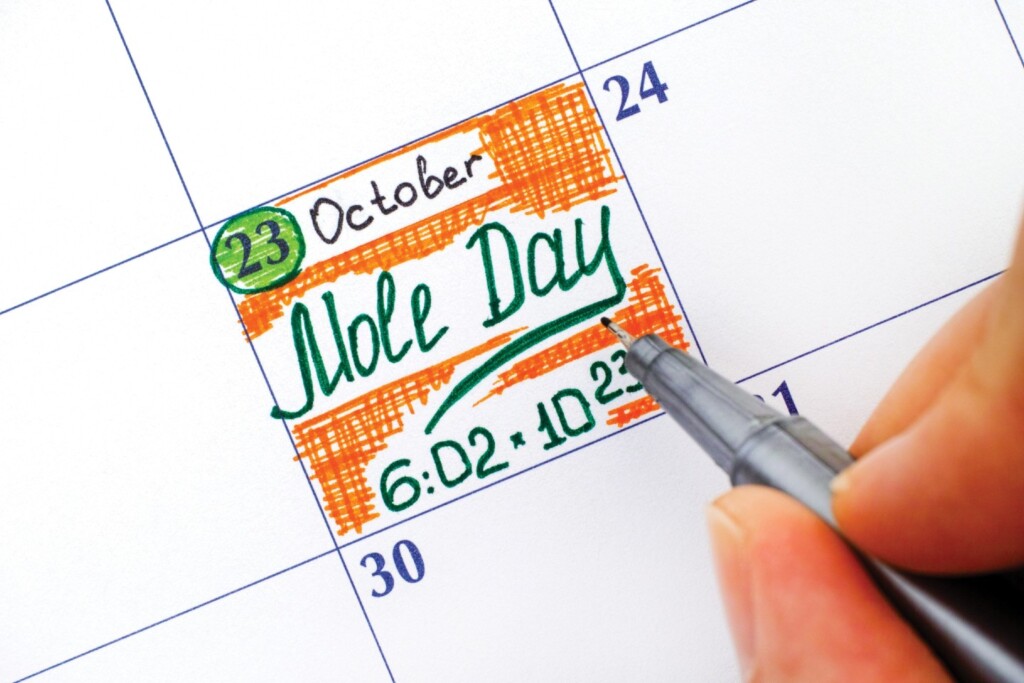
Mole Day Celebration Happy Mole Day. It’s party time! Break out the . . . the . . . the what? How do you celebrate the value of the Avogadro constant and why would you want to anyway? Keep reading and we’ll give you all kinds of ways to commemorate the big day. As for […]
Investigating Enzyme Reaction Rates Using Toothpickase

A dry lab activity Objectives At the end of this activity, students should be able to demonstrate their understanding of the vocabulary describing an enzyme reaction, including the following terms: enzyme, quaternary structure, active site, substrate, products, V-max, substrate concentration, competitive inhibitors, and enzyme concentration. Background The vocabulary needed to describe an enzyme reaction can […]
Rock Candy: An Edible Study of Crystallization

An Investigation of Supersaturated Solutions Making rock candy is a safe way to introduce students to solutions and crystal growth–and you can make it a tasty treat at the same time! This activity helps students visualize how a supersaturated solution grows the extra-large crystals of sucrose needed to make rock candy. Table sugar (sucrose) and […]
Classifying Chemical Reactions
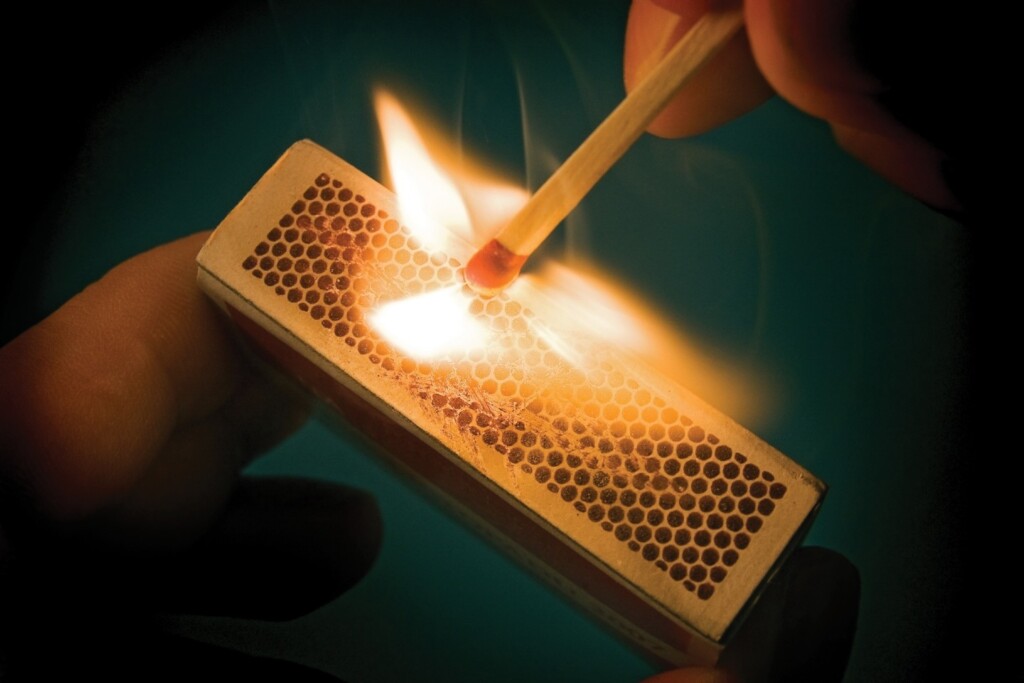
Writing and balancing chemical equations is an essential skill for chemistry students, who must learn to predict the products of a reaction when given only the reactants. This becomes much easier for students to do when they learn the pattern of 5 basic categories of chemical reactions: synthesis, decomposition, single replacement, double replacement, and combustion. Types of […]
Silvering Glass

Create Silver-Mirrored Christmas Ornaments with a Redox Reaction Create silver ornaments with your students using a chemical process similar to antique mirroring techniques. In this festive activity, silver is plated onto the interior surface of a glass vial via a redox reaction. In the reaction, dextrose is oxidized to gluconic acid, and silver ions are […]