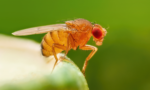
In this lab students compare phenotypes of mutant Drosophila to wild type. The activity is intended as a student’s first experience working with Drosophila. It may serve as a stand-alone activity or as a pre-lab to our Introductory Genetics with Drosophila LabSheet
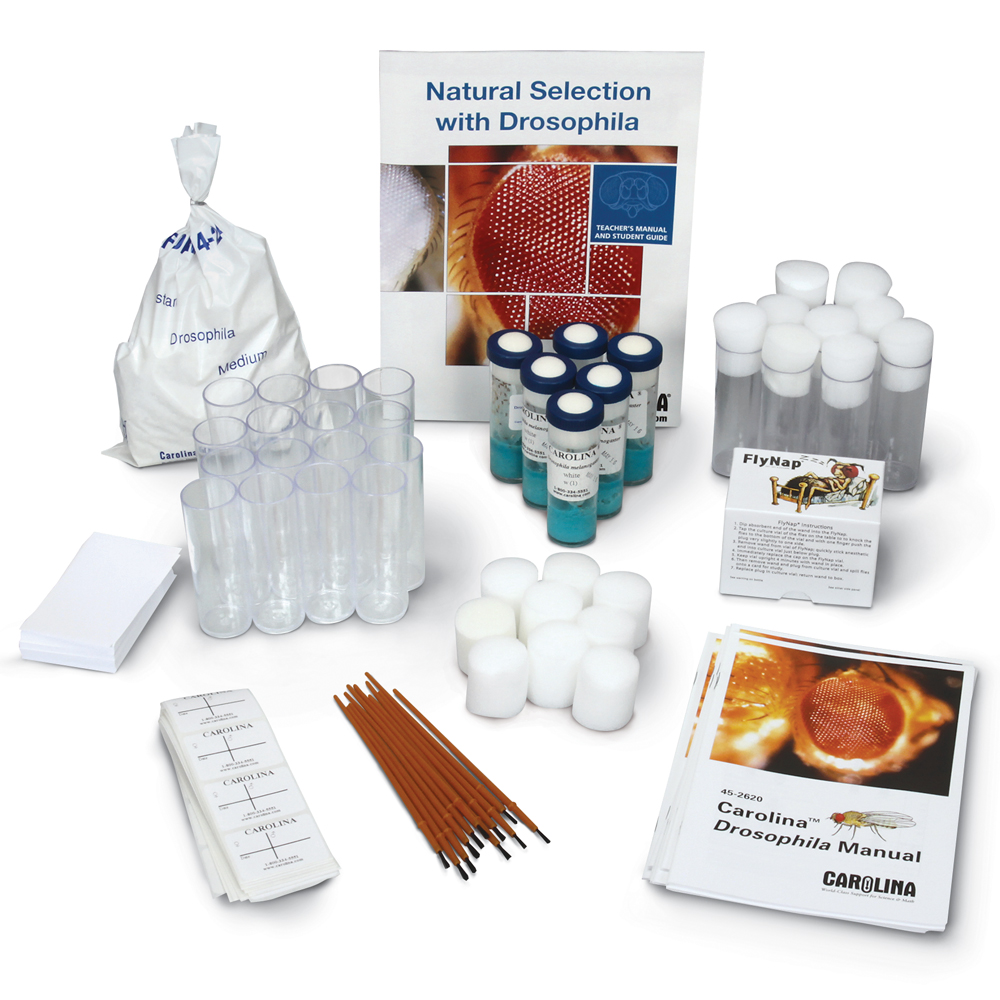
Use evidence gathered from observations of a fruit fly population over time to argue the occurrence of natural selection.
Ensure that students understand and adhere to safe laboratory practices when performing any activity in the classroom or lab. Demonstrate the protocol for correctly using the instruments and materials necessary to complete the activities, and emphasize the importance of proper usage. Use personal protective equipment such as safety glasses or goggles, gloves, and aprons when appropriate. Model proper laboratory safety practices for your students and require them to adhere to all laboratory safety rules.
Have students work individually or in groups of 2–4.
When your cultures arrive, open the package immediately and inspect the cultures to verify that they have arrived in good condition.
Each culture will produce approximately 100 flies over a 10-day period and will serve 6–8 groups.
A small wide-mouthed bottle is included in each FlyNap® kit for use as a morgue. Half fill it with alcohol or a detergent–water mix.
Before the lab, anesthetize the flies and place them on index cards or petri dishes that are marked for identification (wild type, 1, 2, 3, etc.) Do not identify the mutants by their official names. Not only are the names themselves descriptive, but knowing the names would allow students to look up the information rather than rely on their own observations.
Place four or five flies on each card or dish. Because students are to compare each of the mutants to wild type, there should be a sample of wild-type flies for each group. Teams will share the mutants. It takes about 2 hours for the flies to recover from FlyNap®, allowing plenty of time for the students to complete the activity.
At the end of the lab, collect the flies and dispose of them in the morgue. The flies may instead be re-anesthetized for use in a later lab.
The following table is filled in as if a class used the mutant cultures recommended in the Needed Materials. If you use different cultures, these answers will not apply.
Obtain an index card or petri dish with mutant flies. Fill in the Phenotype Table for the mutant. Circle the phenotype that differs from that of the wild-type fly.
| Eye | Body Color | Wing | |
|---|---|---|---|
| Wild Type | Red | Gray | Extends past tip of abdomen |
| Mutant 1 (White) | White | Gray | Extends past tip of abdomen |
| Mutant 2 (apterous) | Red | Gray | No wings |
| Mutant 3 (vestigal) | Red | Gray | Small, club-shaped |
| Mutant 4 (ebony) | Red | Black | Extends past tip of abdomen |
| Mutant 5 (sepia) | Brown | Gray | Extends past tip of abdomen |
| Mutant 6 (wrinkled) | Red | Gray | Wrinkled |
Get the latest news, free activities, teacher tips, product info, and more delivered to your inbox.