
A picture is still worth a thousand words, especially in science classes where lab drawings can relate confusing information to a whole class without exhaustive explanations. Science laboratory drawings can serve as two-dimensional models to simplify and explain complex laboratory equipment setups, illustrate step-by-step procedures for a scientific experiment, and identify key structures of biological specimens. Lab drawings in course lab manuals, classroom charts, infographics, fill-in templates, and 2-D illustrated models help beginners learn and review a wide variety of scientific systems. Using their own observations to hand-draw specimens, apparatus, or lab setups, students can magnify familiarity and understanding, which can generate interest and mastery in the subject.
Most students can sketch to some degree, and even quick doodles, line art, and vector diagrams add information and details that students need to recall, explain, and use at a later time. Instructors should not stress quality and drawing ability but should encourage students to represent their observations to enhance their own understanding. Increasing understanding is the reason students need to draw in science lab. Reviewing professional illustrations will help students identify which structures to look for and will also show how someone else has interpreted them on paper. Many students already may have the fundamental skills of drawing; however, the instructor can introduce the techniques of rendering more accurate scientific drawings. Talented art students with interests in science may even be interested in art school and a career in medical illustration or technical graphic design.
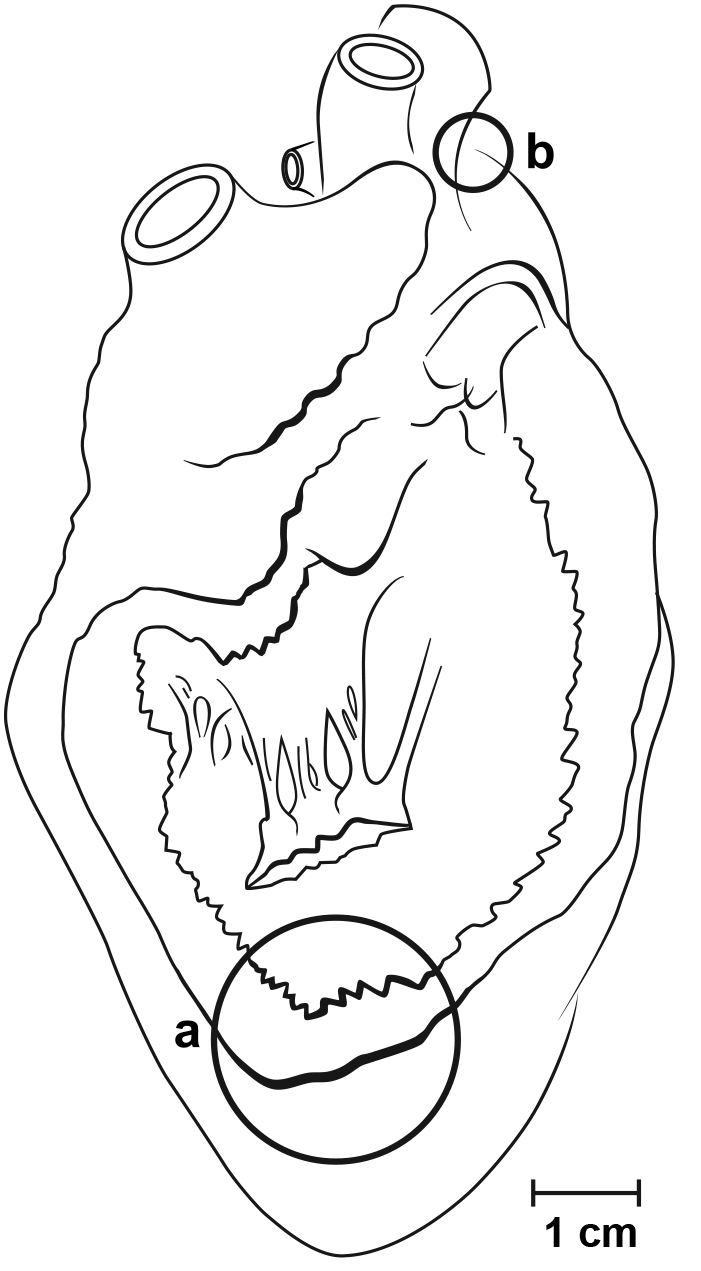
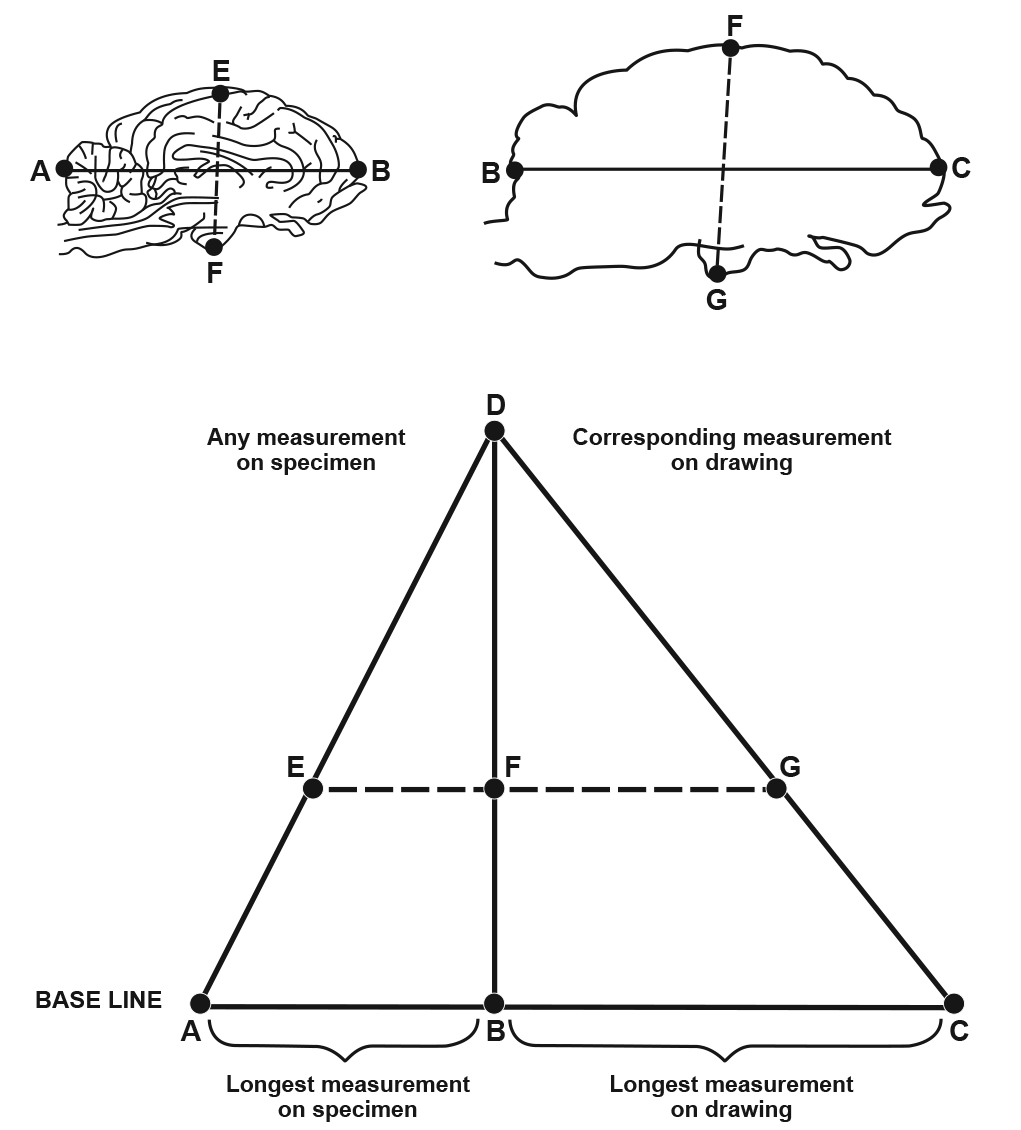
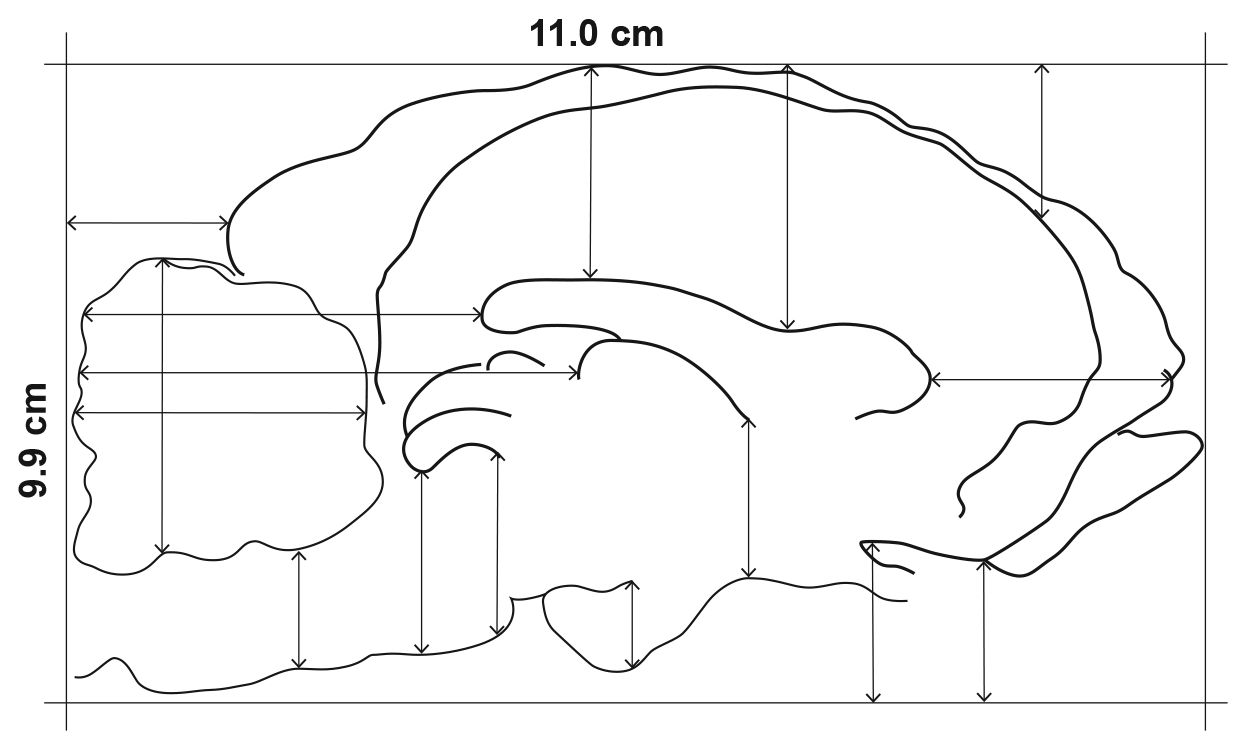
Here are some of our favorite lab drawing activities to encourage students to observe keenly and draw, with hopes of increased, deeper understanding of science concepts and processes.
This article was originally published as “Basic Laboratory Drawing” in Carolina Tips®, Vol. 44, No. 10 ( print version, October 1981); it was revised July 2025.
Dance, S. Peter. 1978. The Art of Natural History: Animal Illustrators and Their Work. New York: The Overlook Press.
Wood, Phyllis. 1979. Scientific Illustration: A Guide to Biological, Zoological, and Medical Rendering Techniques, Design, Printing, and Display. New York: Van Nostrand Reinhold Company.
“Introduction to Scientific Sketching,” California Academy of Sciences (website), accessed August 19, 2025, https://www.calacademy.org/educators/lesson-plans/introduction-to-scientific-sketching.
“Quick Guide to Scientific Drawing,” Orange County Department of Education (website), accessed August 19, 2025, https://ocde.us/ito/Documents/ScientificDrawing.pdf.
Get the latest news, free activities, teacher tips, product info, and more delivered to your inbox.