Equipping your CTE classroom for courses within the Law, Public Safety, Corrections, and Security career cluster—such as forensic science, criminal justice, or criminalistics—can be a challenge. Our guide identifies all of the kits and materials needed to teach a comprehensive forensics CTE course along with equipment suggestions and free lessons that will be sure to engage your law enforcement services pathway students!
Crime scenes must be processed following correct documentation procedures in a manner that maintains scene integrity. To do so, crime scene investigators must be able to identify the boundaries of a crime scene, secure and protect the crime scene while considering officer safety, conduct a “Walk Through” with a primary and secondary systematic search of a scene, collect, package, and establish a chain of custody, and transmit various types of physical evidence to the crime laboratory.
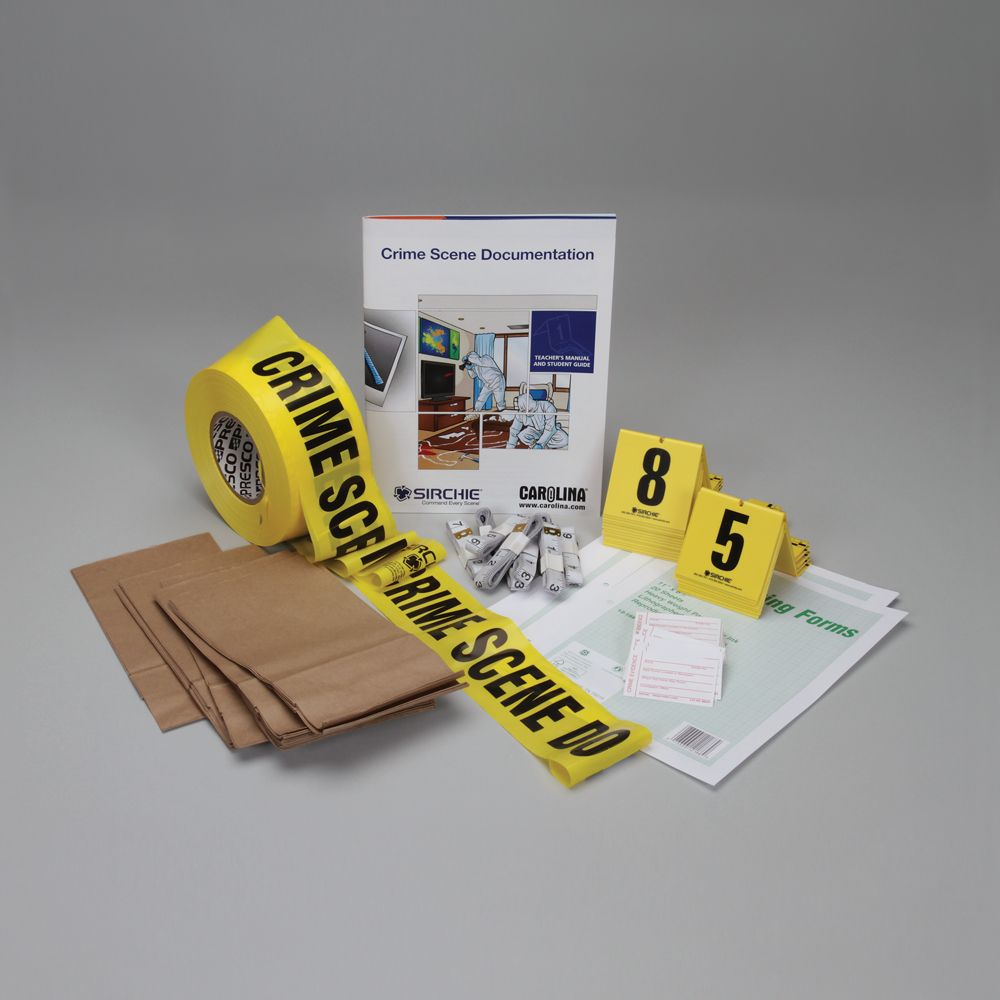
Crime Scene Documentation Kit
Students work in teams as crime scene investigators to reconstruct crime scenes—locating, sketching, and photographing all of the evidence, then reconstructing another team’s crime scene using data collected by the other team.
Students learn how to map physical space just like a forensic science investigator in this lab, including how to properly document a crime scene with photos, draw a field sketch, and create a refined map to scale using the rectangular, compass point, baseline, or triangulation systems and Chain of Custody Evidence Envelopes.
Documentation and analysis of fingerprints collected at a scene or processed in person requires technical knowledge for applying the proper procedure determined by location and type of print. Investigators may utilize ink, powders, chemicals, or cyanoacrylate vapor when developing, lifting, recording, and documenting prints. Forensic labs can analyze fingerprint evidence to make identifications by examining and comparing print minutiae such as bifurcations, ending ridges, dots, and short ridges.
Latent Print Development with Powders Kit
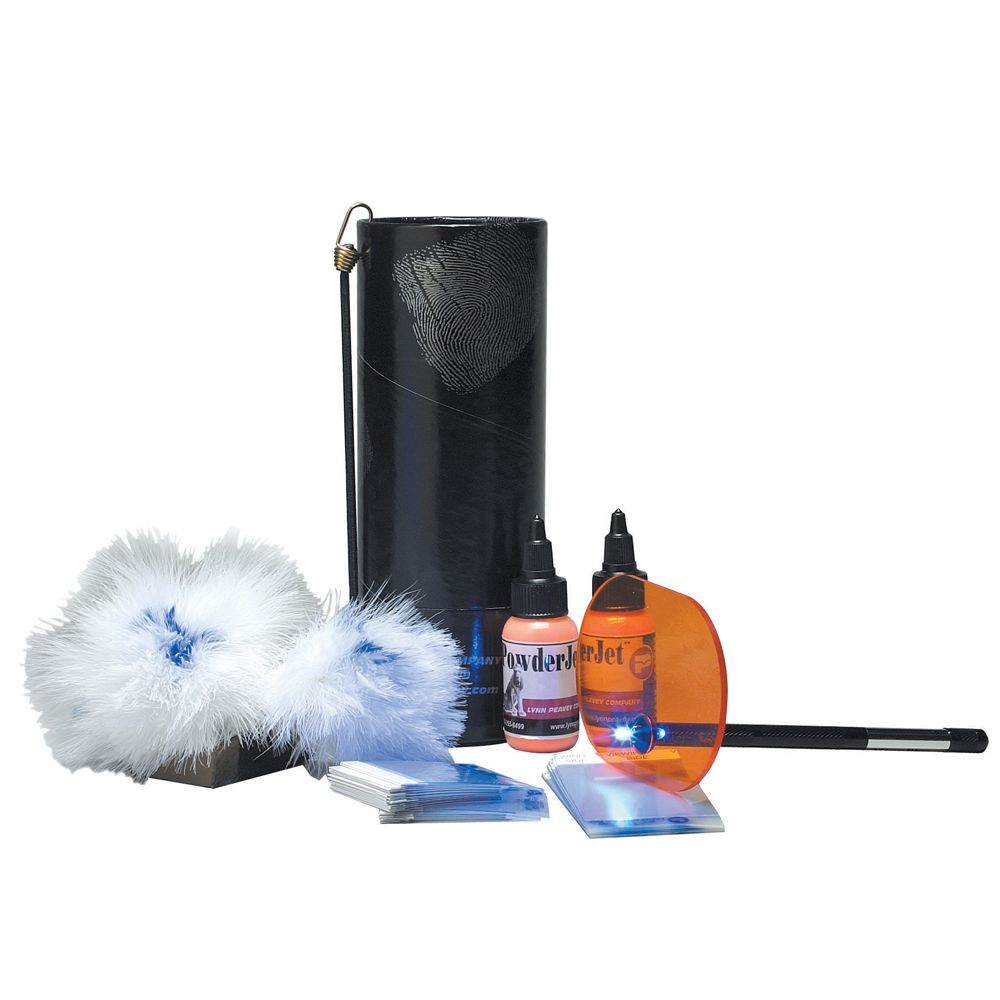
Give your students a real-life forensics experience as they develop latent prints using black and fluorescent magnetic powders, observe prints using an alternate light source, lift prints using hinge lifters, and analyze and compare their lifted prints.
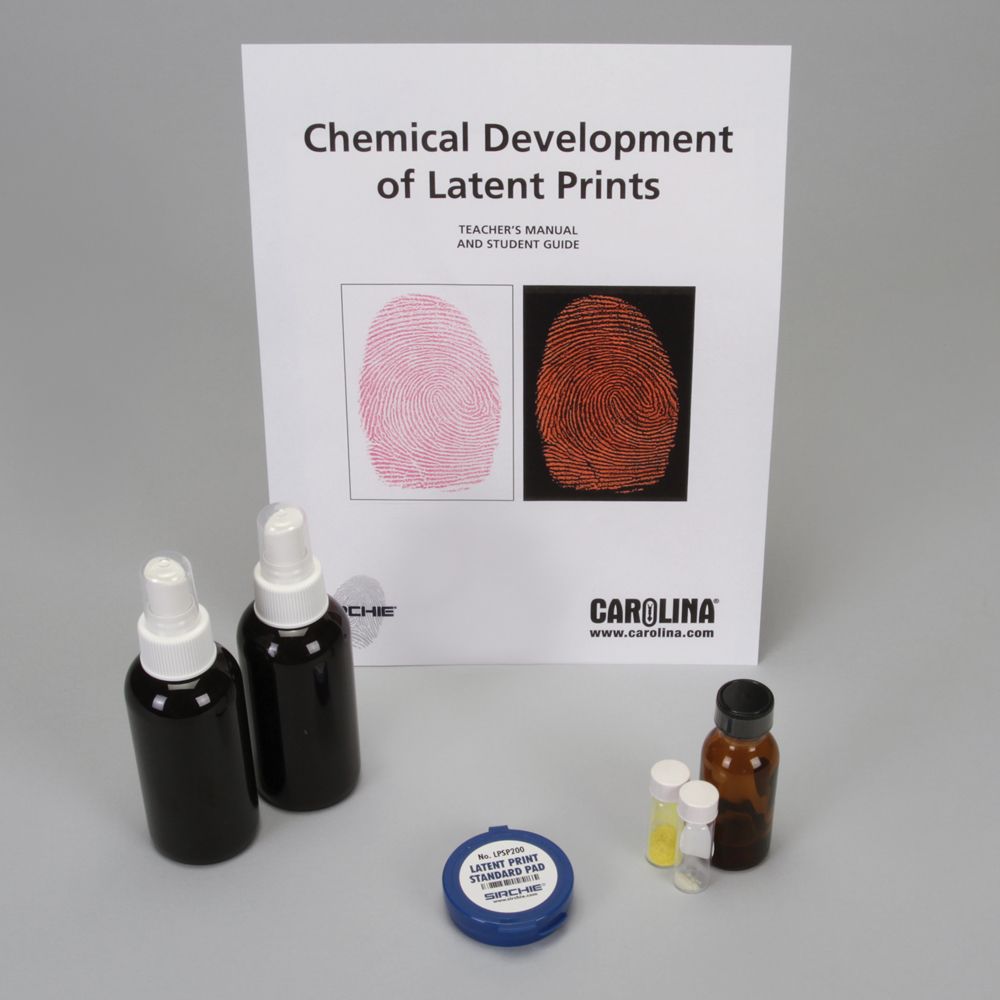
Students develop fingerprints using ninhydrin and DFO, observe developed prints with an alternative light source, compare running and non-running solvents for development of prints on a document, and document the evidence collection process.
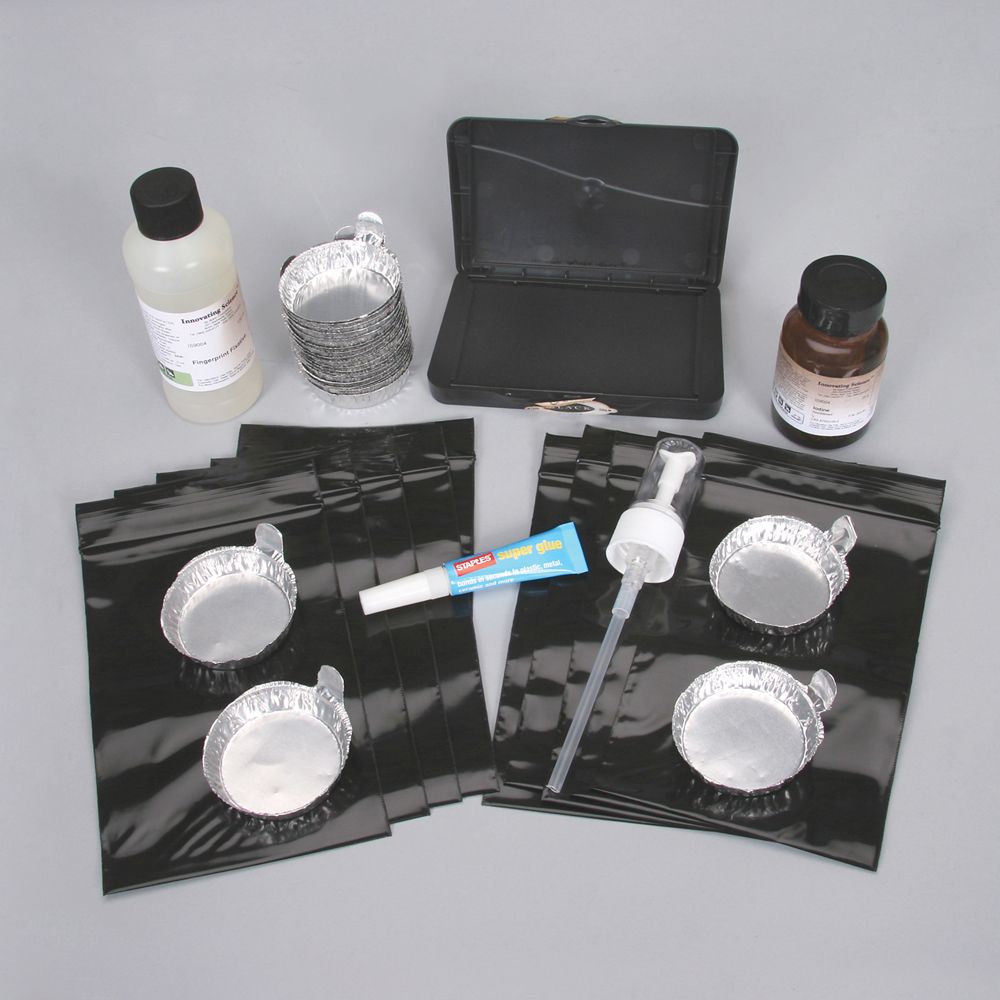
Students lift latent fingerprints using the iodine and cyanoacrylate fuming techniques employed by forensic scientists. They then learn how to analyze and identify those fingerprints through various distinguishing characteristics.
A great introductory lesson for students of all backgrounds, this kit uses fingerprint ink pads and cards to teach about basic fingerprint patterns, minutiae, and the Henry system of classification.
Professional kit contains all materials needed to teach FBI fingerprint searching techniques. Students get hands-on experience in fingerprint detection. With instructions and carrying case.
The recovery and documentation of surface characteristics produced by impression evidence is performed by casting and molding impressions such as tires, shoes, and tool marks. Proper protection and processing of impressions is essential for maintaining evidence integrity and viability for comparison, analysis, and ultimate use in potential legal proceedings.
Footwear Identification and Casting Kit
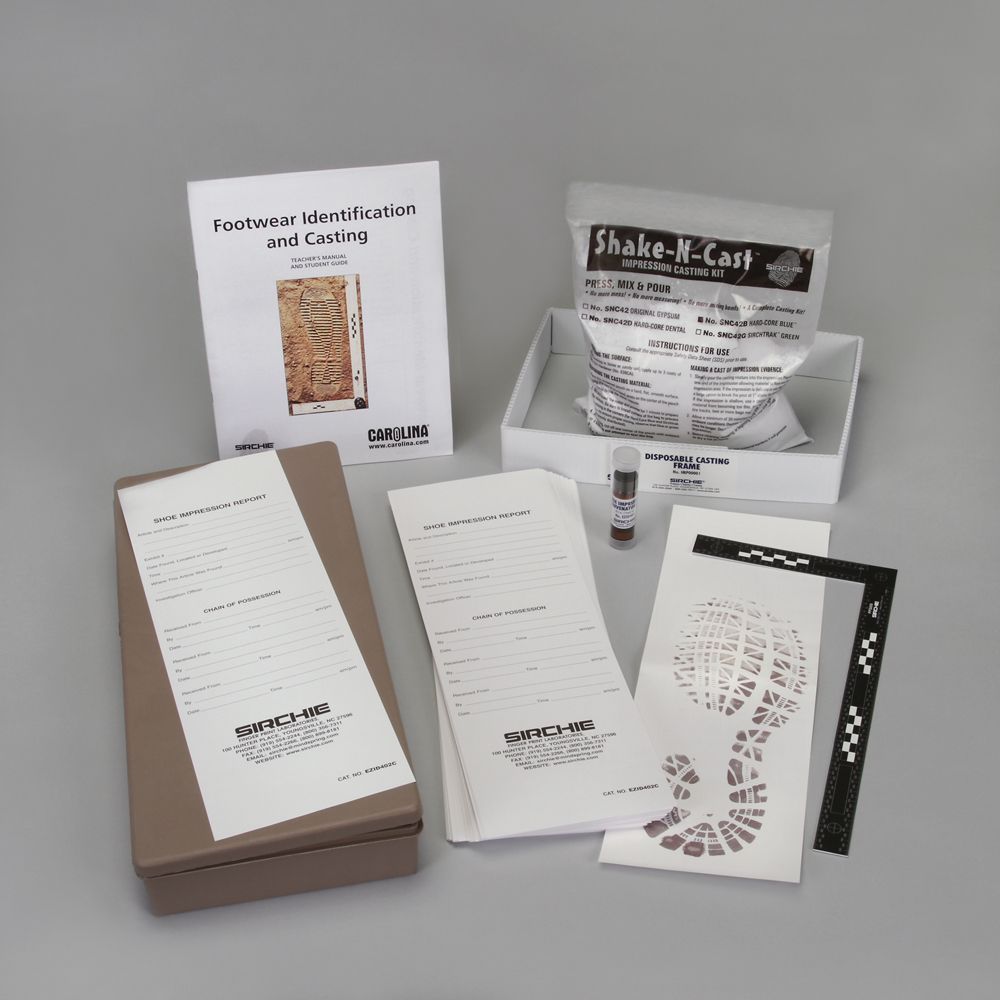
Utilizing the same materials and tools as crime scene technicians, students observe and record footwear impressions and analyze and compare footwear prints, casts, and photographs. They also witness the footwear casting process and document the evidence collection process.
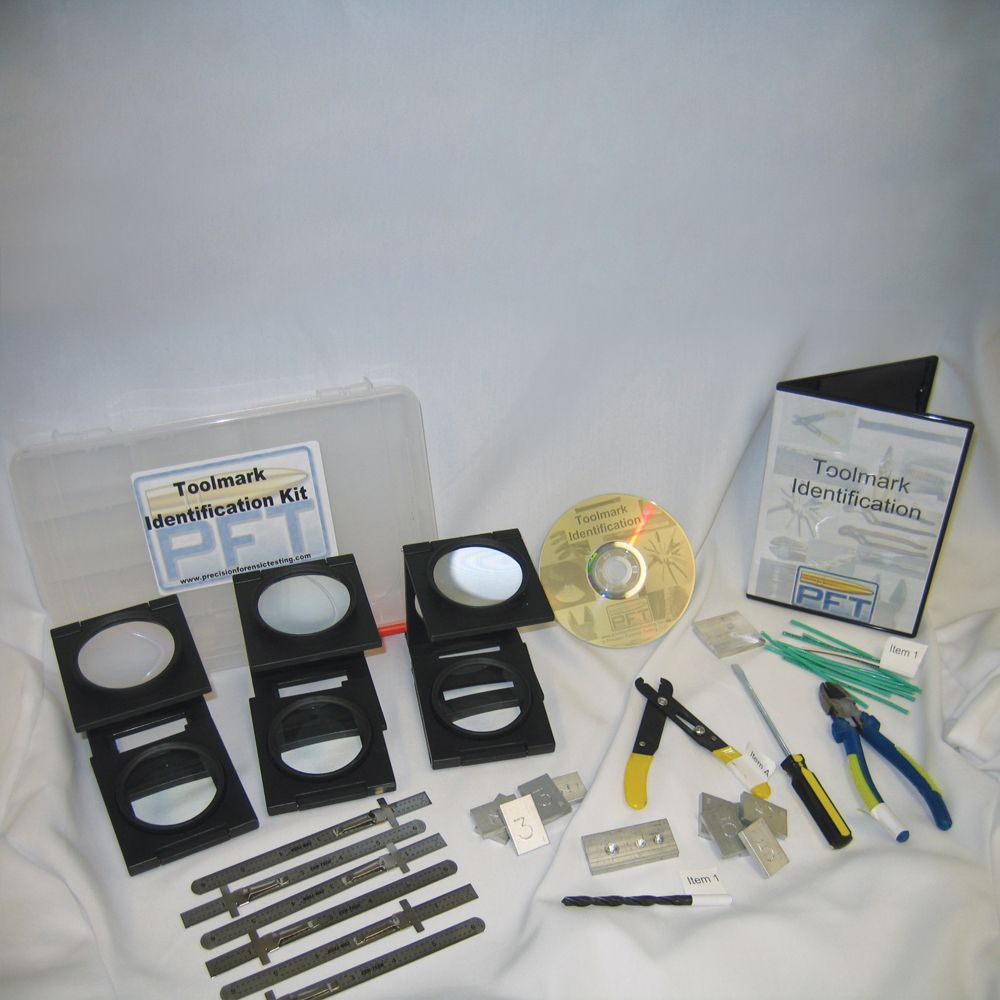
This kit has everything your students need to become expert analysts of tools and the marks made by them. With 4 lab exercises based on actual cases encountered in crime laboratories and a detailed PowerPoint® lecture on the manufacturing of tools, students can experience the same type of training given to forensic scientists. Kit also includes enough materials for 30 students and a test bank of questions based on the lecture.
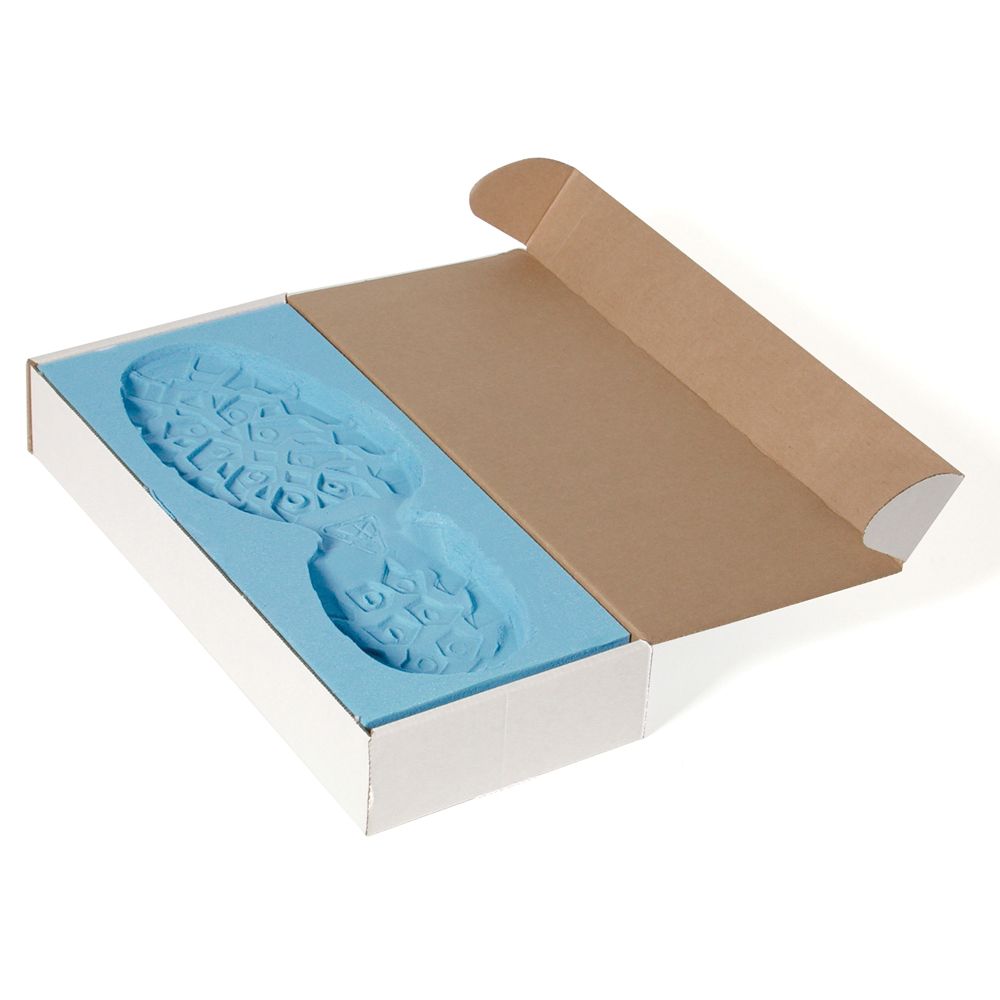
Simply press any object into the Bio-Foam® block to create a permanent and accurate 3-dimensional impression. Castings can be made directly from the impression—the high-density foam provides extremely fine detail. Packaged in a self-storing cardboard container, Bio-Foam® is designed for single use.
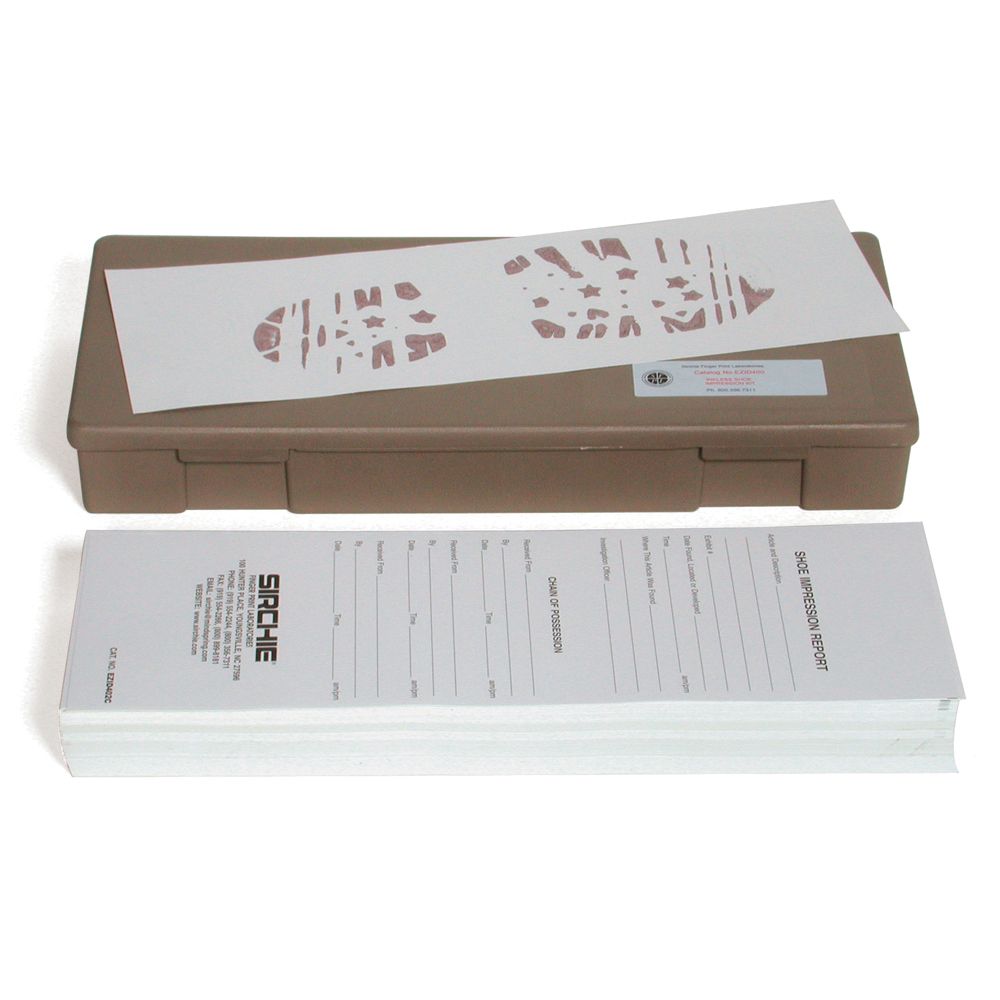
EZID™ Footwear Impression System from Sirchie® is the ideal classroom tool because it requires no cleanup. EZID™ Footwear Impression System consists of a pre-impregnated stain-free pad, pre-sensitized impression cards, and carrying case. A single EZID™ stain-free pad gives up to 250 footwear impressions.
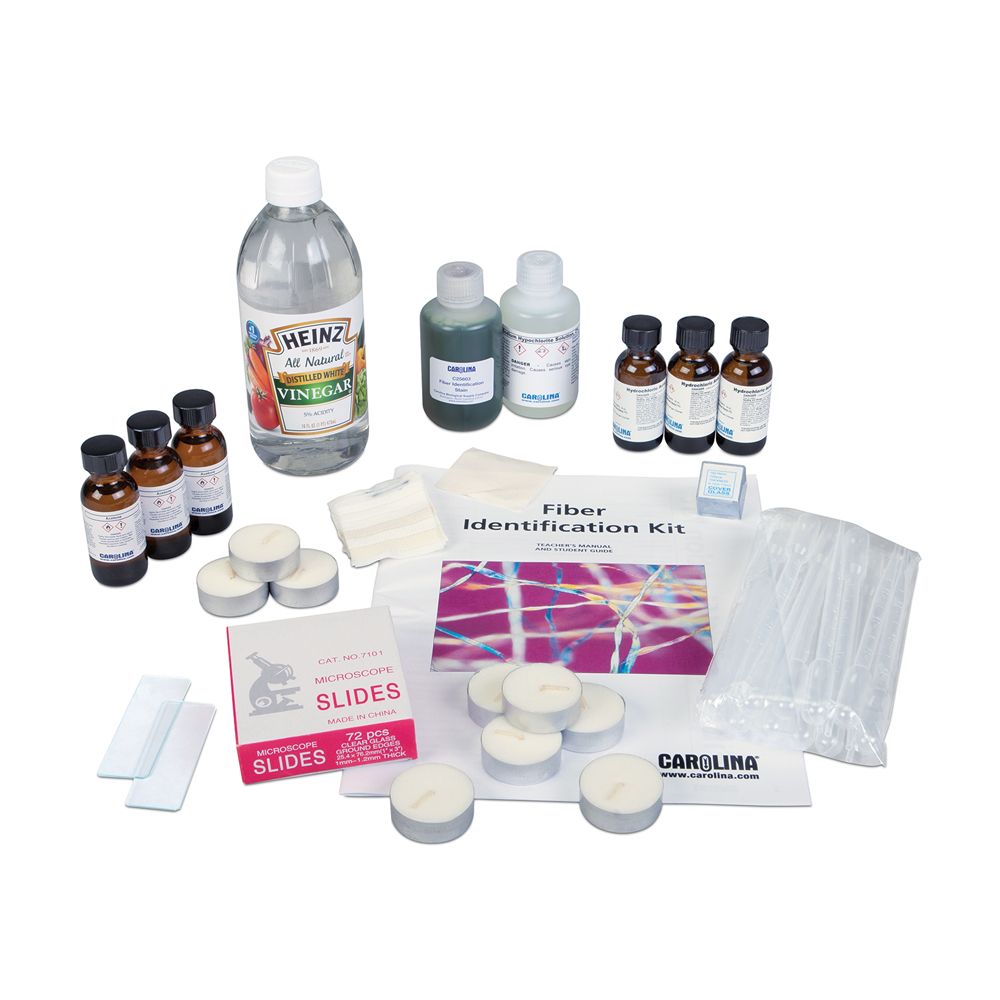
Hairs and fibers are essential examples of trace evidence that require careful detection, collection, and submission to crime labs. Interpretation of the results from crime lab analysis obtained by microscopy, chemical, or flame tests can reveal information to apply in solving a case such as the human or non-human origins of hair or connecting natural or synthetic fibers to samples obtained from a suspect.
Hair Analysis Kit
Students use techniques similar to those used by forensic scientists to examine hair from various species. Information gathered during the examinations is then used to identify a hair of unknown origin.
Students use techniques similar to those used by forensic scientists to examine hair from various species. Information gathered during the examinations is then used to identify a hair of unknown origin.
An all-in-one complete digital imaging system. Features an 8″ full color tablet with high-resolution IPS touch screen. Built-in Wi-Fi® can connect to laptops, tablets, or smartphones.
Swift® M3-F-BTW1 Digital Screen Forensic-Comparison Microscope
Combining Swift’s reputation for optical and mechanical quality with the latest in digital imaging, the M3-F-BTW1 represents the state-of-the-art in digital forensic-comparison microscopy. It allows you to share live images with students and colleagues via iOS or Android®; devices, and Wi-Fi®-enabled laptops.
Glass evidence can be used as trace evidence and to provide insights into projectiles or collisions. Fragments of glass at a scene can be identified by type, such as soda lime, borosilicate, leaded, and tempered, and analyzing glass fracture patterns can reveal the direction of projectiles.
Safety Goggles, Large, Assorted Colors, Value Pack of 10
These indirectly vented, chemical-splash goggles feature a wide, sturdy polycarbonate lens that meets all ANSI Z87.1-2010 requirements for impact resistance. Sized and shaped to fit snugly, yet comfortably, these soft, pliable goggles can be worn over prescription eyewear.
Non-latex construction ensures students experience no latex-related reactions. Stronger material than other types of gloves, offering more protection. Resistant to many types of chemicals, including oils and tissue fats.
Forgery and counterfeiting produce questioned documents that a forensic investigator may be called upon to analyze and identify the authenticity of (or lack thereof) in a court of law. Document examinations may include paper chromatography, ink analysis, and comparisons of unknown samples with exemplars by analyzing handwriting characteristics such as letter, line, and formatting.
The Mystery of Lyle and Louise: Questioned Documents Kit
Students determine objective criteria for handwriting analysis and apply these criteria when examining suspect receipts. After analyzing the handwriting, students dissolve ink and using thin-layer chromatography. Students then create an ink profile for each sample taken from the receipt.
Investigations are performed that analyze various types of paper, inks, typewriting, and handwriting. Wet chemistry and chromatography are used in these analyses.
Chromatography Paper, 15 x 2-cm Strips, Pack of 100
Save prep time by using these convenient, ready-to-use strips instead of cutting coffee filters! The uniform, pre-cut filter paper strips can be used for chromatography studies. Paper is comparable to Whatman No. 1 Chromatography Paper.
Law enforcement services at a crime scene may encounter evidence produced by firearms, ballistics, or explosives. This includes, but is not limited to, gunshot and explosive residue, bullet and cartridge cases, firearms, and impacts from projectiles that can be analyzed to identify the trajectory, point of origin, and angle of the impacting object.
Basic Firearm Identification Kit
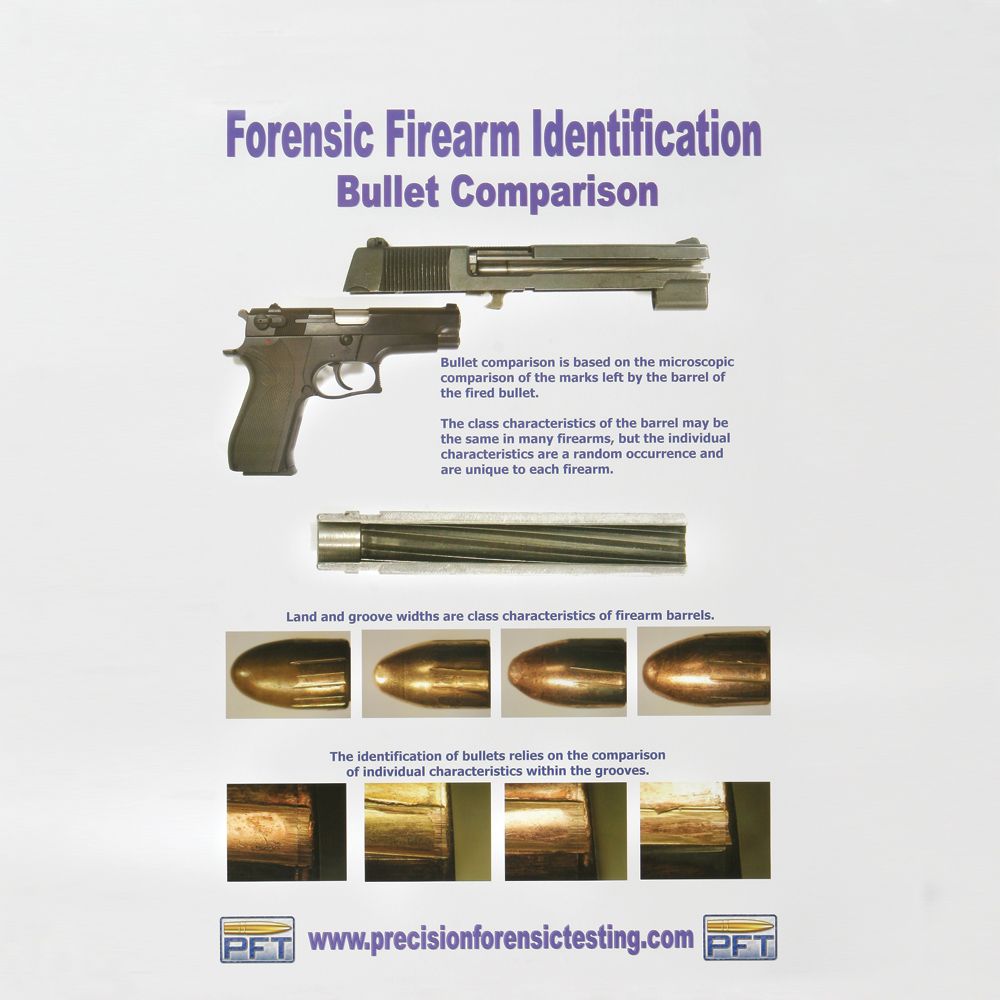
Forensic firearm identification is easy with this kit’s real-world samples, actual crime lab procedures, and a PowerPoint® lecture with high-quality photographs and video clips. After completing the 3 lab exercises, students can analyze firearm, ammunition, and toolmark evidence to determine if a particular gun was used to commit a crime.
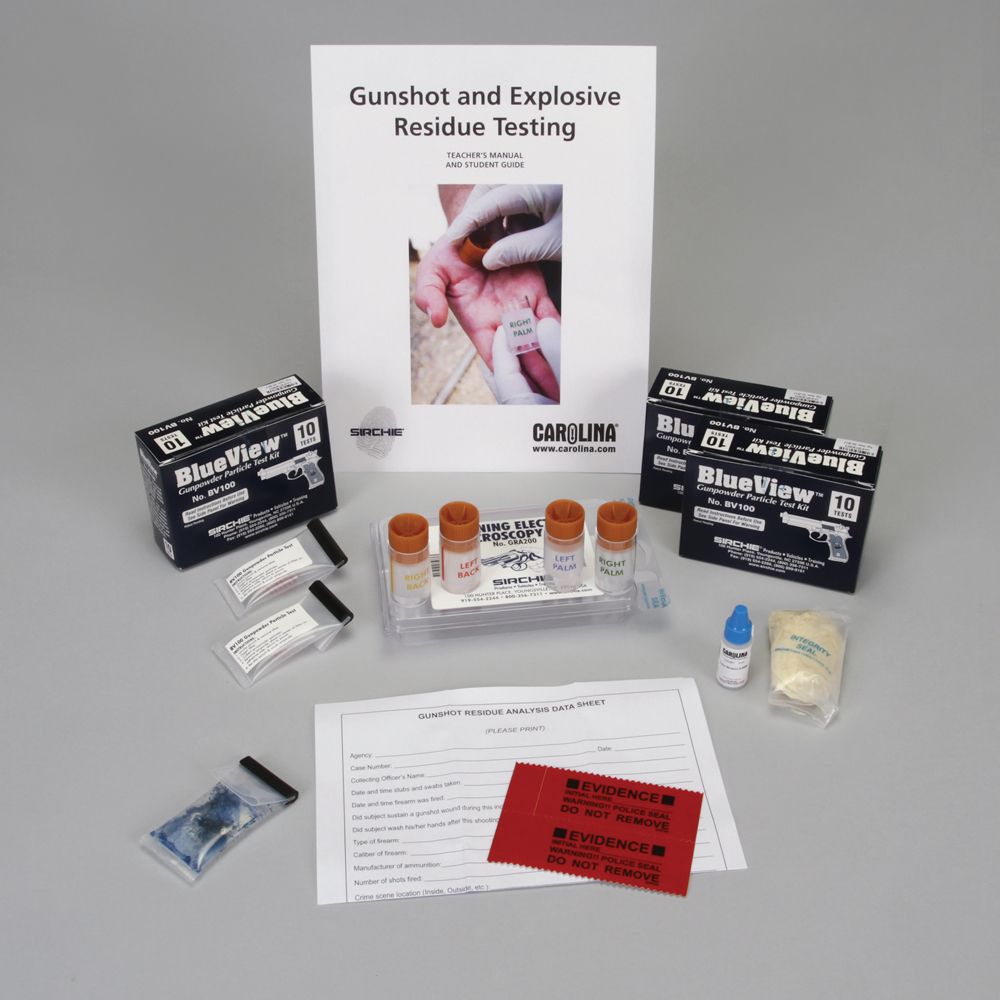
Students perform chemical tests for the presence of explosive residue by chemically testing a sample for the presence of nitrates, observing the collection of a sample for SEM testing, analyzing a SEM micrograph of GSR for characteristic patterns, and documenting the evidence collection process.
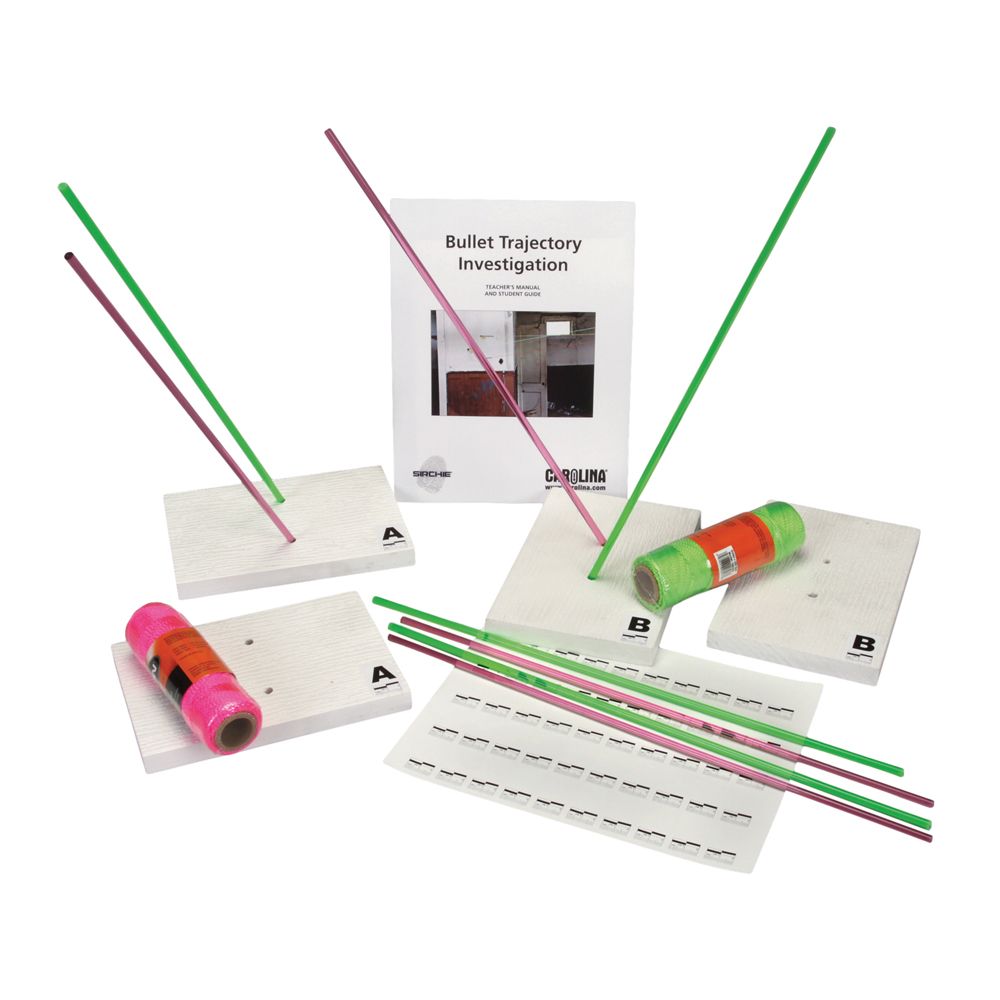
To identify shooter height and location, students calculate angle of incidence from a bullet hole, distinguish entry vs. exit holes based on bullet wipe, measure angle of incidence from a trajectory, and string and photograph the scene for photographic documentation of evidence.
These 14 unfired bullets include 2 each of jacketed, semi-jacketed hollow point, semi-jacketed soft point, lead round nose, semi-wadcutter, wadcutter, and boat tail bullets.
Legally defined controlled or illicit substances have unique characteristics and procedures that law enforcement must be equipped to respond to for public safety. The handling of dangerous and sometimes lethal drugs, or processing of individuals who have consumed them, may require identification of unknown substances using presumptive and confirmatory procedures or the administration and interpretation of drug screening tests, such as urinalysis or blood alcohol concentration test.
Forensic Urine Drug Test Kit
Presented with unknown substances discovered at a crime scene, students perform a variety of presumptive tests alongside known controls to determine the most likely composition of the discovered substances. Focusing on narcotics with included simulated oxycodone and simulated Ecstasy, this kit is perfect for CTE and forensic courses seeking genuine activities with real-world connections.
Presented with unknown substances discovered at a crime scene, students perform a variety of presumptive tests alongside known controls to determine the most likely composition of the discovered substances. Focusing on narcotics with included simulated oxycodone and simulated Ecstasy, this kit is perfect for CTE and forensic courses seeking genuine activities with real-world connections.
Students check the blood alcohol content of simulated blood samples (State Bureau of Investigation formulations). Includes alcohol indicator reagent, simulated blood samples, petri dishes, marking pen, instructions, and background information.
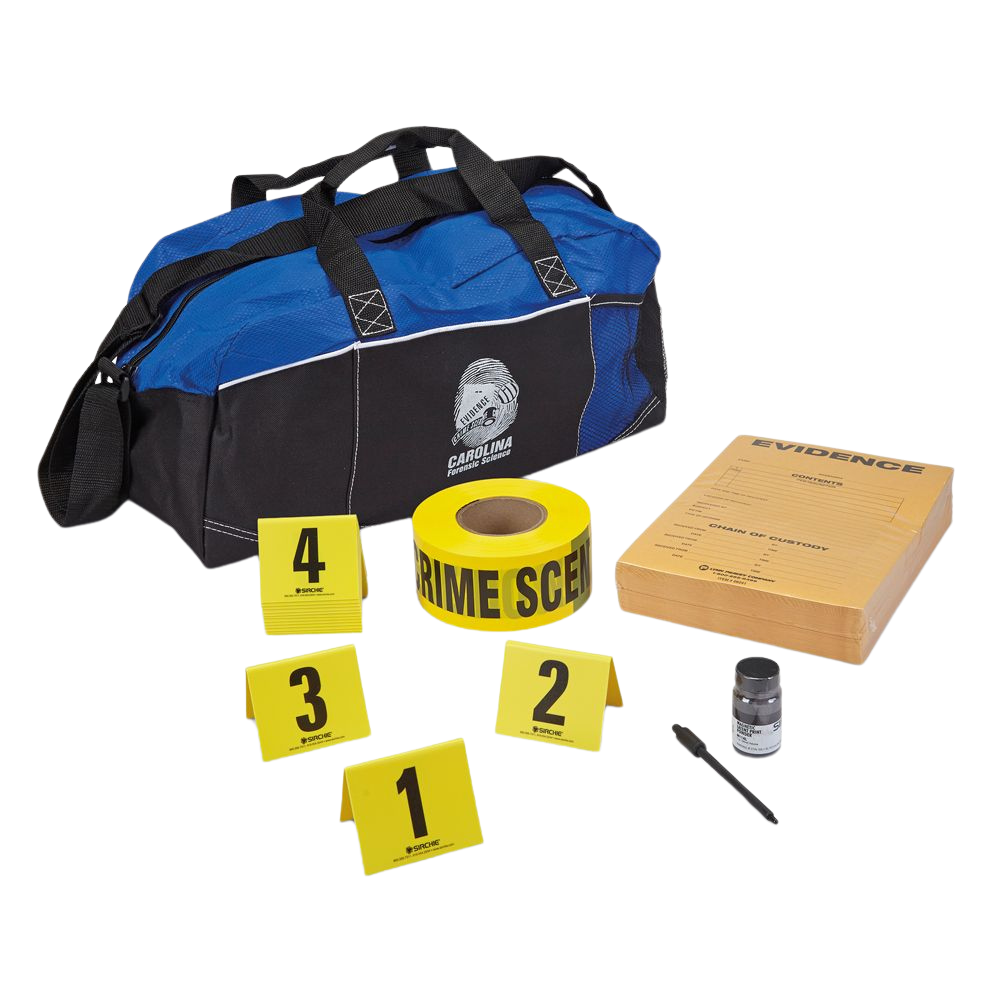
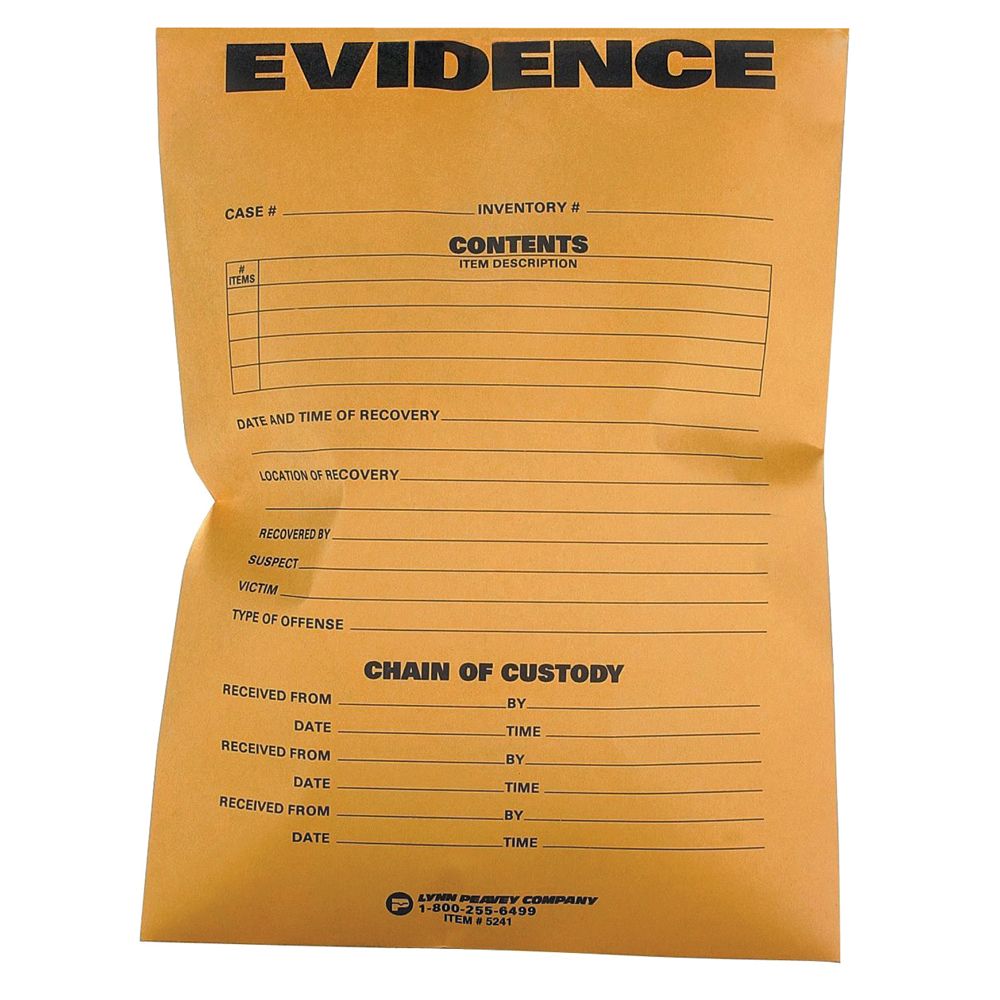
Teach the importance of maintaining a proper chain of custody. These evidence envelopes include spaces for item description, case number, suspect, victim, type of offense, and chain of custody.
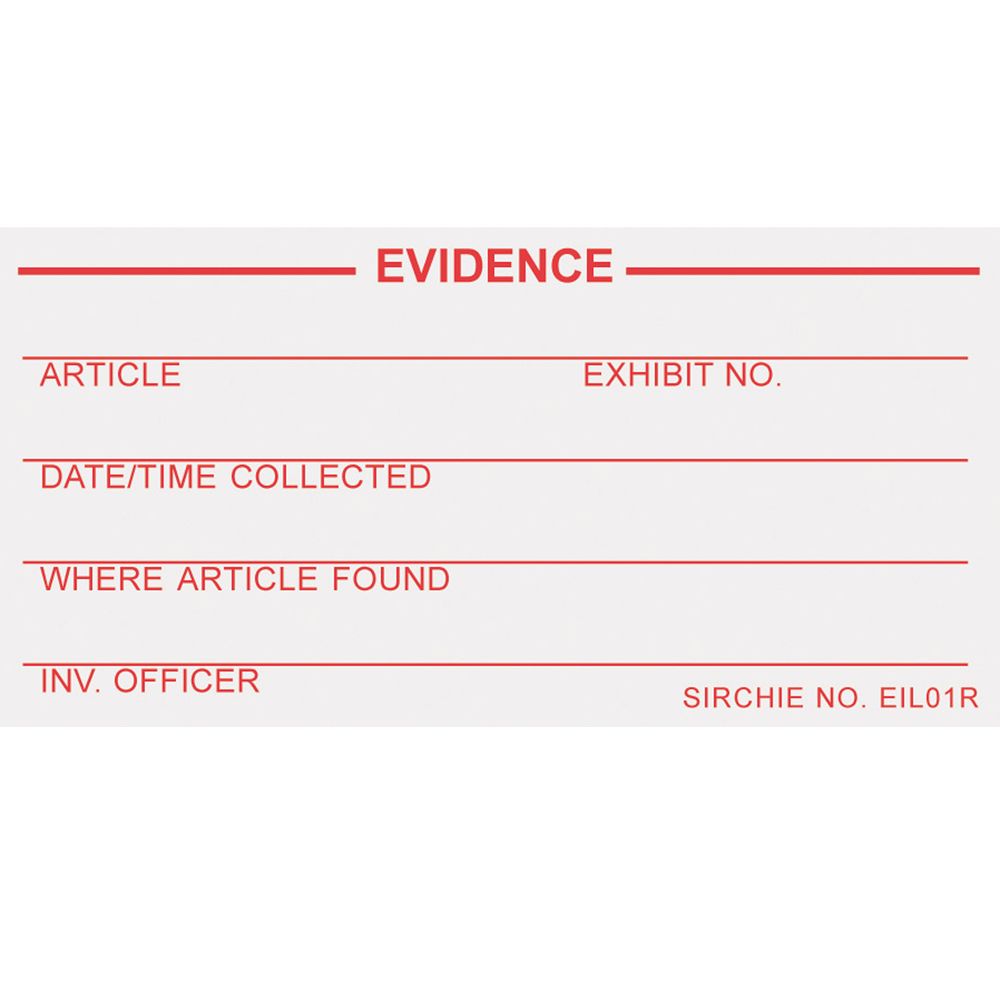
This standard format “EVIDENCE” label from Sirchie® has red lettering printed on white tape. It provides an authentic experience labeling and cataloging evidence for forensic activities.
The accidental or intentional consumption or exposure to toxins are potential health, safety, and environmental hazards law enforcement and public safety officers should be prepared to identify, document, and resolve. In legal proceedings, forensic investigators may be called to describe presumptive and confirmatory laboratory procedures as they relate to toxicological incidents and the absorption, distribution, metabolization, and elimination of toxins.
Drugs and Poisons Analysis Kit
Introduces students to qualitative analysis with 5 experiments. 1. Identifying over-the-counter drugs, 2. Identification of simulated controlled substances, 3. Presumptive testing for cocaine, 4. Determination of poisoning through amino acids in simulated urine, and 5. Analysis of unknowns from a crime scene.
A white spot plate glazed on the top surface. An excellent color-reaction plate. Plates measure 115 × 90 mm with 12 depressions each. Each depression holds about 1.5 mL.
Features a snap-fit dropping tip which can be removed for refilling. Bottle has been treated to take paper label or may be labeled with marking pen. 125 mL.
When blood is discovered at a scene, investigators should be able to conduct and interpret blood presumptive testing in addition to following proper collection and documentation procedures. Blood spatter or blood stain patterns can further be analyzed based on surface type and appearance such as size, shape, distribution, and location in order to determine the mechanism by which the patterns are created.
Carolina BioKits®: Blood Detection
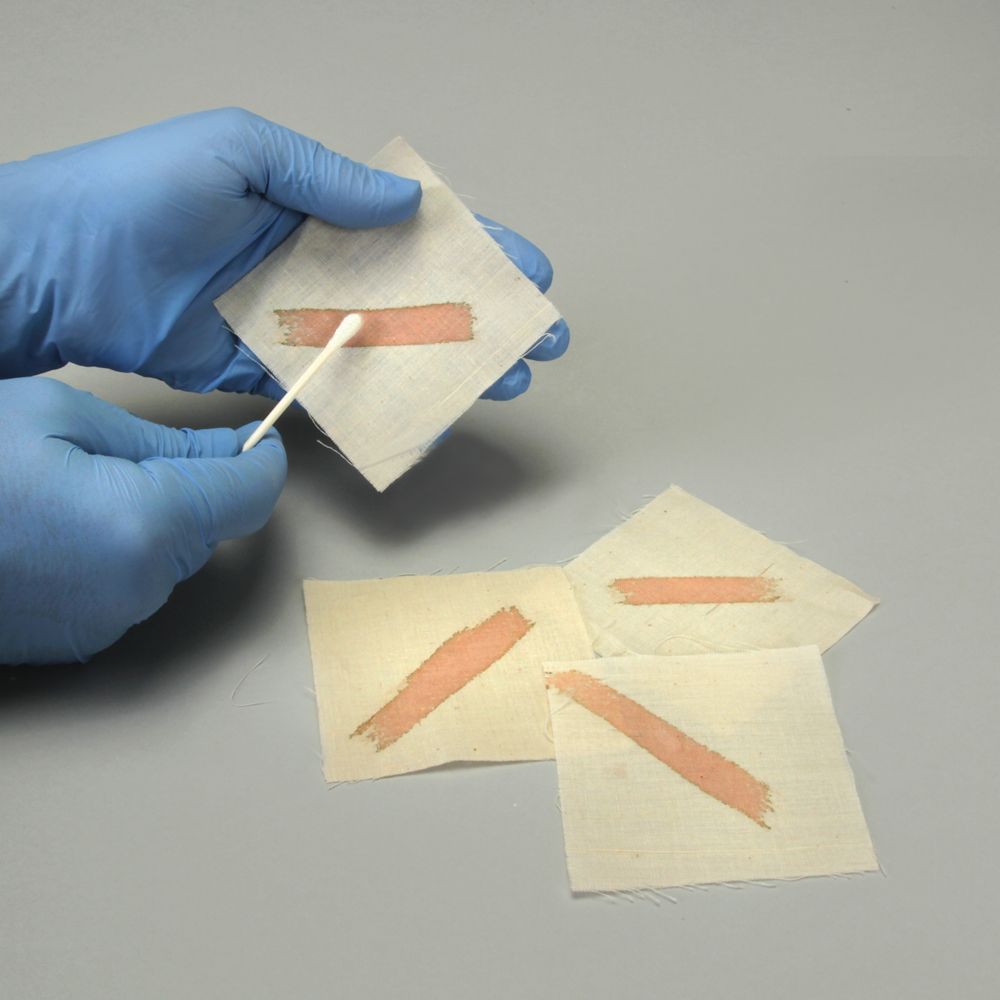
Blood-stained clothing is sometimes the only piece of evidence left at a crime scene. This simulated Kastle–Meyer test enables students to distinguish between human blood and substances that look like blood.
Students identify and photograph bloodstain patterns, document evidence collection, use trigonometry to determine the angle of incidence and determine the point of origin for a blood pattern.
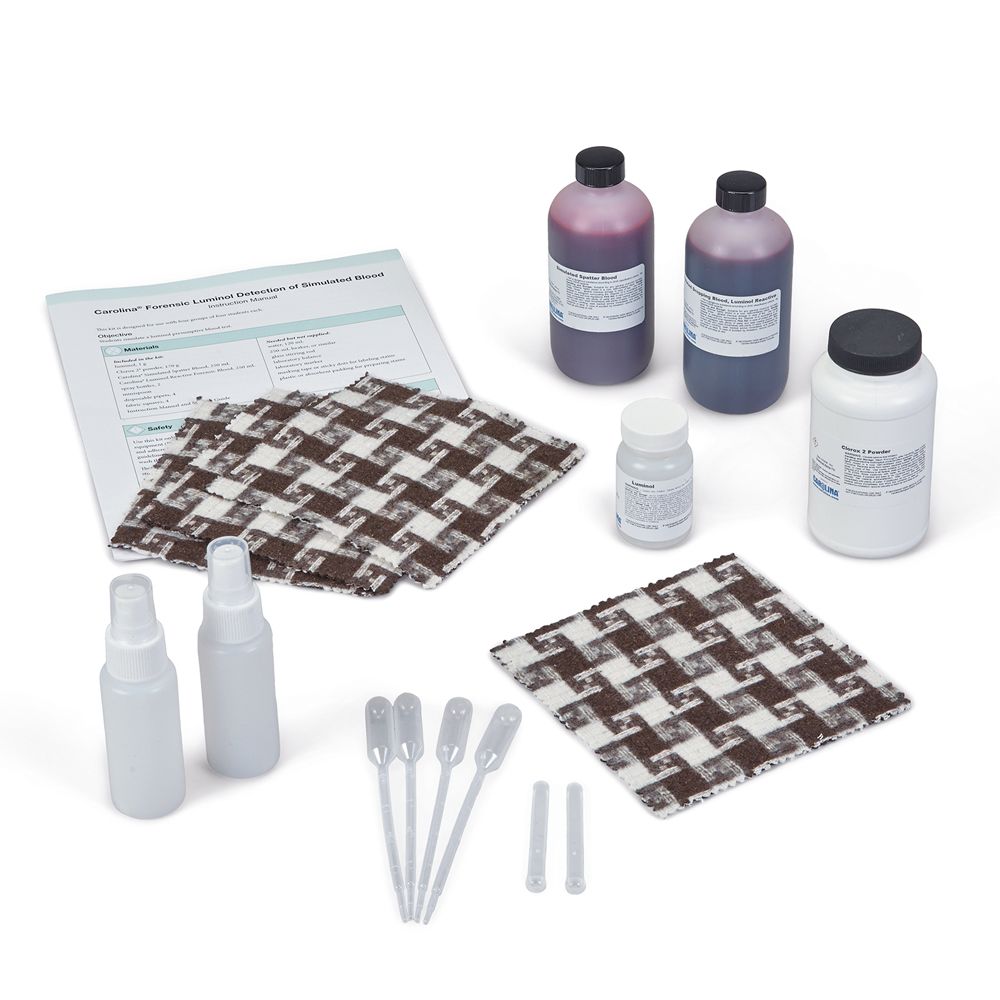
Carolina® Forensic Luminol Detection of Simulated Blood Kit
Use luminol to perform a presumptive blood test just like real life forensic investigators do without the need to stretch your budget! Students are presented with blood-like stains and challenged to use qualitative observation and luminol spray to identify which stains are, and are not, human blood. Confirmation of blood with luminol spray causes a brilliant blue glow.
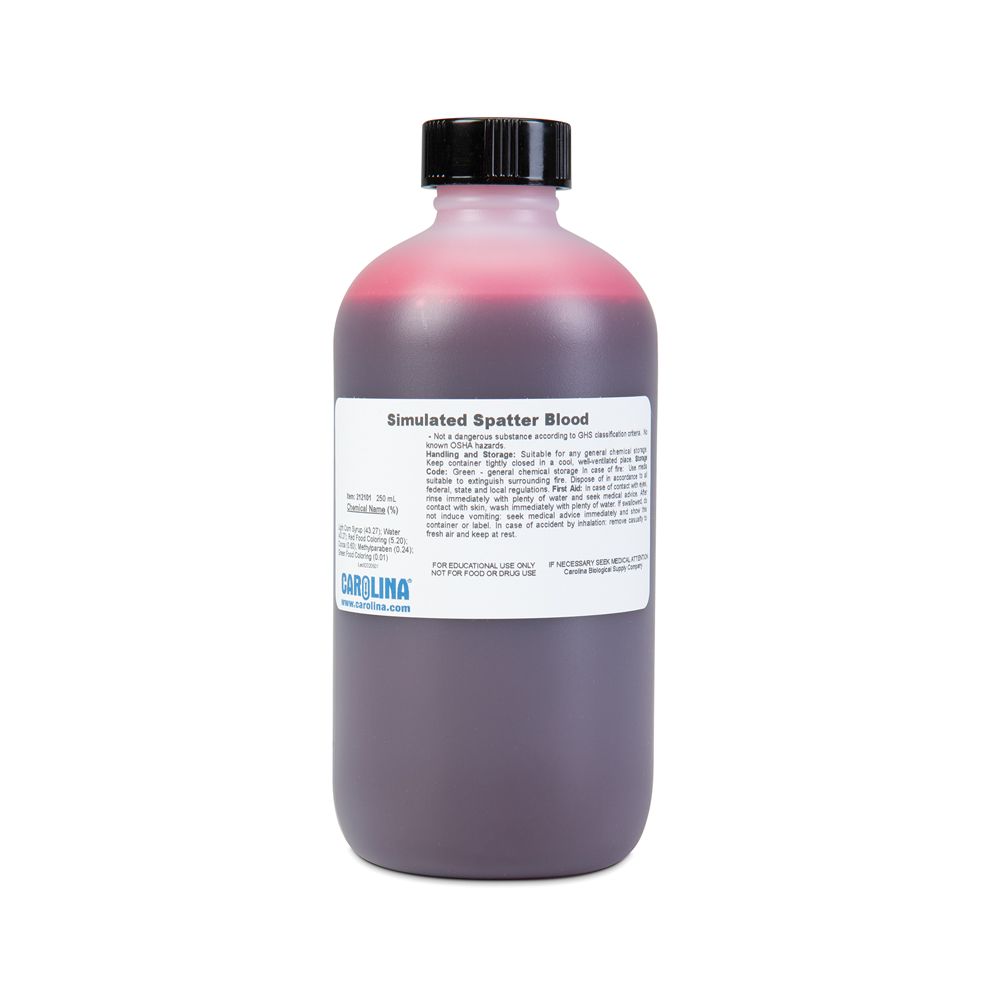
Use this “blood” to simulate the real thing with your forensics class. Great for blood spatter drop test, spatter pattern analysis, or as part of your mock crime scenes.
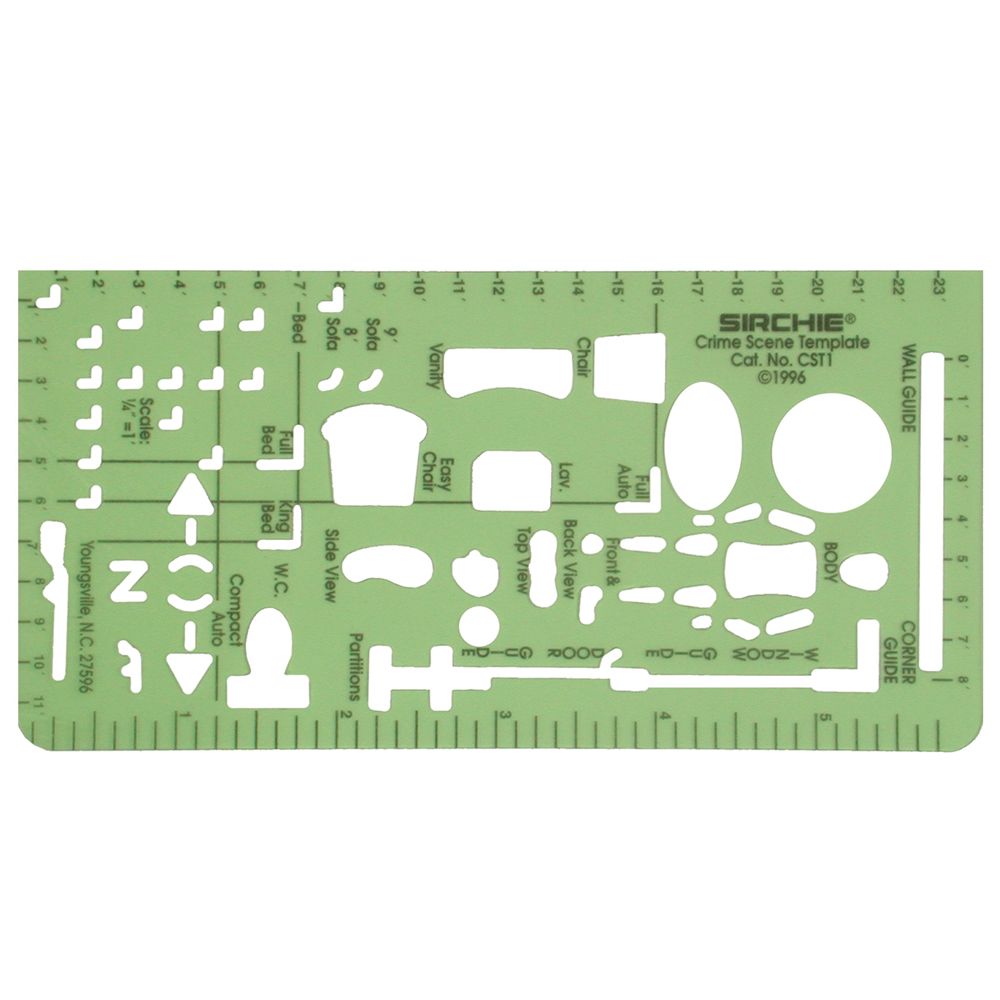
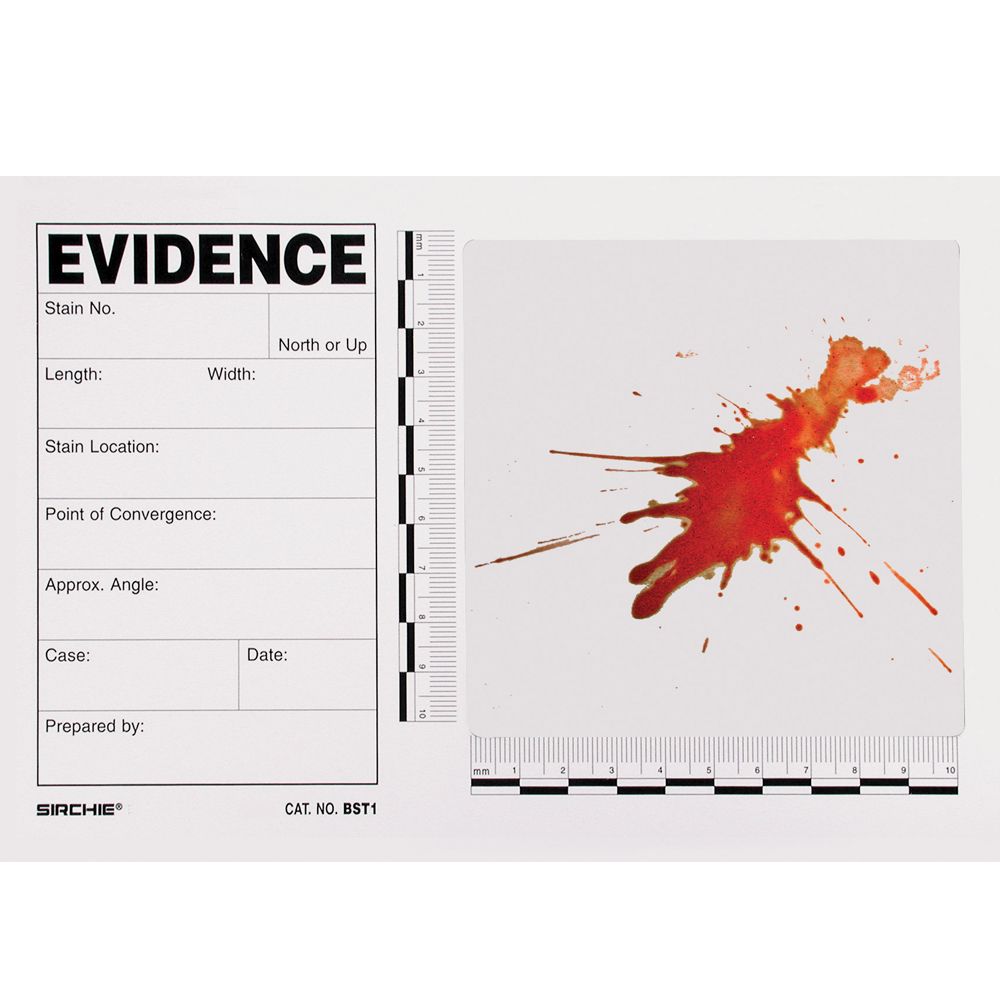
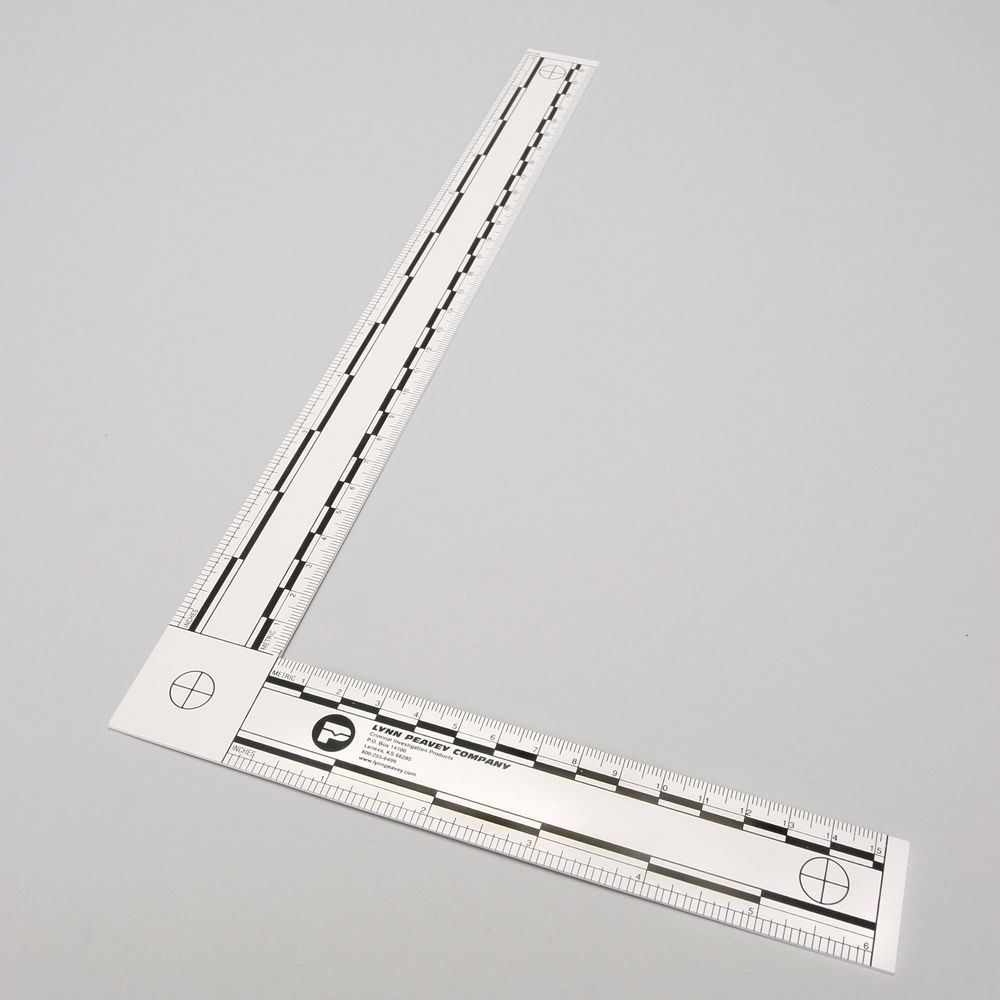
Designed by the experts at Sirchie®, you can use this 1 template to document blood spatters, bullet holes, tool marks, and many other kinds of physical evidence.
The crime scene investigation techniques used to collect, protect, and document biological and DNA evidence are paramount for evidence preservation and interpretation by forensic scientists in crime labs. By generating a DNA profile from DNA extraction, quantification, amplification, and electrophoresis, different types of DNA analysis such as short tandem repeats (STRs), Y-STRs, mitochondrial DNA, and single nucleotide polymorphisms (SNPs) can be performed and contribute to solving a case. Blood typing additionally provides a tool for biological evidence to be identified and analyzed for consistency with suspects or unknown persons.
Carolina® Forensics Mystery with Synthetic Blood Kit
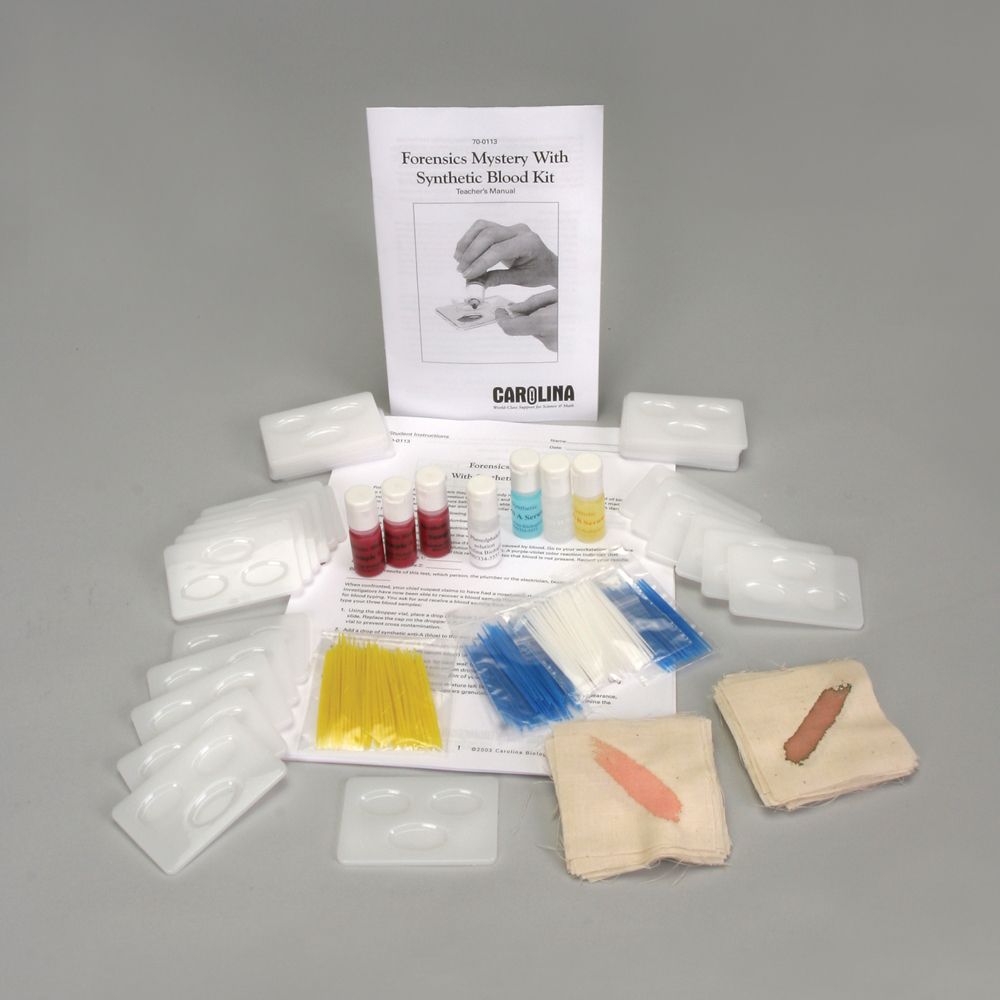
Students perform a simulated test for the presence of blood on evidence collected from 2 suspects in a murder case. They then use synthetic blood typing to test whether either suspect can be linked to the crime.
Exploring Electrophoresis Using Forensic DNA Evidence Classroom Kit
Solve a forensic mystery using the tools of biotechnology and the concept of DNA fingerprinting. Students cast agarose gels, load predigested DNA samples, and perform electrophoresis with one to three 9-V batteries. They stain the gels and analyze the banding patterns of DNA collected from the suspects and the crime scene.
This advanced lab uses plasmid isolation and restriction analysis to illustrate forensic DNA typing. Students are provided with 2 samples of E. coli cells to represent blood samples from 2 suspects. The resulting “DNA fingerprints” of the suspects are compared for a match with the evidence.
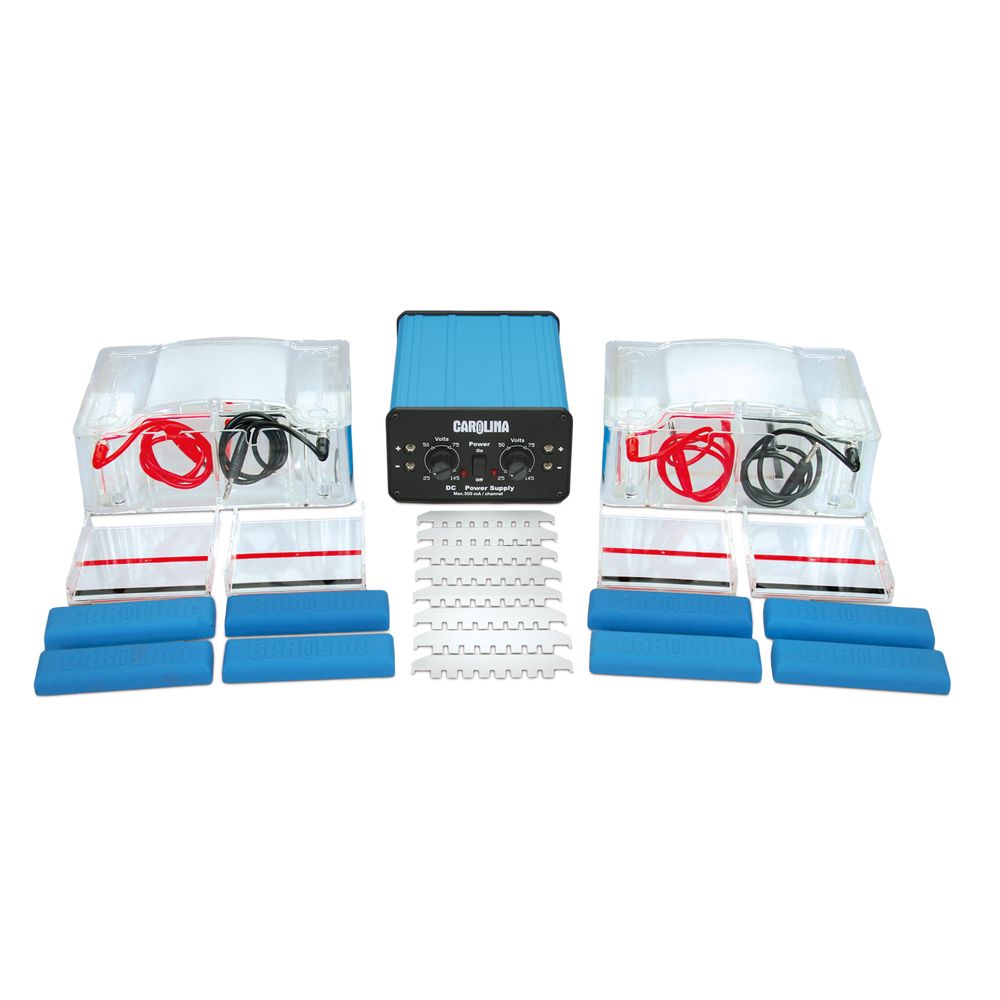
Carolina® Separation Station II Electrophoresis Equipment Package, 110-V
Be prepared for the demands of your lab with this package containing enough equipment for running 4 gels at up to 2 different voltages all at the same time!
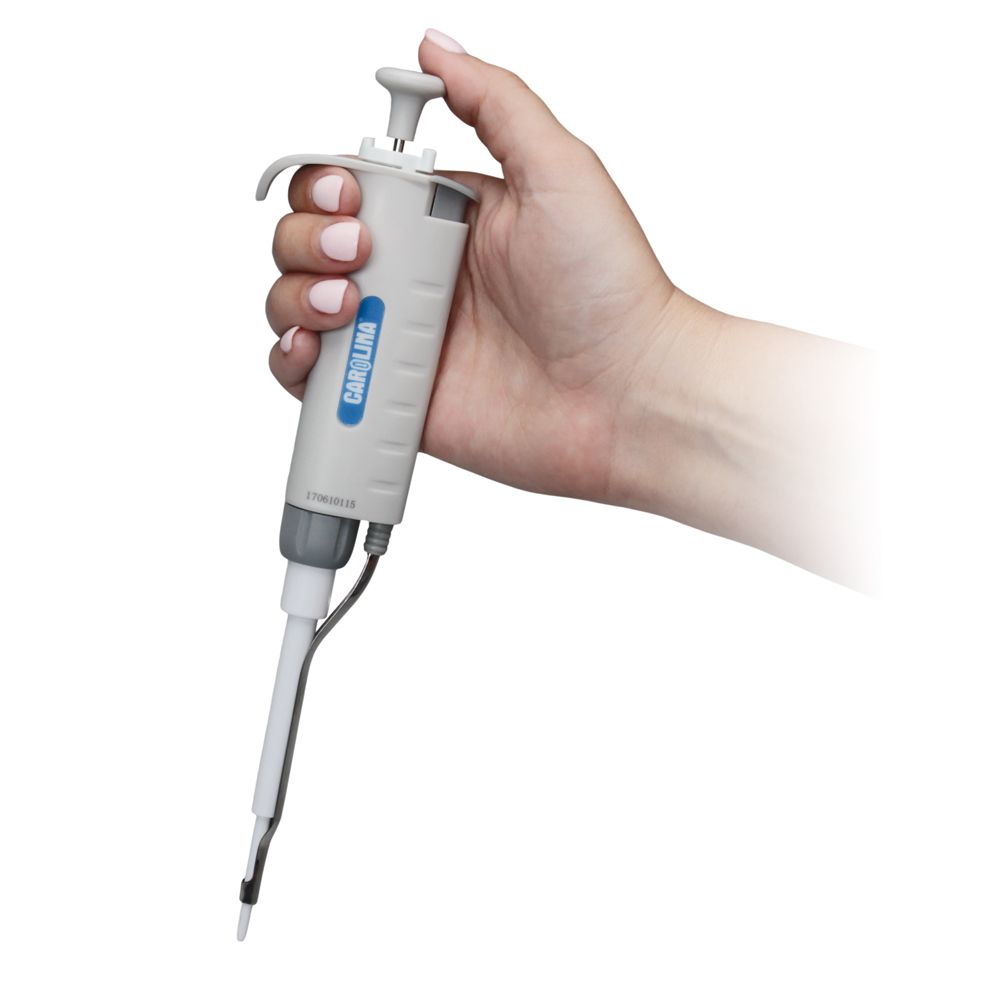
The Carolina® Laboratory Pipettor series offers classrooms an unmatched research-quality pipettor at a fraction of the cost. A lightweight, ergonomic design helps ensure user comfort, yet it withstands the rigors of classroom use.
When a case involves death or human remains, investigators can interpret wounds and injuries or the presence of insects such as blowflies to document and analyze evidence for the recreation of events or determination of a postmortem interval. By autopsy the cause and manner of death can be identified and the stage of decomposition (rigor) can aid in identifying a time of death.
Carolina® Forensic Dissection Kit
In this unique lab activity, students conduct a forensic pig dissection by modeling the protocols used by a pathologist for a human autopsy. Students assume the role of several professionals who assist human autopsies as they dissect and analyze the various pig organs and tissues.
The Mystery of Lyle and Louise: Forensic Entomology Kit
The bodies discovered in the cabin crime scene are unrecognizable and decomposing, with large masses of maggots present. Students learn how forensic entomologists use maggots to determine postmortem interval (PMI).
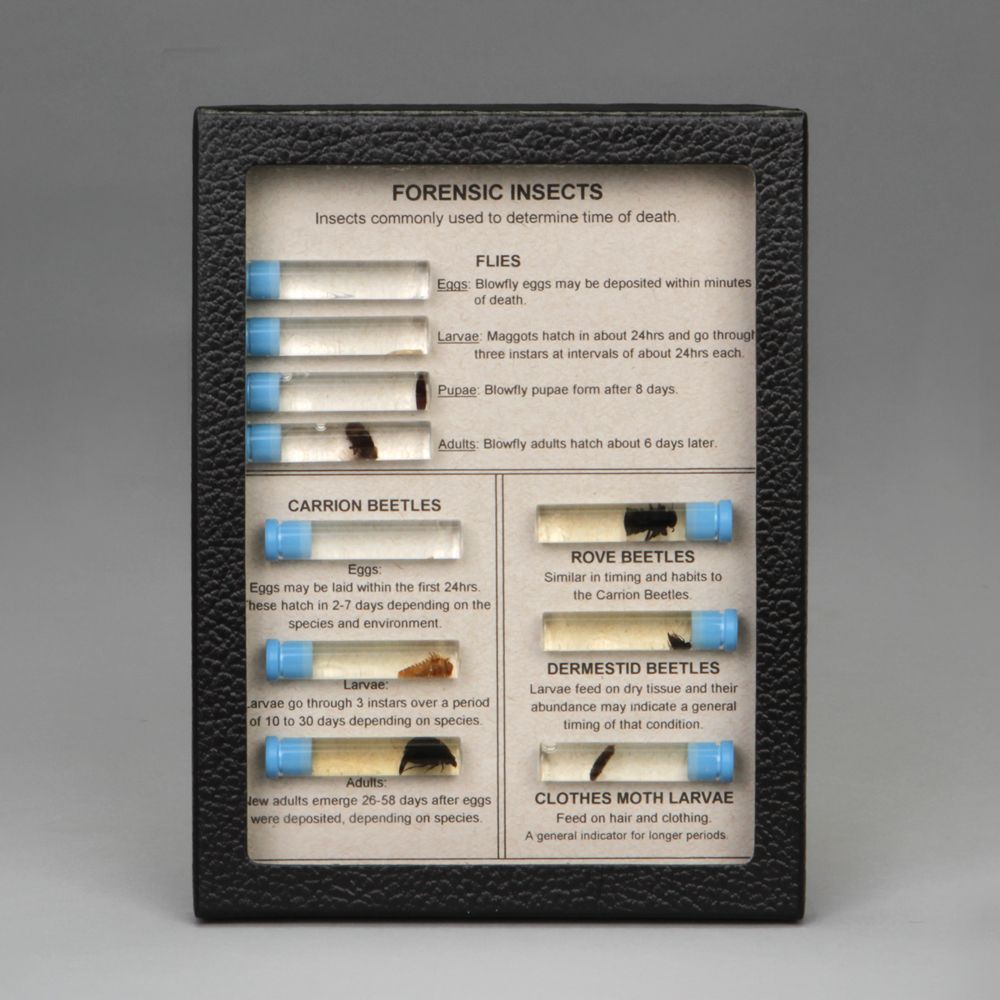
Certain insects offer a lot of clues for forensic scientists trying to determine the time of death. This hands-on exhibit features several of these insects and presents students with a visual understanding of just how insect life cycles serve as biological timers.
Your students can explore the world of forensic investigation with this unique set of 52 color photographs detailing the insect and other arthropod fauna most commonly encountered on human remains.
The principles and techniques of anthropology and odontology are relevant to a forensic scientist’s ability to interpret and analyze bone and dental evidence. Skeletal remains can be analyzed to identify characteristics of a person such as age, sex, and height. The impressions created by human bites and relevant remains such as teeth, dentures, and implants can be analyzed for consistency with suspects and identify characteristics about individuals.
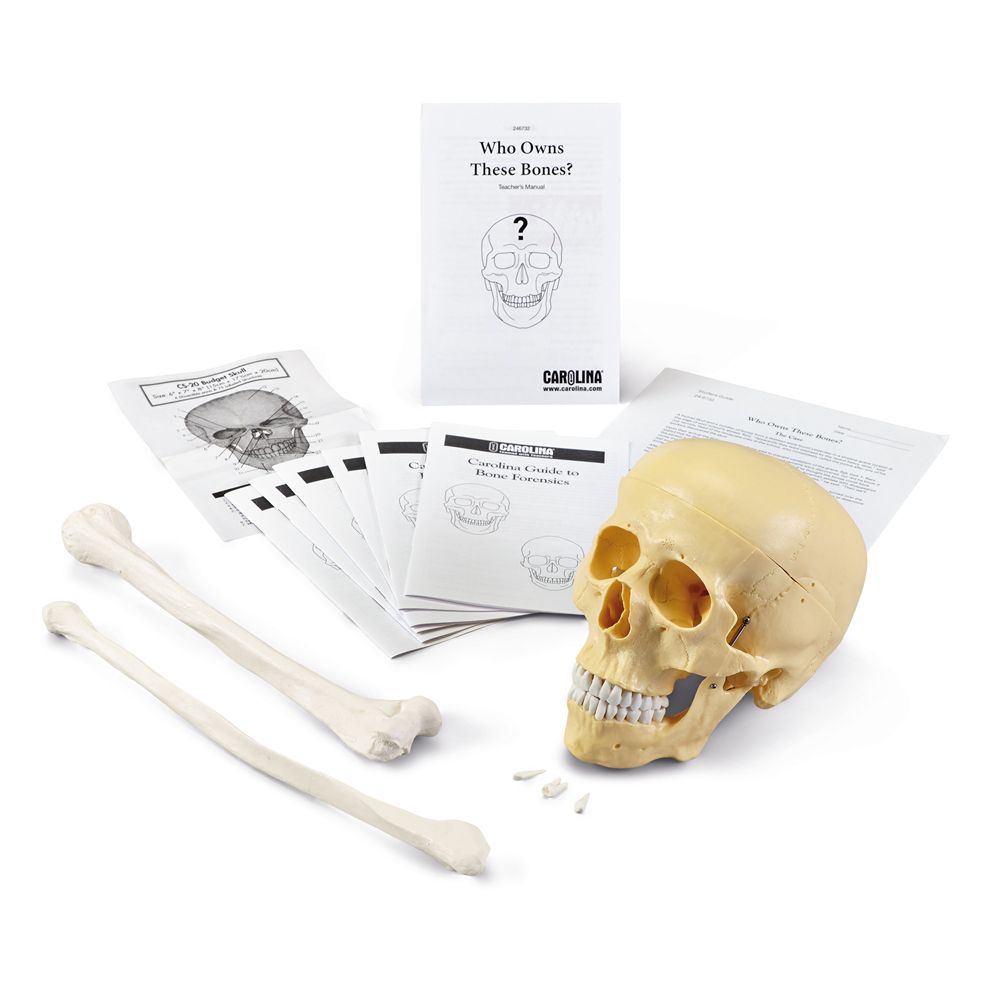
Who Owns These Bones? Kit
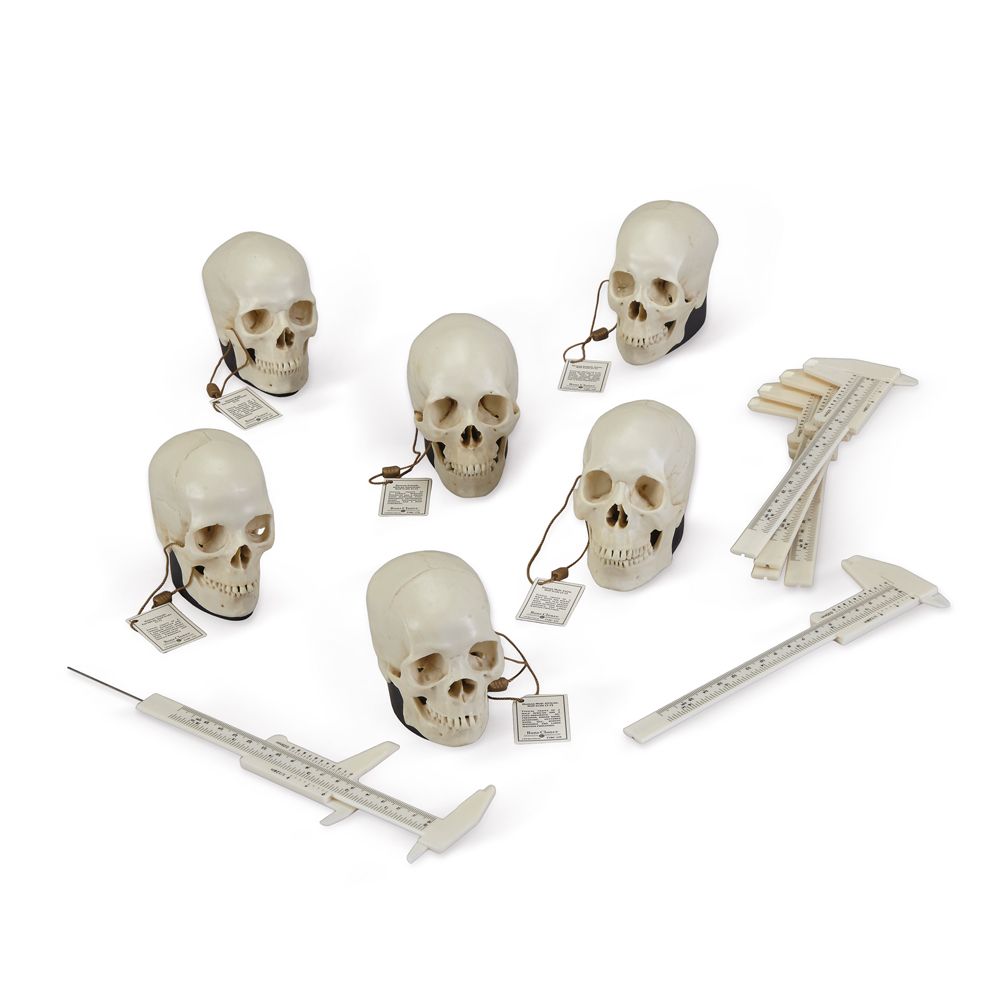
This forensics education kit comes with a set of simulated bones that were recently unearthed from a field near the school. After examining and identifying the bones, students use skeletal characteristics to determine as much information as possible about the person, including race, gender, and height.
Featuring 1/2-scale human skulls cast in fine detail, this set includes 3 male and 3 female skulls presenting the key traits of African, Asian, or European ancestry, including eye orbit shape, palate shape, maxillary incisor shape, nasal aperture shape, presence or absence of a nasal spine, and nasal sill shape. Students use vernier calipers and detailed diagrams and reference tables in the Carolina® Guide to Bone Forensics to identify skeletal morphological differences by ancestry and sex.
One Bite Out of Crime™ equips students with the skills of a forensic odontologists. Students make a cast of their own upper jaw, learn to identify teeth placement, make dental charts, learn the metric analysis of a bite mark, and match dental charts to identify a body.
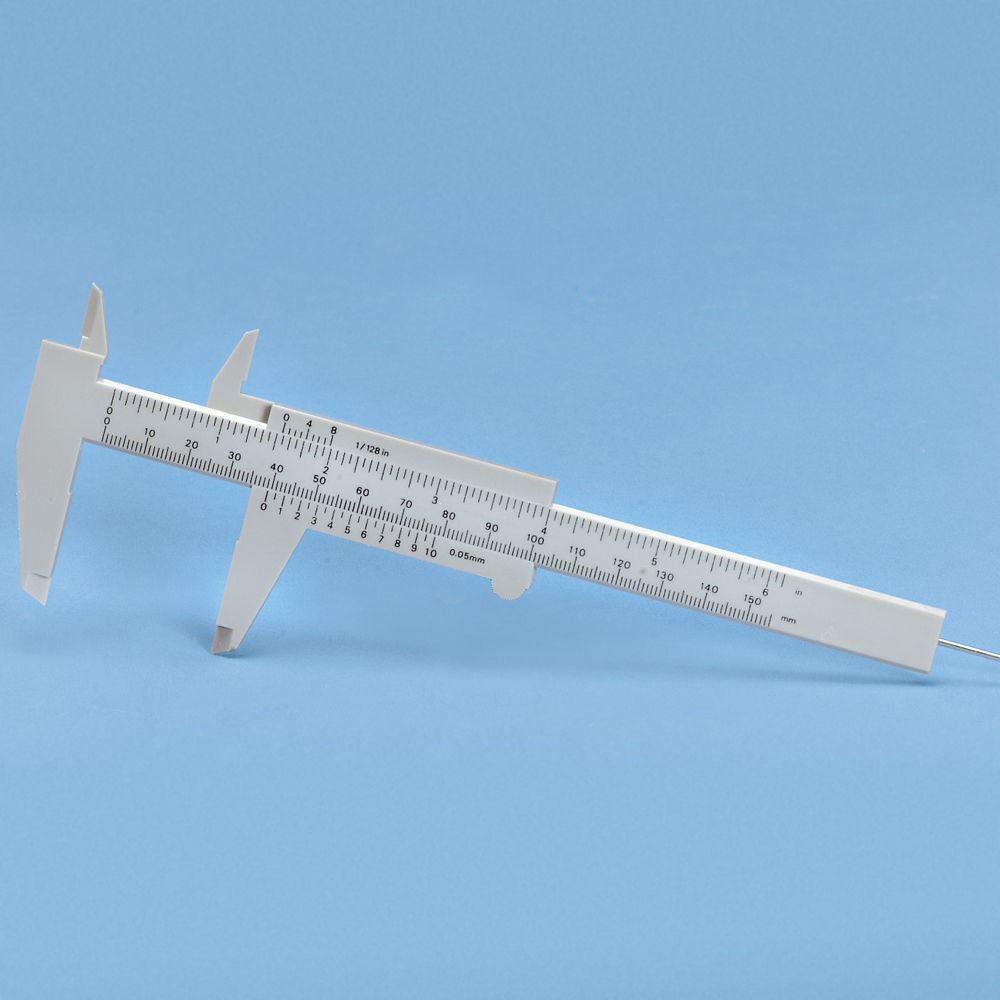
Precision molded of high-impact plastic. Upper scale capacity is over 6″ with reading accuracy of 1/128″. Lower scale capacity is 155 mm with reading accuracy of 0.05 mm. Measures inside and outside dimensions.
Economically priced and easy to use, the Carolina® Osteometric Board is a helpful addition to any forensic science lab. Constructed of lightweight, durable styrene, this anthropometric tool is uniquely designed for making linear measurements of long bones—such as the femur or humerus—where a caliper will not do.
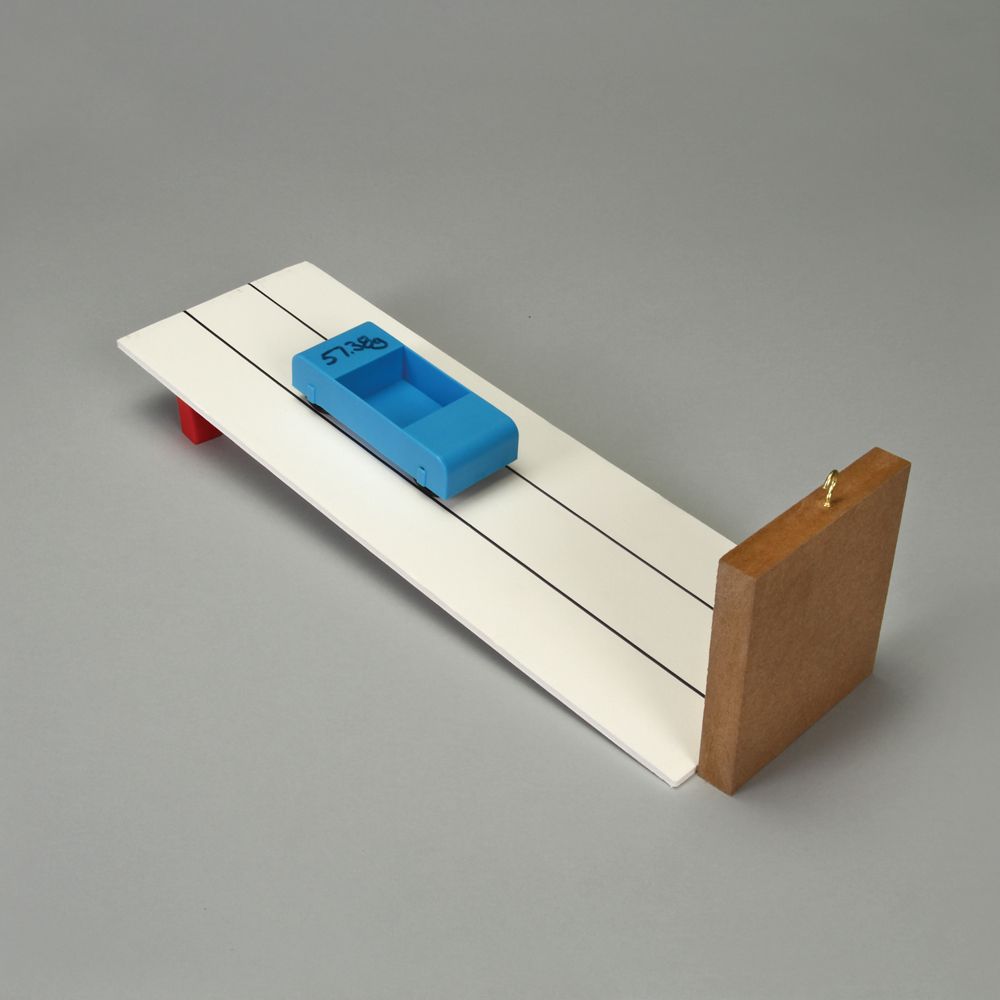
In compliance with prescribed procedures, law enforcement can be called to Investigate and document a motor vehicle accident and to analyze crash scene evidence using standard laws, regulations, and procedures. This can include interpreting crash scene evidence by reconstructing the crash and performing a variety of mathematical calculations using formulas including speed calculations, acceleration, and drag factor measurements.
Carolina has the kits and supplies needed for your CTE students to master the essential knowledge and workplace skills required for careers in law, public safety, corrections, and security.
Don’t see a specific item or content area covered that you need for your CTE forensic investigations? Contact us for special orders! We stand by our 100% customer satisfaction guarantee and will work with you to find what your students need.
Carolina is teamed with teachers and continually provides valuable resources–articles, activities, and how-to videos–to help teachers in their classroom.