Yeasts have become increasingly important to basic biological research. Because of their rapid growth rate and ease of manipulation, certain strains of yeasts are convenient organisms for studies in physiology, genetics, cytology, and biochemistry. Yeasts have been used by biotechnology corporations to produce human growth hormones, interferons for treating cancers, and enzymes for reducing inflammation. Many believe that yeasts are superior to bacteria for use in genetic engineering because they secrete their proteins.
Yeasts are found in nature on the nectar of flowers and the surfaces of fruits as well as in milk, soil, salt and fresh waters, and animal excretions. Yeasts normally live harmlessly in the mucous membranes, skin, and feces of the human body. Under certain conditions, however, some of these yeasts may become pathogenic. For years, there has been an increase in yeast infections resulting from clinical changes to the host’s defenses due to steroid and immunosuppressive drugs and by indiscriminate antibiotic use.
Here with a Loaf of Bread beneath the Bough,
A Flask of Wine, A Book of Verse—and Thou
Beside me Singing in the Wilderness—
And Wilderness is Paradise enow.
—Omar Khayyam
A warm, crunchy loaf of fresh-baked sourdough. A relaxing glass of wine to close out a busy day. Neither would exist without yeasts.
Their importance can hardly be overstated. The living organisms are used in baking as leavening agents for many types of baked goods (baker’s yeast) and brewing for fermentation (brewer’s yeast) and in the production of food supplements, dry ice, cheeses, amino fats, vaccines, enzymes, fuels, and vitamins. Commercial yeast products can be found as active dry yeast, instant yeast, rapid rise yeast, nutritional yeast, and compressed yeast. Yet some species of yeast, especially wild yeasts, can also be destructive plant and animal pathogens and cause food spoilage, decreasing shelf life.
Most yeasts are single-celled fungus, belonging to class Ascomycetes, but some are also found in the Deuteromycetes, the Basidiomycetes, and the Zygomycetes. Most yeasts are unicellular throughout their life cycles, but some produce several buds in succession that remain joined for a while as a pseudomycelium. Some of the mycelial yeasts are dimorphic, having the ability to grow as either yeast cells or mycelia depending on environmental conditions.
A typical yeast cell is oval or spherical with a thin cell wall surrounding the cell membrane. The most prominent feature of the cell is the vacuole. The nucleus is usually in an off-center position. Since yeasts are eukaryotic cells, they have the usual complement of Golgi bodies, ribosomes, endoplasmic reticulum, and mitochondria.
Yeasts reproduce asexually by budding, fission, or arthrospore formation. In a budding yeast cell, enzymes degrade the cell wall, and the protoplast is blown out; a bud subsequently grows into a full-sized cell. Septum formation occurs at the isthmus between mother and daughter cells. In fission, the yeast cell elongates until a septum forms near the middle of the cell, dividing the yeast into two daughter cells. Arthrospores are produced by fragmentation of the hyphae.
Yeasts reproduce sexually by the fusion of two compatible haploid cells. Plasmogamy (fusion of cytoplasm) and karyogamy (fusion of the nuclei) result in a diploid zygote. The haploid ascospores are then produced by meiosis. Ascospore formation is triggered by a lack of food/nutrients and the accumulation of waste products. In the ascospore stage, yeasts can resist drying and other unfavorable conditions, allowing yeasts to overwinter in the soil.
Under anaerobic conditions, yeasts obtain energy from sugar, including sucrose, fructose, and glucose by fermentation. The biochemical change effected by the yeast is:
C6H12O6 + yeast —> 2C2H5OH + 2C02
Glucose in the presence of yeast yields ethanol and carbon dioxide gas.
Anyone who has ever baked bread will, no doubt, have noticed the alcoholic odor of the raw bread dough, especially a sourdough or sourdough starter. In the bread-making process, the alcohol evaporates. The liberated by-product, carbon dioxide gas, causes the dough to rise, resulting in the “holes” in yeast breads. Other baked goods like cakes and biscuits rely on the chemistry of baking powder or baking soda for leavening.
Beer, whiskey, wine, and other alcoholic beverages are the products of yeast fermentation of a carbohydrate. These products differ from one another in original material fermented, the type of yeast utilized, and whether the final beverage undergoes a distillation process. Beer, wine, and cider are manufactured by fermentation alone. Commercial alcohol, whiskey, and rum are manufactured by distilling the fermentative product to increase the alcohol concentration. Winemaking requires fermentation of fruit juices, while beer is made from grains, mostly barley. Commercial fermentation processes depend mainly on different strains of Saccharomyces.
Learn more about the Chemistry of Beer.
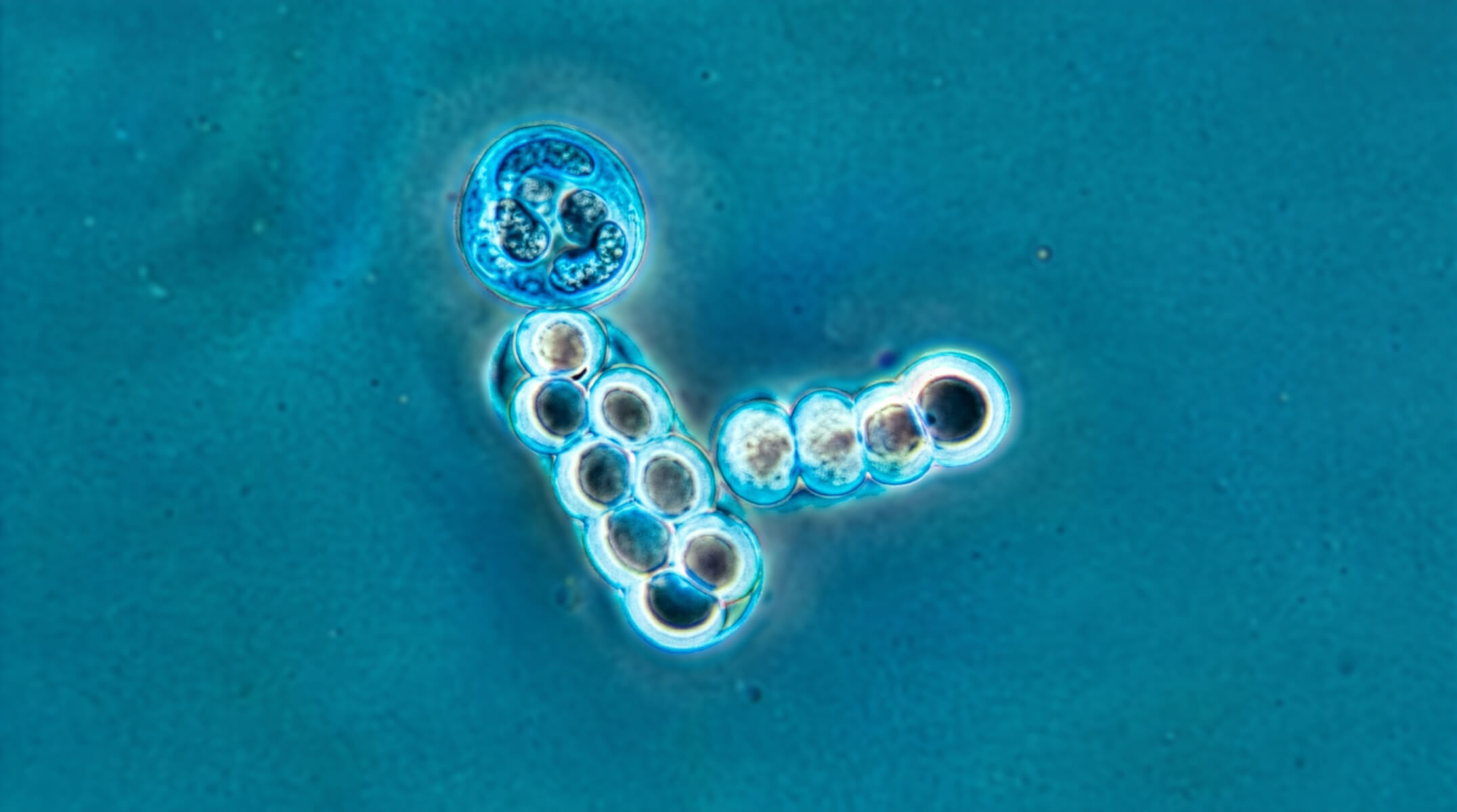
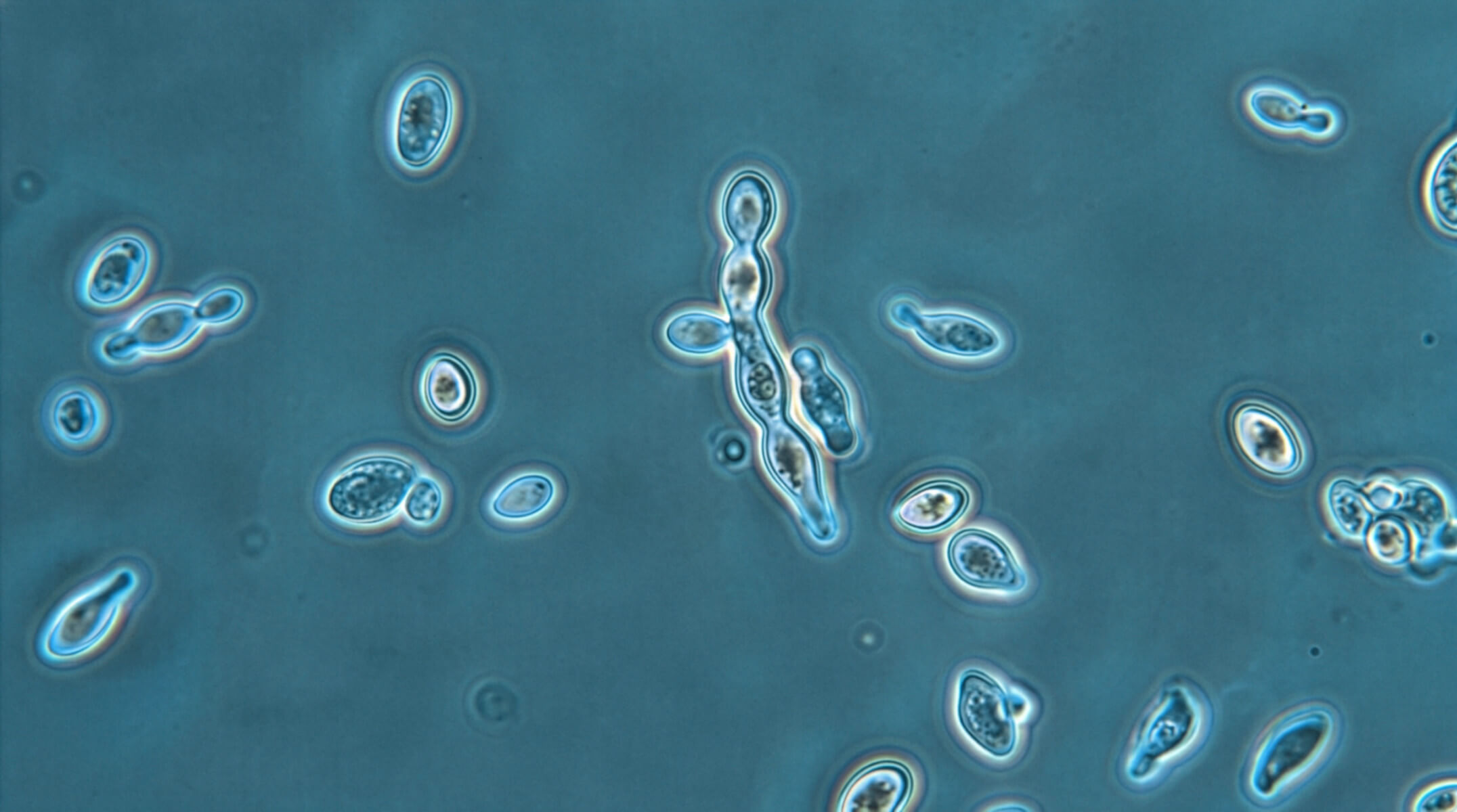
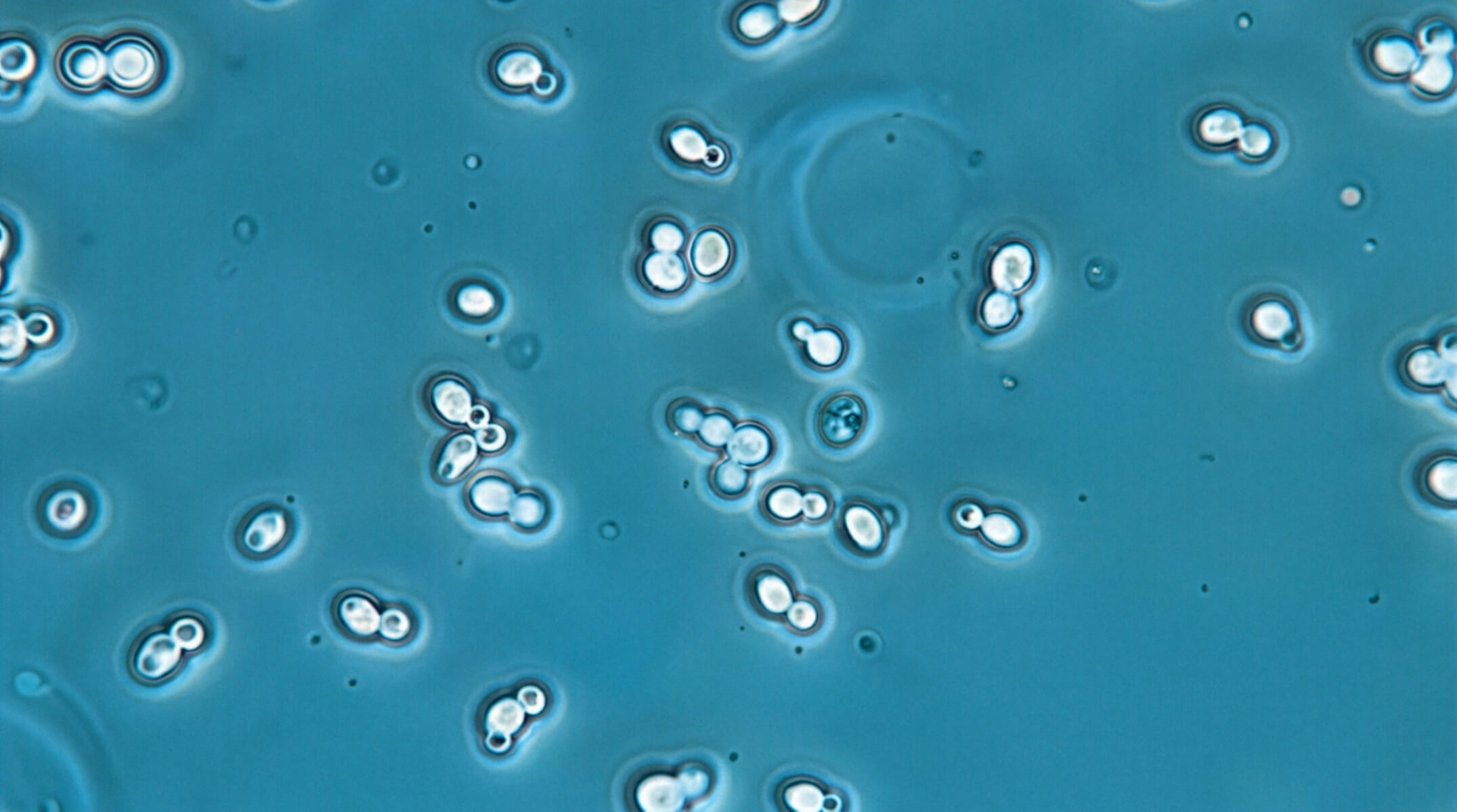
Fermentation by Yeast
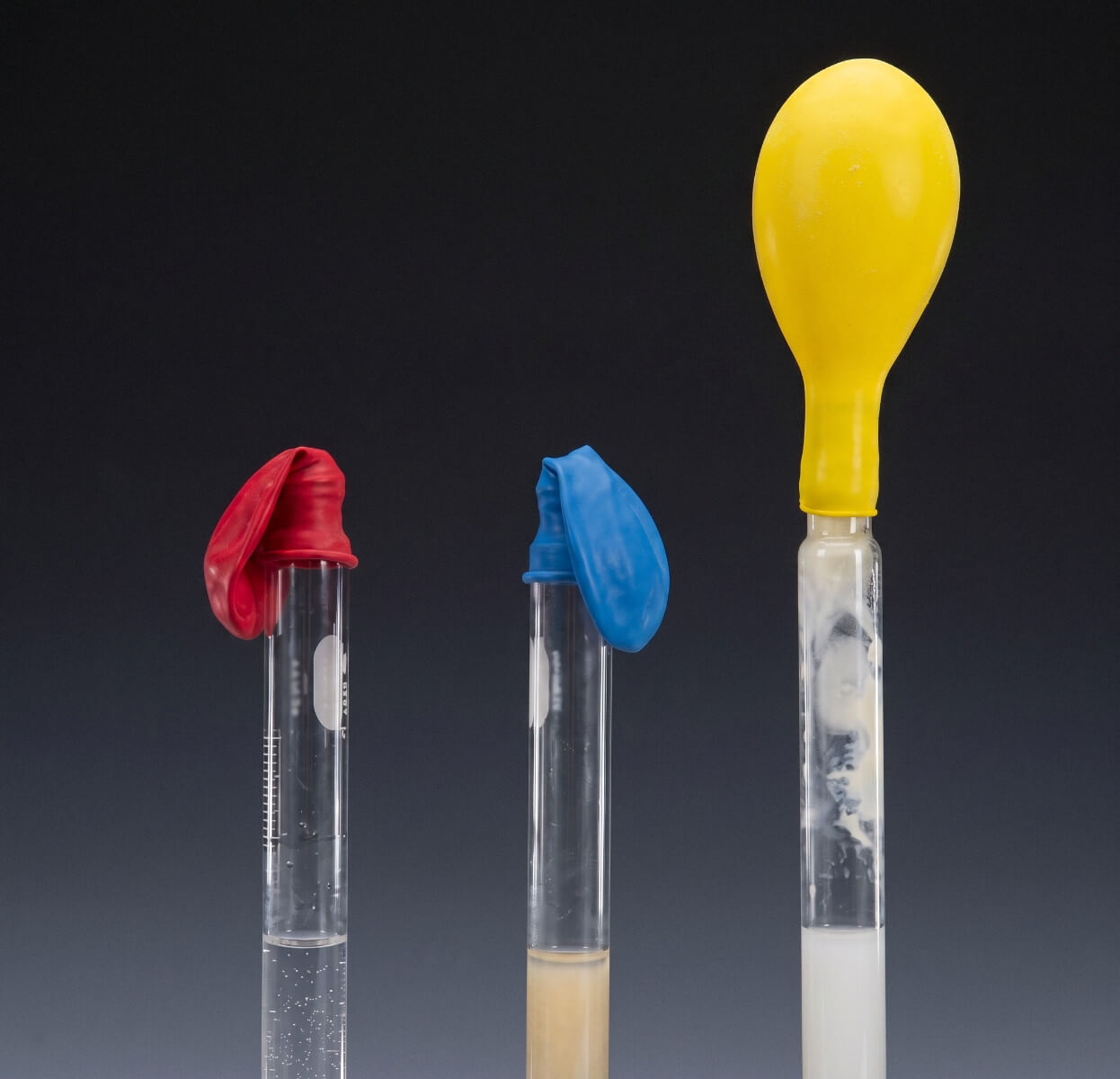
Fermentation is easily demonstrated in the classroom, even at the elementary level. One simple experiment involves letting the students mix a few grains of dry commercial yeast in warm water. Any source of sugar works well: table sugar, molasses, or honey. A small amount of the sugar source is mixed in with the yeast-water mixture. The resultant mixture can be aliquoted into test tubes. A balloon is placed over the mouth of the test tube, which is then left to incubate at room temperature. As carbon dioxide is released, the mixture begins to bubble, and the balloon expands (Fig. 1). The students can smell the odor of alcohol when the balloon has been removed.
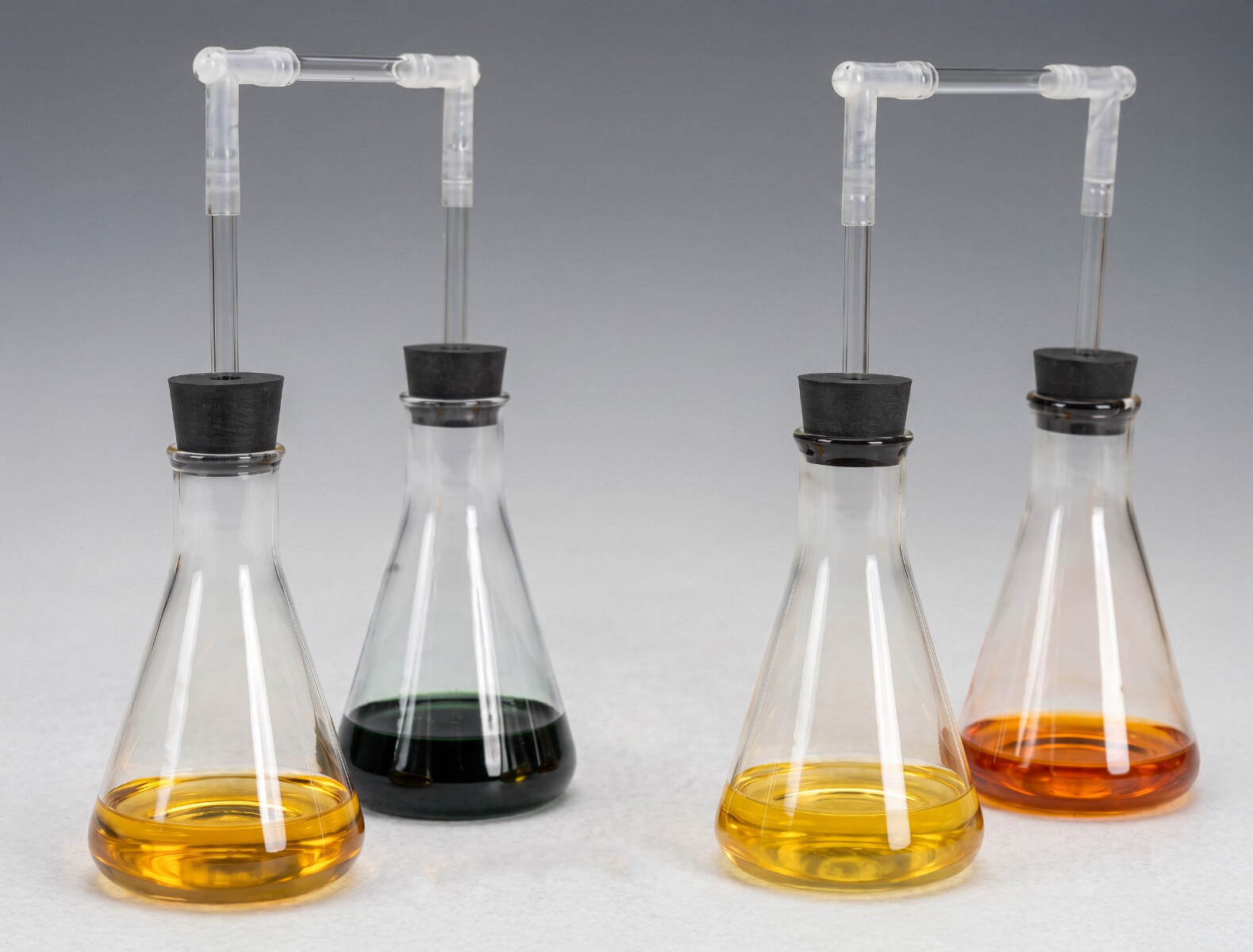
To demonstrate that this liberated gas is carbon dioxide, the gas can be bubbled into a flask containing bromthymol blue, 0.04 percent aqueous. As carbon dioxide is converted to carbonic acid (H2CO3) in the solution, the bromthymol blue indicator changes from blue to yellow (Fig. 2).
Yeasts can be used in the classroom to demonstrate using biochemical tests for identifying microorganisms (Table 1). Since many of the yeasts look very similar morphologically, biochemical tests help to differentiate among them. The clinical laboratory relies on these tests for identifying disease organisms.
The student is given a challenging problem when asked to differentiate between Candida pseudotropicalis, Hansenula wingei, Saccharomyces cerevisiae, Saccharomycodes ludwigii, and Schizosaccharomyces octosporus because their colonies appear similar. S. octosporus can be differentiated from the others microscopically by asci formation on Sabouraud agar or yeast malt agar, while S. ludwigii is distinguished by the presence of sprout mycelia.
H. wingei forms a pellicle (a film on the surface of the liquid) when grown in liquid broth. C. pseudotropicalis, S. cerevisiae, S. ludwigii, and S. octosporus all form sediments in broth.
C. pseudotropicalis and S. cerevisiae can be distinguished by their differing abilities to ferment sugars. When inoculated into Durham tubes, C. pseudotropicalis ferments lactose, dextrose, and sucrose and forms acid and gas. S. cerevisiae will not ferment lactose but will ferment dextrose and sucrose. S. ludwigii and S. octosporus do not ferment any of these sugars (Fig. 9).
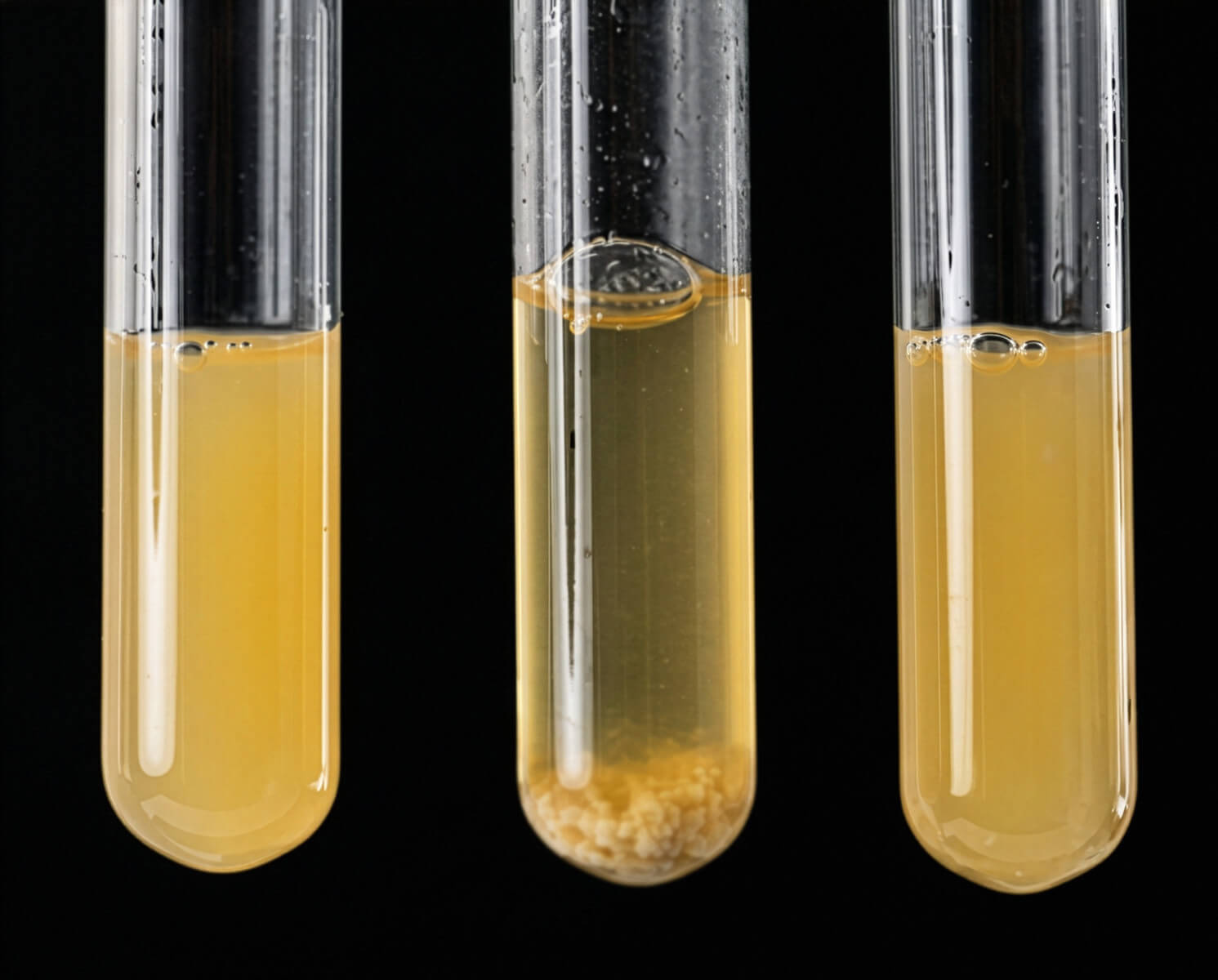
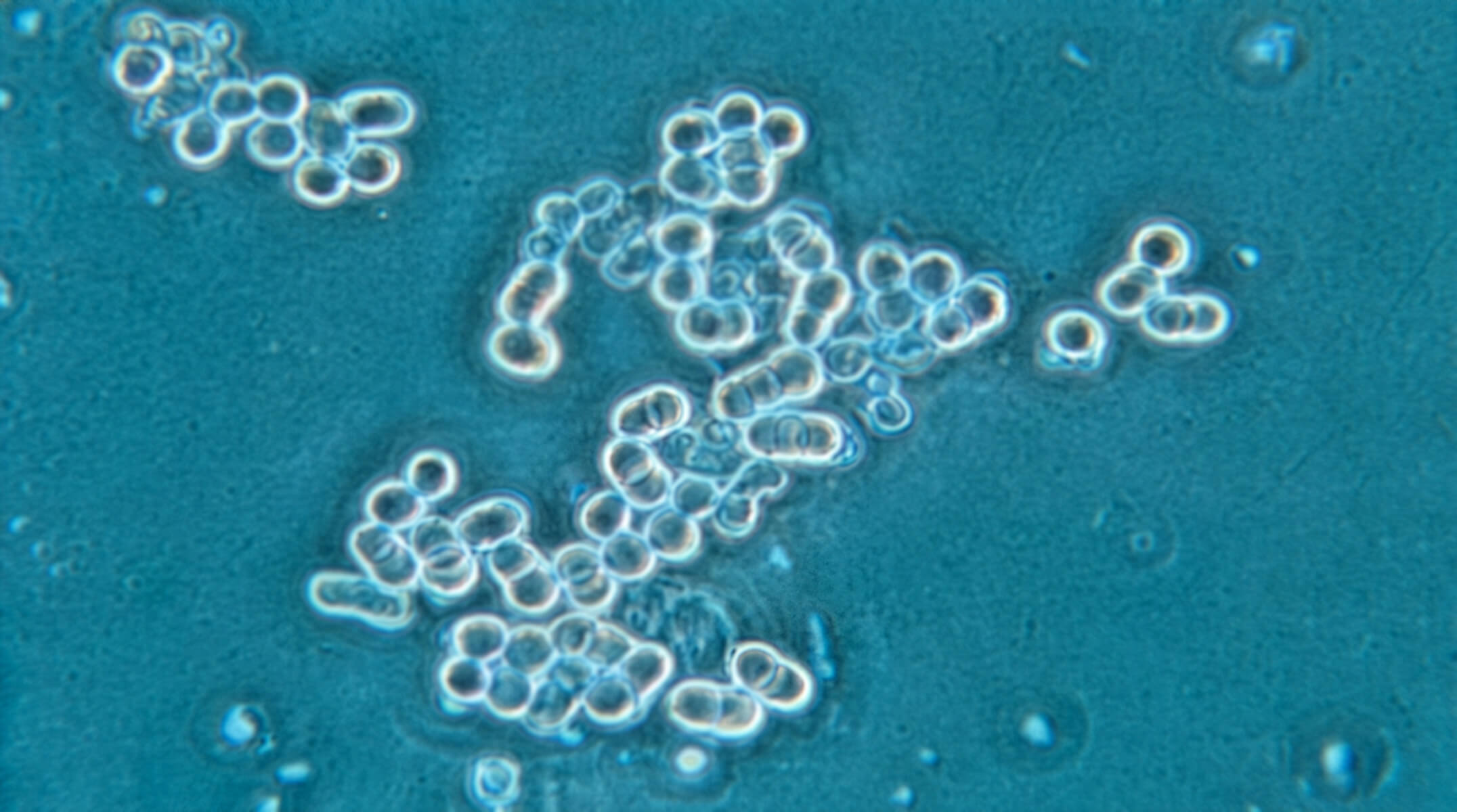
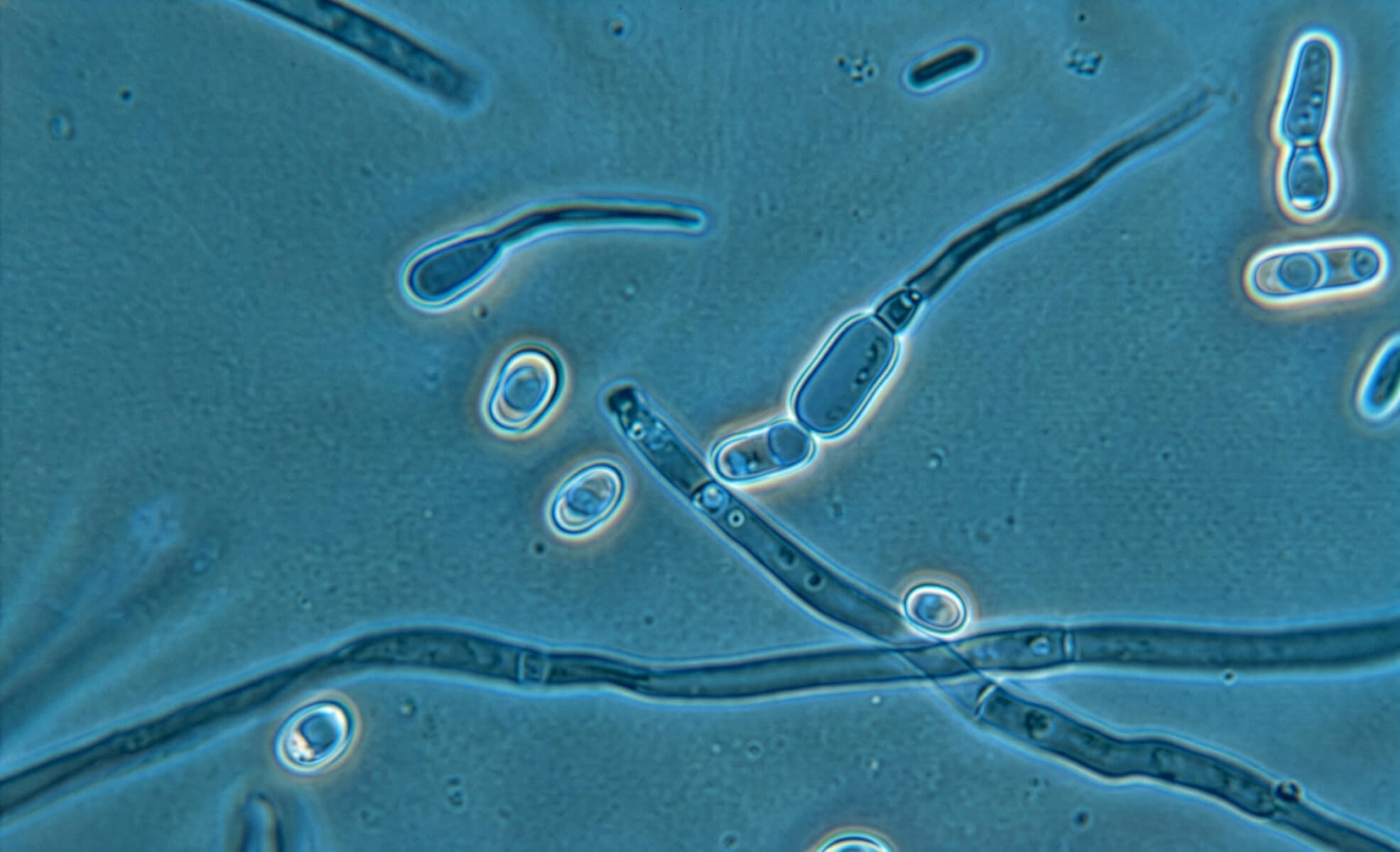
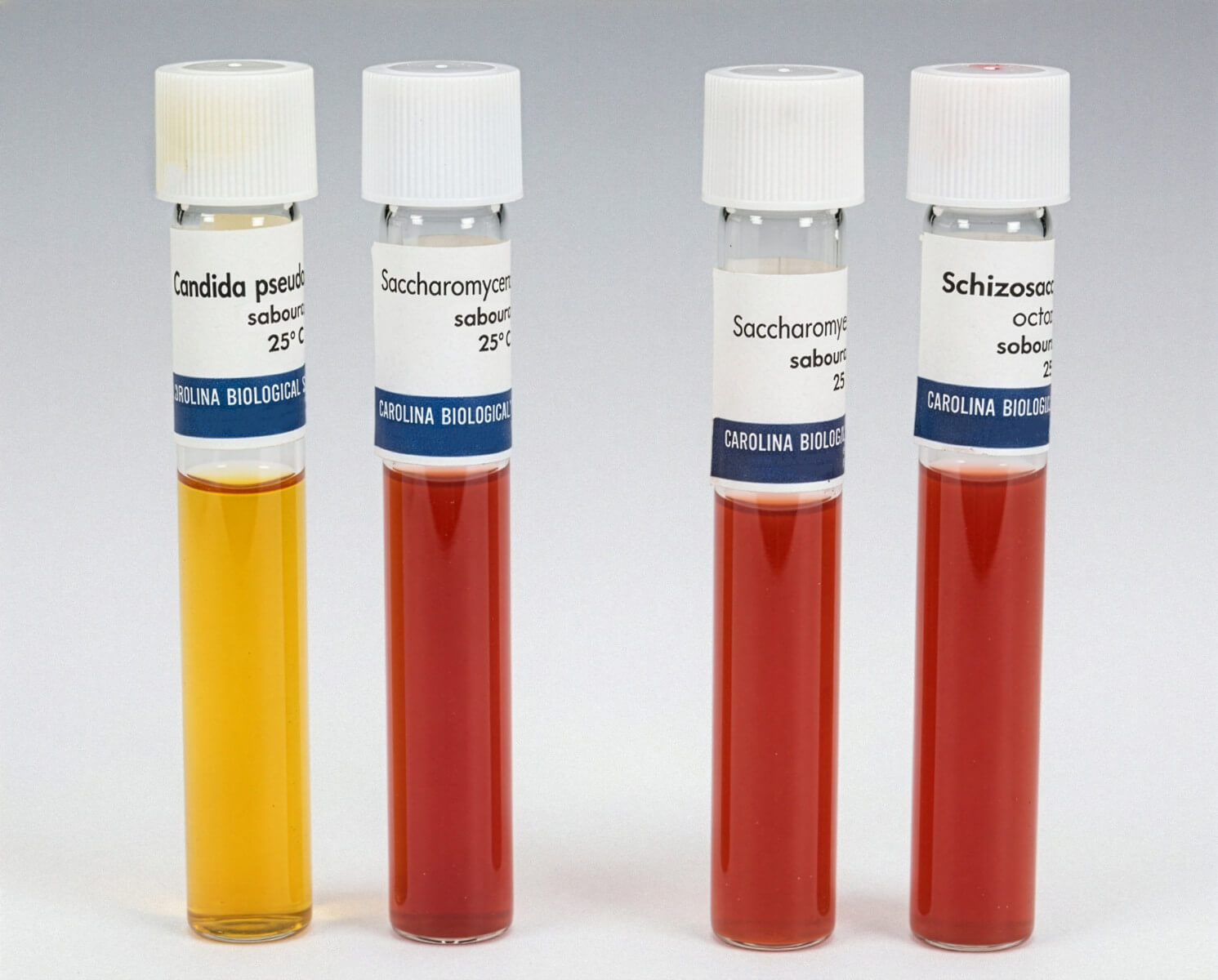
Table 1 Biochemical Identification of Yeasts
| Organism | Ascospore formation on Sabouraud agar | Sprout mycelia formation | Pellicle (P) or sediment (S) formation | Lactose (Fermentation) | Dextrose (Fermentation) | Sucrose (Fermentation) |
|---|---|---|---|---|---|---|
|
C. pseudotropicalis |
No |
No |
S |
Acid; gas |
Acid; gas |
Acid; gas |
|
H. wingei |
No |
No |
P |
No |
Acid |
No |
|
S. cerevisiae |
No |
No |
S |
No |
Acid; gas |
Acid; gas |
|
S. ludwigii |
No |
Yes |
S |
No |
No |
No |
|
S. octosporus |
Yes |
No |
S |
No |
No |
No |
This article was originally published as “Yeasts in the Classroom” in Carolina Tips®, Vol. 48, No. 10 (print version, October 1985); it was revised May 2026.
Further Reading
Alexopoulos, C. S. and Mims, C. W., Introductory Mycology, 3rd edition, John Wiley and Sons, New York, 1979.
Ladder. J. and Kreger-Van Rij, N. J. W. The Yeasts: A Taxonomic Study, North-Holland Publishing Company. Amsterdam, 1967.
Monmaney, T., Microbes for hire, Science, 1985, 85, 30-46.
Neiman, AM 2005. Ascospore Formation in the Yeast Saccharomyces cerevisiae. Microbiol Mol Biol Rev 69:. https://doi.org/10.1128/mmbr.69.4.565-584.2005
Diane M. Calabrese, Ph.D.
22 Anderson Avenue,
Columbia, Missouri 65203-2673
Get the latest news, free activities, teacher tips, product info, and more delivered to your inbox.