
CAROLINA

Protozoans

The protozoan body consists of a single cell, but it is a mistake to think of these organisms as simple. Without benefit of multicellular tissues or organs, many protozoa achieve structural complexity that rivals that of some multicellular animals.

What are Protozoans?

Some biologists prefer to think of protozoan organization as “acellular” rather than “unicellular.” Whichever way you look at it, the protozoa are well worth studying. Most protozoans are microscopic, but certain amoebae reach 4 to 5 mm in diameter, and the shells of their cousins the foraminifera may be 10 cm across. Such shells accumulate on the ocean bottom, forming limestone. Incredibly enough, the Egyptian pyramids were largely built of such foraminiferan limestone; yet, this is only a relatively minor example of the important role that protozoans play in the life of mankind. It would be difficult to overestimate their importance in the food chains of soils, oceans, and fresh waters, upon which people depend.

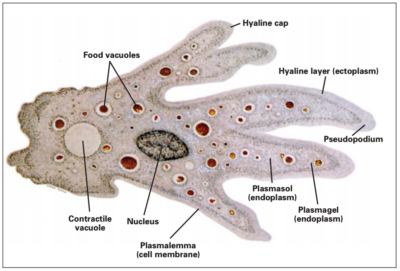
Many protozoans are agents of disease; malaria, for example is caused by the protozoan Plasmodium vivax. The protozoans have traditionally been classified according to their means of locomotion. The shape of Amoeba proteus, a sarcodinian, constantly changes as it extends false feet (pseudopodia) from any part of its body. The pseudopodia engulf particles of food, a process known as phagocytosis. The flagellates, including Euglena and Volvox, move by means of one or more whiplike structures, flagella, which propel them through the water. Euglena moves in a spiral path. Ciliates, such as Stentor, Vorticella, and Paramecium, possess short, hairlike cilia which beat in unison, moving them rapidly through the water. Paramecia can swim either forward or backward while simultaneously rotating on their long axes.

Anatomy of Amoeba proteus illustration
Anatomy of Amoeba proteus (13-1306).
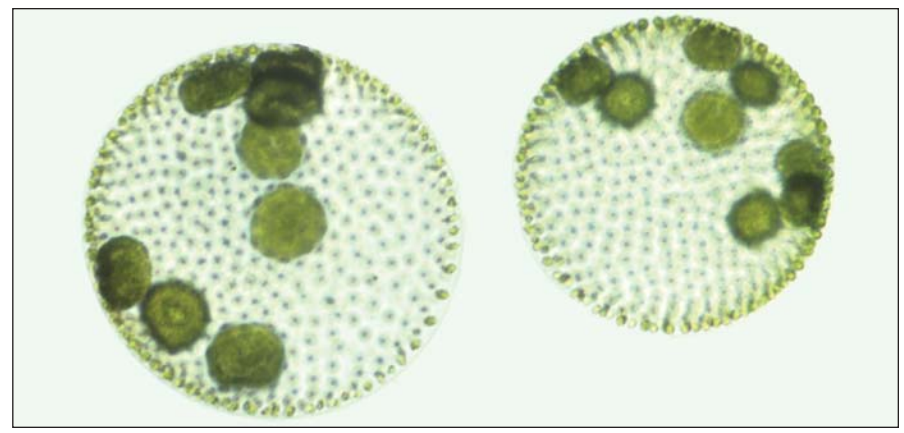
Volvox slide
Volvox sp., a colonial flagellate. The dark green spheres are asexual daughter colonies.

Open your shipment at once and remove your culture jar(s). We ship a plastic dropping pipet for each culture. Label each pipet with the name of a matching culture; that is, if you receive an Amoeba culture and a Euglena culture, label 1 pipet “Amoeba” and the other “Euglena.” Use the pipet only with its matching culture. This is to avoid cross-contamination of your cultures, which could lead to confusion.  

Remove the lids from the culture jars and aerate each culture using its designated dropping pipet. Replace the lids onto the jars but do not tighten them. Keep them at room temperature (20–22°C) and use them in lab as soon as possible. Never place the cultures in a refrigerator or in direct sunlight.  

Allow 15–20 minutes after aeration for the protozoa to settle, and then inspect the contents using a stereomicroscope (dissecting microscope) at the lowest magnification of the scope, generally 10x. This examination will allow you to confirm that the organisms are in good condition and will also show where they are concentrated. 

Begin by focusing on the water surface and then slowly focus down through the water column to the bottom of the jar. For many of our cultures, you will find 2 or more small ovate bodies on the bottom. These are wheat seeds. Various harmless bacteria feed on the breakdown products of these seeds, and the protozoans graze on the bacteria; thus, there is a simple food chain in your culture jar. Other cultures, such as Euglena, are cultured on different media and there are no wheat seeds. 

Once you have located your protozoan, increase the magnification of your scope for a better view. Lacking a stereomicroscope, you may be able to use a good hand lens or digital magnifier, although this will be more tedious. Using a hand lens, you may have to examine the jar from the side to find the protozoa. 

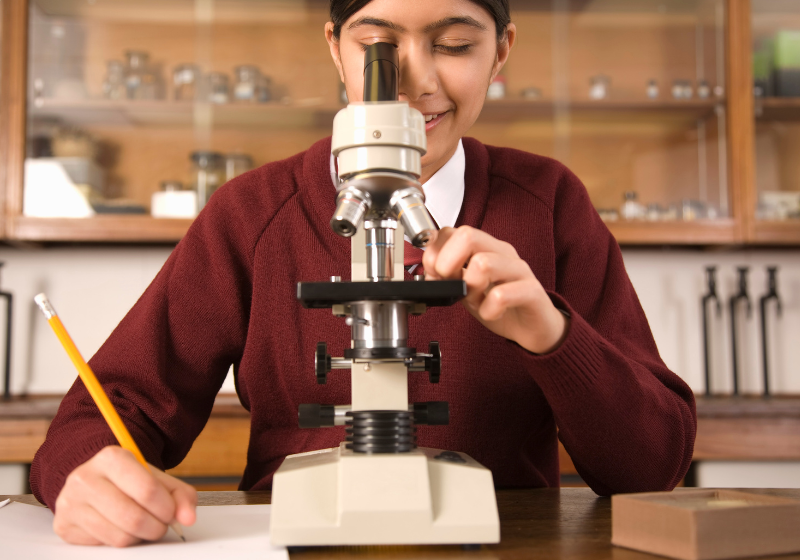
young student looking through a compound microscope

Tips For Finding Some Of Our More Popular Protozoans:

Amoeba

Begin at the surface and focus slowly down the water column. You may find a few amoebas floating about midway down. They send out pseudopodia in all directions, assuming an asterisk  shape: *. Most of the amoebas will be on the bottom of the jar. Focus on the bottom debris. After several seconds, you will notice that some of that debris is slowly moving. Increase magnification for a better look. Their slow creeping motion is fascinating to watch. You may notice some smaller and faster organisms swimming in the culture. This is Chilomonas, a food source for Amoeba.

Anatomy of Amoeba proteus illustration
Anatomy of Amoeba proteus (13-1306).

Euglena

Euglenas are usually so numerous in the culture that there is no need to concentrate them. Should you wish to do so, place a cardboard cylinder, with a 2– to 3-mm wide slit on one side, over the jar so the slit faces a lamp. After 10 minutes, carefully lift the cylinder and examine the jar. Euglenas exhibit positive phototaxis and should be concentrated in a thin, green line along the side of the container where the light entered. You can then pick them up with a dropping pipet. 

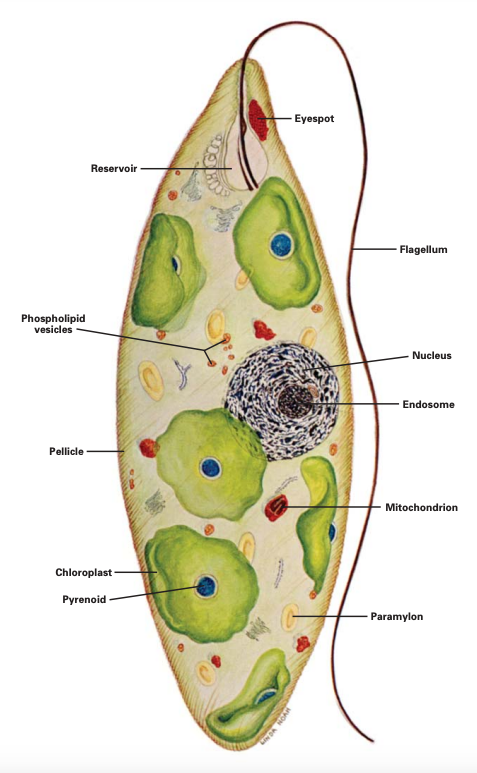
Euglena illustration showing internal structure. Note the long flagellum and the many chloroplasts that fill much of the cell.

Euglena
Anatomy of Euglena sp.

Paramecium and Most Ciliates

These concentrate in the culture jar in the area around the wheat seeds, where the most bacteria are found. 

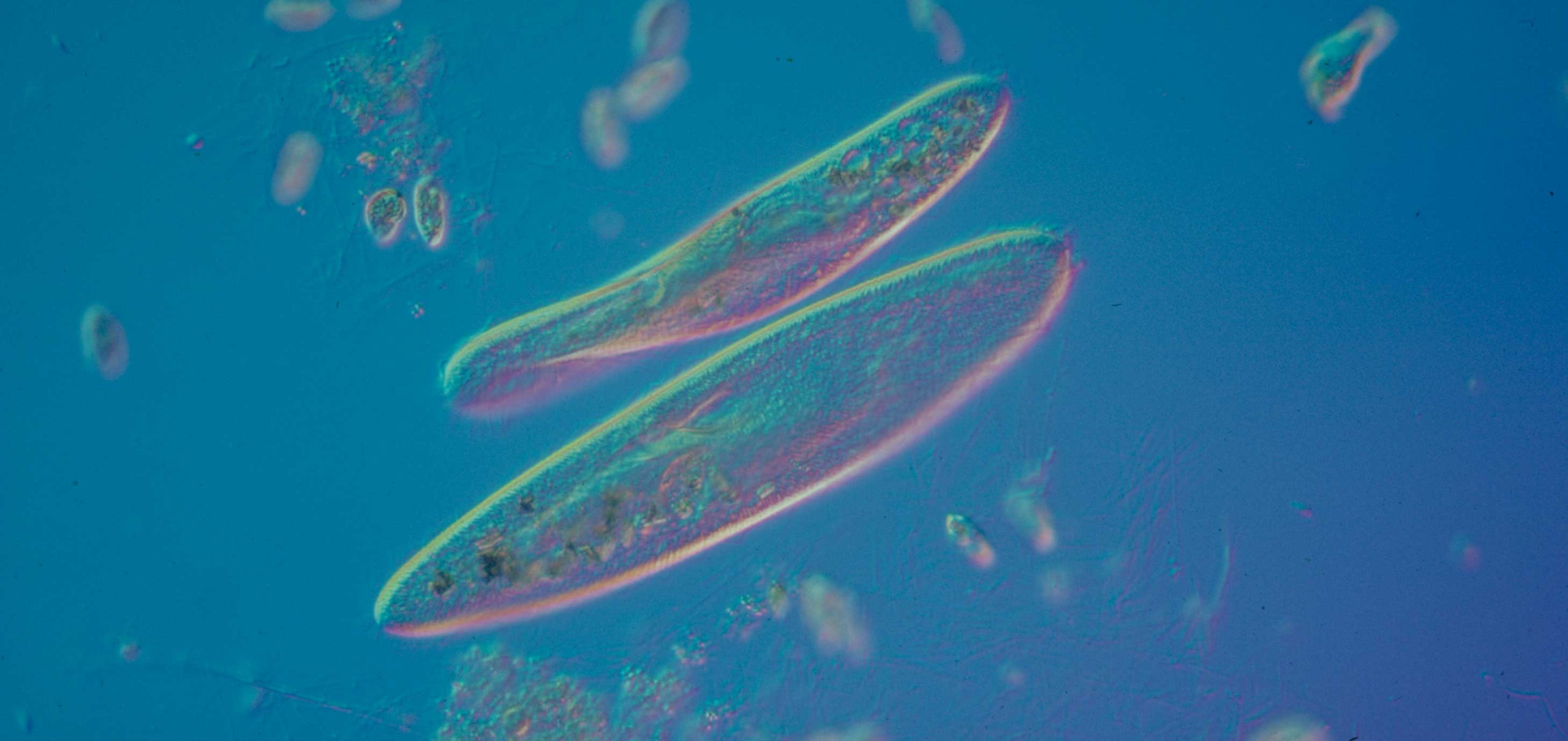
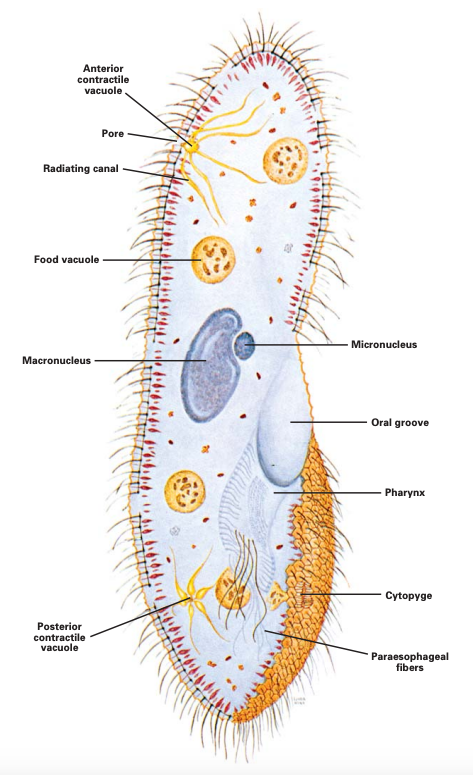
Paramecium illustration showing a large macronucleus and a small micronucleus, a condition characteristic of many ciliates.

Paramecium
Anatomy of Paramecium.

Stentor

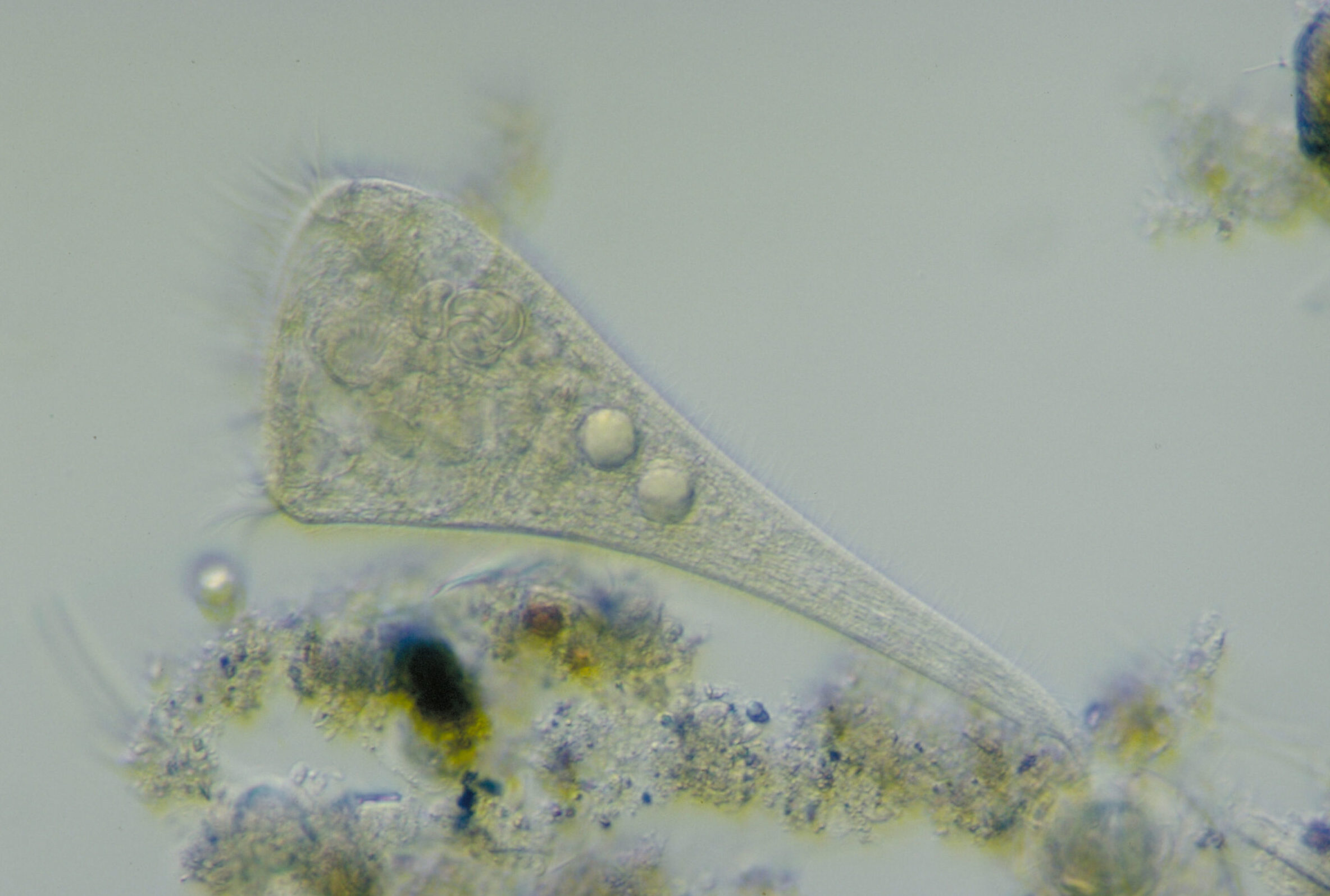
Stentor  is often sessile, extending from its attachment point into a trumpet shape. This shape, reminiscent of a megaphone, is responsible for the name Stentor, which means loud-voiced.  

Stentor can also be found freely swimming, at which time it assumes a pear-shape. 

To dislodge sessile individuals, agitate the contents of the jar with a dropping pipet. Leave the jar near a lamp for 5 minutes. Stentors will move away from the light, exhibiting negative phototaxis. Now you can pipet them from their concentrated gathering on the side opposite the lamp. 

Stentor coeruleus Living stentor

Volvox

Volvox can be seen without magnification as small green dots by looking down through the shipping jar. Upon arrival, they may be on or near the bottom of the jar. If so, they will soon resume swimming when returned to normal conditions of light and temperature. Because of their relatively large size, they may be crushed under a coverslip on a standard microscope slide and may require use of a depression slide.

Volvox slide
Volvox sp., a colonial flagellate. The dark green spheres are asexual daughter colonies.

Vorticella

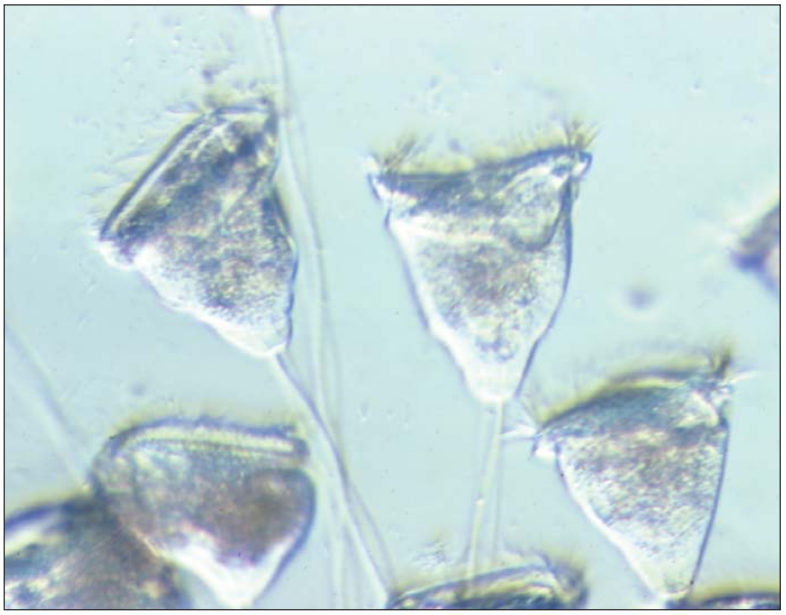
This interesting ciliate has a bell-shaped body with a long, tail-like appendage that attaches to a substrate. The tail can quickly contract like a spring, pulling the cell body away from possible danger. The beating of its oral cilia creates a vortexaccounting for the name. You may have to search the water surface as well as the bottom and sides of the jars to find Vorticella. 

Vorticella photo showing the bell-shaped body and the slender stalk.

Vorticella (13-1660). This sessile ciliate has a contractile stalk.

Video Playlist for Amoeba & Other Protists

Suggestions for Laboratory Management

If a lab assistant is to conduct the lab, have them examine the cultures with a stereomicroscope as described above so they know the characteristics of the culture and where the organisms are concentrated.  

It is best to set up separate, widely spaced workstations for each protozoan culture. Assign each student group a different culture to begin with. This will prevent students from crowding around one culture and make it less likely that they will mix dropping pipets among the cultures. Each student group should make one slide, return to their work area, and examine the slide before returning to make a slide from a different culture. 

Either distribute slides and coverslips at the beginning of the lab or set up one or more stations for pickup during the lab.  

Have all students rinse their hands under running water (no soap or detergent) and dry them before beginning the lab. Soap, salts, or lotion residue can kill protozoans. If one group consistently reports not finding anything living on their slides, suspect that this may be the problem. To further prevent this problem, instruct students to handle slides and coverslips by their edges only. 

Advise students to avoid stirring the culture with the dropping pipet as doing so will break up concentrations of protozoans, making it more difficult for others to locate them. 

 Reserve the last 15–20 minutes of the lab period for cleanup. Have all students rinse and dry their hands before leaving. 

Additional Protozoan Cultures

If you are willing to branch out a bit, we have numerous cultures that go well beyond the big three of Amoeba, Paramecium, and Euglena. 

Protozoan Cysts

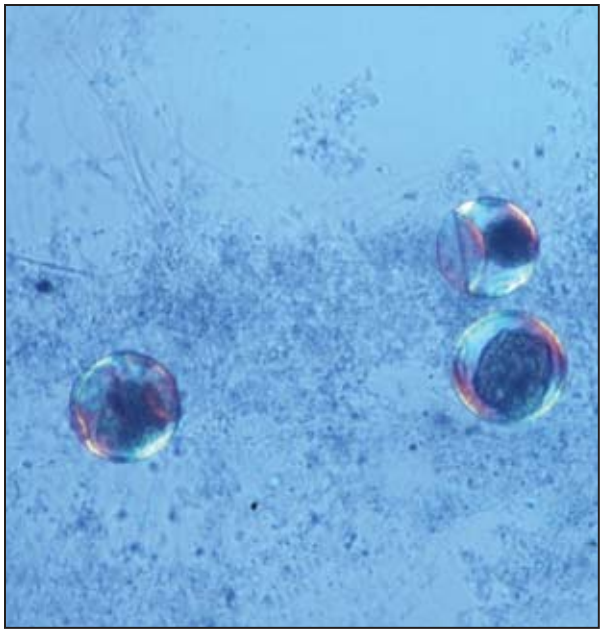
dididnium cysts
Didinium cysts.

Many protozoans form protective cysts that allow them to survive during periods of harsh environmental conditions (e.g., lack of water or food). Didinium is an ideal organism for demonstrating cyst formation. The cultures of Didinium you receive contain numerous paramecia as a food source, but if you pour the liquid into a culture dish and do not add paramecia, the Didinium will eventually starve. They will reduce in size to 20 to 25% of their “well-fed” diameter and will form tiny black spheres on the bottom of the dish. The cysts remain viable for months. To revive them, prepare a hay infusion medium by heating dry grass or hay in boiling springwater for 10 minutes. Pour some of the yellowish water and a few hay straws into a clean culture dish and let cool to room temperature. Add a thick concentration of Paramecium caudatum or P. multimicronucleatum and pipet in a number of Didinium cysts. Within 24 hours, most of the cysts will open and tiny Didinium will swim about, preying on the paramecia. 

Culturing Protozoans

Maintaining most protozoan cultures for a few weeks is relatively easy. Maintaining one culture for a year or more is quite different, and maintaining several cultures longterm requires a significant investment of labor and other resources. Before initiating a series of long-term protozoan cultures, we recommend beginning with 1 or 2 of the more easily cultured organisms, such as Paramecium or Blepharisma, to determine feasibility. Cultures require daily attention. Media that give excellent results at the start may not be satisfactory for continuous cultures. It may be best to multiply a single protozoan culture to obtain sufficient quantities for several student labs and then allow the culture to lapse, and begin anew when a culture is needed again. 

The following information applies to both brief and long-term culturing.

young students using a compound microscope in class

Note: Neither Vitachrome® cultures nor mixtures are suitable for culturing. Vitachrome-stained protozoans will not reproduce or will reproduce poorly, and in mixtures, one protozoan will, over time, replace the others. 

  1. Choose water with good biological properties. Tap water is usually not suitable, because most municipal water supplies contain chlorine, fluorine, and other chemicals. If you use store-bought springwater, make certain that it is free of chemical additives. Note: Some tap water now contains chloramines, which are not “gassed out” by aging tap water. It will be necessary to treat such tap water with a dechlorinator such as Aqua-SafeCarolina® Springwater  is ideal for making protozoan media and for maintaining cultures.
  2. Pasteurize all media ingredients and allow them to cool to room temperature before inoculation.
  3. Keep cultures covered to exclude dust, but not air.
  4. Be sure culture vessels are clean. Traces of chemicals, soap, and soap powders may be toxic to organisms.
  5. Always subculture just before the parent culture reaches maximum population. Inoculate heavily using biologically clean dropping pipets.


Except for the photosynthetic species, protozoans are best cultured under conditions of dim to moderate light, a neutral or slightly alkaline pH, and temperatures of 20 to 21°C. Amoebas are especially prone to lose their vitality or die at higher temperatures. We maintain our cultures in 41/2– to 2-inch dishes stacked on top of each other. The top dish of each stack is left empty and serves as a cover. 

 See our culture media for protozoans

Recommended Media for Protozoans

Protozoan-Sarcodinids Recommended Protozoan Medium
Actinosphaerium
Wheat Medium
Amoeba
Wheat Medium
Arcella Hay
Wheat Medium
Centropyxis
Hay–Wheat Medium
Difflugia
Sand–Spirogyra Medium
Pelomyxa
Concentrated Paramecium
Protozoan- Flagellates Recommended Protozoan Medium
Algae
Alga-Gro® Freshwater Medium (153752) for freshwater algae and dinoflagellates
Chilomonas
Wheat Medium
Dinoflagellates
Alga-Gro® Seawater Medium (153754) for marine algae and dinoflagellates
Euglena
Euglena Medium
Peranema
Wheat Medium
Pelomyxa
Concentrated Paramecium
Protozoan- Ciliates Recommended Protozoan Medium
Blepharisma
Wheat Medium
Bursaria
Concentrated Paramecium
Colpidium
Wheat Medium; Protozoan Pellets
Didinium
Concentrated Paramecium
Dileptus
Wheat Medium; Protozoan Pellets
Euplotes
Wheat Medium; Protozoan Pellets
Paramecium
Double Wheat Medium; Protozoan Pellets
Spirostomum
Hay–Wheat Medium; Protozoan Pellets
Stentor
Wheat Medium; Protozoan Pellets
Tetrahymena
Wheat Medium
Vorticella
Wheat Medium

Preparation of Media

Wheat Medium

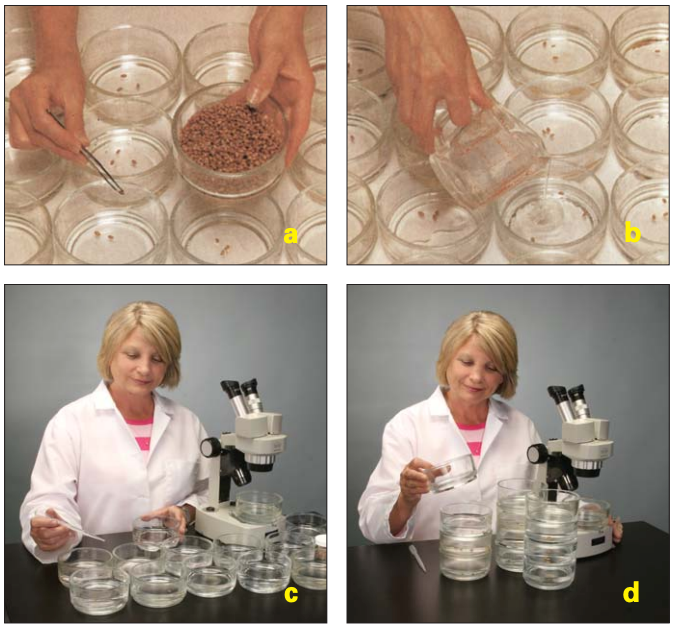
For most protozoans, place 3 or 4 grains of previously boiled wheat in each culture dish. For paramecia, use 6 to 8 grains (double wheat medium). Pasteurize springwater, and while it is hot pour 200 mL into each dish. Cool to room temperature and inoculate.

Culturing protozoa in wheat medium.

  • (a) Place three or four grains of previously boiled wheat in each culture dish
  • (b) Add approximately 200 mL of hot, freshly pasteurized springwater to each dish. 
  • (c) After the medium has cooled to room temperature, inoculate the dishes with protozoans.
  • (d) Stack the culture dishes, placing an empty dish on top to serve as a cover.
Collage of four images showing culturing protozoa in a wheat medium preparation
Culturing protozoa in wheat medium

Hay–Wheat Medium

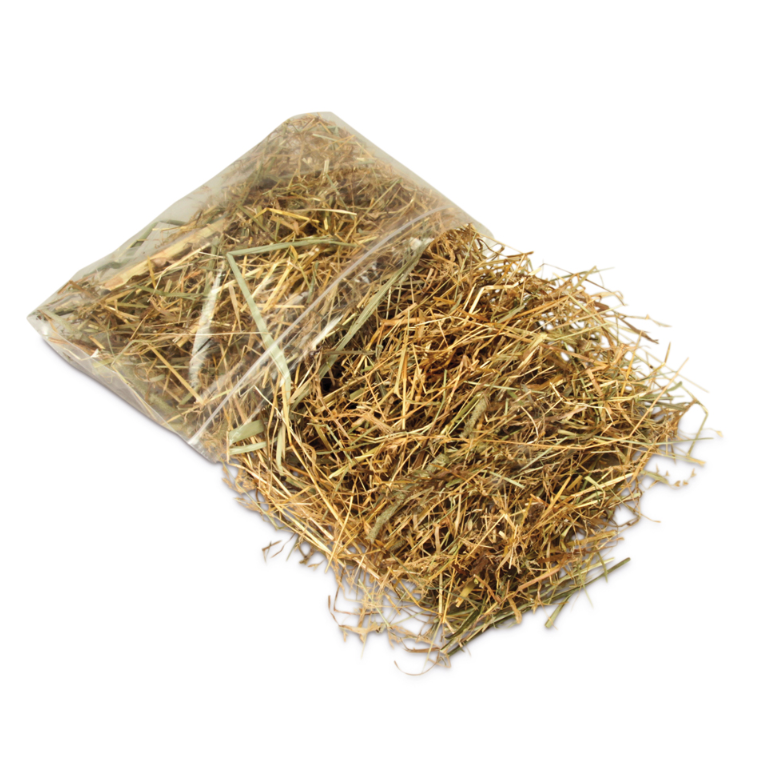
Pasteurize springwater and while it is hot pour approximately 200 mL into each culture dish. Add two grains of wheat and two 3-cm stems of timothy hay  that have been previously boiled. When cool, inoculate.

Timothy Hay, for Culture Media, 4 oz.

Euglena Medium

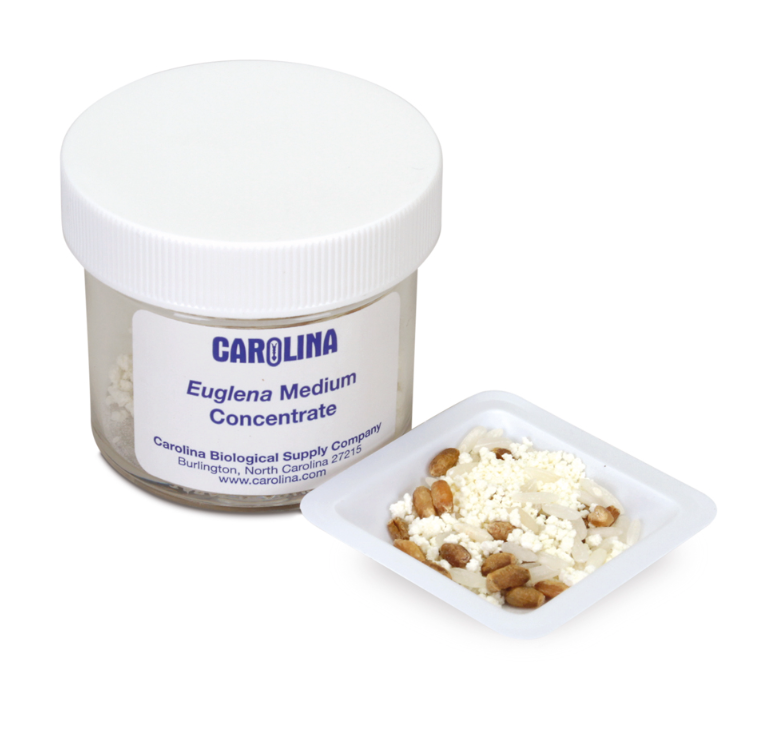
Add one jar of Euglena Medium Concentrate to 3.8 L (1 gallon) of springwater. Boil for 5 minutes. Let stand overnight and inoculate. Deep culture vessels or wide-mouth gallon jugs work well. Keep Euglena cultures in a well-lighted area, but out of direct sunlight because high temperatures are harmful. Artificial illumination is adequate.

One jar of Euglena medium concentrate makes 1 gal of medium.

Concentrated Paramecium

Thick cultures of Paramecium caudatum  are requiredWith a dropping pipet, remove a large number of paramecia without getting too much fluid. Place in fresh springwater. Strain through a cloth handkerchief to remove debris and large masses of bacteria. Let the filtrate stand until paramecia congregate in white masses on the bottom of the dish. With a dropping pipet, transfer the concentrated paramecia to fresh springwater in another dish and inoculate with Didinium or Bursaria. More paramecia must be added every few days, and subcultures should be prepared every 2 weeks.

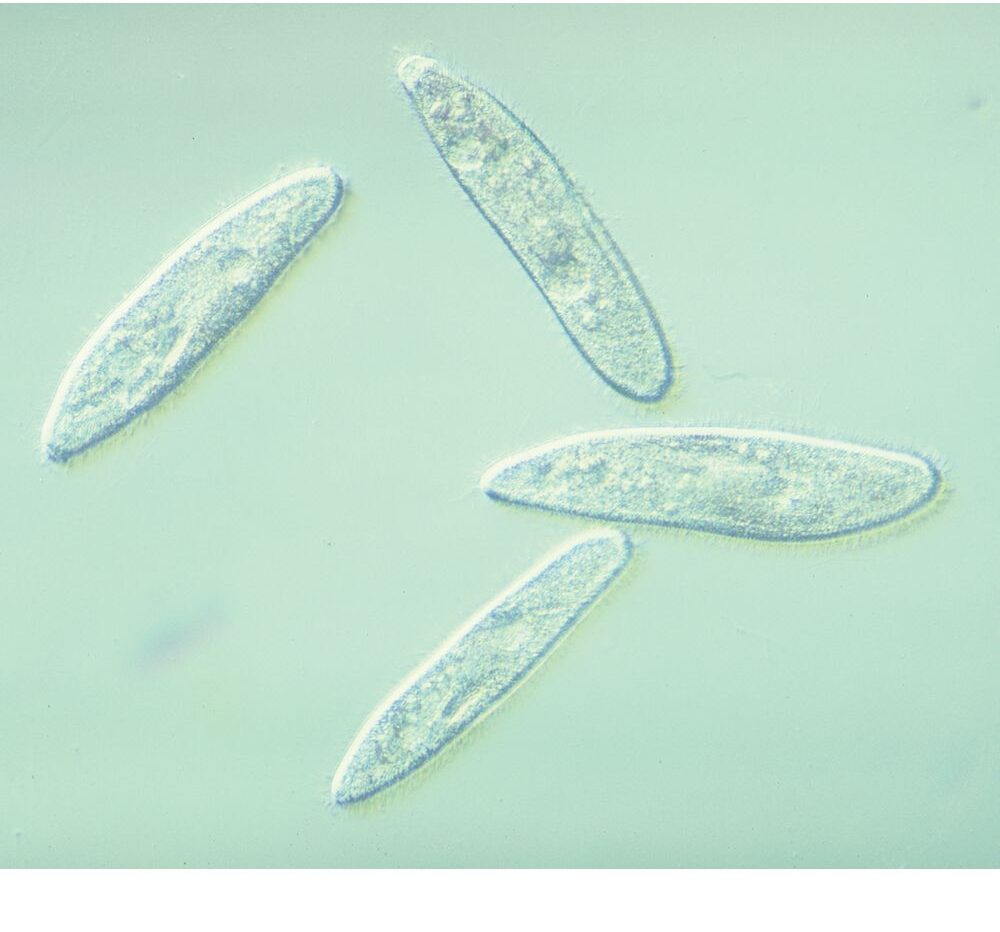
Paramecium, Living
Paramecium, Living

Sand–Spirogyra Medium

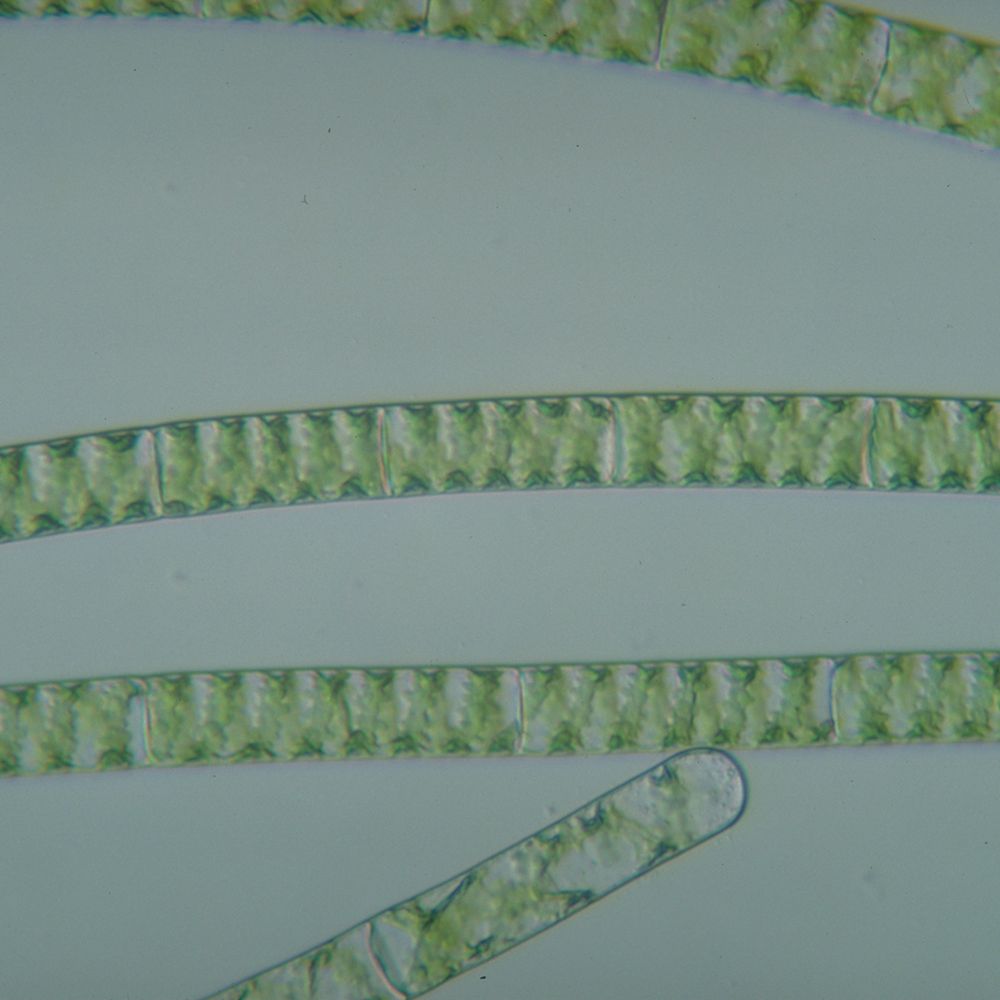
Place 0.5 g of clean sand in a culture dish containing 200 mL of heated springwater. After the water cools, add a generous portion of healthy Spirogyra preferably a single-chloroplast species. Inoculate.

Spirogyra, Living

Related Products

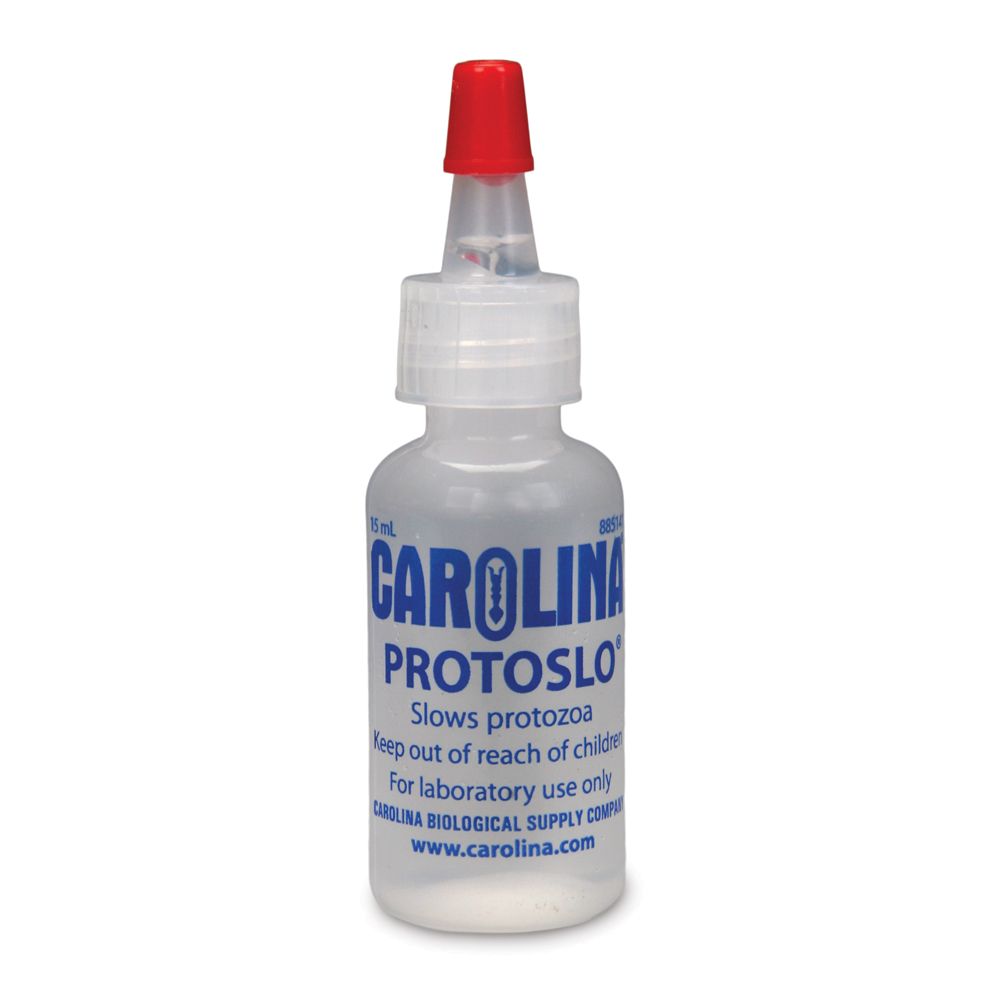
Protoslo® Quieting Solution, Laboratory Grade, 15 mL

Protoslo® Quieting Solution, Laboratory Grade, 15 mL

A microscope magnifies not only the size but also the apparent speed of living, motile subjects. Ciliates may zoom through your field of view. Protoslo slows them for better viewing at higher magnification.
Vitachrome Prestained Cultures

Vitachrome Prestained Cultures

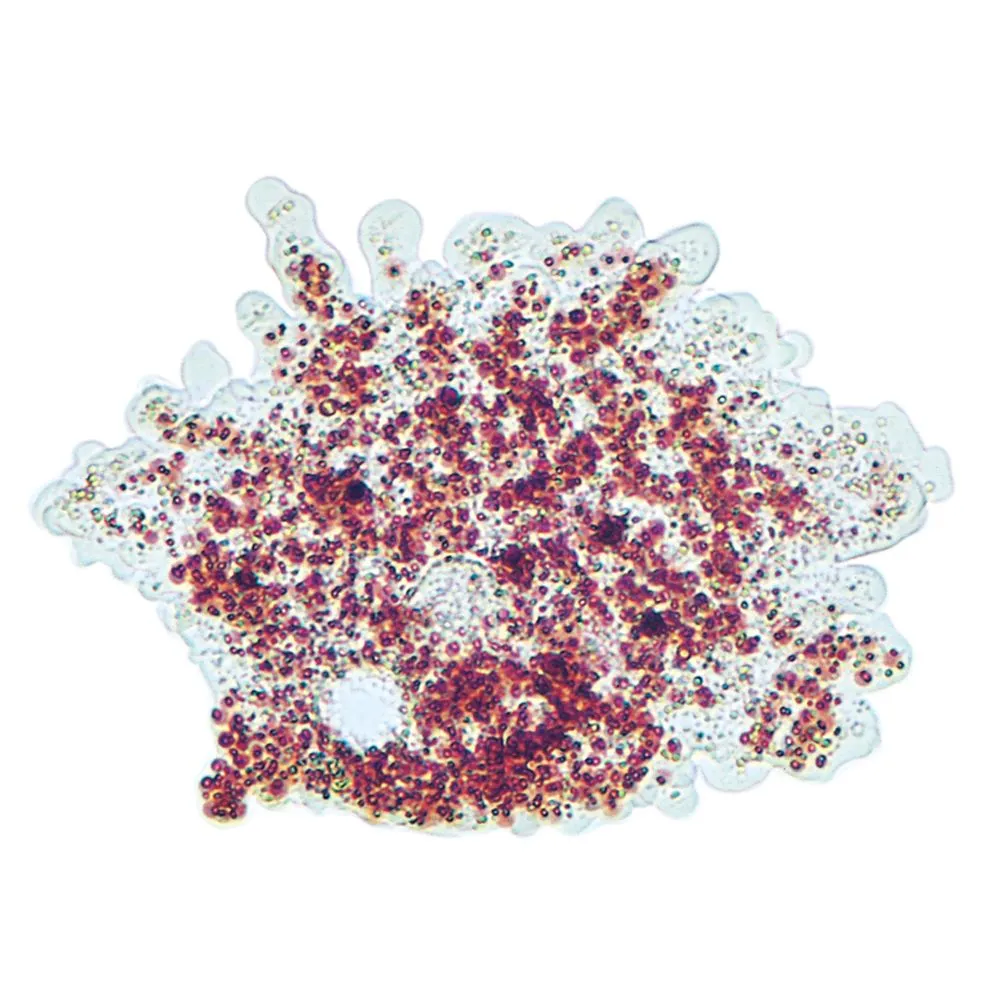
A vital stain is one that does not kill the organism yet makes cytoplasmic structures more visible. Available for Amoeba, Chaos (Pelomyxa), and Paramecium cultures.

Carolina® Protozoa Slide Set, Amoeba, Living

Carolina® Protozoa Slide Set, Amoeba, Living

Pairs a live culture with a prepared, stained microscope slide of the protozoan to highlight internal structure. Available for Amoeba, Euglena, and Mixed Protozoa.

About The Author

Newsletter Signup

Get the latest news, free activities, teacher tips, product info, and more delivered to your inbox.