A world of opportunities for clinical skills development in CTE programs
Blood typing activities can help students learn critical clinical skills such as proper specimen handling, measuring, observing, data recording, and working safely. Through hands-on practice, they develop the precision, attention to detail, and problem-solving abilities needed for careers in healthcare and forensics or to further their education.
Our blood typing kits and activities enable students to master the basics with safe, shelf-stable synthetic blood and then progress to working with real aseptic human red blood cells. These kits and activities can be an indispensable part of CTE programs training students for careers such as:
Medical laboratory technician
Phlebotomist
Nurse
Emergency medical technician
Forensic laboratory technician
They are also useful for introducing clinical skills to students planning to pursue further education in a graduate or medical program.
Download and shop to discover how blood-typing kits and activities from Carolina® Science can help you introduce your students to a world of career opportunities with a single drop of blood.
A quick look at the blood-typing procedure, from sample prep to reading results.
Synthetic Blood
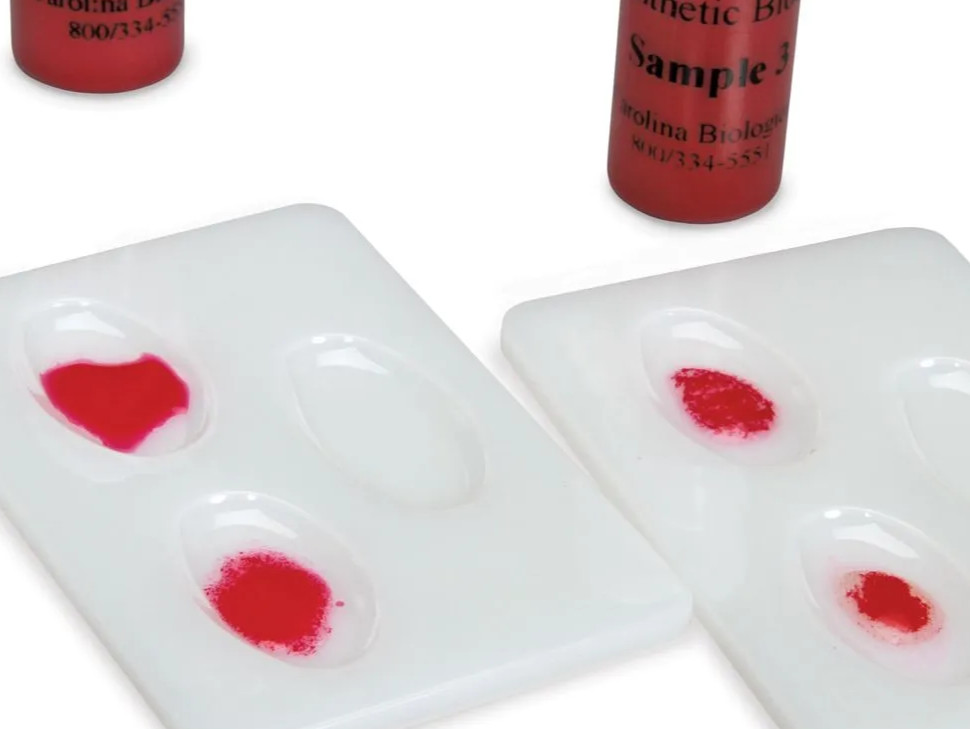
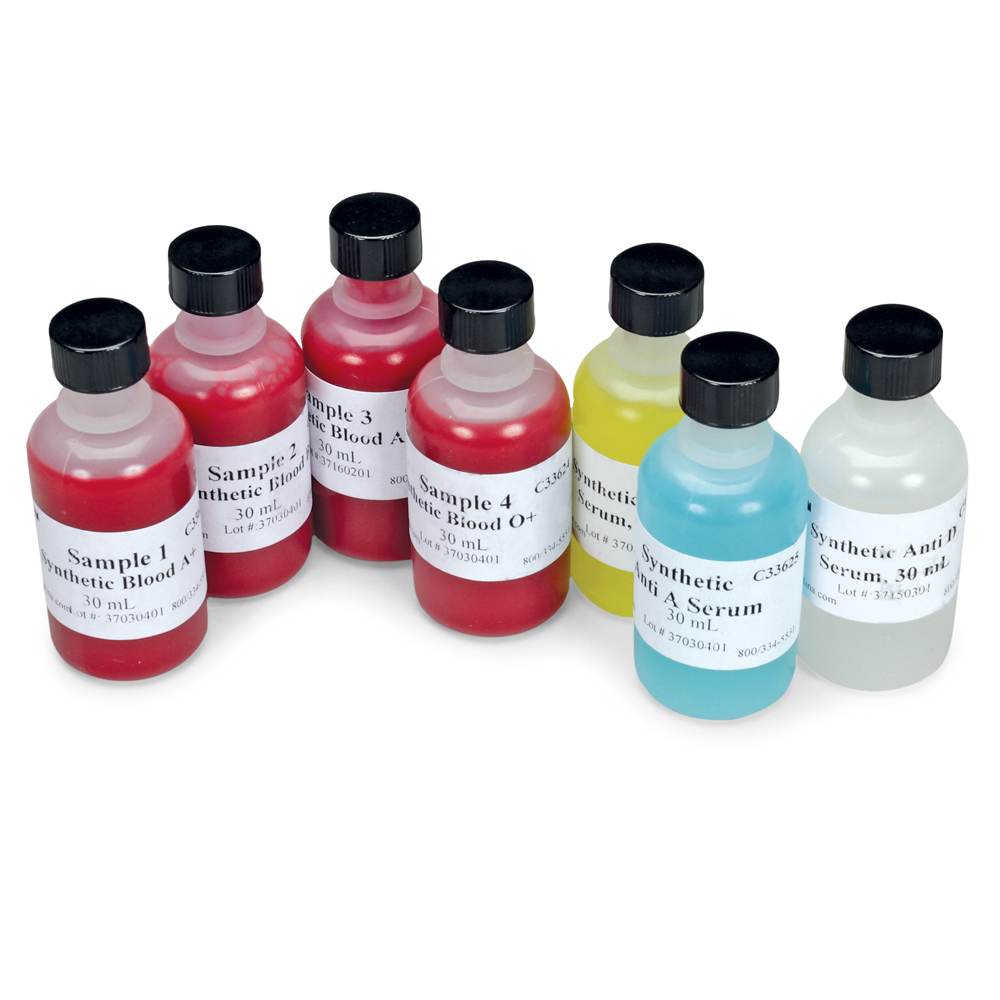
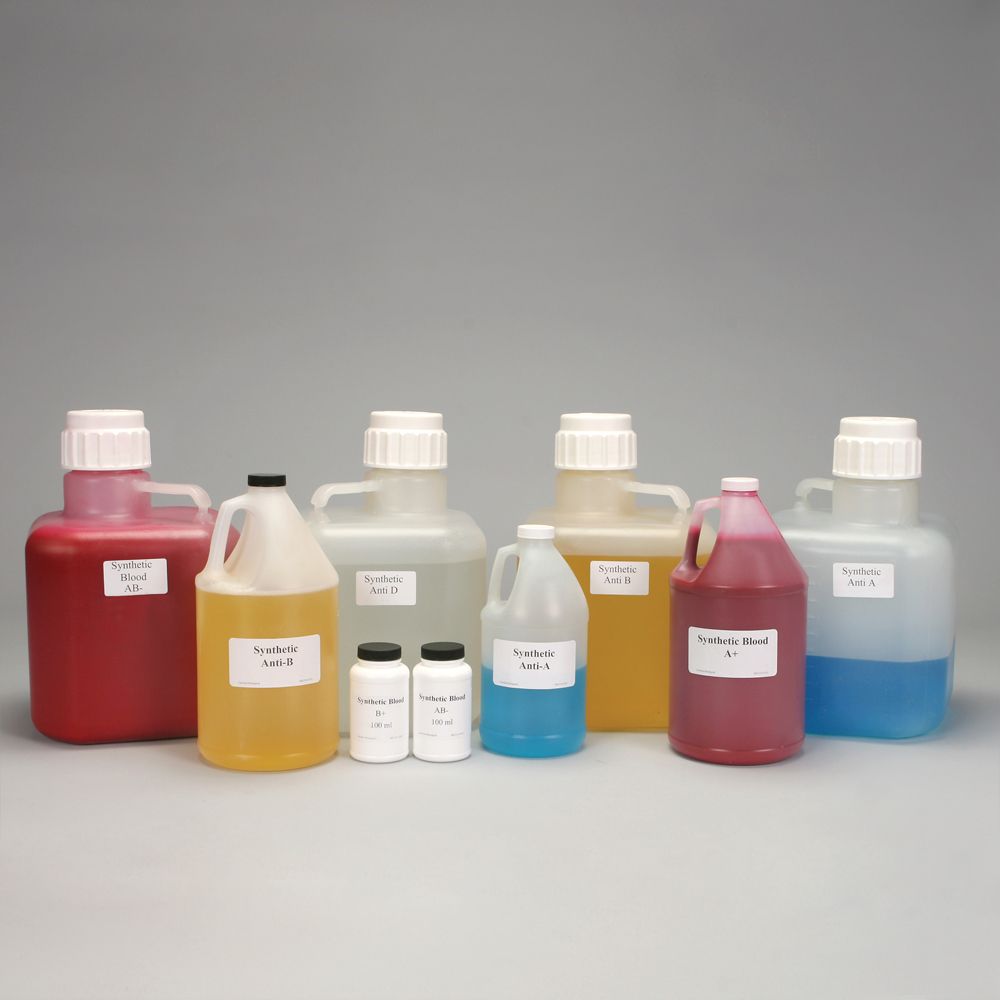
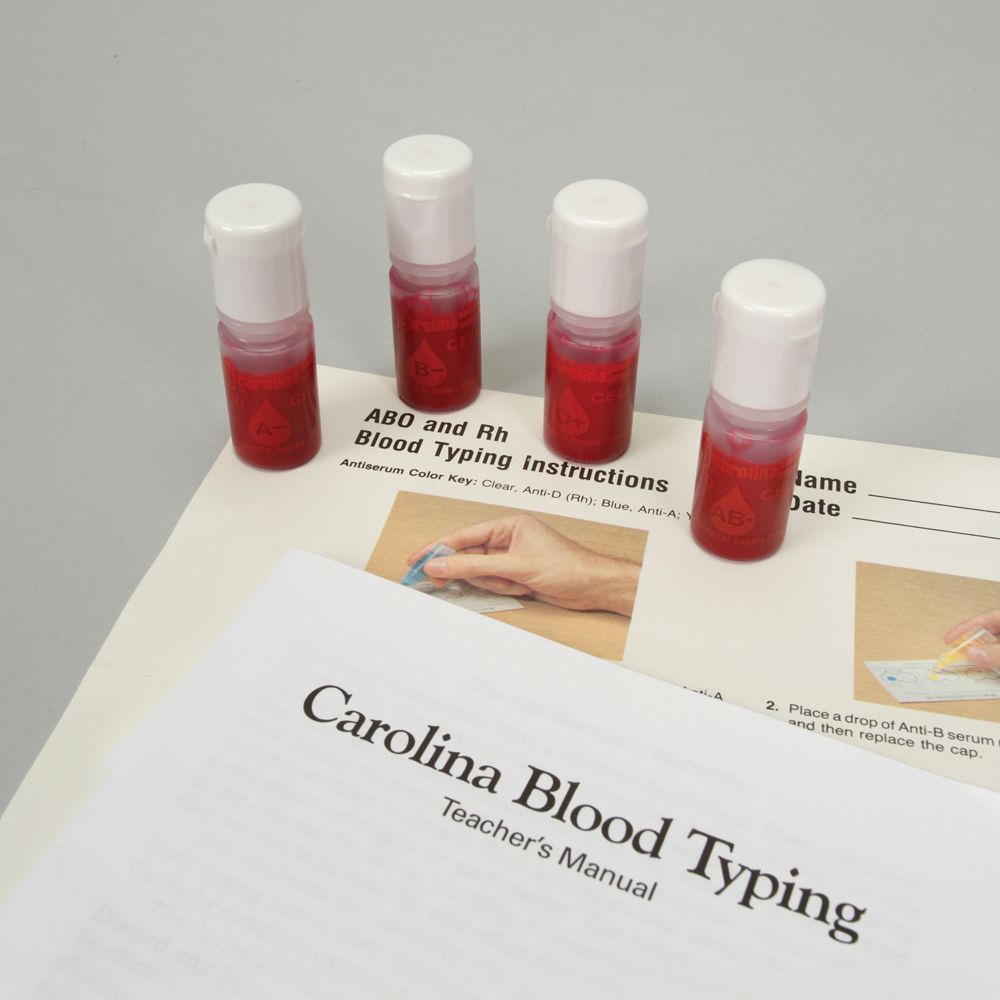
Introduce students to blood typing with synthetic blood that provides realistic results without the risk of transmitting blood-borne disease. Our synthetic blood forms clumps, providing an accurate agglutination reaction. All reagents are shelf-stable, pose no biohazard risk, and can be safely discarded. Although synthetic blood poses no biohazard risk, consider having students wear PPE when using it in preparation to working with real aseptic red blood cells.
Provides a safe introduction to blood typing
Is shelf-stable for over two years at room temperature
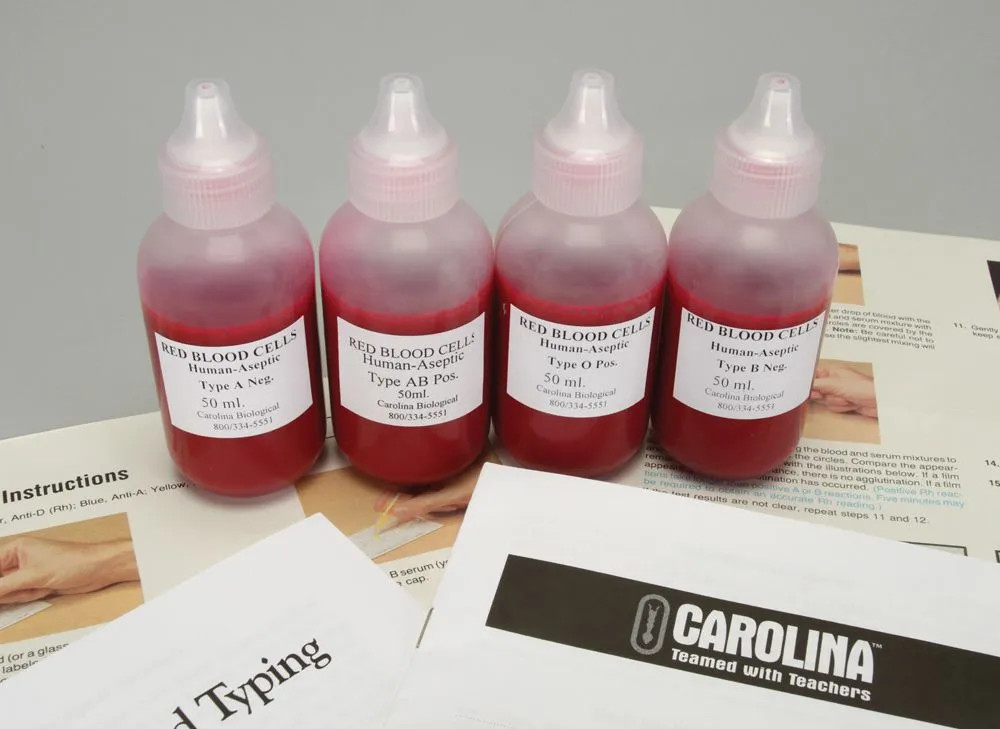
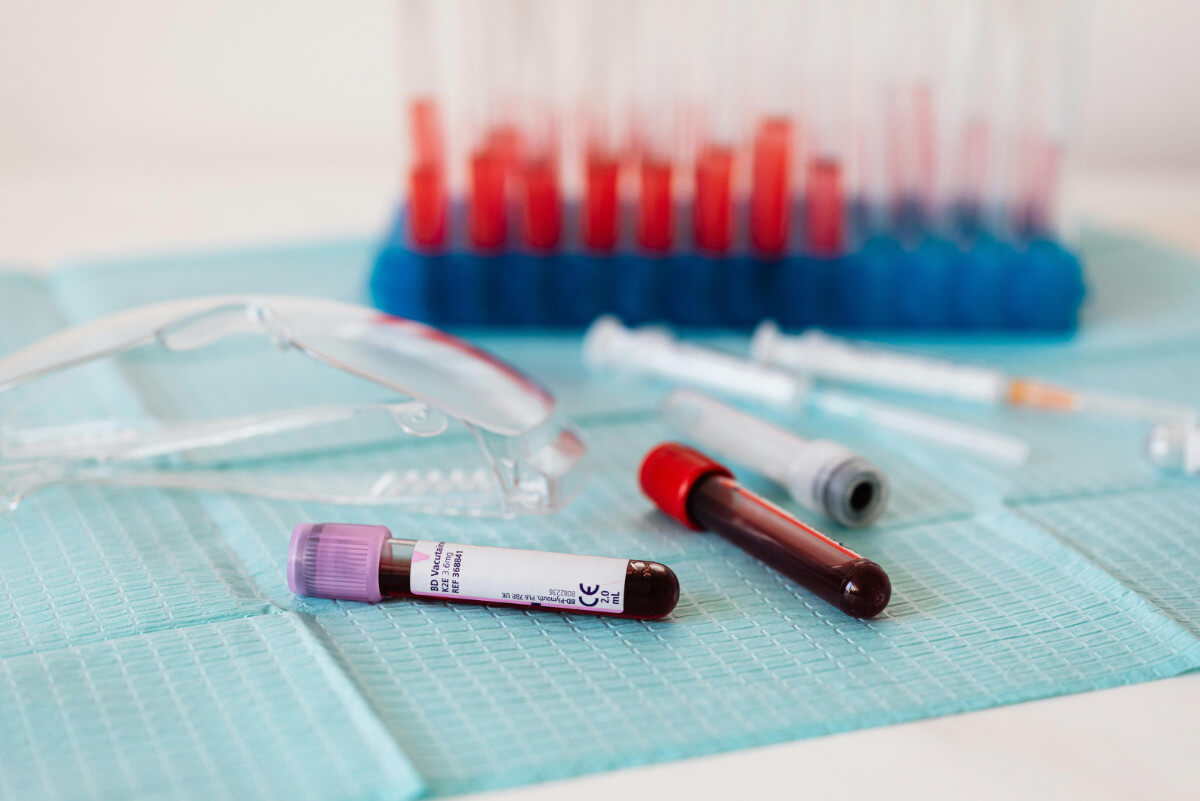
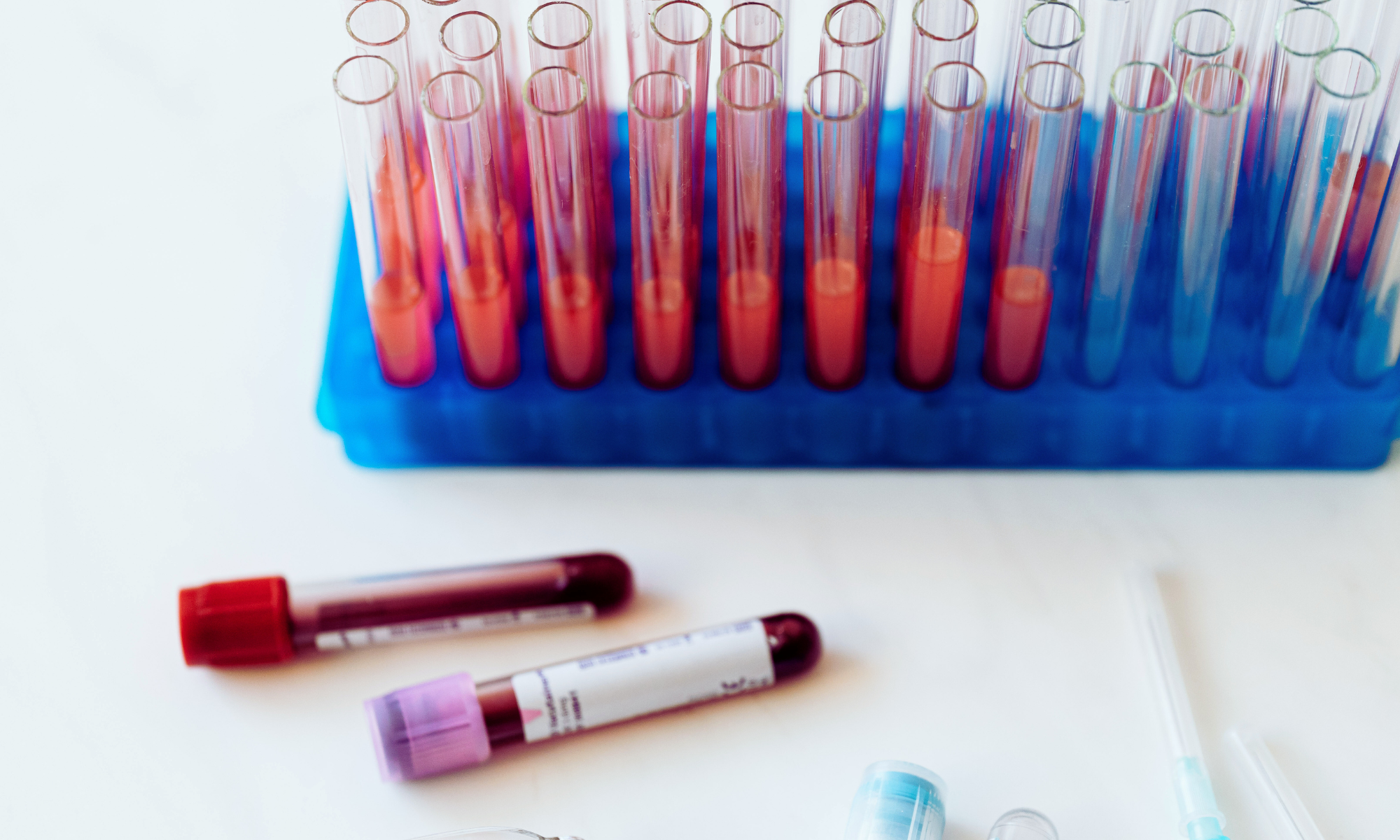
Students who have mastered the basics with synthetic blood can progress to typing real human blood with our aseptic red blood cells. Aseptic red blood cells (no white cells or blood plasma) have been washed and suspended in saline. They provide real blood-typing results while minimizing the risk of disease transmission associated with lancets and drawing blood. Although the biohazard risk is low, students should wear PPE when working with aseptic red blood cells.
What clinical skills do students learn from blood typing activities?
Blood typing activities help students build proper specimen handling, measuring, observing, data recording, and safe lab practices. Through hands-on practice, they develop the precision, attention to detail, and problem-solving abilities needed for careers in healthcare and forensics, or for further education.
What careers do blood typing activities prepare CTE students for?
Blood typing kits and activities support CTE programs that train students for careers such as medical laboratory technician, phlebotomist, nurse, emergency medical technician, and forensic laboratory technician. They are also useful for introducing clinical skills to students planning to pursue a graduate or medical program.
What is synthetic blood, and is it safe for classroom blood typing?
Synthetic blood gives students realistic blood typing results without the risk of transmitting blood-borne disease. It forms clumps to produce an accurate agglutination reaction, is shelf-stable for over two years at room temperature, and poses no biohazard risk, so it can be safely discarded. Although it is not hazardous, students should consider wearing PPE as practice for working with real aseptic red blood cells.
What are aseptic red blood cells, and how are they used in blood typing?
Aseptic red blood cells are real human red blood cells that have been washed and suspended in saline, with no white cells or blood plasma. They provide genuine blood typing results while eliminating sharps and finger sticks, which minimizes the risk of disease transmission. Although the biohazard risk is low, students should wear PPE when working with them.
How do students progress from synthetic blood to real blood typing?
Students first master the basics with safe, shelf-stable synthetic blood, then advance to typing real human blood with aseptic red blood cells. The procedure stays the same at each stage: prepare samples and equipment, test by applying the sample to test media, read the reaction, and document the observation.